Cupping therapy for Sprains and Strains

Cupping therapy for Sprains and Strains

A sudden twist, a fall, or an overexertion during a workout—sprains and strains are among the most common injuries that can disrupt our daily lives. While rest and ice are foundational, modern physiotherapy offers advanced techniques to accelerate healing. One such powerful modality is cupping therapy. This blog explores how this ancient practice, when applied by certified physiotherapists, offers remarkable benefits for recovering from sprains and strains, helping you get back on your feet faster.

Understanding the Injury: Sprains vs. Strains

Before diving into the treatment, it's crucial to understand the difference between these two common injuries. Knowing which tissue is affected is key for effective treatment.

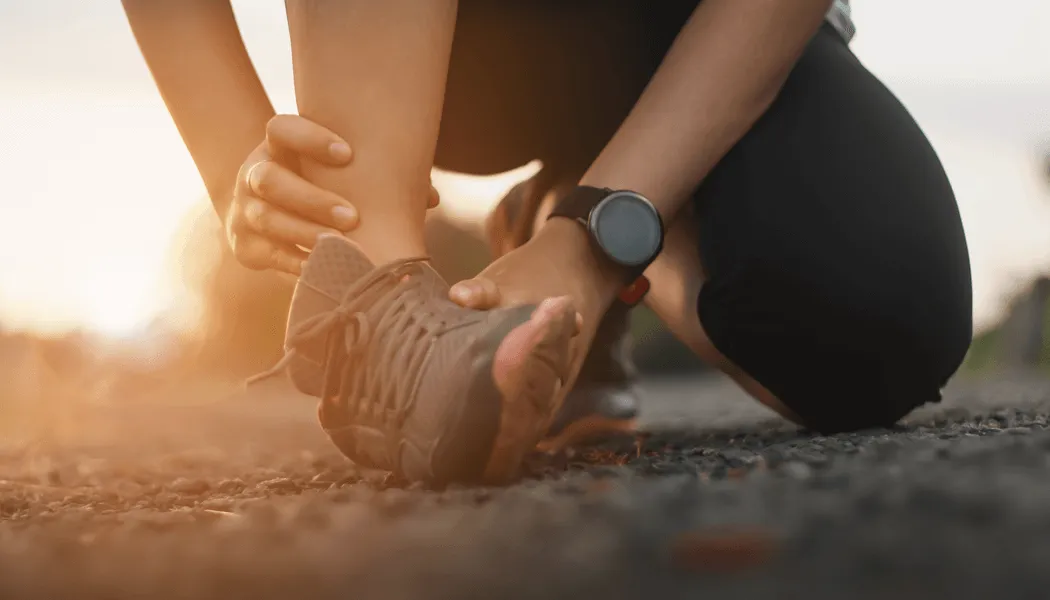
A sprain is an injury to a ligament, the tough band of fibrous tissue that connects two bones together at a joint. This often happens from a sudden twist, fall, or force that pushes a joint beyond its normal range of motion, with cupping for ankle sprain being a frequent and effective application. The severity can range from a minor stretch (Grade 1) to a complete tear (Grade 3).

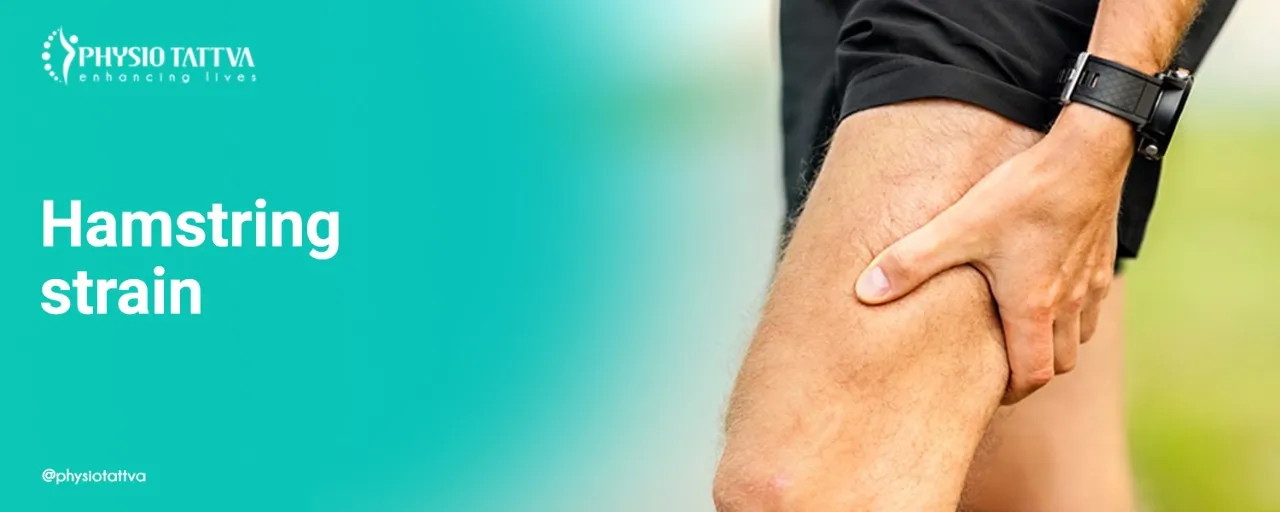
A strain, on the other hand, is an injury to a muscle or tendon (the tissue that connects muscle to bone). Strains are often caused by overstretching, overuse, or excessive force, leading to conditions like a pulled hamstring or a lower back strain. Both injuries cause pain, swelling, and limited movement, but targeting the right tissue is paramount for a successful recovery plan.

What is Cupping Therapy? The Science of Healing

Cupping therapy is an ancient form of alternative medicine that has been skillfully adopted and refined by modern physiotherapy to enhance healing. At Physiotattva, we utilize it as a form of myofascial decompression. During the therapy, our certified physiotherapists place specialised cups on the skin over the injured area to create negative pressure, or suction. This suction gently lifts the skin, fascia (the connective tissue surrounding muscles), and underlying muscle layers.

Unlike a traditional massage that applies inward, compressive pressure, cupping pulls these tissues upward. This unique action helps to break up adhesions, separate fused tissue layers, and create space. Most importantly, it encourages a rush of nutrient-rich blood to the injured area, stimulating the body’s natural healing processes and facilitating faster sprain recovery. It is a targeted, non-invasive technique expertly used to address pain, inflammation, and mobility issues.

How Cupping Therapy Specifically Targets Sprains and Strains

When you have a sprain or strain, your body’s immediate response involves inflammation, painful swelling, and protective muscle guarding. Cupping therapy for sprains and strains directly counteracts these issues, providing one of the most significant cupping therapy benefits. Here’s how it works:

Enhances Blood Circulation

The negative pressure from the cups creates a significant and immediate increase in blood flow to the localized area. This powerful circulatory boost is essential for healing. It works to flush out metabolic waste and inflammatory cells while delivering a fresh supply of oxygen and crucial nutrients that are vital for repairing damaged ligaments, muscles, and tendons.

Reduces Swelling and Inflammation

By lifting the tissue, cupping helps create space beneath the skin, allowing stagnant lymphatic fluid to drain more effectively. The lymphatic system acts as the body’s drainage network, responsible for removing excess fluid, dead cells, and the chemical byproducts of inflammation. This leads to a visible reduction in swelling and bruising around the injury.

Releases Muscle Tension and Knots

An injury often causes surrounding muscles to tighten up in a protective spasm. This guarding mechanism, while natural, leads to further pain, stiffness, and compensatory issues. Cupping helps release these painful trigger points and fascial adhesions, restoring normal muscle flexibility, reducing stiffness, and alleviating the secondary pain caused by muscle tension.

Alleviates Pain

The therapy provides pain relief in two distinct ways. First, the suction stimulates sensory nerves in the skin, which can help interrupt and override pain signals being sent to the brain (a "gate control" effect). More importantly, by directly reducing inflammation, swelling, and muscle tension, cupping addresses the primary sources of pain, providing profound and lasting relief.

What to Expect During Your Cupping Session at Physiotattva

Your journey with cupping therapy in Bangalore or Hyderabad is professional, safe, and patient-focused. It begins with a thorough assessment by one of our certified physiotherapists to accurately diagnose your sprain or strain and its severity. Based on this evaluation, they will determine if cupping is an appropriate and beneficial part of your muscle strain treatment.

During the session, you will be comfortably positioned. The therapist will place sterile, medical-grade cups on and around the injured area. You will feel a tight, pulling sensation as the suction is created, which is a sign of the tissue decompressing. The cups may be left in one place (static cupping) or gently moved across the skin (dynamic cupping) for a few minutes. The process is generally not painful and is closely monitored by your therapist to ensure your absolute comfort and safety.

Beyond the Cups: Integrated Physiotherapy for Full Recovery

At Physiotattva, we believe in a holistic path to recovery. Cupping therapy is a powerful tool, but it yields the best and most lasting results when integrated into a complete physiotherapy for strains and sprains program. Following a cupping session designed to reduce pain and inflammation, your therapist will incorporate other essential modalities. These may include gentle stretching, targeted strengthening exercises, hands-on manual therapy, and functional mobility drills. This comprehensive approach ensures that we not only relieve your immediate symptoms but also correct underlying biomechanical imbalances, strengthen the injured area to prevent re-injury, and restore you to full function.

Why Choose Physiotattva for Cupping Therapy in Bangalore & Hyderabad

When it comes to your health, expertise and trust matter most. Physiotattva is a premium provider of advanced physiotherapy and chiropractic care in Bangalore and Hyderabad. Here’s why you should choose us for your recovery:

  • Expert Clinicians: Our therapists are highly trained and certified in specialized techniques, including cupping therapy, to ensure you receive the highest standard of care.
  • Medical-Grade Equipment: We use only sterile, top-quality equipment to maintain the highest levels of safety and hygiene during every session.
  • Personalised Treatment Plans: Each plan is carefully tailored to your unique injury, ensuring that your recovery is both effective and efficient.
  • Holistic Approach: We integrate cupping therapy with other modalities like manual therapy and strengthening exercises for a comprehensive recovery.

Don’t let a sprain or strain hold you back from doing what you love. Choose a trusted partner for your recovery.

Get Back to Pain-Free Living with Cupping Therapy at Physiotattva

Cupping therapy for sprains and strains offers a safe and effective way to accelerate recovery. By reducing pain, enhancing blood circulation, and decreasing swelling, this ancient technique, when applied by certified physiotherapists, plays a vital role in healing. At Physiotattva, we integrate cupping therapy with modern physiotherapy practices to ensure a holistic approach to your recovery. With personalised treatment plans tailored to your unique injury, our expert physiotherapists help restore mobility and prevent future injuries. Trust Physiotattva to guide your healing journey with cupping therapy and other proven modalities, helping you return to your active life faster and pain-free.

At Physiotattva physiotherapy clinics in Bangalore and Hyderabad, you receive personalised care tailored to your specific needs, ensuring effective results and comfort throughout your journey to recovery. 

Don’t wait to start your recovery! Get in touch with Physiotattva for more details! Contact us at +91 89510 47001.

Frequently Asked Questions

Is cupping therapy painful?

FAQ Icon
Cupping therapy may cause some discomfort during the treatment, but it is usually not painful. The sensation is often described as a pulling or stretching feeling on the skin. Some people may experience soreness or bruising after the treatment.

How long do the circular marks from cupping last?

FAQ Icon
The circular marks, which are a result of increased blood flow to the surface and not bruises, are common and expected. They can range in color from light pink to dark red depending on the level of stagnation in the tissue. These marks typically fade completely within 3 to 7 days. They are a normal part of the healing process and provide useful feedback to your therapist.

Can I do cupping at home for my sprain?

FAQ Icon
We strongly advise against at-home cupping, especially for an acute injury like a sprain or strain. A professional physiotherapist is trained to diagnose the injury correctly, understand the underlying anatomy, and apply the cups at the precise location with the appropriate pressure and duration. Improper application can be ineffective or, in some cases, even worsen the injury. Safety and effectiveness come from expert application.

Related Therapies

Our Professionals

Dr. Anup Brahmbhatt (PT)

Chief Chiropractor and Physiotherapist

Read MoreBook an appointment

Dr. Sivaprakash K (PT)

Physiotherapist

Read MoreBook an appointment

ARFA SULTANA MOHAMMAD

Clinical Coordinator

Read MoreBook an appointment

Dr MATLA BHULAKSHMI

Clinical Physiotherapist

Read MoreBook an appointment

Dr. Parameshwaram C (PT)

Home Physiotherapist

Read MoreBook an appointment

MIHTHAJALI C

Homecare Physiotherapist

Read MoreBook an appointment

Dr Sridhar K (PT)

Home Physiotherapist

Read MoreBook an appointment

Get In Touch

Valid number
Thank you! Your submission has been received!
Oops! Something went wrong while submitting the form.