




Cerebral palsy (CP) is a group of neurological disorders affecting movement, muscle tone, and posture. While there is no cure for CP, a multi-faceted therapeutic approach can significantly improve an individual's quality of life, function, and comfort. Among the most effective interventions is manual therapy, a cornerstone of physical and occupational therapy for managing the musculoskeletal symptoms of CP.
Manual therapy involves skilled, hands-on techniques used by a therapist to diagnose and treat soft tissues and joint structures. For individuals with cerebral palsy, its primary goals are to manage pain, reduce muscle tightness (spasticity), improve range of motion, and enhance overall function.
Key Manual Therapy Techniques Used for Cerebral Palsy
Manual therapy is not a single method but a collection of techniques tailored to the individual's specific needs, presentation of CP, and personal goals.
Soft Tissue Mobilization & Massage
This is one of the most common forms of manual therapy for CP. Therapists use various massage strokes and depths of pressure on muscles, ligaments, and tendons.
- Goal: To decrease muscle hypertonicity (excessive tone) and spasticity. The rhythmic pressure can help relax tight muscles, improve local blood flow, and reduce pain.
- How it Helps: For a child with spastic diplegia (tightness primarily in the legs), deep tissue massage on the hamstrings and calf muscles can provide temporary relief from stiffness, making stretching and walking easier.
Myofascial Release (MFR)
Fascia is the web of connective tissue that surrounds and supports every muscle, bone, and organ in the body. In CP, chronic muscle tightness can cause this fascia to become restricted and "stuck."
- Goal: To release these fascial restrictions. MFR involves applying slow, sustained pressure to the restricted areas.
- How it Helps: By releasing fascial tightness around the hips and trunk, a therapist can help improve a person's sitting posture, balance, and reach. It works on the entire connective chain, not just an isolated muscle.
Joint Mobilization
This technique involves gentle, passive movements of a joint performed by the therapist. It is crucial to distinguish this from high-velocity manipulation (the "cracking" often associated with chiropractic care), which is generally not appropriate for individuals with CP.
- Goal: To improve joint mobility, reduce stiffness, and manage pain. The therapist moves the joint through small, graded oscillations or gentle stretches within its available range.
- How it Helps: Gently mobilizing the ankle joint can improve the foot's position for walking and standing. Mobilizing the shoulder or wrist can make tasks like dressing, eating, or using a computer more accessible.
Passive Range of Motion (PROM) and Stretching
While parents and caregivers are often taught to perform these, a therapist's skilled application is a key part of manual therapy.
- Goal: To maintain or increase muscle length, prevent the development of permanent joint contractures, and improve flexibility. The therapist carefully moves a limb through its full range of motion.
- How it Helps: Regular, skilled stretching is critical for preventing the shortening of muscles that are constantly firing due to spasticity. This preserves joint health and maintains functional movement possibilities for the future.
Neuro-Developmental Treatment (NDT)
NDT is a broader therapeutic approach that heavily incorporates manual therapy. The therapist uses specific handling techniques, known as "facilitation," to guide the individual through more typical movement patterns.
- Goal: To inhibit abnormal tone and reflexes while facilitating more efficient, functional movements. The hands-on guidance provides sensory feedback to the brain, helping it "learn" new motor patterns.
- How it Helps: A therapist might use their hands to stabilize the pelvis and guide the trunk to rotate while the individual reaches for a toy. This manual feedback teaches the body a more effective way to move, which can then be incorporated into daily life.
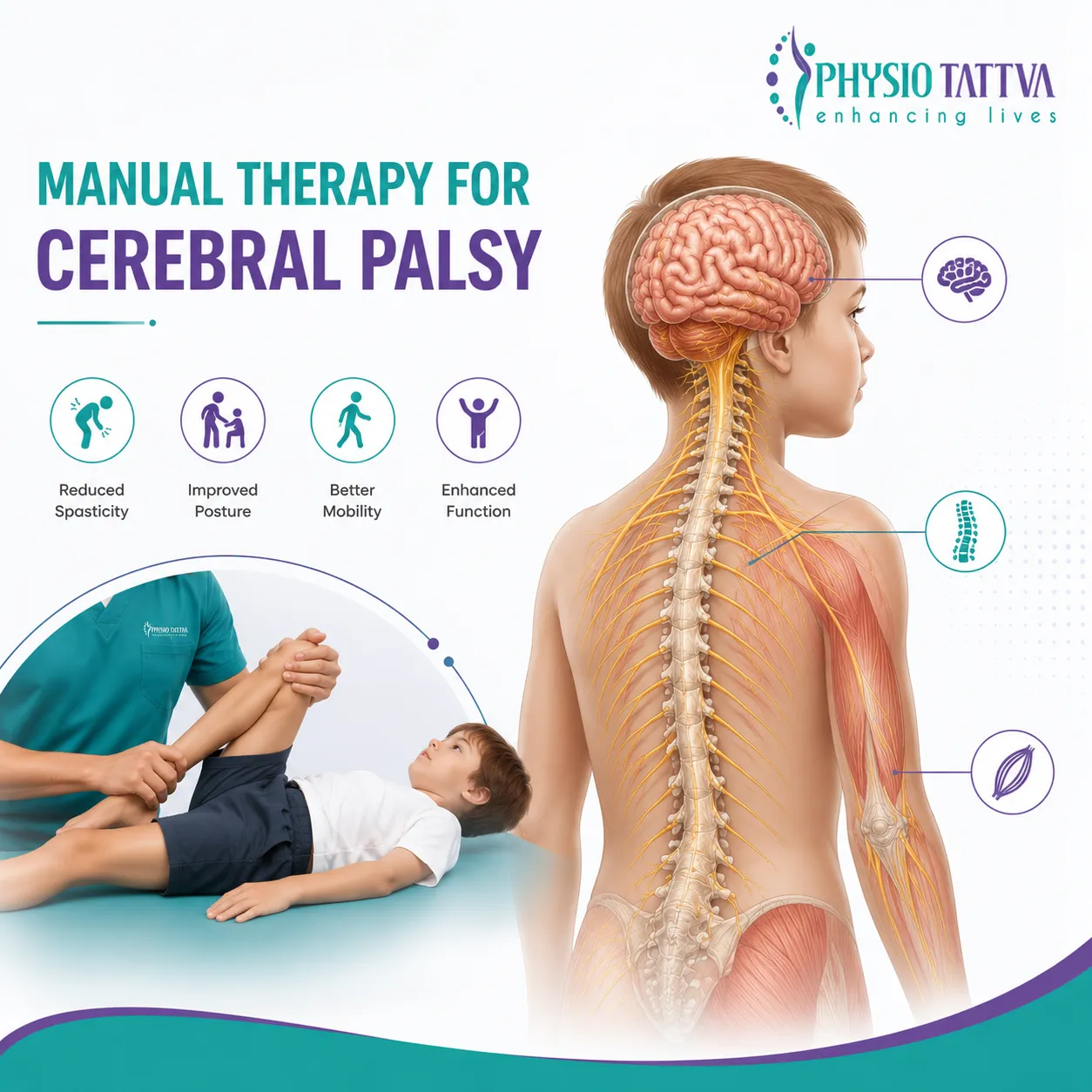
Key Benefits of Manual Therapy for Cerebral Palsy
When integrated into a comprehensive therapy plan, manual therapy offers significant advantages by addressing both movement limitations and comfort-related challenges. These benefits support not only physical function but also long-term independence and overall well-being:
- Pain Management: Directly addresses musculoskeletal pain caused by muscle tightness, joint stiffness, and compensatory movement patterns.
- Reduction of Spasticity: While the effects on spasticity are often temporary, regular manual therapy can provide significant windows of opportunity where movement is easier and less painful.
- Improved Range of Motion and Flexibility: Directly counters the muscle shortening and joint stiffness that limit movement.
- Prevention of Secondary Complications: Helps prevent or slow the progression of joint contractures and deformities, potentially delaying or avoiding the need for orthopedic surgery.
- Enhanced Body Awareness (Proprioception): The hands-on input gives the brain valuable sensory information about where the body is in space, which can improve coordination and motor control.
- Improved Functional Abilities: By reducing stiffness and pain, manual therapy can directly lead to improvements in walking gait, sitting posture, balance, and the ability to use hands and arms for daily tasks.
- Enhanced Comfort and Quality of Life: Reducing chronic pain and stiffness allows for better sleep, easier caregiving (for dressing and hygiene), and greater participation in social and recreational activities.
Important Considerations Before Starting Manual Therapy for Cerebral Palsy
Before beginning manual therapy, it is essential to understand that its safety and effectiveness depend on who delivers the treatment and how it is integrated into the overall rehabilitation plan. The following considerations help ensure optimal outcomes and long-term benefits:
- Qualified Professionals: Manual therapy for cerebral palsy should only be performed by licensed professionals with specialized training in pediatric and neurological conditions, such as Physical Therapists (PTs) or Occupational Therapists (OTs).
- Part of a Team-Based Approach: Manual therapy is most effective when delivered as part of a holistic treatment plan that includes therapeutic exercises, orthotic support, adaptive equipment, and, when appropriate, medical interventions such as Botox or Baclofen.
- Individualization Is Key: Cerebral palsy presents differently in every individual. A skilled therapist conducts a detailed assessment to design a manual therapy program tailored to the person’s specific movement patterns, goals, sensitivities, and functional needs.
Manual therapy for cerebral palsy is not a passive intervention but a powerful, evidence-informed therapeutic tool. Through skilled, hands-on techniques, therapists can manage pain, reduce stiffness, and support individuals with CP in moving more freely and participating more fully in everyday life.
Integrating Manual Therapy into Cerebral Palsy Treatment Plans
Manual therapy plays a vital role in the long-term management of cerebral palsy by addressing pain, muscle stiffness, and movement restrictions that impact daily life. When delivered by trained physiotherapists, these hands-on techniques help create better movement opportunities, support functional independence, and enhance overall comfort.
As part of a comprehensive rehabilitation program, manual therapy works best alongside therapeutic exercises, functional training, and supportive medical care. With a personalized, goal-oriented approach, manual therapy empowers individuals with cerebral palsy to move more confidently, participate more actively, and achieve a better quality of life over time.
At Physiotattva physiotherapy clinics in Bangalore and Hyderabad, you receive personalised care tailored to your specific needs, ensuring effective results and comfort throughout your journey to recovery.
Don’t wait to start your recovery! Get in touch with Physiotattva for more details! Contact us at +91 89510 47001.
Why Physiotattva?
22+
50,000+
95%
200+
25+
4.8
Cities We Serve

Bangalore
At Physio Tattva, we are committed to bring access to quality physio care through ultra-modern clinics and high-skilled practitioners to all.
.webp)
Hyderabad
At Physio Tattva, we are committed to bring access to quality physio care through ultra-modern clinics and high-skilled practitioners to all.
.webp)
Vishakhapatnam
At Physio Tattva, we are committed to bring access to quality physio care through ultra-modern clinics and high-skilled practitioners to all.
Core Treatments
Core Conditions
Core Symptoms
Frequently Asked Questions
Is manual therapy painful for someone with Cerebral Palsy?

How soon can we see results from manual therapy?
Is manual therapy a standalone treatment for Cerebral Palsy?
Who performs manual therapy at Physiotattva?






%20(1)-p-3200.jpeg)


.jpg)
.webp)
.webp)
.webp)