




If you're grappling with the chronic pain, numbness, and mobility challenges of spinal stenosis, a diagnosis can feel overwhelming. While traditional treatments like physical therapy, medication, and surgery are effective for many, some individuals seek complementary, non-invasive options to manage their symptoms. One such option gaining attention is Pulsed Electromagnetic Fields (PEMF) therapy for Spinal stenosis.
This article will break down what spinal stenosis is, how PEMF therapy works, and its potential role in managing the symptoms of this challenging condition.
What Is Spinal Stenosis?
Spinal stenosis is a medical condition characterized by the narrowing of the spaces within your spine. This narrowing can put pressure on the nerves that travel through the spine, including the spinal cord.
- Lumbar Stenosis: The most common form, occurring in the lower back. It can cause sciatica-like pain, tingling, or weakness in the legs and feet. A hallmark symptom is "neurogenic claudication," where pain worsens with walking and is relieved by sitting or leaning forward.
- Cervical Stenosis: Occurs in the neck. This can be more dangerous as it can compress the spinal cord, leading to significant weakness, numbness in the arms and hands, and even problems with balance and coordination.
The primary cause is age-related "wear and tear," such as osteoarthritis, which can lead to bone spurs and thickened ligaments that intrude on the spinal canal.
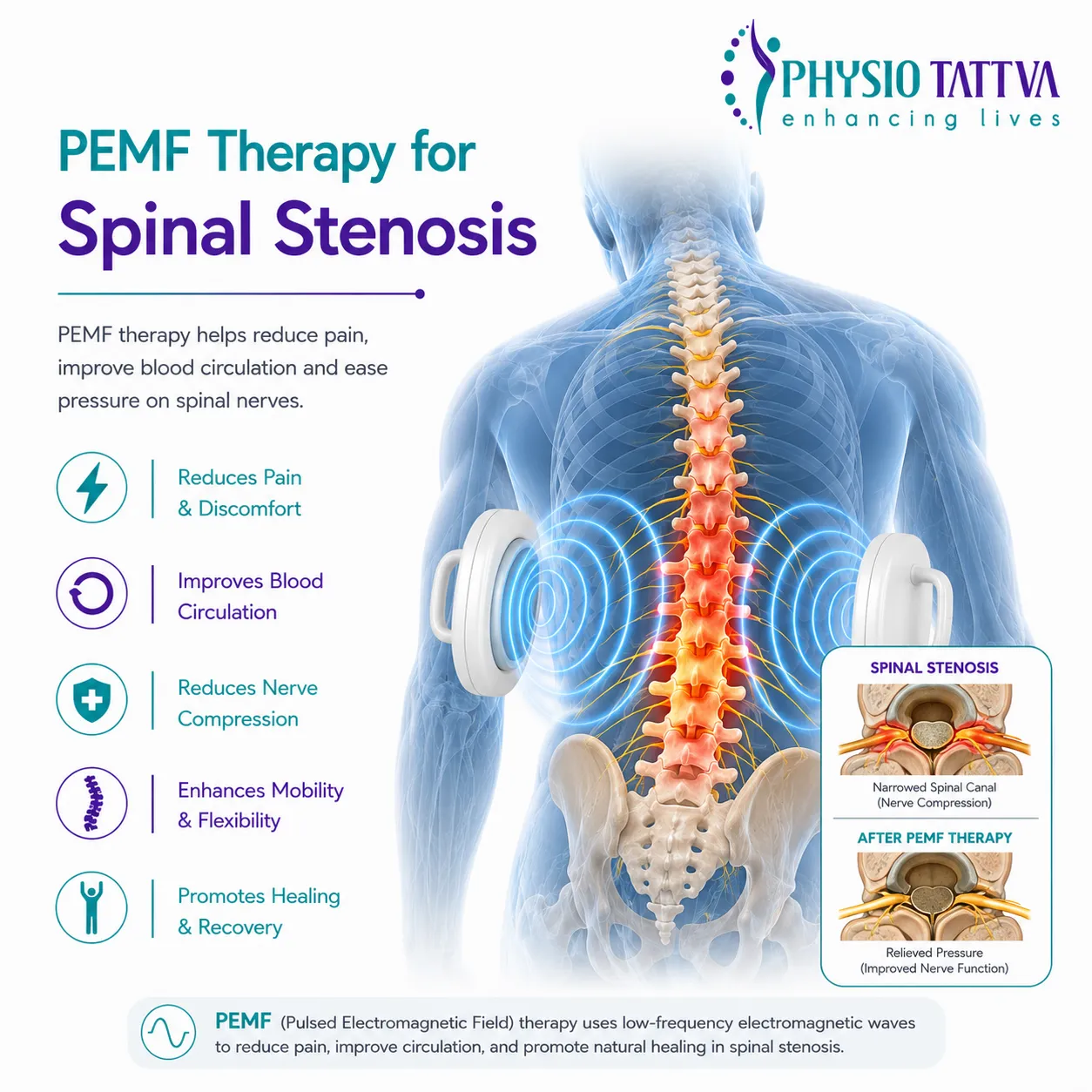
What is Pulsed Electromagnetic Fields (PEMF) Therapy?
PEMF therapy is a non-invasive treatment that uses low-frequency, pulsed electromagnetic fields to stimulate and "recharge" cells in the body. It's not the same as using a static magnet. The key is in the pulse of the energy wave, which creates a therapeutic effect at a cellular level.
The proposed mechanism of action for PEMF therapy includes:
- Reducing Inflammation: By influencing the activity of inflammatory cells and pathways.
- Enhancing Circulation: Improving blood flow to bring more oxygen and nutrients to damaged tissues.
- Stimulating Cellular Repair: Increasing the production of ATP (the energy currency of cells), which can help accelerate the body's natural healing processes.
- Modulating Pain Signals: Potentially altering the way nerve cells fire, thereby reducing the perception of pain.
The Potential Role of PEMF Therapy for Spinal Stenosis
It is crucial to understand that PEMF therapy cannot reverse spinal stenosis. It cannot remove a bone spur or widen the spinal canal. Instead, its potential lies in managing the symptoms caused by the nerve compression.
Here’s how pulsed electromagnetic fields therapy for spinal stenosis might offer relief:
Pain and Inflammation Reduction with PEMF Therapy
PEMF therapy works by reducing the inflammation around compressed nerves, which is the primary cause of pain in spinal stenosis. By targeting the swollen areas, PEMF helps to alleviate the pressure on the nerves, leading to significant pain relief. This can also reduce tingling and numbness, allowing for a better quality of life and increased comfort for individuals with this condition.
Support for Nerve Function and Protection
Chronic pressure on nerves due to spinal stenosis can lead to long-term nerve damage. PEMF therapy aids by improving cellular metabolism and reducing inflammation, which supports nerve health. This can help protect nerve cells from further damage while encouraging natural repair processes. As a result, PEMF therapy may improve nerve function, leading to better communication between the brain and extremities, reducing symptoms like numbness or weakness.
Enhanced Blood Flow to Affected Tissues
Poor circulation can exacerbate pain and slow healing in the affected areas of the spine. PEMF therapy helps improve blood flow to the irritated nerves and surrounding tissues, ensuring that they receive the necessary oxygen and nutrients for healing. By also promoting the clearance of metabolic waste products, PEMF therapy enhances tissue repair and reduces inflammation, facilitating faster recovery and reducing discomfort.
Muscle Relaxation and Relief from Spasms
Pain from spinal stenosis often leads to muscle spasms, which can cause further discomfort and limit movement. PEMF therapy helps to relax tense muscles in the back and legs, breaking the cycle of pain and spasm. This relaxation improves flexibility and mobility, allowing individuals to move more freely and comfortably. By addressing the root cause of muscle tightness, PEMF therapy provides lasting relief from muscle-related pain.
Potential Long-Term Benefits for Spinal Health
Although PEMF therapy cannot reverse spinal stenosis, it offers several potential long-term benefits for managing symptoms and improving spinal health. These benefits include:
- Symptom Relief: While PEMF therapy doesn’t reverse spinal stenosis, it helps manage pain and inflammation.
- Nerve Support: PEMF can support nerve repair and reduce compression, aiding in better function.
- Muscle Relaxation: It helps relax muscles, improving mobility and reducing spasms.
- Reduced Medication Use: Regular PEMF therapy can decrease reliance on pain medications.
- Improved Quality of Life: Over time, PEMF may enhance spinal health and overall recovery.
How is PEMF Administered for Spinal Stenosis?
PEMF therapy can be administered in a clinical setting (by a chiropractor, physical therapist, or wellness practitioner) or with at-home devices.
- Clinical Devices: These are often high-intensity systems used for shorter, targeted sessions.
- At-Home Devices: These typically come in the form of mats you lie on, pads you can wrap around your back, or smaller applicators for targeted areas. Sessions are usually longer (20-60 minutes) and can be done daily.
For spinal stenosis, treatment is usually focused on the affected area of the spine (lumbar or cervical).
Benefits and Risks of PEMF Therapy
PEMF therapy offers several potential benefits for managing symptoms but also comes with certain risks and contraindications. It's important to understand both the advantages and limitations before beginning treatment.
Potential Benefits
PEMF therapy can provide relief and enhance well-being in a non-invasive manner, offering a range of benefits, such as:
- Non-invasive and Safe: PEMF therapy is generally safe, with very few side effects.
- Reduces Reliance on Medication: It may help reduce the need for NSAIDs or stronger pain relievers.
- Complements Other Treatments: PEMF can be used alongside physical therapy, chiropractic care, and other modalities to enhance results.
- Convenient Home Use: Offers a simple, at-home solution for managing chronic symptoms daily.
Risks and Contraindications
While PEMF therapy can be highly beneficial, it's important to note certain risks. Avoid using PEMF if you:
- Have a pacemaker or other implanted electronic device.
- Are pregnant.
- Have an active cancer diagnosis (always consult your oncologist).
Always consult with a healthcare professional before starting any new treatment.
Managing Spinal Stenosis Symptoms with PEMF Therapy at Physiotattva
Pulsed electromagnetic fields therapy for spinal stenosis should be viewed as a tool for managing symptoms, not as a cure for the underlying structural problem. By reducing pain and inflammation, improving circulation, and supporting cellular health, PEMF can be a powerful, non-invasive addition to a comprehensive spinal stenosis management plan.
If you are considering PEMF, the most important step is to discuss it with your doctor or a trusted healthcare provider. They can help you determine if it's a safe and appropriate option for your specific condition and guide you on how to best integrate it with your existing treatments
At Physiotattva physiotherapy clinics in Bangalore, Hyderabad and Vizag you receive personalised care tailored to your specific needs, ensuring effective results and comfort throughout your journey to recovery.
Don’t wait to start your recovery! Get in touch with Physiotattva for more details! Contact us at +91 89510 47001.
Why Physiotattva?
22+
50,000+
95%
200+
25+
4.8
Cities We Serve

Bangalore
At Physio Tattva, we are committed to bring access to quality physio care through ultra-modern clinics and high-skilled practitioners to all.
.webp)
Hyderabad
At Physio Tattva, we are committed to bring access to quality physio care through ultra-modern clinics and high-skilled practitioners to all.
.webp)
Vishakhapatnam
At Physio Tattva, we are committed to bring access to quality physio care through ultra-modern clinics and high-skilled practitioners to all.
Core Treatments
Core Conditions
Core Symptoms
Frequently Asked Questions
Is PEMF therapy painful?

How many PEMF sessions will I need for spinal stenosis?
Are there any side effects of PEMF therapy for Spinal Stenosis?
Can PEMF be combined with my current physiotherapy?






%20(1)-p-3200.jpeg)


.jpg)
.webp)
.webp)
.webp)