





Arthritis affects millions worldwide, causing chronic pain, stiffness, and reduced quality of life. While traditional treatments like medication and physical therapy are effective, many people seek complementary, non-invasive options to manage their symptoms. One such option gaining attention is Pulsed Electromagnetic Fields (PEMF) therapy for Arthritis.
This article explores what PEMF therapy is, the science behind its use for arthritis, and what you need to know before considering it.
What is PEMF Therapy?
Pulsed Electromagnetic Fields (PEMF) therapy is a non-invasive treatment that uses devices to emit low-frequency electromagnetic fields. These fields are pulsed on and off, creating an energy field that penetrates the body. Unlike the harmful high-frequency radiation from an X-ray or the static magnetic field of a simple magnet, PEMF fields are dynamic and have a frequency and intensity similar to the Earth's natural fields and our own body's cellular signals.
The core idea is that these energy pulses can stimulate and "recharge" cells, promoting the body's natural healing and repair processes at a cellular level.
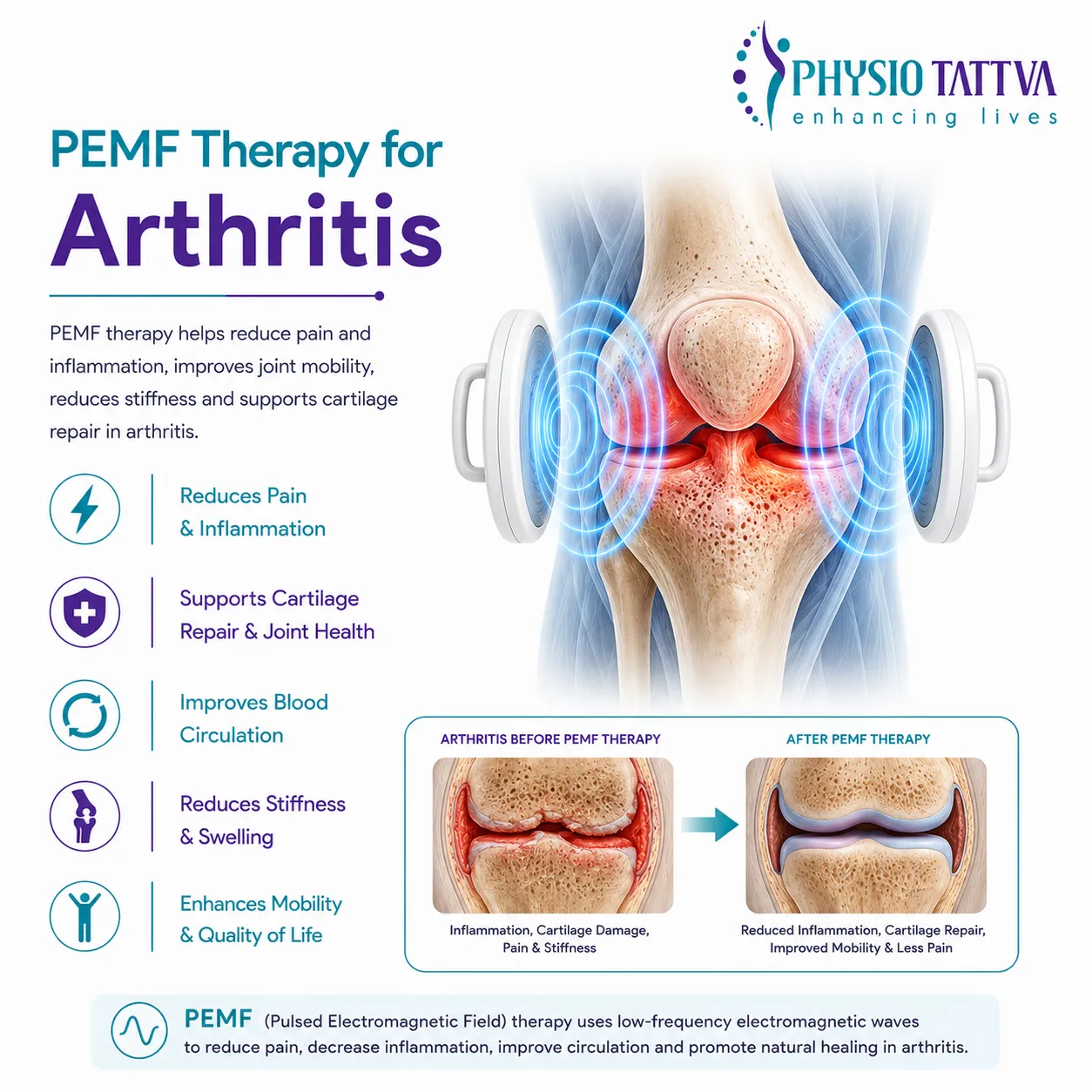
How Does PEMF Theoretically Work for Arthritis?
When applied to arthritic joints, PEMF is believed to influence the body in several ways to alleviate symptoms:
- Reduces Inflammation: PEMF may help modulate the inflammatory response by decreasing the production of pro-inflammatory chemicals (cytokines) and increasing anti-inflammatory ones. This is a primary driver of pain and joint damage in both osteoarthritis and rheumatoid arthritis.
- Enhances Circulation: The electromagnetic pulses can improve blood flow and microcirculation to the affected joint. Increased blood flow delivers more oxygen and nutrients essential for tissue repair while more efficiently removing metabolic waste products.
- Stimulates Cartilage Repair: Some studies suggest that PEMF can stimulate chondrocytes, the cells responsible for producing and maintaining cartilage. This could potentially slow the degradation of cartilage seen in osteoarthritis.
- Pain Relief (Analgesic Effect): PEMF therapy may help block pain signals from reaching the brain and stimulate the release of endorphins, the body's natural painkillers.
- Restores Cellular Function: Proponents claim that unhealthy or damaged cells have a lower electrical charge. PEMF is thought to help restore the optimal "membrane potential" of cells, improving their ability to function, repair, and regenerate.
The Scientific Evidence: What Do Studies Say?
The effectiveness of PEMF therapy for arthritis is a subject of ongoing research, with results varying based on the type of arthritis and the specific PEMF device parameters (frequency, intensity, duration).
- For Osteoarthritis (OA):
- This is the area with the most promising research.
- Several systematic reviews and meta-analyses have concluded that PEMF therapy can provide a significant reduction in pain and improvement in physical function for patients with knee osteoarthritis.
- The effects are often most notable for pain relief, but some studies also show improvements in stiffness and overall mobility.
- The evidence suggests it is a safe and viable complementary treatment for OA, particularly of the knee.
- For Rheumatoid Arthritis (RA):
- Rheumatoid arthritis is an autoimmune disease, which makes it fundamentally different from the "wear-and-tear" of OA.
- The evidence for PEMF in treating RA is weaker and less conclusive.
- While some small studies have shown potential benefits in reducing pain and morning stiffness, PEMF does not treat the underlying autoimmune cause of the disease.
- It should only be considered a supportive therapy to help manage symptoms alongside conventional medical treatments (like DMARDs or biologics), not as a replacement.
Overall Conclusion on Evidence: PEMF shows moderate to strong evidence for symptomatic relief in osteoarthritis, but the evidence is much weaker for rheumatoid arthritis. It is not considered a "cure" for any form of arthritis.
Benefits and Potential Advantages of PEMF for Arthritis
When used appropriately, PEMF therapy provides the following potential advantages for arthritis management:
- Non-Invasive: No needles, surgery, or medication is required.
- Safe with Minimal Side Effects: Most users report no side effects. The most common are a mild tingling sensation or a temporary increase in pain as circulation improves.
- Reduces Reliance on Medication: For some, successful PEMF therapy may reduce the need for NSAIDs or other pain medications, which can have significant side effects.
- Convenience of Home Use: Many PEMF devices are designed for at-home use, allowing for consistent and convenient treatment sessions.
- Complements Other Treatments: It can be safely used alongside physical therapy, medication, and lifestyle changes.
Risks, Limitations, and Contraindications of PEMF Therapy
While PEMF therapy is generally considered safe, it may not be suitable for everyone. Understanding who should avoid this treatment and its practical limitations is essential before starting therapy.
Contraindications (Do NOT use if you have): Certain medical conditions require avoiding PEMF therapy altogether, including:
- An implanted electronic device: Such as a pacemaker, cochlear implant, or defibrillator.
- Pregnancy: The effects on a developing fetus are unknown.
- Organ Transplant: Due to the potential to affect the immune system.
- An active bleeding issue.
- Epilepsy: Certain frequencies could potentially trigger a seizure.
Limitations: In addition to contraindications, PEMF therapy has some practical and clinical limitations:
- Cost: Medical-grade PEMF devices can be expensive, ranging from several hundred to many thousands of dollars.
- Regulation: In many countries, consumer PEMF devices are sold as "wellness devices," not medical devices, meaning they have not undergone rigorous FDA approval for treating specific conditions like arthritis.
- Variability: Devices differ greatly in intensity, frequency, and waveform. The effectiveness of one device does not guarantee the effectiveness of another.
- Consistency is Key: PEMF is not a one-time fix. It requires consistent, often daily, use over weeks or months to see benefits.
How to Choose and Use a PEMF Device for Arthritis
To use PEMF therapy safely and effectively for arthritis, keep the following points in mind:
- Consult Your Doctor: Always discuss using PEMF with your healthcare provider to ensure it's safe for you and won't interfere with other treatments.
- Targeted vs. Full Body: For localized arthritis (like in a knee or hand), a smaller, targeted device (pad, ring, or cuff) may be sufficient. For widespread arthritis, a full-body mat might be more beneficial.
- Research the Brand and Parameters: Look for reputable companies that are transparent about their device's frequency (Hz), intensity (Gauss), and waveform (e.g., sine, square). Low-frequency and low-intensity systems are most common and well-researched for therapeutic use.
- Follow a Protocol: Start with shorter sessions (e.g., 15-20 minutes) once or twice a day and gradually increase as needed, following the manufacturer's recommendations.
Supporting Arthritis Management with PEMF Therapy | Physiotattva
Pulsed electromagnetic field (PEMF) therapy offers a non-invasive and supportive option for managing arthritis symptoms, particularly pain, stiffness, and reduced joint function commonly seen in osteoarthritis. While it is not a curative treatment, its favourable safety profile and growing clinical evidence make it a valuable complementary approach.
As with any therapeutic intervention, an accurate assessment and guidance from a healthcare professional are essential to determine whether PEMF therapy is appropriate for your condition and to ensure it is used effectively as part of a comprehensive arthritis management plan.
At Physiotattva physiotherapy clinics in Bangalore and Hyderabad, you receive personalised care tailored to your specific needs, ensuring effective results and comfort throughout your journey to recovery.
Don’t wait to start your recovery! Get in touch with Physiotattva for more details! Contact us at +91 89510 47001.
Why Physiotattva?
22+
50,000+
95%
200+
25+
4.8
Cities We Serve

Bangalore
At Physio Tattva, we are committed to bring access to quality physio care through ultra-modern clinics and high-skilled practitioners to all.
.webp)
Hyderabad
At Physio Tattva, we are committed to bring access to quality physio care through ultra-modern clinics and high-skilled practitioners to all.
.webp)
Vishakhapatnam
At Physio Tattva, we are committed to bring access to quality physio care through ultra-modern clinics and high-skilled practitioners to all.
Core Treatments
Core Conditions
Core Symptoms
Frequently Asked Questions
Is PEMF therapy painful or safe for arthritis?

How many PEMF sessions will I need for my arthritis?
Can PEMF therapy cure my arthritis?
Is PEMF therapy effective for both osteoarthritis and rheumatoid arthritis?
Can I use a PEMF device at home?






%20(1)-p-3200.jpeg)


.jpg)
.webp)
.webp)
.webp)