




Cold Therapy (Cryotherapy)
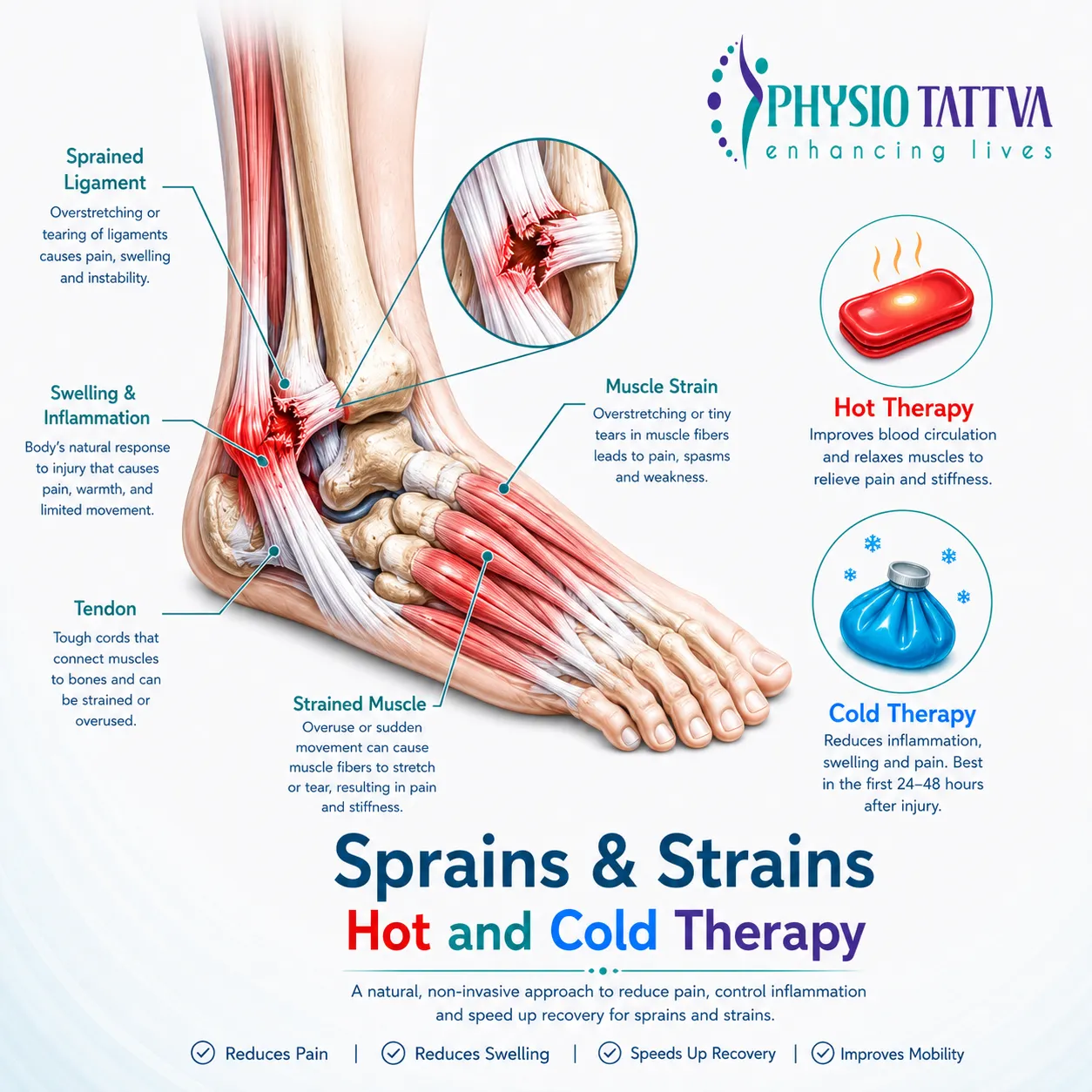
Cold therapy is your go-to solution in the first 48–72 hours after an injury. It helps control inflammation, manage pain, and prevent further damage in the early healing phase.
What It Does?
Cold therapy works by causing vasoconstriction, or narrowing of the blood vessels. This response limits the body’s inflammatory process and numbs the affected area for fast relief.
- Reduces Swelling: By limiting blood flow to the injured area, it prevents excess fluid from accumulating.
- Decreases Inflammation: Slows down the inflammatory response.
- Numbs Pain: Acts as a local anesthetic by slowing down nerve signals.
- Minimizes Bruising: Reduces bleeding within the tissues.
When to Use Cold Therapy?
Use cold therapy during the acute phase of an injury, which is typically the first 48-72 hours.
Use cold for:
- A newly sprained ankle, wrist, or knee.
- A freshly pulled muscle (e.g., hamstring, back strain).
- Any injury accompanied by visible swelling, redness, and sharp pain.
- After an activity that aggravates a chronic injury and causes a flare-up of swelling.
How to Apply Cold Therapy: The RICE Method?
RICE method is the gold standard for managing acute injuries in the early phase. It combines rest with cold therapy and other key steps to minimise swelling and promote healing.
- R - Rest: Avoid using the injured joint or muscle.
- I - Ice: Apply cold for 15-20 minutes at a time, every 2-3 hours.
- C - Compression: Wrap the area with an elastic bandage (like an ACE wrap) to help reduce swelling. Ensure it's snug but not cutting off circulation.
- E - Elevation: Keep the injured body part raised above the level of your heart to help drain fluid away from the area.
Important Precaution: Never apply ice or a cold pack directly to the skin. Always wrap it in a thin towel or cloth to prevent frostbite or skin damage.
Hot Therapy (Thermotherapy)
Once the initial inflammation phase (usually the first 48–72 hours) has passed, hot therapy becomes useful for ongoing recovery. Applying heat can ease lingering soreness, reduce stiffness, and improve blood flow—especially in sub-acute or chronic stages of sprains and strains. This phase is where heat can truly support healing and comfort.
What It Does?
Applying heat to the body initiates vasodilation, the widening of blood vessels, which enhances circulation and improves healing. Here’s what this process does:
- Boosts Blood Flow: Improves circulation to the injured area, increasing the delivery of oxygen and nutrients needed for tissue repair.
- Relaxes Tight Muscles: Eases muscle tension and reduces stiffness, making movement more comfortable.
- Eases Chronic Pain: Helps relieve persistent, dull aches often associated with old injuries or joint stiffness.
When to Use Hot Therapy?
Use hot therapy in the sub-acute or chronic phase of an injury, typically after 72 hours.
Use heat for:
- Lingering muscle soreness and stiffness.
- Chronic joint pain (when there is no acute swelling).
- Warming up stiff muscles before gentle stretching or light activity.
- Muscle spasms or trigger points.
Warning: Do NOT apply heat to a new injury with significant swelling. It will increase blood flow and make the swelling and inflammation worse.
How to Apply Hot Therapy?
Once you decide to use heat therapy for relief, it’s important to apply it correctly for safe and effective results. Here’s how to do it properly:
- Apply a heat source for 15–20 minutes at a time.
- You can use a dry heating pad, a moist heat pack, a warm-water‑soaked towel, or a hot water bottle to gently warm the area.
- Taking a warm bath or shower can also be effective, especially for back or neck strains. Adding Epsom salts may further enhance muscle relaxation.
Important Precaution: The heat should feel comfortably warm, never painfully hot. Protect your skin with a towel to avoid burns, and never fall asleep with a heating pad on.
What is Contrast Therapy?
Contrast therapy is a post-acute recovery method that involves alternating between heat and cold applications to stimulate healing. After the initial 72 hours following an injury, when swelling has stabilised, some people find success with this technique. The alternating temperatures create a “pumping” action in the blood vessels, which encourages vasodilation (expansion) and vasoconstriction (narrowing). This process helps flush out residual inflammation, improves circulation, and brings fresh oxygenated blood to the injured area.
How to do it: Apply heat (such as a warm compress or heating pad) to the affected area for 3 to 4 minutes, then immediately switch to a cold pack for 1 minute. Repeat this cycle 4–5 times, always ending with cold. This ensures that any new inflammation triggered by the heat is tempered by the cold at the end.
Contrast therapy is particularly useful for chronic injuries, muscle tightness, and post-workout recovery, but should be avoided during the initial acute injury phase.
When to See a Doctor for Sprain and Strain?
While hot and cold therapy, rest, and dry needling can effectively manage mild sprains and strains, some symptoms indicate a more serious injury requiring professional medical evaluation. You should consult a doctor or physiotherapist if you experience:
- A “popping” sound or sensation at the time of injury
- Inability to bear weight or move the injured limb
- Visible deformity or dislocation of a joint or bone
- Severe swelling or pain that doesn’t improve with rest and home care
- Persistent numbness, tingling, or weakness around the injury site
Early diagnosis and care are crucial for preventing long-term complications and ensuring full recovery.
From Injury to Healing, Trust the Experts at Physiotattva
If you've recently suffered a sprain or strain, knowing when to use hot or cold therapy can make a significant difference in your healing journey. Start with cold therapy in the first 48–72 hours to manage swelling and inflammation. As the pain subsides and stiffness sets in, hot therapy can help restore mobility and ease chronic discomfort. For long-term relief or post-exercise recovery, contrast therapy offers added circulatory benefits. Always listen to your body and consult a physiotherapist if symptoms persist or worsen. Timely care leads to faster, safer recovery and prevents long-term complications.
At Physiotattva physiotherapy clinics in Bangalore and Hyderabad, you receive personalised care tailored to your specific needs, ensuring effective results and comfort throughout your journey to recovery.
Don’t wait to start your recovery! Get in touch with Physiotattva for more details! Contact us at +91 89510 47001.
Why Physiotattva?
22+
50,000+
95%
200+
25+
4.8
Cities We Serve

Bangalore
At Physio Tattva, we are committed to bring access to quality physio care through ultra-modern clinics and high-skilled practitioners to all.
.webp)
Hyderabad
At Physio Tattva, we are committed to bring access to quality physio care through ultra-modern clinics and high-skilled practitioners to all.
.webp)
Vishakhapatnam
At Physio Tattva, we are committed to bring access to quality physio care through ultra-modern clinics and high-skilled practitioners to all.
Core Treatments
Core Conditions
Core Symptoms
Frequently Asked Questions
Should I use hot or cold therapy immediately after a sprain or strain?

When is it appropriate to switch from cold therapy to hot therapy?
How long should I apply ice or heat to my injury?
What is the difference between a sprain and a strain?
When should I see a doctor for a sprain or strain?





%20(1)-p-3200.jpeg)


.jpg)
.webp)
.webp)
.webp)