

Service
Post Surgery Rehabilitation
Post-surgery rehabilitation is a program of re-establishing proper joint movements, muscle-strengths around the joint and joint function.
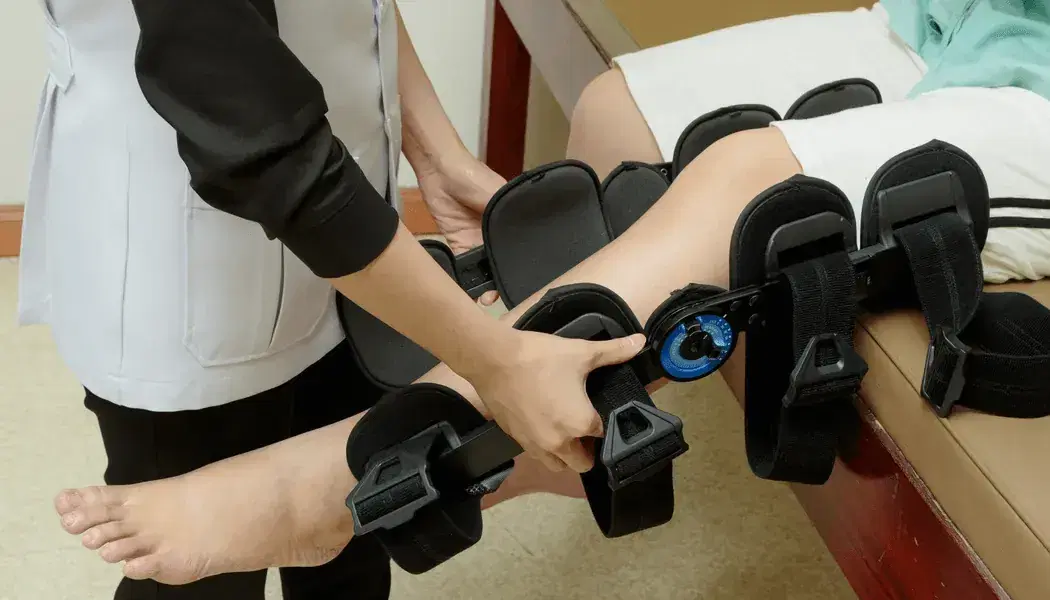
What is Post Surgery Rehabilitation?
Post-surgery rehabilitation is a program of re-establishing proper joint movements, muscle strength around the joint and joint function. It is vital to understand that rehabilitation is one long procedure. Even though surgery can be performed within hours, the rehabilitation will need months and even a year. The difference between the surgery’s length and time needed for Post-surgery rehabilitation is huge.
Whenever a patient undergoes cartilage surgery or the shoulder, ankle or knee, it is going to be a long recovery procedure. So, it is vital that the patient remains committed to the entire procedure. However, the timeframe of a year for recovering is just an example. The actual time frame will depend on various factors.
Types of Post-Surgery Rehabilitation
Primarily speaking, there are three major types of post surgery rehabilitation therapies available, and those are speech, physical and occupational. Each rehabilitation form will serve the unique purpose of helping people to reach full recovery. But, all will share the main common goal of helping patients to return to their active and healthy lifestyles.
Rehabilitation therapy will be used for treating wide ranges of conditions or injuries. Common conditions treated will include musculoskeletal and orthopedic injuries like stairs, sprains, tears, or post-surgical rehabilitation. Then you have other neurological injuries like spinal cord or brain injury, stroke, or multi-trauma injuries as a result of the accident.
Reputed physiotherapists will also treat the most common conditions like degenerative diseases, genetic disorders, and specialised conditions too. They will treat patients of all ages, from newborns to the oldest patient.
The goal of post surgery rehabilitation in Bangalore or post surgery rehabilitation in Hyderabad will vary from one person to another. Physiotherapists will ask every patient about their rehabilitation goals first before developing pain. It might include multiple therapy types like music or recreational, speech, physical or occupational. It might even include various treatment techniques like manual therapy, therapeutic exercise, modalities for pain relief, neurological re-education, and more as some of the treatment strategies.
When to See A Physiotherapist
Post surgery rehabilitation is vital for patients who are undergoing surgeries related to cancer, cardiac, orthopedic, and other critical surgeries. Using a wide range of exercises, physiotherapists will help the patients to regain strength and movement of the muscle to perform some routine tasks whenever possible. Physical exercises like straight leg raise, knee straightening exercises, ankle pumps, quadriceps sets, and more are highly recommended to help patients in re-establishing the joint motion, the strength of the muscle, flexibility, and full joint movement.
Some advanced exercises like assisted knee bends and standing knee bends are highly recommended for building functionality and optimal strength when the patient regains independence for a shorter distance.
Risks in Post-Surgery Recovery:
Post surgery recovery involves certain risks to reduce the speed of recovery. Learning about those points beforehand will help you to get rid of issues in no time.
- Primary hemorrhage or reactionary hemorrhage – replacing blood loss and might have to re-explore the wound.
- Basal atelectasis or minor lung collapse
- Shock- resulting in pulmonary embolism or septicemia, acute myocardial infarction, blood loss
- Lower urine output or inadequate fluid replacement after the surgery took place
- Acute confusion excluding sepsis and dehydration
- Vomiting and nausea tendency related to anesthesia
- Fever
- Secondary hemorrhage as a result of infection
- Pneumonia
- Anastomosis or wound dehiscence
- DVT
- Accurate urinary retention
- Urinary tract infection
- Postoperative wound infection
- Pressure sores
- How to Prevent Post-Surgery Rehabilitation
- Post-Surgery Rehabilitation Treatments
How to Prevent Post-Surgery Rehabilitation
Bone, muscle, and soft tissue-related surgeries will undergo a healing period. Failing to use the joint might cause it to heal in an improper manner. This can further limit the motion range, joint function, flexibility, and overall outcome of the surgery. So, it is always essential to complete physical therapy after the operation. It helps in speeding up the healing process and regains confidence once again.
Post-Surgery Rehabilitation Treatments
You can either opt for inpatient or outpatient post surgery rehabilitation in Bangalore or post surgery rehabilitation in Hyderabad. First, it is vital to define the difference between these two therapies. Inpatient rehabilitation refers to therapy or treatment that patients receive in the clinic or hospital before being discharged. For example, a patient who has gone through amputation, stroke, suffer a brain injury, or has experienced spinal cord injury will need inpatient therapy for recovering to a point where they can go home safely.
On the other hand, outpatient rehabilitation therapy means treatment received when not admitted to a clinic or hospital. Outpatient therapy will present a blend of services from speech pathologists to psychologists, physical therapists, or occupational therapists. The outpatient services are perfect for wide ranges of conditions like neck and back pain, cancer, psychological disorders, neurological disorders, pre-and post-natal issues, to name a few.
Related Conditions
The post surgery rehabilitation in Bangalore or the post surgery rehabilitation in Hyderabad aims to reinstate lost mobility in the body after a surgical procedure took place through some exercises and sessions. The conditions that can be treated by the best physiotherapists will include total hip replacement, total knee replacement, and spine surgeries. Proper rehabilitation will build muscle strength and improve the posture and balance of the body. It is one proven way to reduce pain with multiple manual therapies, which is vital for strengthening disused and weakened muscles.
Watch
Super Inductive System (SIS) for Low Back Pain - Physiotattva
Super Inductive System (SIS), the technology based on high intensity electromagnetic field, a perfect treatment of the painful conditions of the neuromuscular and joint-skeletal system.
Answers
Frequently asked questions
From the blog
Related reading
 Back Pain29 August 2022
Back pain can last from a few days to many weeks, causing you to take time away from pursuing an active lifestyle. Over the years, you may even face recurrent episodes, as you are more likely to get back pain if you had it in the past.
 Back Pain17 June 2026
A physical therapist diagnoses your lower back pain and suggests a personalised treatment approach that gives you satisfactory relief from pain.
 Back Pain17 June 2026
Upper left back and shoulder pain can often feel mysterious, with discomfort ranging from a dull ache to a sharp, stabbing sensation, sometimes even mimicking symptoms of deeper medical issues like heart or lung conditions. Whether caused by poor posture, muscular strain, disc issues, or referred pain, understanding the why behind your symptoms is the first step toward effective relief. Physiotherapy plays a crucial role in addressing both the root cause and the discomfort itself through personalised, non-invasive care. Don’t wait for the pain to worsen, book a session with a Physiotattva expert today and take the first step toward a pain-free back and better quality of life.
Start with an assessment
We measure what you've lost, find the cause, and set out a plan with a target and a timeline.
- Call us+91 89510 47001
- Email usinfo@physiotattva.com
- Visit a clinic23 clinics across Bangalore, Hyderabad and Visakhapatnam
- Or stay homePhysiotherapy at home