




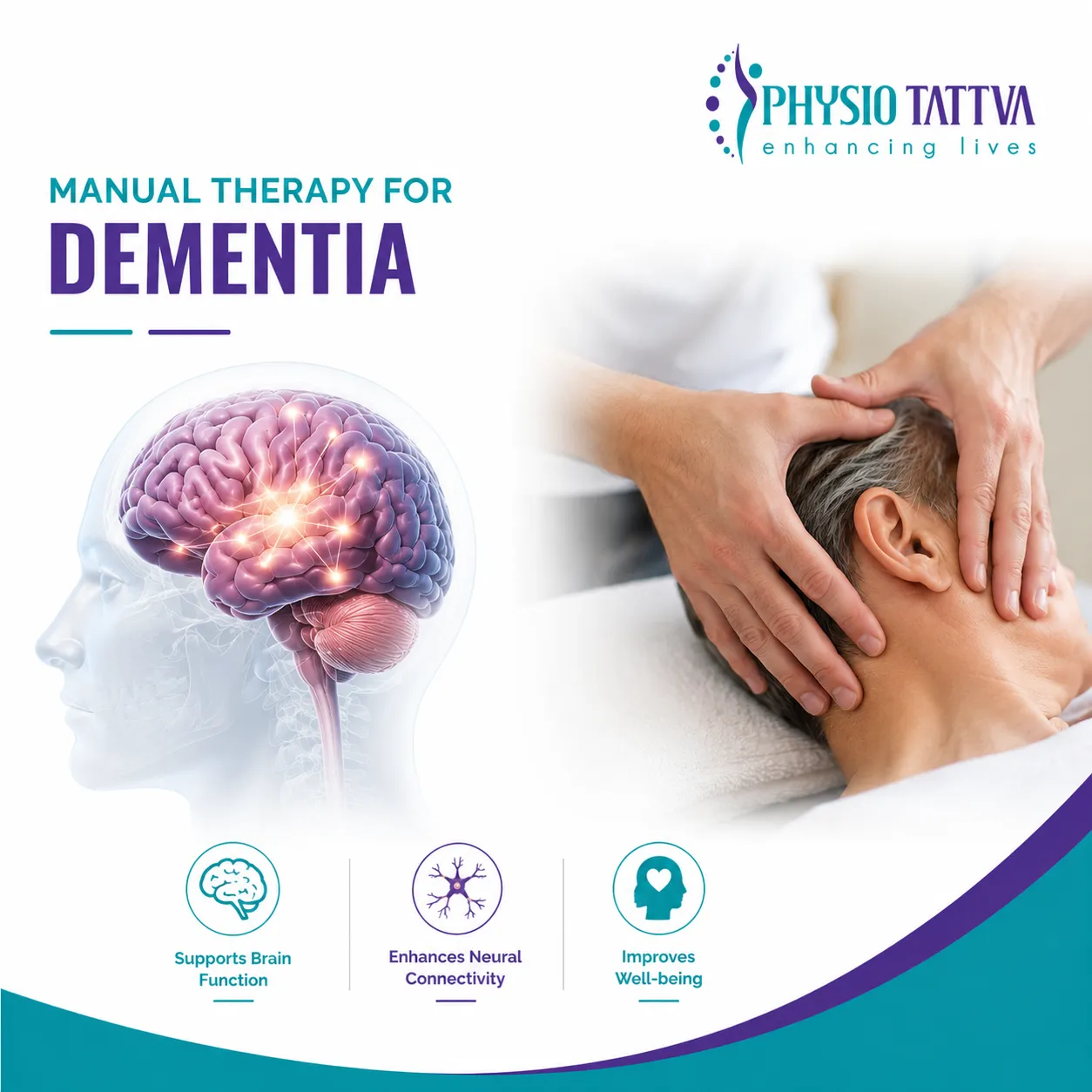
Manual therapy for dementia is a non-pharmacological, supportive treatment that uses hands-on techniques to improve physical function, manage behavioral symptoms, and enhance the overall quality of life for individuals with dementia. It is not a cure for the cognitive decline associated with dementia but is a powerful tool for addressing the secondary physical and psychological challenges of the disease. The primary goals are to reduce pain, decrease agitation, improve mobility, and provide comfort and human connection through therapeutic touch.
Key Concepts in Manual Therapy and Dementia Care
To understand how manual therapy supports individuals living with dementia, it is helpful to first clarify the key concepts involved. Manual therapy and dementia care intersect in a person-centred approach that focuses on improving physical comfort, movement, and emotional well-being through skilled therapeutic touch.
- Manual Therapy: A clinical approach utilizing skilled, hands-on techniques, including but not limited to massage, mobilization, and stretching of soft tissues and joints. It is typically performed by physical therapists, occupational therapists, chiropractors, and licensed massage therapists.
- Dementia: An umbrella term for a range of progressive neurological disorders that affect the brain, leading to a decline in cognitive function (memory, thinking, language) severe enough to interfere with daily life. Common symptoms also include behavioral changes (agitation, anxiety, depression) and physical decline (impaired mobility, stiffness, balance issues).
The intersection of these two fields focuses on using touch and movement to manage the holistic, non-cognitive symptoms of dementia.
Key Benefits of Manual Therapy for Dementia Patients
Manual therapy offers multi-dimensional benefits for individuals living with dementia. Its impact goes beyond physical comfort, supporting emotional regulation and meaningful human connection. These benefits are commonly grouped into three interconnected areas: physical, psychological, behavioural, and relational.
Physical Benefits
Manual therapy helps address the physical limitations commonly seen in dementia, especially those related to reduced movement, muscle tightness, and pain that may go unexpressed.
- Reduced Pain and Stiffness: Dementia often limits movement, leading to joint stiffness, muscle tightness, and chronic pain that individuals may struggle to communicate verbally. Gentle mobilization and massage help ease discomfort and improve physical comfort.
- Improved Mobility and Function: Hands-on techniques support joint flexibility and muscle movement, making daily activities such as dressing, walking, or transferring from bed to chair easier and safer.
- Decreased Fall Risk: By improving balance, muscle activation, and proprioception (the body’s awareness of position and movement), manual therapy can help reduce the risk of falls.
- Improved Circulation: Gentle massage and movement stimulate blood flow, supporting tissue health and reducing the effects of prolonged inactivity or sedentary behaviour.
Psychological and Behavioural Benefits
Beyond physical effects, manual therapy can play an important role in calming the nervous system and supporting emotional well-being in people with dementia.
- Reduced Agitation and Anxiety: Therapeutic touch can lower stress hormones such as cortisol while increasing calming neurochemicals like endorphins and oxytocin, helping reduce restlessness, agitation, and anxiety.
- Improved Mood and Reduced Depression: Relief from pain and physical discomfort often leads to better mood and emotional stability, helping counter apathy and depressive symptoms common in dementia.
- Better Sleep Patterns: By easing discomfort and promoting relaxation, especially when provided later in the day, manual therapy may help improve sleep quality and regulate sleep–wake cycles.
Relational and Communication Benefits
As communication abilities change, manual therapy supports connection through respectful touch and consistent human interaction.
- Non-Verbal Communication: When verbal skills decline, therapeutic touch becomes a powerful way to communicate safety, reassurance, and care without relying on words.
- Building Trust and Connection: Regular sessions with a trained therapist help establish familiarity and trust, providing a sense of security and positive human engagement.
Types of Manual Therapy Used for Dementia
Manual therapy for dementia is always adapted to the individual’s comfort level, cognitive stage, and physical needs. Techniques are gentle, non-invasive, and designed to promote relaxation, mobility, and a sense of safety rather than forceful correction or manipulation.
- Gentle Massage Therapy: Often Swedish-style or simple effleurage (long, gliding strokes). Hand and foot massages are particularly effective as they are less intrusive and highly calming.
- Passive Range of Motion (PROM): The therapist gently moves the patient’s joints (e.g., shoulders, hips, knees) through their available range of motion to prevent stiffness and contractures.
- Joint Mobilisation: Slow, gentle, small-amplitude movements applied to joints to reduce stiffness and pain. This is different from high-velocity chiropractic adjustments, which are generally not appropriate.
- Myofascial Release: Gentle, sustained pressure on soft tissue restrictions to restore motion and alleviate pain.
- Craniosacral Therapy: An extremely gentle approach that focuses on the membranes and fluid surrounding the brain and spinal cord, intended to calm the central nervous system.
Key Considerations for Safe Manual Therapy in Dementia
Manual therapy for individuals living with dementia must be delivered with heightened sensitivity, clinical judgement, and specialised training. Because cognitive, emotional, and sensory responses can vary widely, therapy should always prioritise comfort, safety, and the person’s moment-to-moment response.
- Consent is Paramount: The therapist must be skilled at reading non-verbal cues. If the person pulls away, flinches, or shows signs of distress, the treatment must be modified or stopped.
- Qualified Practitioner: Seek a therapist (PT, OT, LMT) with specific training and experience in geriatric care and/or dementia.
- Calm Environment: Sessions should occur in a quiet, familiar, and calm environment to prevent overstimulation.
- Short Sessions: Attention spans may be short. Shorter, more frequent sessions (15-30 minutes) are often more effective than longer ones.
- Simple Communication: The therapist should use a calm tone, simple language, and explain what they are doing before they do it.
- Holistic Approach: Manual therapy is most effective as part of an integrated care plan that includes medical management, social engagement, and other non-pharmacological strategies.
Expert Manual Therapy for Dementia Support at Physiotattva
Manual therapy for dementia offers a compassionate, non-pharmacological approach to supporting individuals through the physical, emotional, and behavioural challenges of the condition. By focusing on comfort, mobility, and meaningful human connection, it helps improve quality of life while respecting each person’s abilities and responses. When delivered by trained professionals as part of a person-centred care plan, manual therapy can play a valuable role in promoting safety, calm, and dignity for people living with dementia.
At Physiotattva physiotherapy clinics in Bangalore, Hyderabad and Vizag you receive personalised care tailored to your specific needs, ensuring effective results and comfort throughout your journey to recovery.
Don’t wait to start your recovery! Get in touch with Physiotattva for more details! Contact us at +91 89510 47001.
Why Physiotattva?
22+
50,000+
95%
200+
25+
4.8
Cities We Serve

Bangalore
At Physio Tattva, we are committed to bring access to quality physio care through ultra-modern clinics and high-skilled practitioners to all.
.webp)
Hyderabad
At Physio Tattva, we are committed to bring access to quality physio care through ultra-modern clinics and high-skilled practitioners to all.
.webp)
Vishakhapatnam
At Physio Tattva, we are committed to bring access to quality physio care through ultra-modern clinics and high-skilled practitioners to all.
Core Treatments
Core Conditions
Core Symptoms
Frequently Asked Questions
Is manual therapy safe for people living with dementia?

Can manual therapy slow or reverse dementia?
How long are manual therapy sessions for dementia patients?
Who should provide manual therapy for dementia?






%20(1)-p-3200.jpeg)


.jpg)
.webp)
.webp)
.webp)