


Cupping Therapy
Cupping Therapy for Foot Pain
Relieve foot pain with cupping therapy at Physiotattva. Whether it's plantar fasciitis, heel pain, or general foot fatigue, our cupping therapy helps improve circulation, reduce inflammation, and release tension. This safe and effective treatment provides fast relief, allowing you to return to daily activities pain-free. Book your cupping therapy session today!
Cupping therapy is a specialised physiotherapy technique used to help manage foot pain, reduce muscle tension, and improve mobility. By applying suction cups to specific areas on the feet and calves, this therapy improves blood circulation and supports the recovery of soft tissues, offering relief from discomfort caused by various common foot conditions.
What Causes Foot Pain and How It Affects Mobility?
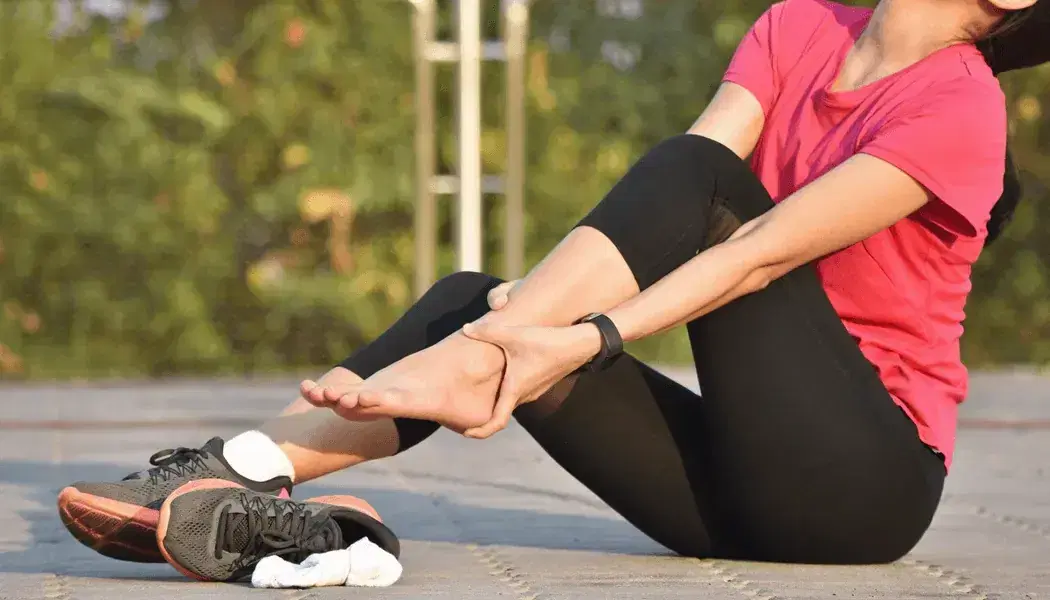
Foot pain is any discomfort in the foot caused by inflammation, muscle strain, ligament or tendon injury, or joint dysfunction. It can significantly impact daily activities by making it painful to walk, stand, or bear weight.
- Common Causes: Overuse from sports, standing for long periods, improper footwear, acute injuries, or underlying structural issues.
Symptoms Associated with Foot Pain
Foot conditions can present with a range of symptoms that limit your movement and comfort. Recognising these signs is the first step toward finding the right treatment.
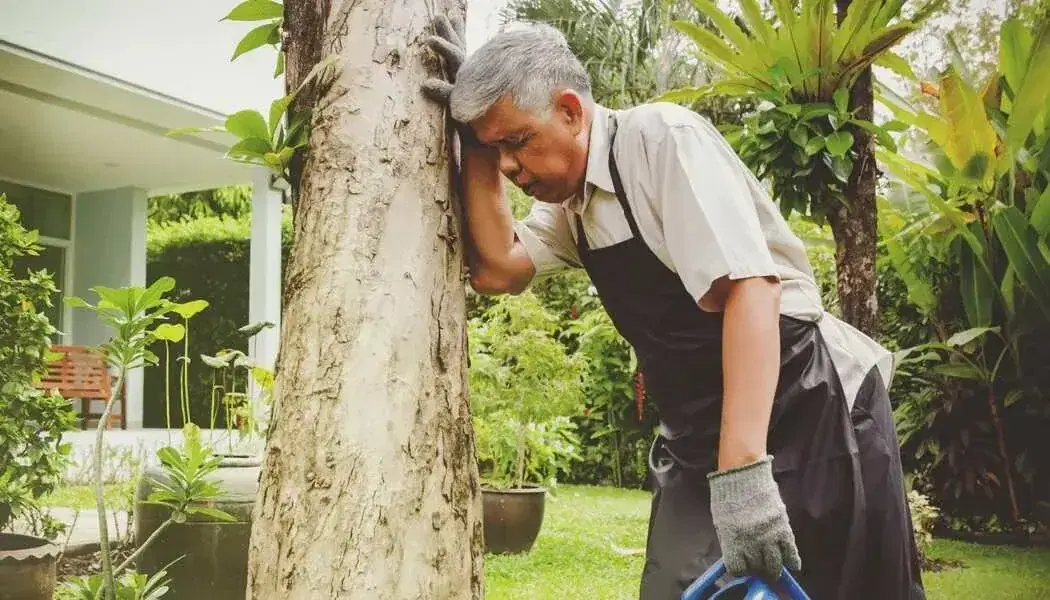
- Sharp pain in the heel, especially in the morning
- Aching or discomfort in the arch of the foot
- Swelling and tenderness
- Stiffness that makes walking difficult
- A burning sensation or numbness
- Pain in the ball of the foot when standing or walking
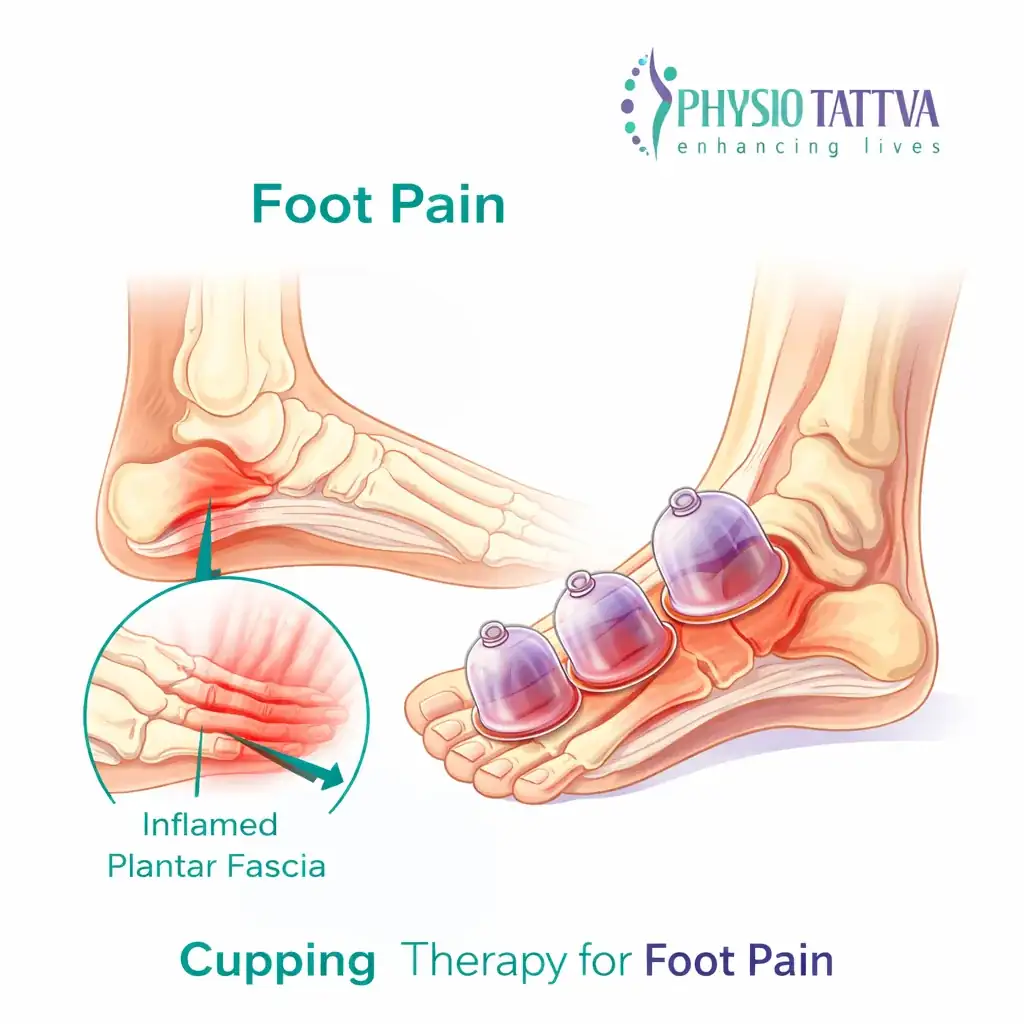
What Is Cupping Therapy for Foot Pain Treatment?
Cupping therapy for foot pain is a non-invasive physiotherapy method where suction cups are placed on the skin of the foot and lower leg. This suction creates a vacuum that lifts the underlying soft tissue, helping to decompress muscles and fascia, improve blood flow, and reduce pain.
How Cupping Therapy Helps Relieve Foot Pain?
Cupping targets the source of foot pain by creating negative pressure, which assists in reducing muscular tension, enhancing circulation, and supporting the body's natural healing processes in the muscles and connective tissues of the foot.
Myofascial Decompression of Foot Tissues
- The suction gently lifts the skin and fascia (the connective tissue surrounding muscles).
- This lifting action can help release tightness and adhesions in the fascia of the foot and calf.
- It may help reduce stiffness and improve the flexibility of foot muscles.
Improved Blood Circulation in the Foot
- The vacuum effect draws blood to the treated area.
- Increased circulation delivers more oxygen and essential nutrients to injured or painful tissues.
- This process helps accelerate tissue recovery and reduce inflammation.
Foot Conditions That May Benefit from Cupping Therapy
Cupping therapy can be integrated into treatment plans for several common musculoskeletal conditions that cause foot pain.
- Plantar Fasciitis: May help relieve tension in the plantar fascia and calf muscles, reducing heel pain.
- Achilles Tendonitis: Can assist in reducing strain and tightness in the calf muscles that pull on the Achilles tendon.
- Metatarsalgia: Helps relieve pressure and deep muscle tension in the ball of the foot.
- Arch Pain and Foot Fatigue: Improves circulation and relaxes tight muscles, helping to soothe general foot fatigue and arch discomfort.
What to Expect During a Cupping Therapy Session for Foot Pain?
Your session at Physiotattva is designed for safety and therapeutic benefit. A trained physiotherapist will guide you through each step.
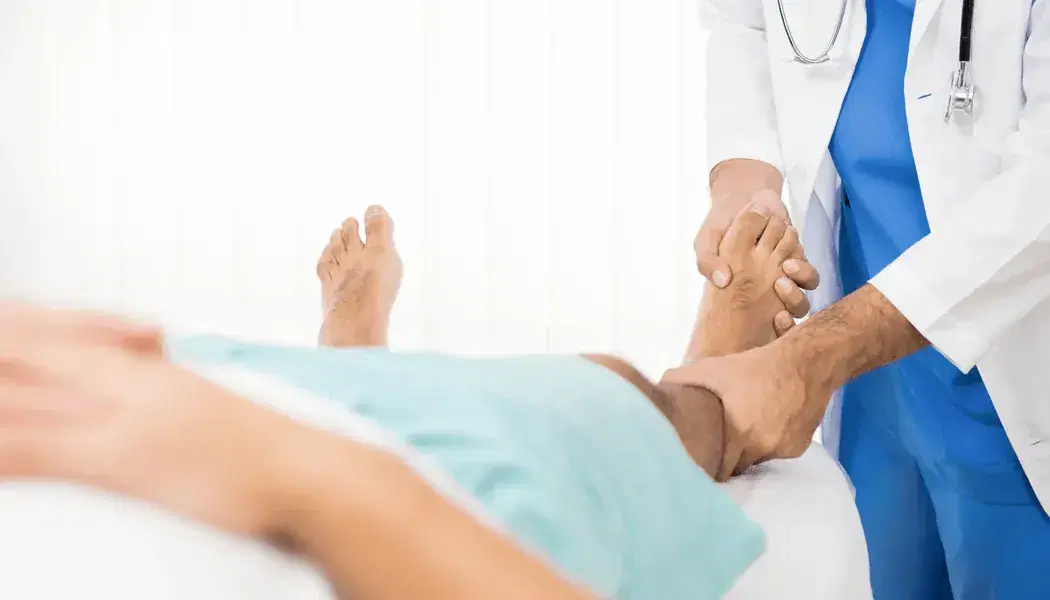
- Assessment: Your therapist examines your foot to identify key areas of pain and tension.
- Preparation: A lotion or oil is applied to the skin to ensure a good seal and easy movement of the cups.
- Cup Placement: Sterile cups are placed on specific points on your sole, heel, or calf.
- Suction: A gentle suction is created, lifting the skin into the cup.
- Treatment: The cups may be left in place (static) or moved gently over the area (dynamic).
- Removal: After 5-10 minutes, the cups are carefully removed, completing the session.
Aftercare Tips Following Cupping Therapy
To maximise the benefits of your session, follow these simple post-treatment recommendations.
- Keep the treated area covered and warm.
- Drink plenty of water to help flush out metabolic waste.
- Avoid strenuous exercise or excessive strain on your feet for 24 hours.
- Perform gentle stretches as recommended by your physiotherapist.
Risks and Safety Considerations for Foot Cupping
Cupping therapy is generally safe when performed by a qualified physiotherapist. However, some factors should be considered.
- Common Effects: Mild soreness and circular marks (bruises) are common and usually fade within a week.
- Who Should Avoid It: This therapy may not be suitable for individuals with open wounds, skin infections, bleeding disorders, or those taking blood-thinning medication. Always inform your therapist of your complete medical history.
Why Choose Physiotattva for Cupping Therapy for Foot Pain?
At Physiotattva, cupping therapy is more than just a single treatment. It is thoughtfully integrated into a comprehensive and personalised physiotherapy plan designed to address the root cause of your foot pain and restore your mobility.
- Expert Therapists: Our team consists of highly trained and certified physiotherapists.
- Personalised Plans: We create treatment programs tailored to your specific condition and goals.
- Holistic Approach: We combine cupping with manual therapy, corrective exercises, and education for lasting results.
Answers
Frequently asked questions
Conditions
Related conditions
Symptoms
Related symptoms
Treatments
Related treatments
Therapies
Related therapies
 Foot Pain21 May 2026
Find relief from foot pain with our comprehensive guide to the most common causes of foot pain. Get the treatment you need to live pain-free.
 Foot Pain18 January 2026
Get a complete understanding of foot pain including types, causes, and treatments. Learn how to identify symptoms, manage pain, and improve foot health.
 Foot Pain30 October 2025
Discover the causes of foot and heel pain while walking and learn how to manage and reduce discomfort with our comprehensive guide. Get relief today!







Our team
Chiropractors

Book
Start with an assessment
We measure what you've lost, find the cause, and set out a plan with a target and a timeline.
- Call us+91 89510 47001
- Email usinfo@physiotattva.com
- Visit a clinic28 clinics across Bangalore, Hyderabad and Visakhapatnam
- Or stay homePhysiotherapy at home