
Various kinds of foot pain
Get a complete understanding of foot pain including types, causes, and treatments. Learn how to identify symptoms, manage pain, and improve foot health.

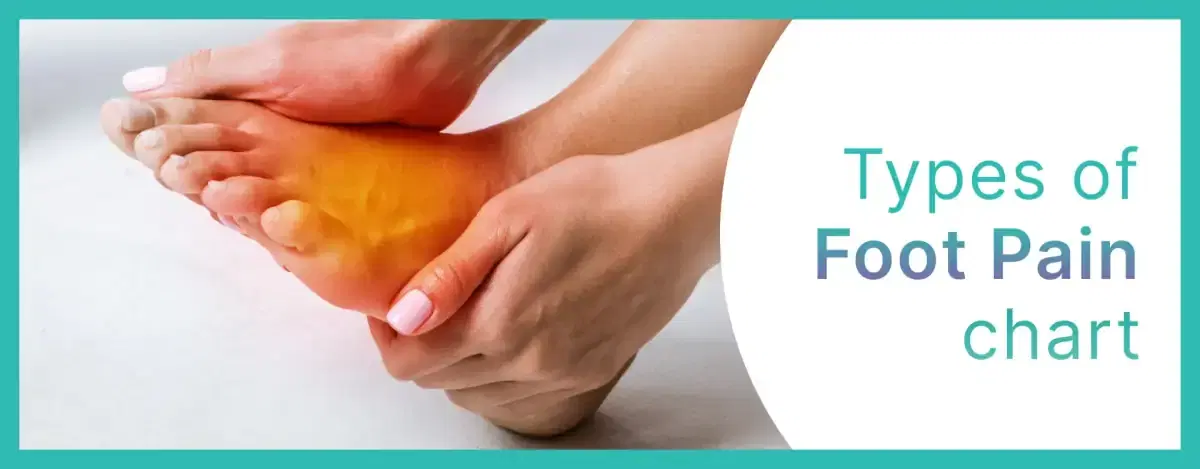
Foot pain is a prevalent ailment and is often ignored. This can result in serious health conditions if not diagnosed on time and create complications. A Foot Pain Chart helps people understand the types and degrees of pain and allows medical practitioners to chart out treatment and interventions.
A foot pain chart is a visual guide that helps to find the source of pain or discomfort in the foot. It typically displays an image of a foot with different areas labeled and color-coded to correspond to different types of foot pain.
Navigating Foot Pain Types
There are several types of foot pain, depending on various factors such as medical conditions, physical activities, lifestyle, etc. These can result in several causes and conditions of foot pain that need an accurate diagnosis.
Types of Heel Pain
The heel is one of the most common parts of the feet susceptible to pain. This is due to the range of activities the heels undergo and can result in pain and injury of the region's tendon, ligament, muscles, and nerves. Some of the most common heel pains are Plantar fasciitis, heel spurs, Achilles Tendinitis and Bursitis. These are characterised by pain in the toes, bony growth, and swelling in the bursae.
Types of Arthritis Foot Pain
Arthritis is the term used to describe the causes of inflammation and pain in the joints of the body, including those in the feet. Common types of arthritis that cause foot pain include osteoarthritis, rheumatoid arthritis, psoriatic arthritis, gout, and ankylosing spondylitis. Treatment may include medication, physical therapy, supportive shoes or inserts, and in severe cases, surgery.
Types of Gout Foot Pain
Gout is arthritis caused by the buildup of uric acid crystals in the joints.
- Acute gout attacks are sudden and intense pain, usually in the big toe and other joints, such as the ankles, knees, wrists, and fingers.
- Chronic gout is a type of gout pain that occurs when uric acid crystal buildup is left untreated, leading to more frequent and longer-lasting acute attacks.
- Tophi are firm, white, chalky lumps that can form under the skin near the affected joint.
Causes of Foot Pain
Several reasons can cause foot pain. In most cases, the stress causes inflammation of the feet, which results in stiffness, soreness, and pain. In some cases, medical conditions can cause foot pain. Below are some of the common foot pain causes.
Common Causes of Heel Pain
It is essential to understand the different types of foot pain to seek the appropriate treatment and to prevent the condition from worsening, which can lead to long-term complications.
The most common types include plantar fasciitis, heel spurs, Achilles tendinitis, bursitis, Sever's disease, and tarsal tunnel syndrome. These conditions can cause discomfort, pain in the heel area, swelling, stiffness, and tenderness.
Common Causes of Arthritis Foot Pain
Arthritis is a common autoimmune disease that results in the wear and tear of the bones and cartilage of joints. Other common causes of arthritis include age, genetics, infection, injury, obesity, and environmental factors. Activities such as running and jumping can put additional strain on the joints, leading to arthritis foot pain. Understanding the cause of arthritis is key to accurate diagnosis and treatment.
Common Causes of Gout Foot Pain
Gout: Gout is an arthritis caused by the buildup of uric acid crystals in the joints. Common causes of gout foot pain include:
Diet: Eating foods high in purines, such as red meat, seafood, and alcohol, can trigger gout foot pain.
Genetics: Gout can run in families, and certain genetic factors may increase the likelihood of developing the condition.
Medical conditions: The probability of developing gout may increase due to specific medical conditions, such as hypertension, diabetes, and renal disease.
Treating Foot Pain
Foot Pain can be managed based on the condition and medical history. While Rest, Ice, and compression can often help manage the condition, medical intervention is sometimes required.
Treatments for Heel Pain
Heel pain can often be treated with over-the-counter medication for muscle relaxants and painkillers. Pain reliever balms can also be effective in managing soreness and managing inflammation. However, depending on the medical condition, such as muscle tear or physical injury, doctors may prescribe rest, ice packs, and braces that help manage the movement and aid recovery.
In most cases, physiotherapy and massage can also be effective in helping muscle strengthening and rehabilitation of the joints and bones.
Treatments for Arthritis Foot Pain
Arthritis foot pain can be managed by combining treatments depending on the type and severity. Some common treatments for arthritis foot pain include medication, physical therapy, lifestyle changes, and surgery. Non-prescription pain relievers like acetaminophen and nonsteroidal anti-inflammatory drugs (NSAIDs) can assist in alleviating pain. Prescription medications, such as corticosteroids or disease-modifying antirheumatic drugs (DMARDs), may be necessary for severe cases. Physical therapy, exercise, lifestyle changes, and proper footwear can also help manage arthritis foot pain.
Treatments for Gout Foot Pain
Treatment for gout foot pain typically involves medication to reduce inflammation and pain and lifestyle changes to reduce uric acid in the body. This may include changes to diet, increased hydration, weight loss, and avoiding alcohol and sugary drinks. In severe cases, surgery may be necessary to remove uric acid crystals or repair joint damage.
Take Control of Your Foot Health With Physiotattva
With experts that are highly qualified in the field of pain management and rehabilitation and facilities that are equipped with state-of-the-art infrastructure and physiotherapy equipment, we at Phsiotattva assist our clients in taking charge of their journey to recovery from any foot pain.
You can talk to our professionals to know more!