


Dry Needling Therapy
Dry Needling Therapy for Foot Pain
Dry needling therapy for foot pain is an effective, non-invasive treatment that targets trigger points to reduce inflammation and improve mobility. Ideal for conditions like plantar fasciitis and Achilles tendinopathy, it promotes faster healing and lasting relief. Experience pain-free movement and better foot function with this proven therapy. Book your session today for effective foot pain relief.
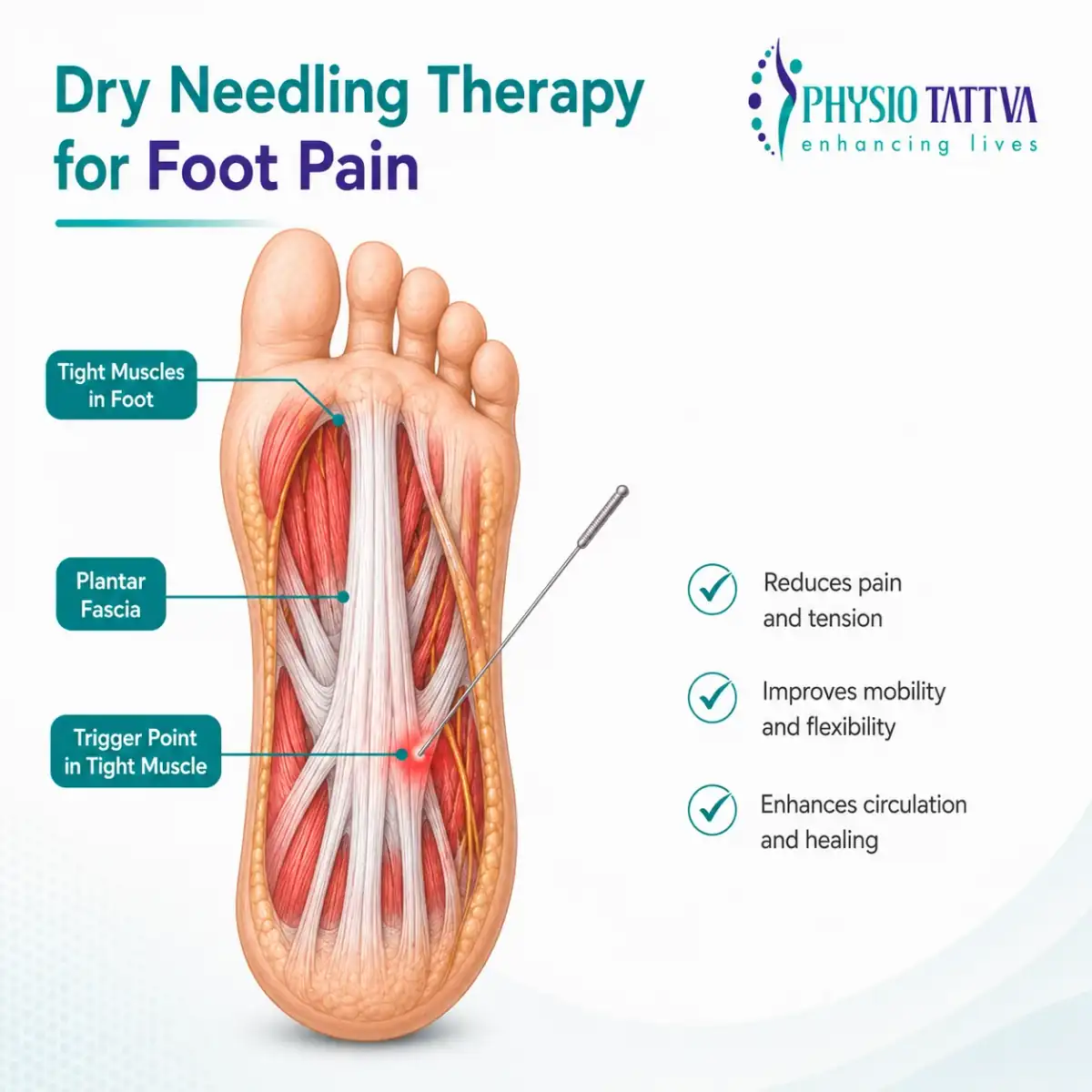
Dry needling therapy for foot pain is a physiotherapy technique that uses thin, sterile needles to release trigger points in the foot and lower-leg muscles. By relaxing tight muscle bands and improving blood circulation, the treatment helps reduce pain and restore normal muscle function.
It is commonly used for conditions such as plantar fasciitis, Achilles tendon pain, and metatarsalgia, where muscle tension contributes to heel or arch discomfort. Dry needling is usually combined with stretching, strengthening exercises, and gait correction to support long-term recovery and improve foot mobility.
What Is Dry Needling Therapy for Foot Pain?
Dry needling therapy for foot pain is a physiotherapy treatment where thin, sterile needles are inserted into muscle trigger points in the foot, ankle, or lower leg to release tight muscles, reduce pain, and improve mobility.
The therapy targets muscle knots that contribute to conditions such as plantar fasciitis, Achilles tendon pain, and metatarsalgia. By stimulating these trigger points, dry needling helps relax muscles, improve blood flow, and support natural healing.
Physiotherapists often combine dry needling with stretching, strengthening exercises, and gait correction to improve foot function and reduce recurring pain.
How Does Dry Needling Work for Foot Pain?
Dry needling works for foot pain by inserting thin, sterile needles into tight muscle trigger points in the foot or lower leg. This stimulation can create a local twitch response, helping release muscle tension, improve blood flow, reduce inflammation, and decrease pain signals.
When the needle reaches a trigger point, it may trigger a local twitch response. This is a brief involuntary muscle contraction followed by relaxation. The response helps release tight muscle fibres and restore normal muscle function.
Dry needling may help relieve foot pain by:
- Releasing muscle tension – The twitch response helps loosen tight or knotted muscle fibres.
- Reducing inflammation – The treatment may lower the concentration of inflammatory chemicals in the affected tissue.
- Improving blood circulation – Increased blood flow delivers oxygen and nutrients that support tissue healing.
- Modulating pain signals – The stimulation may interrupt pain signals sent from the foot to the brain, helping reduce discomfort.
Physiotherapists often combine dry needling with stretching, strengthening exercises, and movement correction to improve long-term foot function and reduce recurring pain.
What Foot Conditions Can Dry Needling Treat?
Dry needling therapy can help treat several musculoskeletal conditions that cause foot pain by targeting trigger points in the muscles of the foot, ankle, and lower leg. It is commonly used to reduce muscle tension, relieve pain, and improve movement.
Common foot conditions that dry needling therapy may help manage include:
- Plantar Fasciitis – Targets trigger points in the plantar fascia and calf muscles to reduce heel pain and morning stiffness.
- Achilles Tendinopathy (Achilles Tendonitis) – Helps reduce tightness in the calf muscles that place stress on the Achilles tendon.
- Metatarsalgia – Releases tension in the intrinsic foot muscles that contribute to pain in the ball of the foot.
- Tarsal Tunnel Syndrome – May help relieve nerve irritation caused by tight muscles compressing the tibial nerve.
- Shin Splints – Reduces muscle tightness in the lower leg that can contribute to foot and ankle pain during walking or running.
Physiotherapists typically combine dry needling with stretching, strengthening exercises, and movement correction to improve long-term foot function and reduce recurring pain.
What Are the Benefits of Dry Needling Therapy for Foot Pain?
Dry needling therapy for foot pain helps relieve muscle tension by targeting trigger points in the foot and lower leg. This physiotherapy technique may reduce pain, improve mobility, increase blood circulation, and support the healing of conditions such as plantar fasciitis and Achilles tendon pain.
Key benefits of dry needling therapy for foot pain include:
- Targeted pain relief – Releases tight trigger points in the foot and calf muscles that contribute to heel and arch pain.
- Improved mobility and flexibility – Helps relax tight muscles, allowing better movement of the foot and ankle.
- Reduced muscle tension and spasms – Decreases muscle tightness that can limit walking, running, or standing for long periods.
- Better blood circulation – Stimulates blood flow to the treated muscles, which supports tissue recovery.
- Support for rehabilitation programs – Often combined with stretching, strengthening exercises, and gait correction to improve long-term foot function.
When used as part of a comprehensive physiotherapy treatment plan, dry needling therapy can help improve comfort and restore normal movement patterns in people experiencing foot pain.
What to Expect During a Dry Needling Session for Foot Pain
A dry needling session for foot pain typically involves identifying muscle trigger points and inserting thin, sterile needles to release tension and improve mobility. The treatment is usually quick and well-tolerated, and the entire procedure for the foot and lower leg often takes about 10–15 minutes.
During a dry needling session, you can typically expect the following steps:
1. Assessment: The physiotherapist first performs a detailed examination to identify trigger points, muscle tightness, and tissues contributing to your foot pain.
2. Positioning and Preparation: You will be positioned comfortably, usually lying down. The treatment area is cleaned with an antiseptic or alcohol swab to maintain hygiene.
3. Needle Insertion: The therapist inserts a thin, sterile, single-use needle into the identified trigger point. Most patients feel a small prick, which is usually milder than an injection.
4. Local Twitch Response: When the needle reaches the trigger point, you may experience a brief muscle twitch or deep ache. This response indicates that the tight muscle fibres are releasing.
5. Completion of Treatment: The needle may remain in place for a few seconds or minutes, depending on the technique. After removal, the therapist may recommend stretches or exercises to support recovery.
Dry needling sessions are generally well tolerated and are often combined with physiotherapy exercises to help improve foot function and reduce recurring pain.
Who Is a Good Candidate for Dry Needling Therapy for Foot Pain?
Dry needling therapy for foot pain may be suitable for individuals experiencing muscle tightness, trigger points, or soft-tissue pain in the foot, ankle, or lower leg. Physiotherapists often recommend this treatment when muscle tension contributes to conditions such as plantar fasciitis or Achilles tendon pain.
People who may benefit from dry needling therapy for foot pain include:
- Individuals with plantar fasciitis – Trigger points in the plantar fascia or calf muscles may contribute to heel pain and stiffness.
- People with Achilles tendon pain or tendinopathy – Tight calf muscles can increase strain on the Achilles tendon.
- Individuals with chronic foot pain – Dry needling may help release persistent muscle tension that affects walking or standing.
- Athletes or runners with overuse injuries – Repetitive stress can create trigger points in the foot and lower leg muscles.
- People with limited foot or ankle mobility – Releasing muscle tightness may help improve flexibility and movement.
A physiotherapist will evaluate your symptoms, medical history, and movement patterns to determine whether dry needling therapy is an appropriate part of your treatment plan.
What Are the Risks of Dry Needling Therapy for Foot Pain?
Dry needling therapy for foot pain is generally considered a low-risk procedure when performed by a trained physiotherapist. However, some mild side effects may occur as the body responds to needle stimulation in the muscles.
Possible risks or temporary reactions may include:
- Mild muscle soreness in the treated area for 24–48 hours
- Minor bruising or redness at the needle insertion site
- Temporary muscle fatigue or stiffness after treatment
- Small amount of bleeding at the needle site in rare cases
These effects are usually short-lived and typically resolve on their own.
Is Dry Needling Therapy Safe for Foot Pain?
Dry needling therapy is generally safe when performed by qualified physiotherapists who are trained in musculoskeletal treatment. The procedure uses sterile, single-use needles to target muscle trigger points responsible for pain and tension.
To maintain safety during treatment, physiotherapists typically:
- Use sterile and disposable needles
- Perform a detailed assessment before treatment
- Target muscle trigger points rather than joints or bones
- Monitor patient comfort throughout the session
When performed correctly, dry needling is often well tolerated and can be part of a comprehensive physiotherapy treatment plan.
Who Should Avoid Dry Needling Therapy for Foot Pain?
Dry needling may not be suitable for everyone. Certain individuals may need to avoid or delay treatment depending on their medical condition or overall health.
Dry needling therapy may not be recommended for:
- People with bleeding disorders or clotting problems
- Individuals taking strong blood-thinning medications
- Those with active infections or skin conditions near the treatment area
- People with severe needle phobia
- Individuals with certain medical conditions affecting healing
A physiotherapist will review your medical history and symptoms before recommending dry needling therapy.
What Are the Side Effects of Dry Needling Therapy for Foot Pain?
After a dry needling session for foot pain, some people may experience mild and temporary reactions as the muscles respond to trigger point stimulation. These effects are generally short-lived and usually resolve within 24–48 hours.
Common temporary effects that may occur after dry needling therapy include:
- Mild soreness at the needle insertion site in the foot or lower leg
- Temporary muscle tenderness as the treated muscles relax and recover
- Slight redness or minor bruising around the treated area
- A brief muscle twitch response when trigger points are stimulated during treatment
These reactions are typically part of the body’s normal response to muscle stimulation and healing. If discomfort persists or worsens, patients should consult their physiotherapist for further guidance.
What Precautions Should Be Taken Before Dry Needling Therapy for Foot Pain?
Before undergoing dry needling therapy for foot pain, certain precautions can help ensure the treatment is safe and effective.
Important precautions may include:
- Informing your physiotherapist about medical conditions or medications
- Avoiding treatment if there is infection or injury in the treatment area
- Following post-treatment advice, such as gentle stretching or hydration
- Reporting any unusual pain or discomfort after the session
Discussing your symptoms and health history with a qualified physiotherapist helps determine whether dry needling is an appropriate treatment option for your foot pain.
How Quickly Can Dry Needling Reduce Foot Pain?
Dry needling may help reduce foot pain soon after treatment by releasing tight muscle trigger points in the foot and lower leg. Some patients notice a reduction in muscle tightness or discomfort shortly after the session, particularly when trigger points are the main source of pain.
However, lasting improvement usually occurs when dry needling is combined with physiotherapy exercises that address the underlying cause of the condition. Stretching, strengthening, and movement correction help support long-term recovery and prevent recurring foot pain.
The speed of improvement can vary depending on factors such as:
- Severity of the condition – Chronic foot pain may require multiple sessions.
- Type of foot injury – Conditions like plantar fasciitis or Achilles tendon pain may respond differently to treatment.
- Overall treatment plan – Dry needling often works best when combined with rehabilitation exercises and physiotherapy guidance.
Why Choose Physiotattva for Dry Needling Therapy for Foot Pain?
Choosing the right physiotherapy clinic is important for effective foot pain treatment. At Physiotattva, dry needling therapy is delivered by trained physiotherapists who use evidence-based techniques to address muscle trigger points that contribute to foot pain. This targeted approach helps reduce muscle tension, support tissue recovery, and improve overall foot function.
Our physiotherapists begin with a detailed assessment to identify the underlying causes of foot pain, such as plantar fasciitis, Achilles tendon strain, or muscle tightness in the foot and lower leg. Based on this evaluation, a personalised treatment plan is created that may include dry needling therapy along with stretching, strengthening exercises, and movement correction.
At Physiotattva physiotherapy clinics in Bangalore, Hyderabad, and Visakhapatnam- our latest clinic, you receive personalised care tailored to your specific needs, ensuring effective results and comfort throughout your journey to recovery.
Don’t wait to start your recovery! Get in touch with Physiotattva for more details! Contact us at +91 89510 47001.
Key Takeaways:
- Dry needling therapy targets trigger points in the foot and lower-leg muscles to help reduce pain and tension.
- It is commonly used for conditions such as plantar fasciitis, Achilles tendon pain, and metatarsalgia.
- Dry needling for foot pain helps relax tight muscles and improve blood circulation in the affected area.
- This may improve foot mobility and make walking or standing more comfortable.
- Dry needling is often combined with stretching, strengthening exercises, and gait correction.
- A physiotherapy assessment helps determine whether the therapy is suitable for your foot condition.
Answers
Frequently asked questions
Start with an assessment
We measure what you've lost, find the cause, and set out a plan with a target and a timeline.
- Call us+91 89510 47001
- Email usinfo@physiotattva.com
- Visit a clinic25 clinics across Bangalore, Hyderabad and Visakhapatnam
- Or stay homePhysiotherapy at home