




Manual therapy for joint pain is a therapeutic approach that uses skilled hands-on techniques to reduce pain and improve mobility. Through methods like joint mobilization, soft tissue work, and muscle energy techniques, this therapy targets the source of discomfort in the joints. It’s particularly beneficial for people suffering from osteoarthritis, neck and back pain, or joint injuries. By enhancing circulation, reducing swelling, and improving the range of motion, manual therapy helps you return to your daily activities pain-free. This non-invasive, drug-free solution is a powerful tool for long-term joint care, helping you recover, restore function, and achieve lasting relief from joint pain.
What is Manual Therapy?
Joint pain, whether from arthritis, an injury, or overuse, can be debilitating. While exercise and medication are common treatments, many people find significant relief through manual therapy for joint pain. This specialized, hands-on approach is a cornerstone of physical therapy and other rehabilitative practices.
Manual therapy involves skilled practitioners using their hands to diagnose and treat musculoskeletal issues. Instead of relying solely on machines or exercises, the therapist directly manipulates muscles, joints, and soft tissues to reduce pain, decrease inflammation, and improve a patient's quality of life.
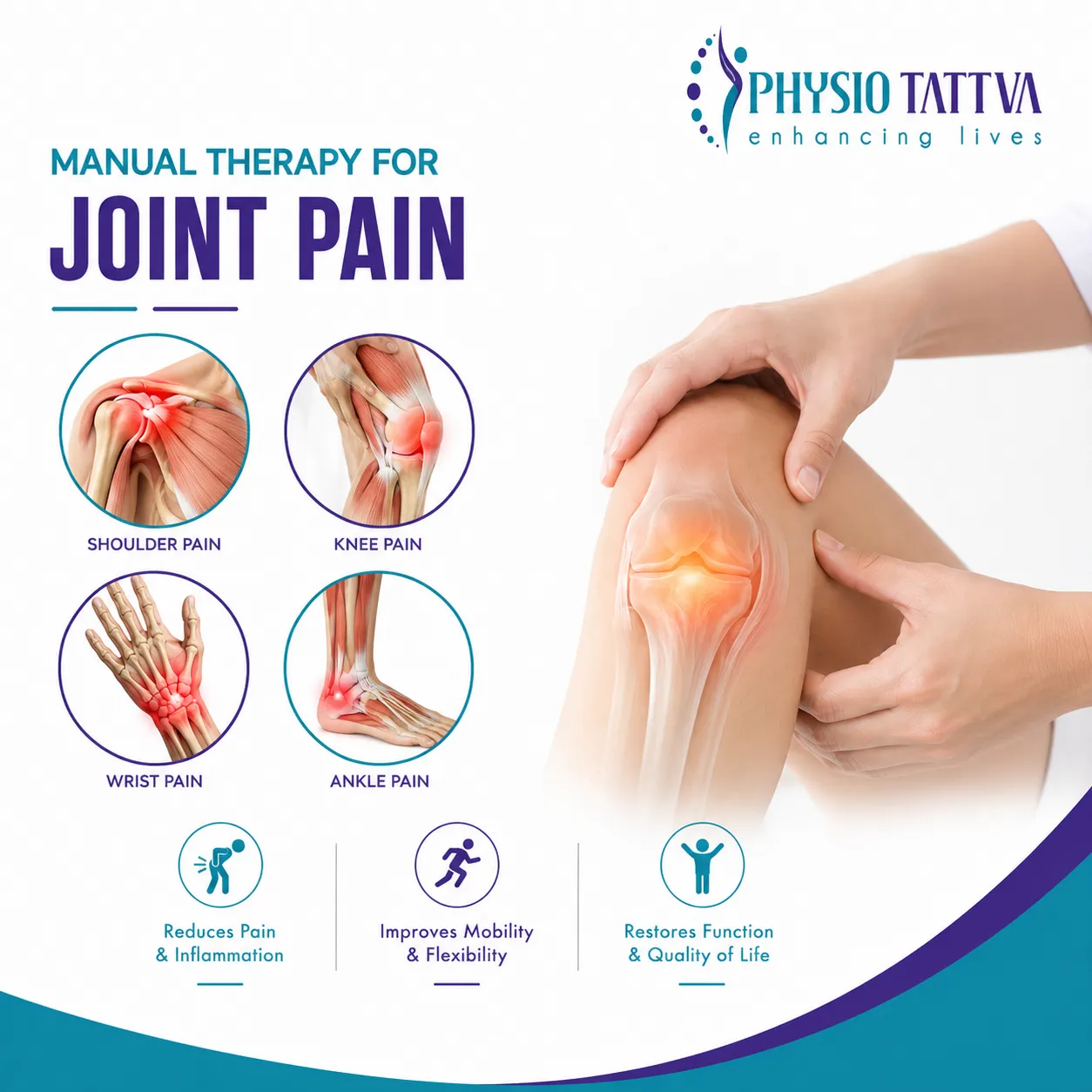
How Does Manual Therapy Help Joint Pain?
Manual therapy works through several key mechanisms:
- Pain Relief: Gentle movements and targeted pressure can help modulate pain signals sent to the brain (a process known as the "Gate Control Theory of Pain"). It also helps release natural pain-relieving endorphins.
- Increased Range of Motion: Stiffness is a major complaint with joint pain. Manual techniques can stretch the joint capsule and surrounding tissues, breaking down adhesions (scar tissue) and restoring normal movement.
- Improved Joint Mechanics: By correcting minor misalignments and guiding the joint through its proper path of motion, therapists can improve its overall function and reduce stressful forces.
- Reduced Swelling and Inflammation: Techniques like soft tissue mobilization can improve lymphatic drainage and circulation, helping to flush out inflammatory byproducts from the affected area.
- Muscle Relaxation: Pain often causes surrounding muscles to spasm in a protective response. Manual therapy can release this tension, which in turn reduces pressure on the joint.
Common Types of Manual Therapy Techniques for Joint Pain
A therapist will use a combination of techniques based on your specific condition, pain level, and goals. Each method is designed to target the source of joint pain, improve function, and restore mobility.
- Soft Tissue Mobilization: This technique primarily targets the muscles and connective tissues surrounding the joint, aiming to release tension and improve flexibility.
- What it is: This is a broad category that includes various forms of therapeutic massage and pressure applied to muscles, ligaments, and fascia. Techniques range from gentle stroking to deep pressure.
- How it helps: Breaks down scar tissue, releases muscle tension, and improves circulation to the tissues surrounding the painful joint.
- Joint Mobilization: This technique is specifically designed to restore movement within the joint by applying slow, controlled movements.
- What it is: The therapist performs slow, passive movements on a joint, gently gliding it within its normal range of motion. It is a controlled and gentle technique.
- How it helps: Primarily used to increase mobility and reduce pain and stiffness within the joint itself. It's especially effective for "frozen" joints or those affected by osteoarthritis.
- Joint Manipulation / Thrust Manipulation: This technique is often used for immediate pain relief through a quick, controlled thrust that restores joint movement.
- What it is: A high-velocity, low-amplitude (HVLA) thrust is applied to a joint to move it beyond its passive range of motion. This is the technique often associated with a "pop" or "crack."
- How it helps: Can rapidly restore motion to a stuck joint and provide immediate pain relief by resetting nerve reflexes. Commonly performed by chiropractors and specially trained physical therapists.
- Myofascial Release: This is focuses on the fascia, the connective tissue that can restrict movement and cause pain around the joints.
- What it is: A technique that applies sustained, gentle pressure to the fascia—the connective tissue web that surrounds muscles and organs.
- How it helps: Releases restrictions and "tight spots" in the fascia that can pull on joints and cause pain and misalignment.
- Muscle Energy Techniques (MET): This method involves the active participation of the patient, using their own muscle force to restore joint function.
- What it is: A unique approach where the patient actively participates by contracting a specific muscle against the therapist's controlled resistance.
- How it helps: Uses the patient's own muscle force to realign joints and lengthen shortened muscles, making it a very safe and effective technique.
Common Conditions Treated with Manual Therapy
Manual therapy is a versatile treatment that can be applied to almost any joint in the body. Common applications include:
- Osteoarthritis (especially in the knee, hip, and spine)
- Back and Neck Pain (e.g., facet joint syndrome, disc issues)
- Shoulder Impingement and Frozen Shoulder
- Hip Pain (e.g., FAI, bursitis)
- Knee Pain (e.g., patellofemoral syndrome)
- Ankle Sprains and stiffness post-injury
- Tennis/Golfer's Elbow
- TMJ (jaw) dysfunction
What to Expect During a Manual Therapy Session?
If you're seeking manual therapy for joint pain, your first session will typically involve:
- Assessment: A thorough evaluation of your posture, movement patterns, strength, and range of motion. The therapist will ask detailed questions about your pain.
- Treatment: The therapist will explain the techniques they plan to use. The hands-on portion may last 15-30 minutes, during which you will be positioned comfortably. Communication is key—you should always let your therapist know if you feel excessive pain.
- Re-assessment and Education: After the manual work, the therapist will likely re-check your movement. They will almost always pair manual therapy with therapeutic exercises to maintain the gains in mobility and strengthen the supporting muscles.
Who Performs Manual Therapy?
Manual therapy requires advanced training. Look for these licensed professionals:
- Physical Therapists (PTs / Physiotherapists): Many pursue advanced certifications in orthopedic manual therapy (COMT).
- Chiropractors (DCs): Specialize in spinal and joint manipulation.
- Osteopathic Physicians (DOs): Trained in osteopathic manipulative treatment (OMT).
- Certified Athletic Trainers (ATCs): Often use manual techniques in a sports-medicine setting.
Manual Therapy for Lasting Joint Pain Relief at Physiotattva
Manual therapy is not a passive treatment; it is an active partnership between you and your therapist. When combined with a targeted exercise program, it is a powerful, evidence-based strategy for managing and overcoming joint pain. If you are struggling with stiffness, limited motion, and persistent pain, consulting a qualified professional for manual therapy for joint pain could be your next step toward lasting relief.
At Physiotattva physiotherapy clinics in Bangalore and Hyderabad, you receive personalised care tailored to your specific needs, ensuring effective results and comfort throughout your journey to recovery.
Don’t wait to start your recovery! Get in touch with Physiotattva for more details! Contact us at +91 89510 47001.
Why Physiotattva?
22+
50,000+
95%
200+
25+
4.8
Cities We Serve

Bangalore
At Physio Tattva, we are committed to bring access to quality physio care through ultra-modern clinics and high-skilled practitioners to all.
.webp)
Hyderabad
At Physio Tattva, we are committed to bring access to quality physio care through ultra-modern clinics and high-skilled practitioners to all.
.webp)
Vishakhapatnam
At Physio Tattva, we are committed to bring access to quality physio care through ultra-modern clinics and high-skilled practitioners to all.
Core Treatments
Core Conditions
Core Symptoms
Frequently Asked Questions
What exactly is manual therapy for joint pain?

What types of joint pain can manual therapy help with?
Is manual therapy painful?
How is manual therapy different from a regular massage or a chiropractic adjustment?
What should I expect during my first manual therapy session?





%20(1)-p-3200.jpeg)


.jpg)
.webp)
.webp)
.webp)