


Cupping Therapy
Cupping Therapy for Neck Pain
Suffering from neck pain? Cupping therapy at Physiotattva offers a safe and effective way to reduce stiffness, improve circulation, and alleviate discomfort. By targeting deep muscle tension, this natural therapy helps accelerate healing and restore neck flexibility. Book your consultation today to experience the benefits of cupping therapy for neck pain.
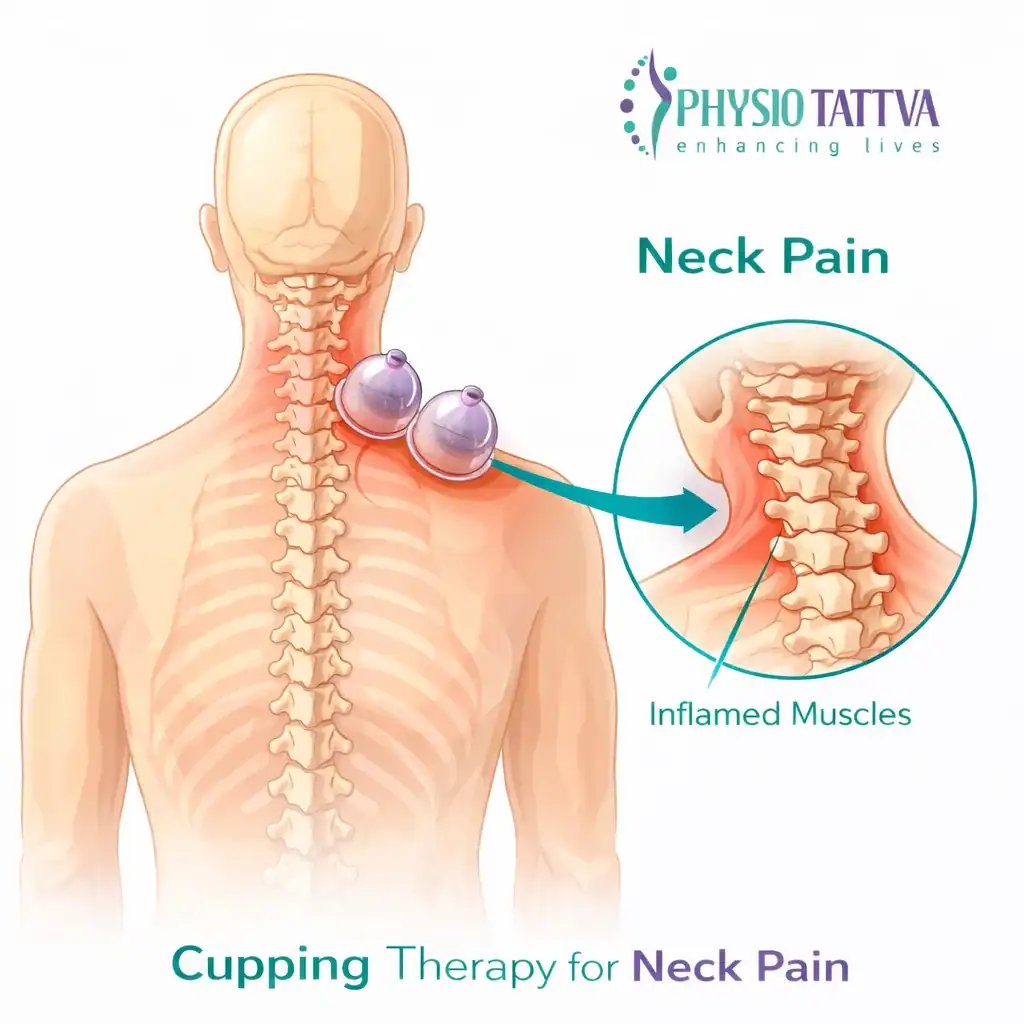
Cupping therapy is a non-invasive physiotherapy treatment that uses suction to lift tissue, improve blood flow, and release tension in sore muscles. It is an effective technique used to alleviate chronic neck pain, reduce stiffness, and accelerate the recovery of cervical muscles by targeting inflammation and fascial restrictions.
What Is Neck Pain and What Causes It?
Neck pain is any discomfort felt in the cervical spine, the area connecting your head to your torso. It is a common condition often resulting from various factors, including:
- Poor posture, especially from desk work ("tech neck")
- Muscle strains from sudden movements or overuse
- Injuries like whiplas
- Underlying conditions such as arthritis
- Nerve compression
Symptoms Associated with Neck Pain
If you are experiencing neck pain, you may also notice other related symptoms. These commonly include:
- Stiffness and difficulty moving your head
- Sharp or dull aching pain
- Headaches originating from the neck
- Muscle tightness and spasms in the neck and shoulders
- Pain that radiates down into the arms
What Is Cupping Therapy for Neck Pain Treatment?
Cupping therapy for neck pain is a specialized physiotherapy technique where cups are placed on the skin over your neck and upper back to create suction. This process helps decompress underlying tissues to relieve pain, reduce muscle tension, and improve circulation in the cervical region.
How Cupping Therapy Works Through Negative Pressure?
The therapy works by creating negative pressure, or suction, inside the cups. This gentle pulling action lifts the skin, fascia, and muscle tissue upwards. The primary effects of this process include:
- Stretching tight muscles and connective tissues.
- Enhancing blood flow to the affected area.
- Stimulating the body's natural healing response.
How Cupping Therapy Helps Relieve Neck Pain?
Cupping therapy provides relief by directly addressing the primary causes of muscular neck pain through several key mechanisms.
Improved Blood Circulation in the Neck Muscles
- The suction draws fresh, oxygenated blood to the tight cervical muscles, delivering essential nutrients and promoting faster tissue repair.
Myofascial Release for Neck Muscle Tension
- Cupping helps release adhesions and knots within the fascia—the connective tissue surrounding your muscles—which is a common source of neck stiffness.
Reduced Inflammation and Neck Pain
- By improving circulation and lymphatic drainage, cupping helps clear away metabolic waste and reduces localised inflammation, leading to pain relief.
Benefits of Cupping Therapy for Neck Pain
When administered by a qualified physiotherapist, cupping offers several distinct benefits for cervical health.
Improved Neck Mobility and Flexibility
- By releasing muscle knots and reducing stiffness, cupping therapy can significantly restore your neck's range of motion.
Relief from Chronic Neck Stiffness
- The therapy provides lasting relief from stiffness caused by poor posture or prolonged strain, making daily movements more comfortable.
Support for Cervical Rehabilitation Programs
- Cupping is an excellent complementary treatment that enhances the effectiveness of physiotherapy exercises and manual therapy.
What to Expect During a Cupping Therapy Session for Neck Pain?
Your session at Physiotattva is designed for safety and therapeutic benefit, following a structured process.
1. Initial Physiotherapy Assessment: Your physiotherapist will evaluate your neck's mobility, posture, and pain points to tailor the treatment.
2. Comfortable Positioning: You will be asked to lie down comfortably to ensure the neck and shoulder muscles are relaxed.
3. Cup Application: The therapist will apply a lotion or oil before placing cups on specific areas of your neck, shoulders, and upper back.
4. Suction and Treatment: The cups will remain in place for 5-10 minutes, during which you may feel a gentle pulling sensation.
5. Post-Treatment Advice: After the cups are removed, your therapist will provide guidance on hydration and avoiding strenuous activity.
Cupping Therapy as Part of a Physiotherapy Treatment Plan
For maximum benefit, cupping therapy is often integrated into a comprehensive physiotherapy plan. Your therapist may combine it with manual therapy, targeted stretching and strengthening exercises, and postural correction techniques to address the root cause of your neck pain and prevent its recurrence.
Risks and Safety of Cupping Therapy
Cupping is generally safe when performed by a trained professional. Common side effects are mild and may include temporary circular marks (bruises), mild soreness, or skin redness, which usually fade within a few days. Individuals with skin infections, bleeding disorders, or who are pregnant should consult a doctor before treatment.
Why Choose Physiotattva for Cupping Therapy for Neck Pain?
At Physiotattva, our certified physiotherapists use cupping therapy as part of a holistic and evidence-based approach to neck pain rehabilitation. We create personalised treatment plans that combine advanced techniques with expert guidance to ensure you achieve lasting pain relief and improved function.
Answers
Frequently asked questions
Conditions
Related conditions

Symptoms
Related symptoms

Treatments
Related treatments

Therapies
Related therapies
 Neck Pain26 January 2026
Neck pains are one of the most common types of injury or discomfort in the lower portion of the head, at the beginning of the spinal cord, and can spread to the shoulder and neck. It can happen for a variety of causes. Here we talk about some excellent physiotherapy treatments for neck pain that can help relieve pain, relax muscles, and hasten the recovery.
 Neck Pain15 January 2026
Looking for natural ways to ease neck stiffness and discomfort? Find out which remedies work best for you and get back to feeling your best in no time.
 Neck Pain31 October 2025
A neck pain doctor can help diagnose and treat your pain. This guide will cover what to expect during your visit, including common tests and treatments.
Start with an assessment
We measure what you've lost, find the cause, and set out a plan with a target and a timeline.
- Call us+91 89510 47001
- Email usinfo@physiotattva.com
- Visit a clinic25 clinics across Bangalore, Hyderabad and Visakhapatnam
- Or stay homePhysiotherapy at home