


Pulsed Electromagnetic Field Therapy
Pulsed Electromagnetic Fields (PEMF) Therapy for Back Pain
PEMF therapy for back pain is a non-invasive, drug-free treatment that helps reduce inflammation, improve circulation, and promote healing at the cellular level. This therapy targets the root cause of pain, offering lasting relief by enhancing the body’s natural healing processes. Experience improved mobility and reduced pain, making PEMF an effective solution for chronic back pain.
Back pain, whether it's a dull chronic ache or a sharp, acute pain, is one of the most common medical complaints worldwide. While many treatments exist, from medication and physical therapy to surgery, many individuals seek non-invasive, drug-free alternatives. One such emerging treatment is Pulsed Electromagnetic Fields (PEMF) therapy for back pain.
This article explores what PEMF therapy is, how it works, its effectiveness, and what you need to know before considering it.
What Is Pulsed Electromagnetic Field (PEMF) Therapy?
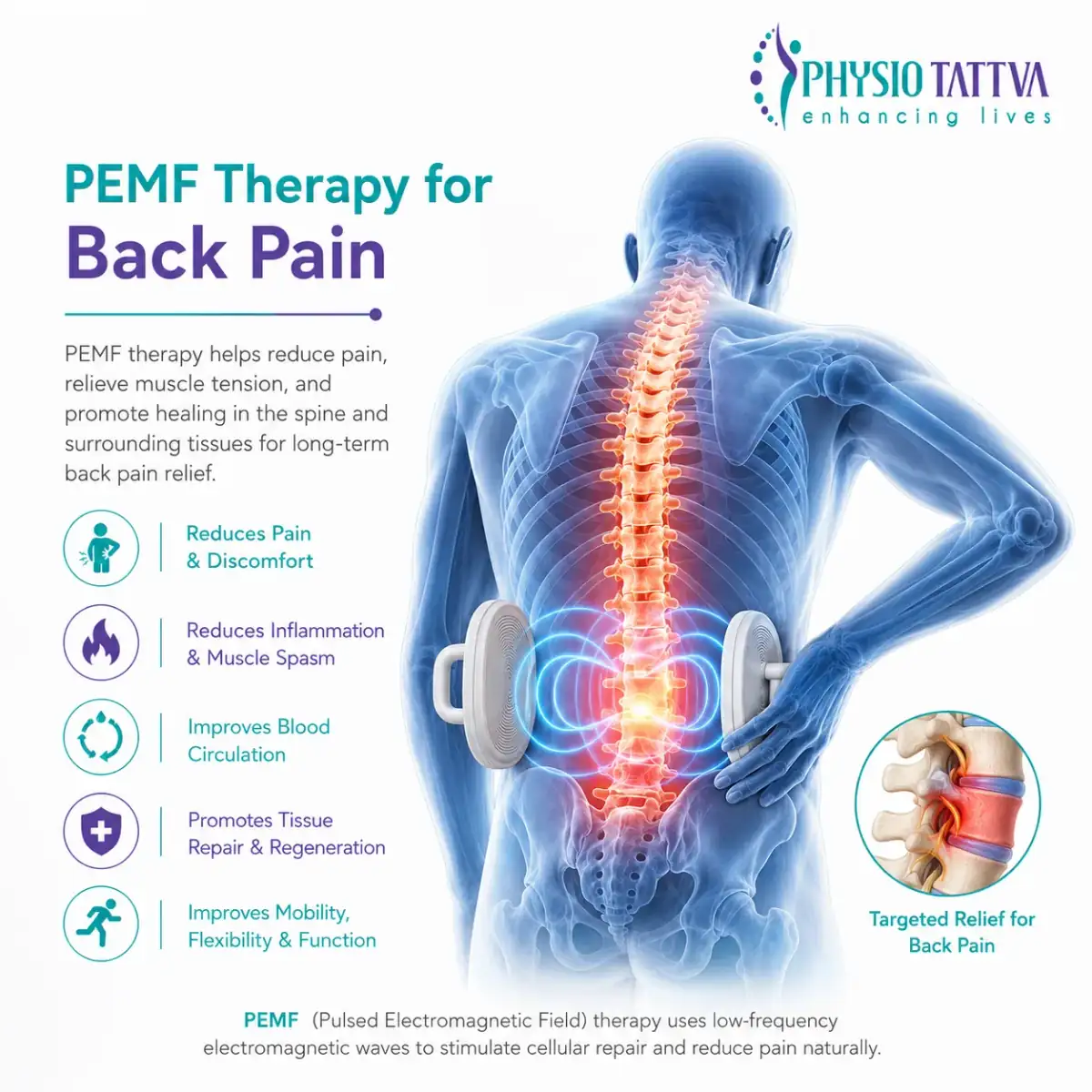
PEMF therapy is a non-invasive treatment that uses devices to emit low-frequency electromagnetic fields. These fields are pulsed, meaning they turn on and off rapidly. The core idea is that these energy waves penetrate the body at a cellular level to help repair damage and stimulate the body's natural healing processes.
Unlike the harmful electromagnetic fields from power lines or microwaves, the frequencies and intensities used in PEMF therapy are specifically chosen for their therapeutic effects, similar to the Earth's own magnetic field.
How Does PEMF Therapy Work for Back Pain? (The Proposed Mechanism)
The back is a complex structure of bones, joints, ligaments, and muscles. Pain can arise from inflammation, muscle strain, nerve compression, or degenerative changes. PEMF therapy is thought to address back pain through several mechanisms:
- Reduces Inflammation and Swelling: PEMF is believed to influence the movement of ions like calcium and potassium across cell membranes, which can help reduce the inflammatory response that is a major source of pain.
- Improves Circulation: The magnetic fields can enhance blood flow and oxygenation to damaged tissues. Better circulation means more nutrients and oxygen are delivered to the site of injury, speeding up repair.
- Stimulates Cellular Repair: Often described as "recharging cellular batteries," PEMF therapy is thought to increase the production of ATP (adenosine triphosphate), the primary energy currency of cells. Energised cells can function more efficiently to repair themselves.
- Pain Relief and Nerve Regeneration: Some studies suggest PEMF can help block pain signals from reaching the brain. It may also support the regeneration of nerve tissue, which is particularly relevant for conditions like sciatica or pain from a herniated disc.
- Muscle Relaxation: The gentle energy waves can help soothe tight, spasming muscles that often contribute to and result from back pain.
Is PEMF Effective for Back Pain?
The body of evidence for PEMF is growing, with many studies showing promising results, although more large-scale, high-quality research is still needed.
- Chronic Low Back Pain: Several studies have indicated that PEMF therapy can provide significant pain reduction and functional improvement for individuals with chronic non-specific low back pain.
- Osteoarthritis: PEMF is frequently studied for arthritis of the spine (and other joints), where it has been shown to reduce pain and stiffness.
- Post-Surgical Healing: The FDA has approved specific PEMF devices for promoting bone fusion after spinal surgery, demonstrating its recognised ability to stimulate bone growth and repair.
- General Consensus: While not a "miracle cure," PEMF is considered a promising adjunctive therapy. Many practitioners use it alongside other treatments like physical therapy, chiropractic care, and massage.
Types of Back Pain That May Benefit from PEMF Therapy
PEMF therapy’s versatile approach can provide relief for a variety of back pain conditions. Its ability to reduce inflammation, enhance circulation, and stimulate healing makes it an effective option for treating many back-related issues. Below are some common types of back pain that may benefit from PEMF therapy:
- Chronic Lower Back Pain: From muscle strain or degenerative disc disease.
- Sciatica: Pain radiating down the leg due to nerve compression.
- Herniated or Bulging Discs: By reducing inflammation and promoting healing around the affected disc.
- Spinal Stenosis: By managing inflammation and pain associated with nerve compression.
- Arthritis of the Spine: Including osteoarthritis and ankylosing spondylitis.
- Failed Back Surgery Syndrome: For managing persistent pain after surgery.
- Acute Muscle Strains and Sprains.
Potential Benefits of PEMF for Back Pain
PEMF therapy offers numerous advantages for those suffering from back pain. It is a non-invasive, drug-free treatment that works at the cellular level to promote healing and provide long-lasting relief. Below are some of the key benefits of PEMF therapy for back pain:
- Non-Invasive: No needles, incisions, or medication required.
- Drug-Free: An excellent option for those looking to avoid or reduce their reliance on pain medication.
- Few Side Effects: Most users experience no side effects.
- Addresses Root Cause: Unlike medications that just mask pain, PEMF works at a cellular level to promote healing.
- Can Be Used at Home: Many PEMF devices are available for home use, allowing for convenient and consistent treatment.
Risks, Side Effects, and Contraindications of PEMF Therapy
PEMF therapy is generally regarded as safe, with most side effects being mild and temporary. Common, short-term side effects may include a slight increase in pain initially, dizziness, or feelings of sleepiness. These effects typically subside after the body adjusts to the therapy. However, there are important contraindications to consider before starting treatment.
You should NOT use PEMF therapy if you:
- Have an implanted electronic device, such as a pacemaker, defibrillator, or cochlear implant.
- Are pregnant.
- Have an active, untreated tumor or cancer (though it is sometimes used as a palliative therapy under medical supervision).
It is essential to consult with your doctor or healthcare provider before starting PEMF therapy, especially if you have an underlying health condition or concerns about the treatment’s safety. This ensures the therapy is suitable for your individual needs and health status.
PEMF Devices: At-Home vs. Clinical Use
PEMF therapy can be administered through a variety of devices, each designed for different needs and treatment environments. These devices range from low-intensity models for general wellness to more powerful clinical systems used by professionals for specific conditions. Here's an overview of the most common types:
- Full-Body Mats: These mats emit a low-frequency magnetic field across your entire body. They are ideal for general wellness, chronic pain management, and home use. The lower intensity makes them suitable for regular use in the comfort of your own home.
- Localised Applicators: Smaller pads, rings, or probes that target a specific area of the body, such as the lower back or joints. These devices are typically higher in intensity, offering more focused treatment for localised issues or pain spots.
- Clinical Systems: High-intensity PEMF devices used in clinics and operated by trained professionals. These systems are designed for treating acute, severe, or complex conditions and are often more powerful to provide targeted, deeper therapy. Clinical systems allow for precise control over the frequency, intensity, and duration of the treatment.
Each type of device serves a unique purpose, making it easier to choose the right one based on your needs and the severity of your condition.
PEMF vs. TENS for Back Pain
People often confuse PEMF (Pulsed Electromagnetic Fields) therapy with TENS (Transcutaneous Electrical Nerve Stimulation), but they work very differently. Here's a comparison of the two:
- Mechanism
- PEMF: Works at a cellular level to reduce inflammation and promote healing.
- TENS: Uses electrical currents to block pain signals from reaching the brain.
- Sensation
- PEMF: Usually, no sensation is felt, or a very subtle pulse.
- TENS: A tingling or buzzing sensation is felt on the skin.
- Goal
- PEMF: Promotes long-term healing and repair of tissues.
- TENS: Primarily provides temporary, symptomatic pain relief.
- Action
- PEMF: Bio-energetic, recharges cells for enhanced healing.
- TENS: Neurological, stimulates nerves to block pain signals.
Find Lasting Relief from Back Pain with PEMF Therapy at Physiotattva
Pulsed electromagnetic fields (PEMF) therapy for back pain is a promising, non-invasive, and safe treatment that aims to reduce inflammation, improve circulation, and stimulate healing at the cellular level. While it is not a cure-all, a growing body of evidence supports its use for various acute and chronic back conditions, often as part of a comprehensive treatment plan.
If you are struggling with persistent back pain and are seeking a drug-free option, PEMF therapy is worth discussing with your healthcare provider to see if it's an appropriate choice for your specific condition.
At Physiotattva physiotherapy clinics in Bangalore and Hyderabad, you receive personalised care tailored to your specific needs, ensuring effective results and comfort throughout your journey to recovery.
Don’t wait to start your recovery! Get in touch with Physiotattva for more details! Contact us at +91 89510 47001.
Answers
Frequently asked questions
Start with an assessment
We measure what you've lost, find the cause, and set out a plan with a target and a timeline.
- Call us+91 89510 47001
- Email usinfo@physiotattva.com
- Visit a clinic24 clinics across Bangalore, Hyderabad and Visakhapatnam
- Or stay homePhysiotherapy at home