




Inflammation is the body's natural response to injury, characterized by swelling (edema), pain, redness, and heat. While a necessary part of the healing process, excessive or prolonged inflammation can impede recovery and cause significant discomfort. Kinesio taping therapy for inflammation is a specialized technique that uses elastic therapeutic tape to reduce swelling and pain, thereby accelerating the healing process. Unlike traditional rigid athletic tape, which immobilizes a joint, Kinesio tape is designed to support tissues and improve physiological function while allowing for a full range of motion.
The Core Principle: How Kinesio Taping Reduces Inflammation
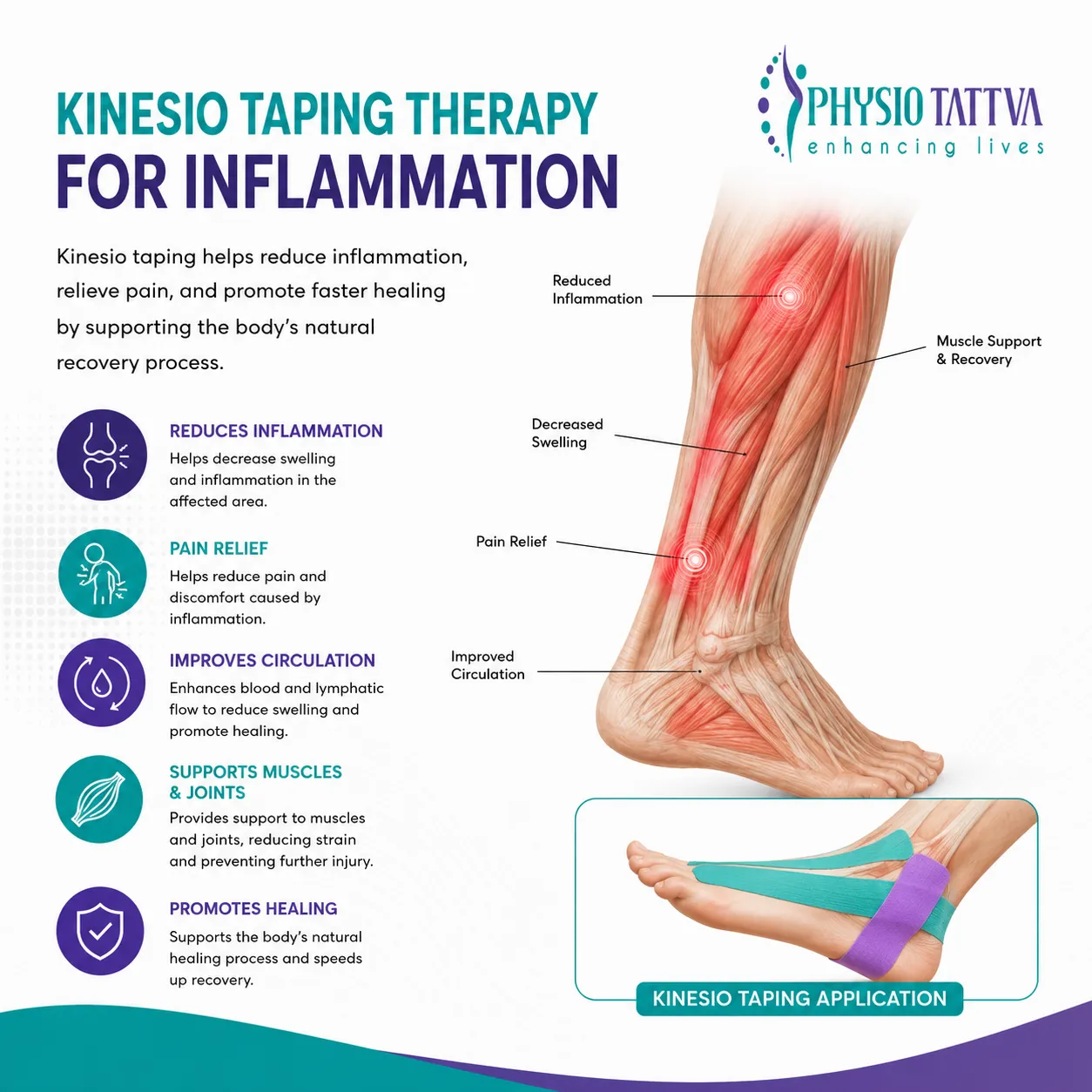
The primary mechanism behind Kinesio taping for inflammation is decompression. When applied correctly, the tape's elasticity creates a gentle lifting effect on the skin.
- Creating Subcutaneous Space: The tape lifts the top layer of skin (epidermis) away from the underlying tissues (dermis and fascia). This microscopic separation creates more space in the subcutaneous layer, where a network of pain receptors, blood vessels, and lymphatic channels reside.
- Reducing Pressure: Swelling from inflammation increases pressure in this space, compressing pain receptors (nociceptors) and restricting the flow of fluids. By lifting the skin, the tape immediately reduces this pressure.
- Enhancing Lymphatic Drainage: The lymphatic system is responsible for removing cellular waste, proteins, and excess fluid from inflamed tissues. The reduced pressure created by the tape opens up initial lymphatic drainage pathways, creating a pressure gradient that encourages fluid to move from the area of high concentration (the injury site) to an area of lower concentration. The tape effectively creates "channels" that guide the inflammatory exudate toward functioning lymph nodes.
- Pain Alleviation: With less pressure on the nociceptors, the brain receives fewer pain signals. This anecdotally provides a near-instant feeling of relief for many patients.
The Primary Technique: The Lymphatic "Fan" or "Jellyfish" Cut
Before applying Kinesio tape for inflammation, follow these essential preparation steps to ensure effective adhesion and maximize the therapeutic benefits. Here's how you can apply the tape correctly:
Application Steps:
- Preparation: The skin must be clean, dry, and free of oils or lotions for the tape to adhere properly.
- Anchor Point: A solid base (the "anchor") of the tape is applied without any stretch proximal to the swollen area (closer to the center of the body), ideally over a group of lymph nodes. For example, for a swollen ankle, the anchor might be placed behind the knee or on the front of the shin.
- Cutting the "Tails": The rest of the tape is cut lengthwise into 4-6 thin strips or "tails," leaving the anchor intact.
- Applying the Tails: Each tail is then laid down with very light (0-15%) stretch over the swollen area. The tails should be spread out in a fan-like pattern to cover the entire region of edema. They should not cross over each other.
- Activation: Once applied, gently rub the tape to activate the heat-sensitive adhesive.
This pattern encourages interstitial fluid to flow from the swollen area towards the anchor, where it can be more effectively processed by the lymphatic system.
Key Benefits of Kinesio Taping for Inflammation
Kinesio taping offers a variety of benefits that go beyond simple pain management. By leveraging its unique decompression properties, it accelerates the healing process and improves circulation, making it an invaluable tool for treating inflammation.
- Reduces Swelling and Edema: Kinesio taping directly facilitates lymphatic drainage, helping to reduce swelling and fluid buildup in the affected area. This process is crucial for managing inflammation effectively.
- Alleviates Pain: The tape gently decompresses the pain receptors within the skin and underlying tissues. By lifting the skin, it reduces pressure on these receptors, providing fast-acting pain relief.
- Improves Circulation: By enhancing both blood and lymphatic flow, Kinesio tape promotes the delivery of oxygen and nutrients to injured tissues while flushing out waste products. This improved circulation aids the healing process.
- Accelerates Healing: By facilitating the removal of cellular waste and excess fluid, Kinesio taping accelerates recovery. This enables fresh, oxygenated blood to reach the injured tissues more efficiently.
- Decreases Bruising (Hematoma): The same lymphatic drainage effect helps clear pooled blood, reducing the appearance of bruising and promoting quicker recovery in areas affected by contusions or hematomas.
- Non-Restrictive: Unlike other types of tape that immobilize a joint, Kinesio tape allows for full, safe movement. This flexibility supports the area without restricting motion, which helps further promote healing by encouraging natural movement and fluid pumping within the tissues.
Kinesio taping provides a holistic approach to managing inflammation by reducing swelling, alleviating pain, and enhancing circulation—making it a highly effective therapy for a wide range of conditions.
Important Considerations & Contraindications for Kinesio Taping
While Kinesio taping therapy for inflammation is a powerful treatment, it should not be relied upon as a standalone solution. It is most effective when integrated into a comprehensive treatment plan that includes other therapeutic modalities.
- Seek Professional Guidance: For optimal results and safety, Kinesio tape application should always be performed by a certified Kinesio Taping Practitioner (CKTP), physical therapist, chiropractor, or athletic trainer. These professionals are trained in the proper application and technique to ensure maximum benefit.
- Diagnosis is Essential: Kinesio taping addresses symptoms, not underlying causes. It’s crucial to seek a proper medical diagnosis to identify the root cause of your inflammation. This ensures that you’re using the tape to target the correct area and symptoms.
- Contraindications: There are certain situations where Kinesio tape should not be used, including:
- Open wounds or scabs: Applying tape to broken skin can lead to further irritation or infection.
- Active skin infections or rashes: The tape may aggravate the skin condition or cause discomfort.
- Active cancer sites (tumors): Kinesio taping should not be applied to cancerous tissues.
- Areas with deep vein thrombosis (DVT): Avoid taping over areas where blood clots are present.
- Fragile or compromised skin: Avoid using Kinesio tape on areas with fragile skin, as it may cause further damage or irritation.
Always consult with a healthcare provider before starting Kinesio taping, especially if you have any of the above contraindications or an underlying condition that requires professional attention.
Begin Your Path to Pain-Free Living with Physiotattva
Kinesio taping therapy for inflammation is a powerful, evidence-informed modality that offers significant benefits for managing swelling, pain, and bruising. By using the principle of decompression to enhance the body's natural lymphatic drainage system, it provides a unique approach to accelerating recovery and improving patient comfort without restricting movement. When applied correctly by a trained professional, it is an invaluable tool in the rehabilitation of a wide range of soft tissue injuries.
At Physiotattva physiotherapy clinics in Bangalore and Hyderabad, you receive personalised care tailored to your specific needs, ensuring effective results and comfort throughout your journey to recovery.
Don’t wait to start your recovery! Get in touch with Physiotattva for more details! Contact us at +91 89510 47001.
Why Physiotattva?
22+
50,000+
95%
200+
25+
4.8
Cities We Serve

Bangalore
At Physio Tattva, we are committed to bring access to quality physio care through ultra-modern clinics and high-skilled practitioners to all.
.webp)
Hyderabad
At Physio Tattva, we are committed to bring access to quality physio care through ultra-modern clinics and high-skilled practitioners to all.
.webp)
Vishakhapatnam
At Physio Tattva, we are committed to bring access to quality physio care through ultra-modern clinics and high-skilled practitioners to all.
Core Treatments
Core Conditions
Core Symptoms
Frequently Asked Questions
How does Kinesio taping therapy reduce inflammation?

What types of inflammation can Kinesio taping help with?
How quickly can I expect to see results for inflammation?
How long should I wear Kinesio tape for an inflammation-related issue?
Can I apply Kinesio tape myself for inflammation, or do I need a professional?






%20(1)-p-3200.jpeg)


.jpg)
.webp)
.webp)
.webp)