




Hot and cold therapy are two of the most effective, accessible, and affordable methods for managing muscle pain and stiffness. However, knowing which one to use and when is crucial for getting the best results. Choosing the wrong therapy at the wrong time can delay recovery or even make the problem worse. This article will help you apply each method confidently and safely.
Understanding Muscle Stiffness and How to Manage It
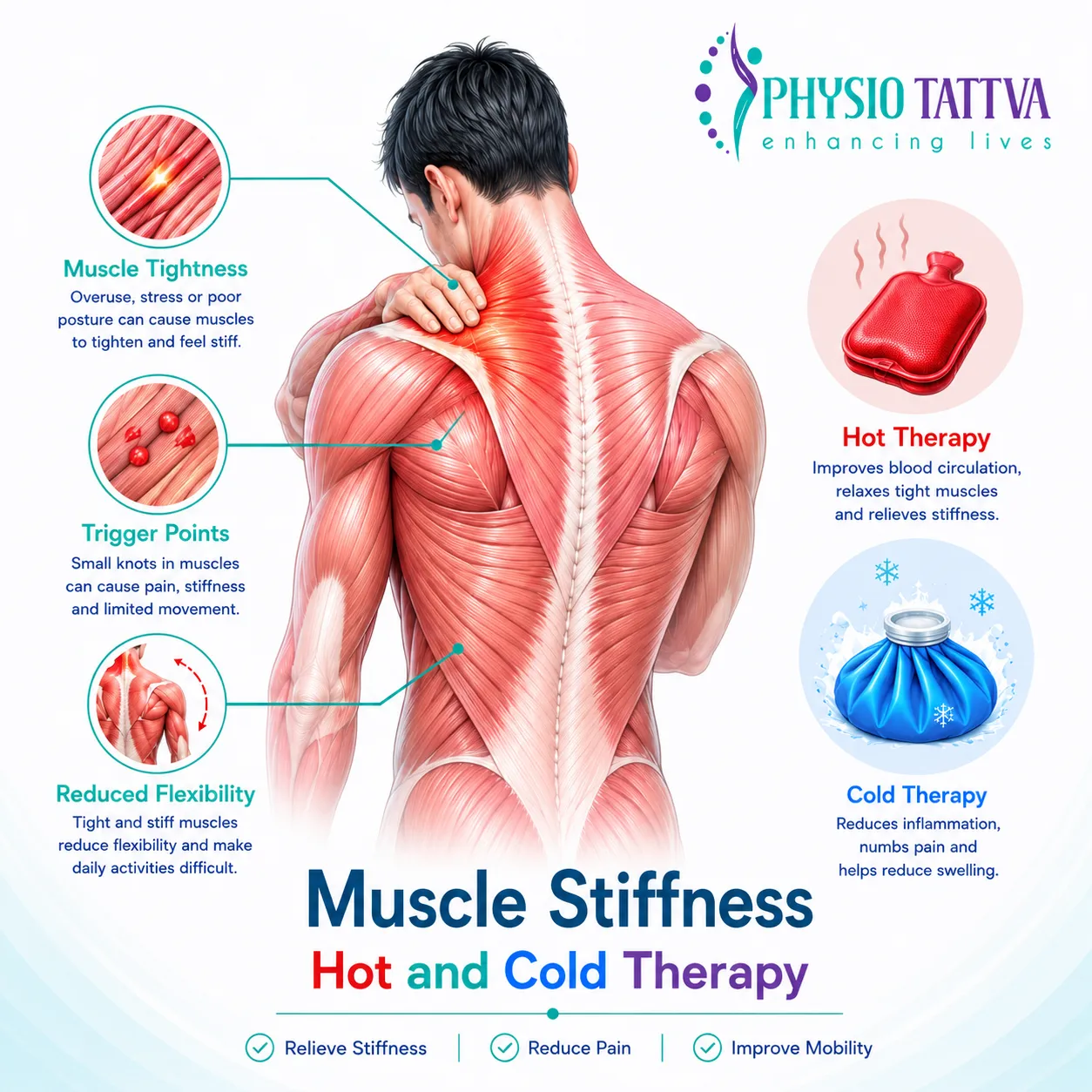
Muscle stiffness is a common problem that can occur due to a variety of factors, including overexertion, poor posture, stress, or even aging. It often leads to discomfort, reduced range of motion, and can significantly impact daily activities. Whether it's the tightness you feel after an intense workout or the chronic stiffness from sitting for long hours, finding the right way to relieve it is essential for maintaining mobility and overall health. One of the most effective, drug-free methods for managing muscle stiffness is hot and cold therapy.
Cold Therapy (Cryotherapy): For Acute Injuries & Inflammation
Think of cold therapy as your first responder for new injuries. Its main purpose is to reduce inflammation and numb pain.
How It Works
Cold therapy works by creating a controlled cooling effect on the tissues, which triggers several physiological responses that help manage pain and inflammation. Understanding these actions makes it easier to use ice correctly and maximise its therapeutic benefits. Here’s what happens inside the body when cold is applied:
- Reduces Blood Flow: Limits the amount of swelling and inflammation in the affected area.
- Numbs the Area: Slows down nerve signals, providing immediate pain relief.
- Decreases Metabolic Activity: Slows down cellular processes, which can help limit secondary tissue damage after an injury.
When to Use Cold Therapy for Muscle Stiffness?
Cold therapy is most effective during the early stages of injury or when inflammation is clearly present. It helps control swelling, reduces sharp pain, and supports initial healing. Knowing the right timing ensures you use ice strategically rather than making symptoms worse. Use cold therapy in situations such as:
- Acute Injuries (first 24-48 hours): Ideal for recent muscle strains, sprains, or trauma.
- After Intense Exercise: Helps reduce Delayed Onset Muscle Soreness (DOMS) and inflammation.
- Areas with visible swelling, redness, or heat: These are classic signs of inflammation that cold therapy is designed to treat.
How to Apply Cold Therapy for Muscle Stiffness?
Applying cold therapy correctly is essential to avoid skin damage and get the most benefit. The goal is to cool the tissues safely without overexposing them to extreme temperatures. Using the right method, timing, and protective barrier ensures both comfort and effectiveness. Here’s how to apply ice properly:
- Methods: Ice packs, frozen gel packs, bags of frozen vegetables, or an ice massage.
- Duration: Apply for 15-20 minutes at a time.
- Frequency: Allow at least 1 hour between sessions to let your skin return to normal temperature.
- Safety: Always wrap the ice pack in a thin towel or cloth to protect your skin from frostbite. Never apply ice directly to the skin.
Hot Therapy (Thermotherapy): For Chronic Stiffness & Soreness
Think of hot therapy as the relaxer. Its primary goal is to increase blood flow and soothe stiff, tight muscles.
How It Works?
Heat therapy works by creating gentle warmth that triggers vasodilation, the widening of blood vessels, which increases circulation and relaxes tight tissues. This improved blood flow delivers nutrients, reduces tension, and prepares stiff muscles for easier movement. Here’s what happens inside the body when heat is applied:
- Increases Blood Flow: Delivers more oxygen and nutrients to the muscle tissue, accelerating the healing process.
- Removes Waste Products: Helps flush out metabolic byproducts (like lactic acid) that contribute to soreness.
- Increases Tissue Elasticity: Makes muscles, tendons, and ligaments more flexible and less stiff.
When to Use Hot Therapy for Muscle Stiffness?
Hot therapy is most effective for non-inflammatory muscle stiffness, where increasing circulation through vasodilation helps tissues loosen and relax. It prepares muscles for movement, reduces long-standing tightness, and promotes a soothing sense of comfort. Use heat during situations like:
- Chronic Muscle Stiffness: Perfect for persistent tightness in areas like the neck, back, and shoulders.
- Before Activity: Applying heat before stretching or exercise can help warm up stiff muscles and improve range of motion.
- More than 48 hours after an injury: Once a new injury is past the initial inflammatory stage, heat can help with residual stiffness.
- General Tension and Stress: A warm bath or heating pad can promote overall relaxation.
How to Apply Hot Therapy for Muscle Stiffness?
To use hot therapy safely and effectively, apply warmth that encourages vasodilation without overheating the skin. The goal is gentle, therapeutic heat that softens tissues, improves flexibility, and reduces stiffness. Choosing the right heat source and duration ensures maximum benefit. Follow these guidelines:
- Methods: Electric heating pads, microwavable gel packs, hot water bottles, warm baths/showers, or a sauna.
- Duration: Apply for 15-20 minutes at a time.
- Types of Heat:
- Dry Heat (heating pads): Convenient and easy to use.
- Moist Heat (warm towels, baths): Many find this penetrates more deeply and provides better relief.
- Safety: The temperature should be warm, not scalding, to avoid burns. If using an electric pad, don't fall asleep with it on.
Contrast Therapy: Combining Hot and Cold for Muscle Stiffness
For some conditions, particularly post-workout recovery, alternating between hot and cold therapy can be highly effective. This creates a “pumping” action, as the blood vessels rapidly constrict and then dilate.
How it Works?
Before applying contrast therapy, it helps to understand why alternating temperatures is beneficial. The rapid shift between vasoconstriction and vasodilation creates a pumping effect that:
- Helps flush out inflammation
- Moves metabolic waste out of the muscles
- Stimulates circulation
- Reduces lingering muscle soreness
How to Apply?
To safely and effectively perform contrast therapy, follow a structured timing pattern that allows each temperature phase to work optimally. Begin with heat to relax the tissues, then switch to cold to reduce inflammation. A commonly recommended protocol is:
- Apply heat for 3–4 minutes
- Switch to cold for 1 minute
- Repeat 3–5 cycles
- Always finish with cold to minimise lingering inflammation
Important Safety Precautions
Before using hot or cold therapy, it’s essential to follow basic safety guidelines to prevent skin damage, irritation, or complications, especially if you have sensitive areas or underlying health conditions.
- Protect Your Skin: Never place a hot or cold source directly on your bare skin.
- Limit Duration: Do not exceed 20 minutes per session to prevent skin, nerve, or tissue damage.
- Listen to Your Body: If you feel excessive pain, numbness, or blistering, stop a-immediately.
- Avoid on Certain Conditions: Do not use hot or cold therapy on open wounds, infected areas, or areas with poor sensation (e.g., due to diabetes, MS, or neuropathy) without consulting a doctor. People with cardiovascular conditions should also consult a physician.
When to See a Doctor for Muscle Stiffness?
Although hot and cold therapy work well for routine muscle stiffness, certain symptoms may indicate a more serious underlying issue that requires professional evaluation. Seek medical attention if:
- The pain is severe, sudden, or unexplained.
- The stiffness does not improve after a week of self-care.
- The area shows signs of infection (fever, severe redness, pus).
- You experience numbness, tingling, or weakness in the limb.
Ease Your Pain with Personalised Therapy at Physiotattva
Hot and cold therapy remain some of the most effective, low-risk options for easing muscle stiffness when used correctly. Heat therapy helps loosen tight areas and improve blood flow, while cold therapy tackles swelling and inflammation. The right choice depends on the stage of your discomfort, the type of injury or tension, and your body’s response. In some cases, combining both through contrast therapy can provide even more powerful results. But self-treatment has its limits. If your stiffness lingers or is paired with pain, numbness, or weakness, it’s time to seek expert help.
At Physiotattva physiotherapy clinics in Bangalore and Hyderabad, you receive personalised care tailored to your specific needs, ensuring effective results and comfort throughout your journey to recovery.
Don’t wait to start your recovery! Get in touch with Physiotattva for more details! Contact us at +91 89510 47001.
Why Physiotattva?
22+
50,000+
95%
200+
25+
4.8
Cities We Serve

Bangalore
At Physio Tattva, we are committed to bring access to quality physio care through ultra-modern clinics and high-skilled practitioners to all.
.webp)
Hyderabad
At Physio Tattva, we are committed to bring access to quality physio care through ultra-modern clinics and high-skilled practitioners to all.
.webp)
Vishakhapatnam
At Physio Tattva, we are committed to bring access to quality physio care through ultra-modern clinics and high-skilled practitioners to all.
Core Treatments
Core Conditions
Core Symptoms
Frequently Asked Questions
Should I use heat or ice for muscle stiffness?

How long should I apply hot or cold therapy?
When should I avoid using heat on stiff muscles?
What about alternating between hot and cold therapy?
What’s the best way to relieve neck and shoulder stiffness from sitting at a desk?





%20(1)-p-3200.jpeg)


.jpg)
.webp)
.webp)
.webp)