




Persistent muscle stiffness can be more than just an annoyance—it can limit your range of motion, cause chronic pain, and impact your quality of life. Whether it's from stress, overuse, an old injury, or poor posture, that feeling of tight, unyielding muscle is a common complaint. While stretching and massage offer temporary relief, many are turning to a more targeted and effective treatment: dry needling therapy for muscle stiffness.
This science-backed technique, performed by trained physical therapists and other healthcare professionals, goes directly to the source of the problem. Let’s explore how it works and if it could be the solution you've been searching for.
What is Dry Needling?
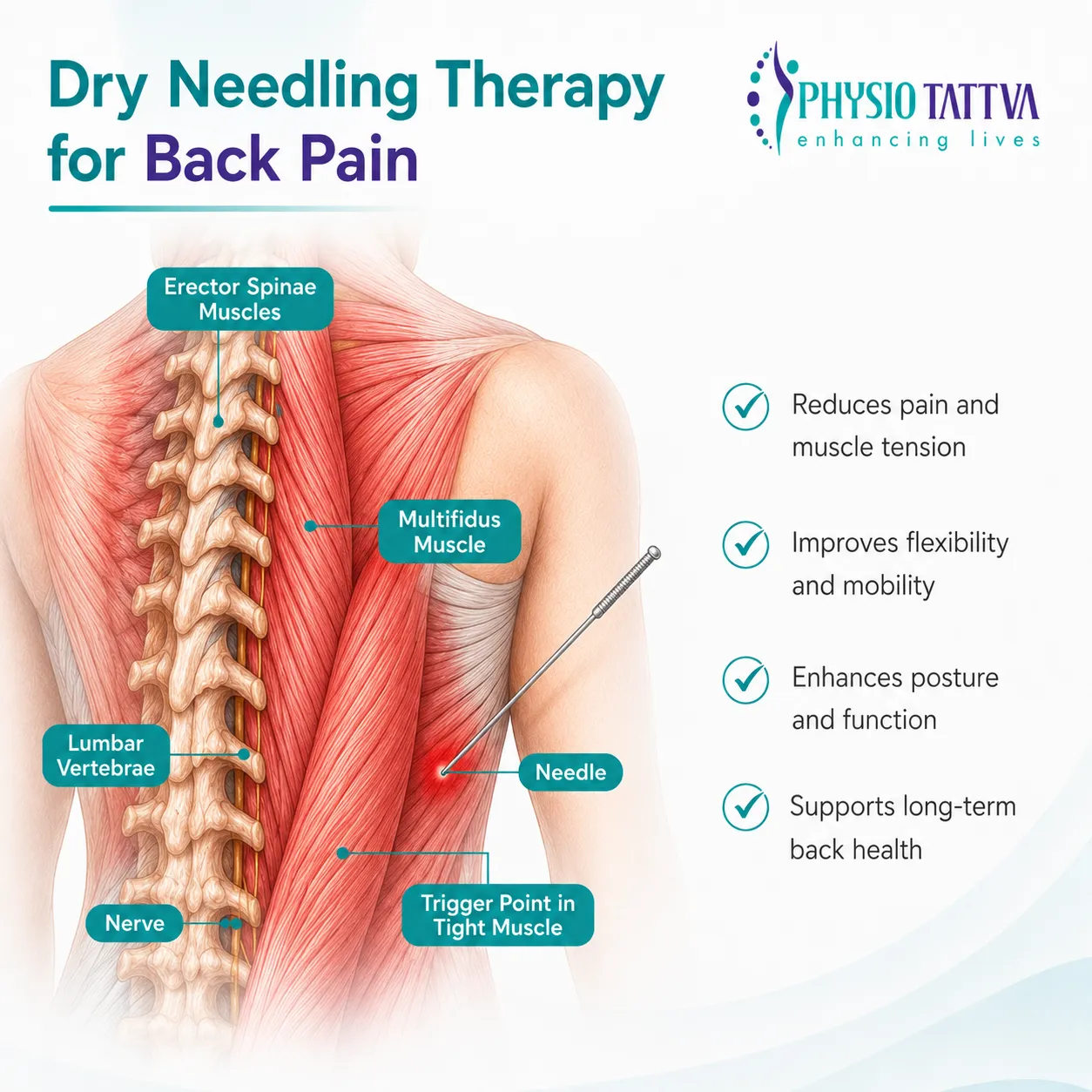
Dry needling is a modern therapeutic technique used to treat musculoskeletal pain and dysfunction. It involves inserting a thin, solid filiform needle- the same type used in acupuncture- into the skin and muscle tissue. The key is in the target: the needle is aimed directly at myofascial trigger points.
Important Distinction: While it uses the same tool, dry needling is not acupuncture. Its practice is based on Western neuroanatomy and modern scientific principles of musculoskeletal medicine, whereas acupuncture is based on traditional Chinese medicine's concept of energy flow (Qi).
How Does Dry Needling Specifically Address Muscle Stiffness?
Muscle stiffness is often caused by the presence of myofascial trigger points, commonly known as "muscle knots." These are hyperirritable, taut bands of skeletal muscle that are locked in a contracted state. They disrupt blood flow, accumulate metabolic waste, and send pain signals to the brain.
Dry needling therapy for muscle stiffness works through several key mechanisms:
- Eliciting a "Local Twitch Response" (LTR): When the needle accurately stimulates a trigger point, it often produces an involuntary spinal cord reflex called a "local twitch response." This twitch is a sign that the trigger point has been found and is "releasing." This rapid contraction and subsequent relaxation helps to:
- Break the pain-spasm-pain cycle.
- Release the tense muscle fibers.
- Restore normal muscle function.
- Improving Blood Flow and Oxygenation: The tight muscle fibers within a trigger point restrict blood flow. The micro-trauma caused by the needle insertion creates a localized healing response. The body increases circulation to the area, flushing out pain-causing chemicals and delivering oxygen-rich blood to the starved tissue.
- Deactivating the Pain Source: By stimulating the trigger point, dry needling helps to "reset" the nerve endings, reducing spontaneous electrical activity that causes both the persistent contraction and the referred pain associated with the knot.
In short, dry needling doesn't just mask the stiffness; it targets the underlying physiological cause, allowing the muscle to return to its normal, supple state.
Conditions and Body Areas Commonly Treated for Stiffness
Dry needling is widely used to ease stiffness throughout the body, especially in muscles that become tight from poor posture, stress, repetitive activity, or injury. It provides targeted relief by addressing deep-seated trigger points that are often difficult to release through stretching or massage alone. It is commonly used to address stiffness in areas such as:
- Neck Stiffness: From "tech neck," whiplash, or stress.
- Upper Back and Shoulder Stiffness: Targeting the trapezius and rhomboid muscles.
- Lower Back Pain and Stiffness: Releasing trigger points in the quadratus lumborum (QL) and gluteal muscles.
- Hip and Glute Tightness: Often seen in runners and individuals who sit for long periods.
- Leg Stiffness: Including tight hamstrings, calves (gastrocnemius), and quadriceps.
- Tension Headaches: By releasing trigger points in the neck and upper back muscles that refer pain to the head.
The Benefits of Dry Needling for Stiff Muscles
Patients who undergo dry needling for muscle stiffness often report several noticeable improvements, making it a preferred choice for targeted relief:
- Targeted & Rapid Relief: It goes straight to the source of the knot, often providing a faster and deeper sense of release compared to manual therapy alone.
- Improved Range of Motion: Once the muscle relaxes, joint mobility improves almost immediately, allowing smoother and more comfortable movement.
- Significant Pain Reduction: By deactivating trigger points, it stops them from sending continuous pain signals to the brain.
- Accelerated Recovery: Ideal for athletes and active individuals, as it speeds up healing after muscle overuse, strain, or repetitive stress.
- A Powerful Complementary Treatment: Works exceptionally well when combined with stretching, strengthening exercises, physiotherapy, or joint mobilization for long-term improvement.
- Enhanced Muscle Function: Releasing tight trigger points allows the muscle to activate correctly again, improving overall performance and reducing future stiffness.
What to Expect During and After a Session
Before you begin dry needling therapy, understanding what happens during a typical session can ease any concerns and help you know what to expect at each step.
- Assessment: Your therapist will first assess your posture, movement, and palpate your muscles to locate the specific trigger points causing your stiffness.
- The Procedure: You will be positioned comfortably. The therapist will clean the skin and use a sterile, single-use needle. You may feel a tiny prick as the needle enters the skin. The goal is to elicit the local twitch response, which can feel like a brief muscle cramp or a deep ache. This sensation is a good sign that the treatment is working.
- After the Session: It is common to feel post-treatment soreness, similar to what you might feel after a deep tissue massage or an intense workout. This "good" soreness typically lasts 24-48 hours. Your therapist will likely recommend gentle stretching, applying heat, and staying hydrated. Many patients report a significant improvement in their stiffness and mobility once the initial soreness subsides.
Begin Your Recovery Journey with Expert Care at Physiotattva
Dry needling has emerged as a highly effective option for those struggling with chronic muscle tightness, overuse injuries, or stubborn trigger points that don’t respond well to stretching or massage. By targeting the root cause of stiffness, this therapy helps improve circulation, release tension, and restore natural muscle function. Although temporary soreness can occur, many people experience noticeable relief and improved movement soon after treatment. Working with a skilled physiotherapist ensures the therapy is tailored to your specific needs and integrated with strengthening, mobility work, and postural correction. If you're searching for lasting relief from muscle stiffness, dry needling may be the breakthrough solution you’ve been missing.
At Physiotattva physiotherapy clinics in Bangalore and Hyderabad, you receive personalised care tailored to your specific needs, ensuring effective results and comfort throughout your journey to recovery.
Don’t wait to start your recovery! Get in touch with Physiotattva for more details! Contact us at +91 89510 47001.
Why Physiotattva?
22+
50,000+
95%
200+
25+
4.8
Cities We Serve

Bangalore
At Physio Tattva, we are committed to bring access to quality physio care through ultra-modern clinics and high-skilled practitioners to all.
.webp)
Hyderabad
At Physio Tattva, we are committed to bring access to quality physio care through ultra-modern clinics and high-skilled practitioners to all.
.webp)
Vishakhapatnam
At Physio Tattva, we are committed to bring access to quality physio care through ultra-modern clinics and high-skilled practitioners to all.
Core Treatments
Core Conditions
Core Symptoms
Frequently Asked Questions
Is dry needling therapy painful?

How many dry needling sessions will I need?
Who can perform dry needling?
Is dry needling right for me?






%20(1)-p-3200.jpeg)


.jpg)
.webp)
.webp)
.webp)