



Physiotherapist
Dr. Sojimol K.B (PT)
Clinical Co-ordinator
Electronic City
- Cardiac and respiratory physiotherapy (including open-heart surgery rehab) ICU-based care: Adult
- Pediatric
- Neonatal
- CCU Neuro and neurosurgical rehab: Stroke
- GBS
- Parkinson’s
- CP
- aneurysm
- spinal fixation Post-surgical and discharge rehabilitation planning Functional assessments and progress-adjusted care plans.
- Experience
- 17+ Years
- Languages
- English, Hindi, Kannada, Tamil Malayalam
- Qualification
- Bachelor of Physiotherapy
- Clinic
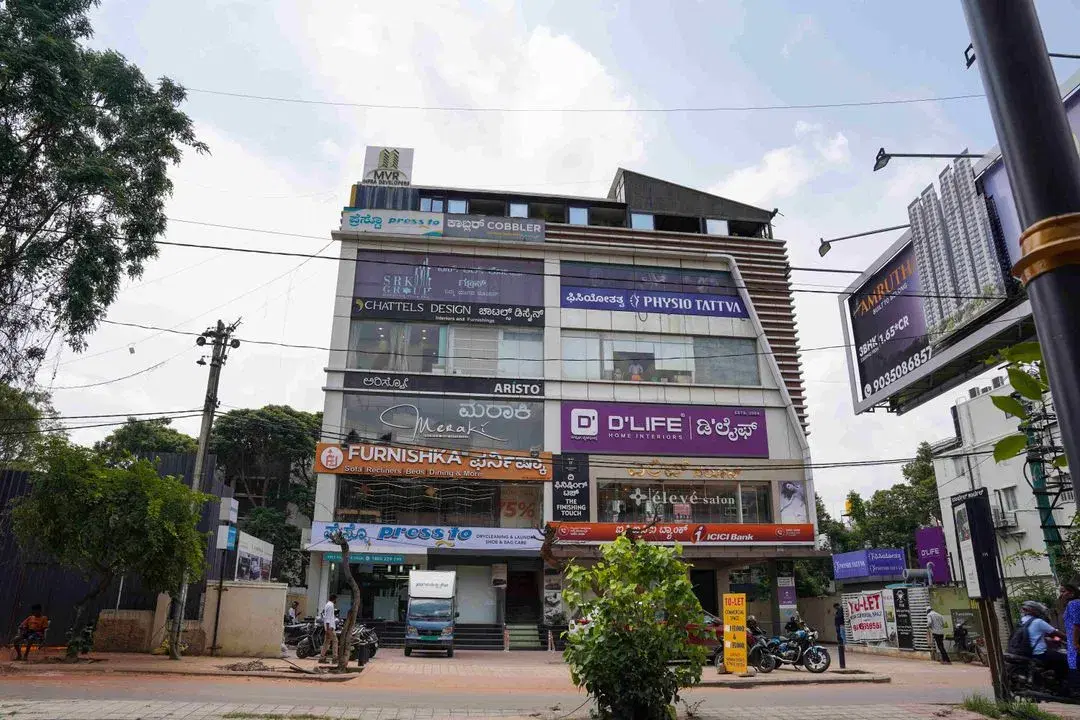
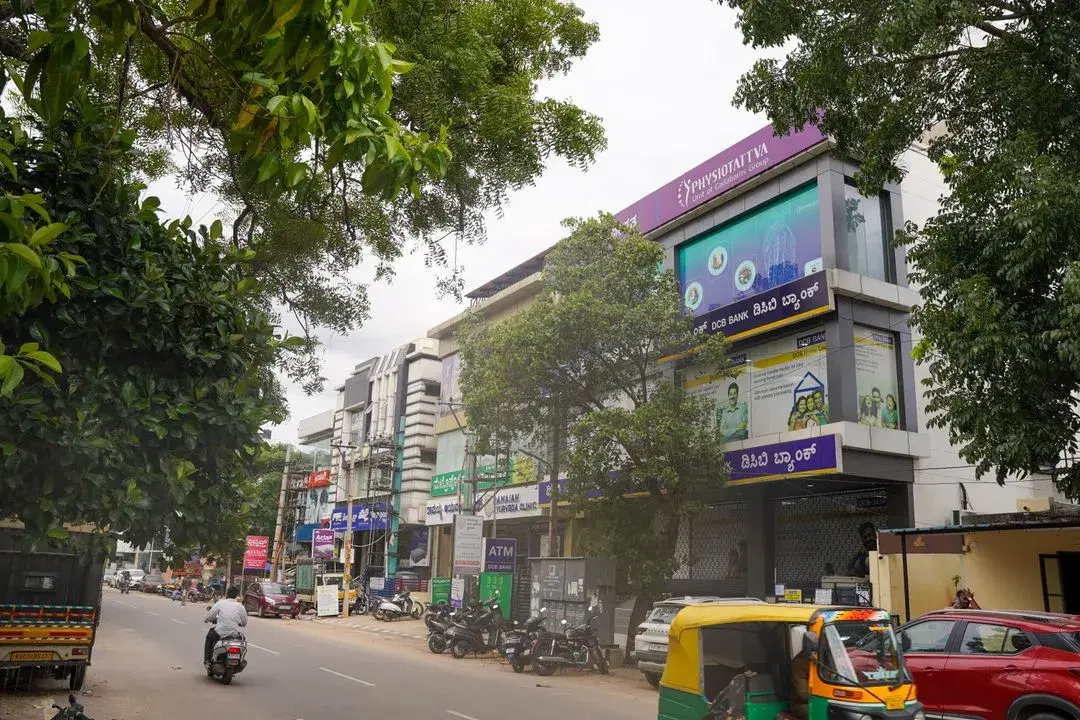
- 3th floor, Thogur Cross, Neeladri Rd, Doddathoguru, Electronic City Phase I, Electronic City, Bengaluru, Karnataka 560100
Dr. Sojimol K.B is a senior clinical Co-ordinator with over 17 years of experience delivering multidisciplinary rehabilitation across ICU, neuro, cardio, and surgical departments. She has worked with leading hospitals in India and Bahrain, managing complex cases including open-heart surgeries, stroke, Parkinson’s, and spinal procedures. Her core competencies include functional assessment, customised care planning, and hands-on rehabilitation techniques tailored to individual recovery needs. With a deep understanding of post-surgical care and neurorehab, Dr. Sojimol ensures high standards of clinical execution and patient education across diverse healthcare settings.
Where they work
Areas covered
From the blog
Articles by Dr. Sojimol K.B (PT)
 Neuro Condition31 October 2025
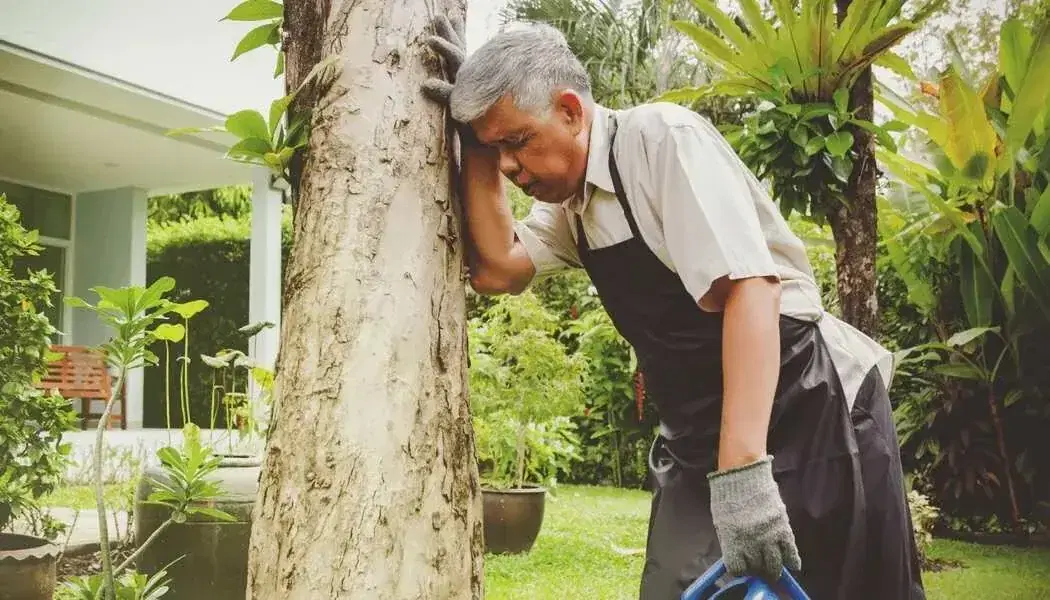
Atypical parkinsonism, also known as atypical Parkinson's disease, is a group of disorders that copy Parkinson’s symptoms—tremors, stiffness, slow moves, and shaky balance. Unlike Parkinson’s, they progress faster and stem from different brain issues. They have similar traits, like early falls or eye movement glitches. Treatments are designed to manage symptoms, not cure, since these conditions hit harder and resist typical Parkinson’s drugs, treatment for neurodegenerative atypical Parkinsonism syndromes is symptom-focused.
 Health30 October 2025
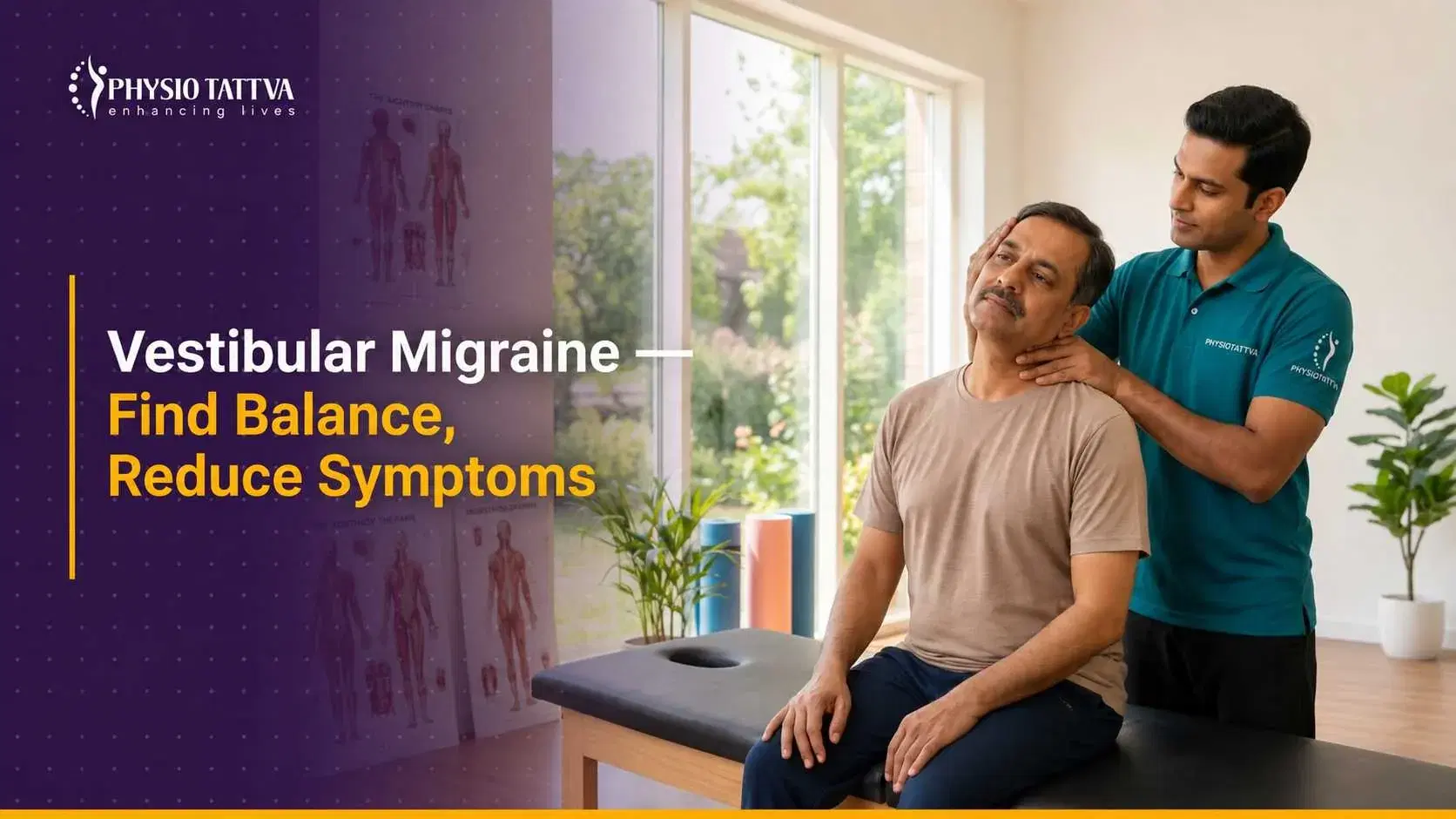
Vestibular migraines are a type of migraine that comes with dizziness, balance issues, and vertigo, sometimes without a headache. This can cause nausea, sensitivity to movement, and a spinning sensation leading to disruptions in daily activities. The cause is still unknown; triggers include stress, poor sleep, certain foods, and hormonal changes. Family history can also be a risk factor. Management of vestibular migraines is achieved through prevention and symptom management using medication, lifestyle changes, and physiotherapy. Balance exercises and proper care planning can help reduce dizziness and improve stability. Determining triggers and receiving expert advice are important steps in management. Knowing the difference between vestibular migraines and other forms can help you identify appropriate strategies for regaining control and optimising well-being.




Treatments
Related treatments


Therapies
Related therapies



Start with an assessment
We measure what you've lost, find the cause, and set out a plan with a target and a timeline.
- Call us+91 89510 47001
- Email usinfo@physiotattva.com
- Visit a clinic23 clinics across Bangalore, Hyderabad and Visakhapatnam
- Or stay homePhysiotherapy at home