





Cervical Radiculopathy
Cervical radiculopathy can cause debilitating pain and numbness. Understand the symptoms and causes, and explore how physiotherapy at Physiotattva can help alleviate pain, restore function, and improve quality of life.

The persistent tingling in your fingers, sharp shooting pain from your neck down your arm, or sudden weakness when lifting something can be alarming and disruptive. These symptoms are often mistaken for a simple "stiff neck" or muscle strain, but they may indicate cervical radiculopathy, commonly known as a "pinched nerve in the neck." This condition occurs when a nerve root near the cervical vertebrae becomes compressed or irritated. Recognising the distinct symptoms and understanding the causes is the first step toward effective management. This article explains everything you need to know about cervical radiculopathy and how physiotherapy can help you regain a pain-free life.
Key Signs of a Pinched Nerve in the Neck
The experience of a pinched nerve in the neck is not one-size-fits-all. The signs can range from mildly annoying to severely debilitating, depending on which nerve is affected and the extent of the compression. Accurate identification of these signs is crucial for a proper diagnosis and effective treatment plan.
Pain That Radiates from the Neck
This is the most classic symptom. The pain is not confined to the neck; it travels along the path of the compressed nerve. This is often described as a sharp, burning, or shooting pain that can extend to the shoulder, arm, hand, and even fingers.
Numbness or Tingling Sensations
You might feel a "pins-and-needles" sensation (paresthesia) in the areas supplied by the affected nerve. This tingling or numbness can make everyday tasks like typing or buttoning a shirt feel awkward and difficult.
Muscle Weakness
Nerve compression can interfere with signals to your muscles, leading to noticeable weakness. You might find it hard to grip objects, lift your arm, or perform tasks that require fine motor skills, indicating that the nerve is significantly impacted.
Specific Symptoms by Nerve Root Level
Knowing cervical radiculopathy symptoms by level helps pinpoint the exact location of the nerve compression. This is essential for a targeted diagnosis and treatment.
- C4 Radiculopathy Symptoms: Compression at the C4 level often causes pain and weakness in the neck, upper back (trapezius muscle), and top of the shoulders. Unlike other levels, it typically doesn't cause significant arm or hand symptoms.
- C6 & C7 Radiculopathy Symptoms: This is one of the most common areas for this condition. C6-C7 radiculopathy symptoms involve pain, numbness, and tingling that can travel down the arm to the index and middle fingers. Weakness may be present in the triceps (back of the arm) and wrist muscles.
The Diagnostic Process
To confirm the condition, a physiotherapist or doctor will conduct a thorough cervical radiculopathy symptoms diagnosis. This involves a physical examination to test your reflexes, muscle strength, and sensation, alongside specific neck movements to see if they reproduce your symptoms. In some cases, imaging tests like an MRI may be recommended to visualise the nerve and identify the source of compression.
Exploring What Causes Cervical Radiculopathy
Understanding the root cause of nerve compression is key to preventing its recurrence. The issue often stems from changes in the structures surrounding the nerve roots as they exit the spinal canal. These changes can happen gradually over time or suddenly due to injury.
Degenerative Disc Disease
As we age, the discs that cushion our vertebrae can lose height and hydration. This process can cause the vertebrae to move closer together, narrowing the space (foramen) where the nerves exit and leading to compression.
Herniated or Bulging Disc
A common answer to "what causes cervical radiculopathy" is a herniated disc. An injury or degenerative changes can cause the soft, gel-like center of a spinal disc to push out through its tougher exterior, placing direct pressure on an adjacent nerve root.
Cervical Spondylosis (Bone Spurs)
Also known as neck arthritis, this condition involves age-related wear and tear of the cervical spine. The body may respond by growing extra bone, called bone spurs (osteophytes), to reinforce the spine. These spurs can narrow the foramina and pinch the nerves.
Acute Injury or Trauma
A sudden force from a car accident (whiplash), a fall, or a sports injury can cause immediate changes to the neck's anatomy. This trauma can lead to a herniated disc or inflammation that results in nerve root compression.
How Physiotherapy Helps Manage Cervical Radiculopathy Symptoms
Physiotherapy is a cornerstone of effective, non-surgical management for a pinched nerve in the neck. The goal is not just to alleviate pain but to address the underlying mechanical issues, restore function, and prevent future episodes. At Physiotattva, our approach is comprehensive and patient-centric.
Manual Therapy and Mobilisation
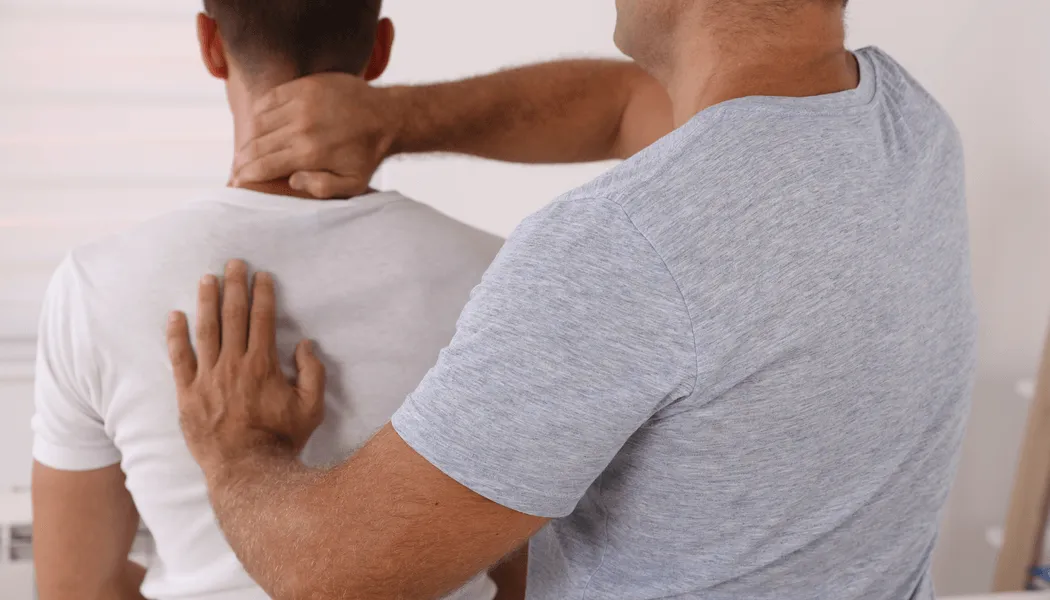
Our skilled physiotherapists use hands-on techniques to gently mobilise the cervical spine. This helps to open up the foraminal space, reduce pressure on the nerve root, decrease stiffness, and restore healthy movement to the neck joints.
Targeted Strengthening and Stretching
Weakness in the deep neck flexors and upper back muscles can contribute to poor posture and increased strain on the cervical spine. We design a personalised exercise program to strengthen these supporting muscles and stretch tight muscles (like the chest and certain neck muscles) to create a more balanced and resilient spinal structure.
Posture Correction and Ergonomics
How you sit, stand, and work has a profound impact on your neck health. We provide expert guidance on ergonomic adjustments for your workstation and teach you proper posture to minimise daily strain on your cervical spine, which is a critical part of managing your cervical radiculopathy symptoms.
Pain Management Modalities
To provide immediate relief, we may use modalities such as interferential therapy (IFT), therapeutic ultrasound, or heat/cold therapy. These treatments help reduce inflammation, calm nerve irritation, and alleviate the sharp pain associated with the condition.
Achieve Pain Relief and Recovery with Physiotattva Physiotherapy
Dealing with the radiating pain, numbness, and weakness of a pinched nerve in the neck can be frustrating, but it’s highly treatable with the right approach. By understanding the symptoms and underlying causes, you can take proactive steps toward recovery. Physiotherapy provides a non-invasive solution that not only manages pain but also addresses the root mechanical issues. With the right treatment, you can regain strength, function, and control over your life. Don’t let neck and arm pain limit your daily activities; effective relief is within reach.
At Physiotattva physiotherapy clinics in Bangalore and Hyderabad, you receive personalised care tailored to your specific needs, ensuring effective results and comfort throughout your journey to recovery.
Don’t wait to start your recovery! Get in touch with Physiotattva for more details! Contact us at +91 89510 47001.
Frequently Asked Questions
What are the most common cervical radiculopathy symptoms?

The most common symptoms include sharp, shooting pain that radiates from the neck into the shoulder, arm, or hand; numbness or a "pins-and-needles" sensation along the nerve path; and weakness in the muscles of the arm or hand.
What does C6-C7 radiculopathy feel like?
C6-C7 radiculopathy symptoms typically involve pain, numbness, or tingling that travels down the back of the arm and into the index and middle fingers. You might also experience weakness in your triceps muscle, making it difficult to straighten your elbow against resistance.
Can physiotherapy completely fix a pinched nerve in the neck?
In many cases, yes. Physiotherapy is highly effective at reducing nerve compression by improving posture, strengthening support muscles, and increasing space around the nerve through manual techniques. It corrects the biomechanical faults that led to the problem, providing long-term relief and preventing recurrence.
How long does recovery take?
Recovery time varies based on the severity of the compression and the individual's overall health. Many patients experience significant relief from their cervical radiculopathy symptoms within a few weeks of starting a consistent physiotherapy program, with continued improvement over several months.



.webp)





.webp)

.webp)







%20(1)-p-3200.jpeg)


.jpg)
.webp)
.webp)
.webp)