Cervical Radiculopathy

Cervical Radiculopathy

The sudden, sharp pain that shoots from your neck down your arm can be more than just alarming—it can be debilitating. Simple tasks like typing, lifting a bag, or even finding a comfortable sleeping position can quickly become difficult. When this radiating pain is accompanied by numbness, tingling, or muscle weakness, it often points to a condition known as Cervical Radiculopathy. Commonly referred to as a “pinched nerve,” this condition occurs when a nerve root in the cervical spine becomes compressed or irritated. Understanding what is cervical radiculopathy is essential for timely treatment and long-term recovery.

Neck pain that radiates into the arm, along with tingling or weakness, may indicate cervical radiculopathy. Learn what causes this pinched nerve condition and how specialised physiotherapy at Physiotattva helps relieve symptoms, improve nerve function, and restore everyday movement safely.

What is Cervical Radiculopathy?

To truly grasp this condition, it’s helpful to break down the term. "Cervical" refers to the neck region of your spine, and "radiculopathy" means disease of a nerve root. In simple terms, cervical neck radiculopathy occurs when a nerve root near your cervical vertebrae becomes compressed or irritated. This irritation disrupts the nerve’s ability to send and receive signals, leading to symptoms that travel along the nerve's path.

The Anatomy of Your Cervical Spine

Your neck is a remarkable structure, designed for both strength and flexibility. It consists of seven vertebrae, labelled C1 through C7. Between each vertebra lies an intervertebral disc, a soft, gel-like cushion that absorbs shock and allows for smooth movement. At each level, a pair of nerve roots exits the spinal canal through small openings called foramina. These nerves branch out to supply sensation and control muscle function in your shoulders, arms, and hands.

The Mechanism of a 'Pinched Nerve'

A "pinched nerve" happens when one of these crucial nerve roots is subjected to pressure or inflammation. This can occur if a disc bulges or herniates, pushing its material into the space occupied by the nerve. It can also happen if age-related changes, like the growth of bone spurs, narrow the foramina (a condition called foraminal stenosis). When the nerve is compressed, it sends out distress signals in the form of pain, numbness, or weakness, which are the classic signs of radiculopathy.

Distinguishing Radiculopathy from General Neck Pain

While you may have neck pain with radiculopathy, the condition is distinct from common neck stiffness or muscle strain. General neck pain is often localized and muscular. In contrast, cervical radiculopathy involves neurological symptoms—pain, tingling, or weakness, that radiate away from the spine and travel down into the shoulder, arm, or hand. This radiating pattern is the defining characteristic that signals nerve involvement and requires a specialized diagnostic approach.

Causes and Key Risk Factors for Cervical Radiculopathy

Understanding the "why" behind your pain can empower you to take control of your recovery. Cervical radiculopathy causes are typically divided into two main categories: degenerative changes and acute injuries.

Degenerative Conditions

The most frequent cause is the natural wear and tear that occurs with age. Over decades, our spinal discs can lose hydration and become less flexible, making them more prone to bulging or herniating. The body may also respond to this instability by forming bone spurs (osteophytes) around the vertebrae, which can narrow the foramina and compress the nerve roots.

Acute Injury or Trauma

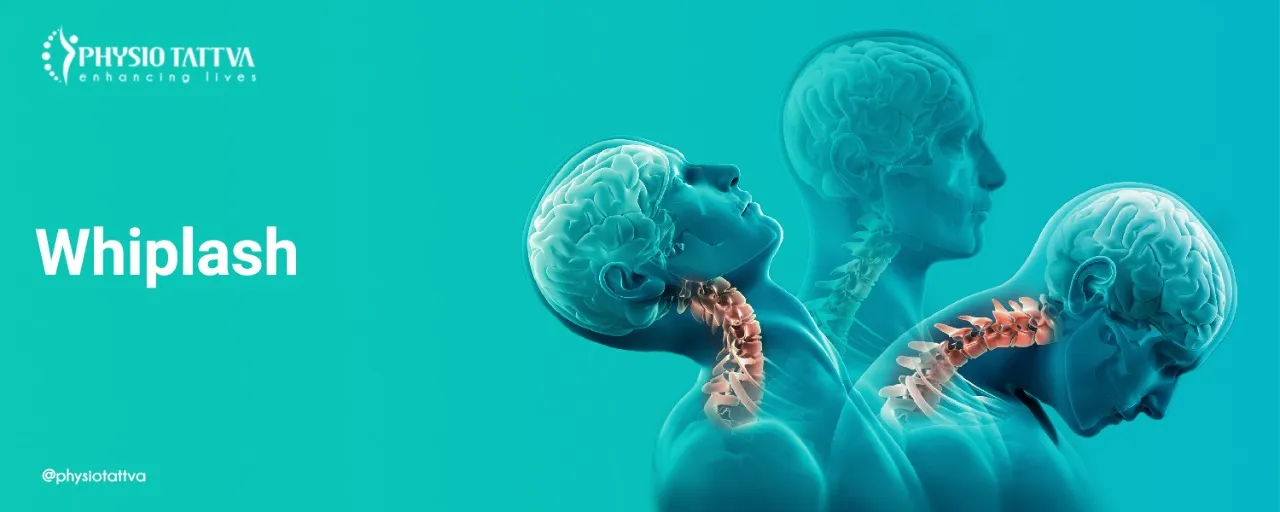
A sudden, forceful event can also trigger a pinched nerve. A car accident causing whiplash, a fall, or a sports injury can cause a healthy disc to herniate suddenly. Improperly lifting a heavy object can also place immense pressure on the cervical spine, leading to acute disc damage and nerve root compression.

Common Risk Factors for Cervical Radiculopathy

Certain factors can increase your likelihood of developing this condition:

  • Age: It’s most common in individuals in their 40s and 50s.
  • Occupation: Jobs that involve repetitive neck movements, prolonged awkward postures (like "text neck"), or heavy lifting put you at higher risk.
  • Previous Trauma: A history of neck injury can predispose you to future problems.
  • Lifestyle: Smoking is known to accelerate disc degeneration.
  • Genetics: Some people may have a genetic predisposition to degenerative disc disease.

Recognising Cervical Radiculopathy Symptoms and Nerve-Related Signs

Cervical radiculopathy symptoms can vary in intensity and pattern, depending on the affected nerve root. Common signs include:

  • Radiating neck and arm pain that feels sharp, burning, or shooting, often worsening with neck movements such as turning the head or looking up
  • Cervical radiculopathy referred pain travelling from the neck into the shoulder, arm, forearm, or hand
  • Numbness or tingling in the arm, hand, or specific fingers, often described as pins and needles
  • Muscle weakness in the shoulder, arm, or hand, causing difficulty lifting objects or reduced grip strength
  • Neck and upper back muscle spasms as the body tightens to protect the irritated nerve
  • Headaches or migraines linked to upper cervical nerve irritation (C1–C3), often starting at the base of the skull
  • Dizziness or unsteadiness due to disrupted neck position sensors (proprioceptors)
  • Symptoms varying by nerve level, such as:
    • C5 radiculopathy: shoulder weakness and pain around the shoulder blade
    • C6 radiculopathy: biceps and wrist weakness with numbness in the thumb and index finger
    • Bilateral C7 radiculopathy: triceps weakness and numbness in the middle fingers of both hands
  • Arm-related symptoms only, helping distinguish cervical radiculopathy from lower back conditions like bilateral L5 or S1 radiculopathy, which affect the legs

How Cervical Radiculopathy Is Diagnosed

An accurate diagnosis is essential for targeted treatment. Physiotherapists use a combination of clinical assessment and diagnostic tools to identify the affected nerve root and the underlying cause of symptoms.

  • Comprehensive physical examination including:
    • Assessment of neck range of motion
    • Reflex testing in the upper limbs
    • Muscle strength testing in the arms and hands (myotome testing)
    • Sensory mapping to identify areas of numbness or tingling (dermatome testing)
  • Special clinical tests for cervical radiculopathy:
    • Spurling’s Test, where the neck is gently positioned to narrow the neural foramen
    • Reproduction of arm pain or neurological symptoms during this test strongly indicates nerve root compression
  • Advanced diagnostic imaging (when required):
    • MRI to visualise herniated discs, nerve compression, and soft tissue changes
    • X-ray to assess spinal alignment and bone spurs
    • CT scan for detailed evaluation of bony structures

Role of Physiotherapy in the Management of Cervical Radiculopathy

Physiotherapy is a cornerstone of non-invasive treatment for cervical radiculopathy, focusing on pain relief, nerve decompression, and long-term spinal stability.

  • Pain and inflammation control
    • Use of ice or heat therapy to reduce irritation
    • Gentle range-of-motion exercises to maintain neck mobility
    • Postural correction to unload compressed cervical structures
  • Manual therapy (hands-on techniques)
    • Joint mobilization to improve movement of cervical vertebrae
    • Soft tissue massage to release tight neck and shoulder muscles
    • Reduction of mechanical pressure on the affected nerve root
  • Therapeutic exercises for strength and stability
    • Strengthening of deep neck flexors for cervical support
    • Upper back muscle activation, including rhomboids and lower trapezius
    • Improved spinal alignment to reduce disc and nerve strain
  • Mechanical traction for cervical radiculopathy
    • Gentle, controlled traction applied to the cervical spine
    • Increased space between vertebrae and neural foramina
    • Direct decompression of the pinched nerve root
    • Often provides significant and immediate pain relief

Factors to Consider When Choosing the Right Neuro Rehab Centre

Your choice of clinic can significantly influence the speed and quality of your recovery.

  • Specialised expertise in spinal health
    • Physiotherapists with advanced training in spinal and nerve-related conditions
    • Proven experience managing cases such as C5–C6 radiculopathy
  • Individualised and goal-oriented treatment plans
    • Thorough initial assessment rather than generic protocols
    • Personalised programmes tailored to your diagnosis, symptoms, and lifestyle goals
  • Access to advanced therapeutic modalities
    • Availability of modern manual therapy techniques
    • Specialised equipment such as mechanical traction for comprehensive care

How to Care for a Loved One with Cervical Radiculopathy

Supporting someone with cervical radiculopathy involves practical help and consistent encouragement.

  • Provide practical assistance
    • Help with activities that strain the neck, such as lifting groceries or driving
    • Assist with reaching overhead items to reduce symptom flare-ups
  • Encourage and support their treatment plan
    • Gently remind them to perform prescribed home exercises
    • Offer reassurance and motivation during the recovery process
  • Create an ergonomic home environment
    • Adjust chair height and workstation setup
    • Ensure computer screens are at eye level
    • Provide a supportive pillow to maintain proper neck alignment during sleep

Recover from Cervical Radiculopathy with Expert Care at Physiotattva

Cervical Radiculopathy can be a painful and frustrating condition, but it is highly treatable. An early diagnosis, coupled with a comprehensive, evidence-based physiotherapy program, is the key to relieving pain, restoring full function, and preventing recurrence. You don't have to let neck and arm pain control your life.

At Physiotattva physiotherapy clinics in Bangalore and Hyderabad, you receive personalised care tailored to your specific needs, ensuring effective results and comfort throughout your journey to recovery. 

Don’t wait to start your recovery! Get in touch with Physiotattva for more details! Contact us at +91 89510 47001.

Frequently Asked Questions

Can cervical radiculopathy cause paralysis?

FAQ Icon
While true paralysis is extremely rare, severe and prolonged nerve compression can lead to significant muscle weakness and loss of function. This is why a timely and accurate diagnosis is critical to prevent the potential for long-term damage.

What's the difference between cervical radiculopathy and lumbar (e.g., bilateral L5 or S1) radiculopathy?

FAQ Icon
The key difference is the location of the pinched nerve. Cervical radiculopathy involves a nerve in the neck, causing symptoms in the shoulder, arm, or hand. In contrast, conditions like bilateral l5 radiculopathy or bilateral s1 radiculopathy involve pinched nerves in the lower back, resulting in sciatica symptoms like pain, numbness, or weakness in the legs and feet.

How long does it take to recover?

FAQ Icon
Recovery time varies based on the severity of the compression and the underlying cause. With consistent and expert physiotherapy, many individuals experience significant improvement within 4 to 8 weeks. Full recovery and restoration of strength may take several months.

Related Conditions

Related Treatments

No items found.

Related Symptoms

No items found.

Related Therapies

No items found.

Our Professionals

No items found.
No items found.
No items found.

Related Blogs

No posts published yet.

Get In Touch

Valid number
Thank you! Your submission has been received!
Oops! Something went wrong while submitting the form.