




Cranial Neuropathy
Cranial neuropathy disrupts daily life, causing facial pain, vision problems, and more. Learn about its causes and symptoms, and how physiotherapy at Physiotattva offers effective treatment to manage the condition and improve function.

Cranial neuropathy affects the vital nerves that control key functions in the body, from your smile to your sense of balance. When these nerves are disrupted, the result is often sudden, severe symptoms like facial paralysis, vision changes, and difficulty swallowing. This guide will walk you through the common symptoms, potential causes, and how physiotherapy plays a crucial role in managing this condition and regaining control of daily activities. This article explains how targeted physiotherapy can provide lasting relief.
Recognising the Key Signs and Symptoms of Cranial Neuropathy
The evidence of a cranial nerve disorder is incredibly varied, as symptoms directly correspond to which of the twelve nerves is affected. Because each nerve has a highly specialised function, from regulating your heartbeat to controlling eye movement—the signs can appear suddenly and be distinct. Paying attention to these early indicators is crucial for securing an accurate diagnosis from a healthcare professional, which paves the way for a targeted and effective treatment plan.
Sensory and Motor Changes in the Face
Damage to the facial nerve (VII) or trigeminal nerve (V) can profoundly impact your facial muscles and sensory perception. This disruption often leads to visible physical changes and significant discomfort, affecting your ability to express emotion, speak clearly, or even eat. Key signs include a sudden drooping on one side of the face, an inability to smile or close the eye completely, facial numbness or tingling, and in some cases, sharp, shooting facial pain (trigeminal neuralgia).
Vision and Eye Movement Issues
The optic (II), oculomotor (III), trochlear (IV), and abducens (VI) nerves work in concert to manage everything from clear sight to precise eye movements. When neuropathy affects any of these, it can cause major visual disturbances. Be vigilant for symptoms such as blurred or double vision (diplopia), pain during eye movement, a noticeably drooping eyelid (ptosis) that may obstruct vision, or pupils that appear to be of unequal size, indicating a problem with muscle control.
Hearing, Balance, and Dizziness
The vestibulocochlear nerve (VIII) is a dual-purpose nerve with one branch dedicated to hearing and the other to maintaining your sense of balance. Dysfunction here can severely disrupt your equilibrium and auditory processing. The most common indicators include a noticeable loss of hearing in one ear, a persistent ringing or buzzing sound known as tinnitus, or recurring episodes of vertigo—a disorienting sensation where you feel as though you or the room around you is spinning.
Difficulties with Swallowing and Speech
A number of cranial nerves, including the glossopharyngeal (IX), vagus (X), and hypoglossal (XII), are responsible for coordinating the complex muscles of the tongue, throat, and voice box. When these nerves are damaged, it can interfere with speaking and eating. Symptoms to watch for include developing a hoarse or breathy voice, difficulty swallowing (dysphagia), which may cause frequent choking on food or liquids, and slurred or imprecise speech (dysarthria).
Exploring the Main Cranial Neuropathy Causes
This neurological condition is not an independent disease but a symptom of a larger issue that compresses, damages, or disrupts a cranial nerve. A thorough diagnostic process is essential to pinpoint the exact reason, as this will guide the medical treatment. Cranial neuropathy causes are wide-ranging, stemming from everything from sudden physical trauma to slow-progressing chronic diseases.
Physical Trauma or Injury
A direct, forceful impact to the head or neck is one of the most frequent sources of acute nerve damage. Events such as a concussion, skull fracture, severe whiplash from an accident, or even complications during a medical or dental procedure can lead to the bruising, stretching, or tearing of a cranial nerve. This typically results in an immediate onset of symptoms that align with the function of the injured nerve.
Infections and Inflammatory Conditions
Sometimes, the body’s own immune response to an infection or an autoimmune disorder can cause inflammation, which leads to swelling that compresses a nerve. Viral infections like shingles or Lyme disease are known triggers for various neuropathies. Bell's palsy, a common form of facial nerve paralysis, is often linked to a viral cause. Furthermore, autoimmune conditions such as multiple sclerosis and Guillain-Barré syndrome can cause the immune system to attack and damage the nerves directly.
Vascular Issues and Tumours
Disruptions within the circulatory system can starve a nerve of the oxygen and nutrients it needs to function. A stroke, for instance, can cut off blood supply, while a bulging blood vessel (aneurysm) can press directly on a nerve. In addition, both benign (non-cancerous) and malignant (cancerous) tumours can develop near a cranial nerve, exerting progressive pressure on it over time and causing a gradual and worsening loss of function.
Systemic Diseases
Chronic diseases that impact the entire body are another one of the primary cranial neuropathy causes. Diabetes is a leading culprit, as prolonged high blood sugar levels are toxic to nerves and their blood supply, leading to diabetic neuropathy. Other systemic conditions, such as high blood pressure (hypertension), certain vitamin deficiencies, and inflammatory diseases like sarcoidosis, can also contribute significantly to nerve damage and dysfunction.
How Physiotherapy Helps Manage Cranial Neuropathy Symptoms
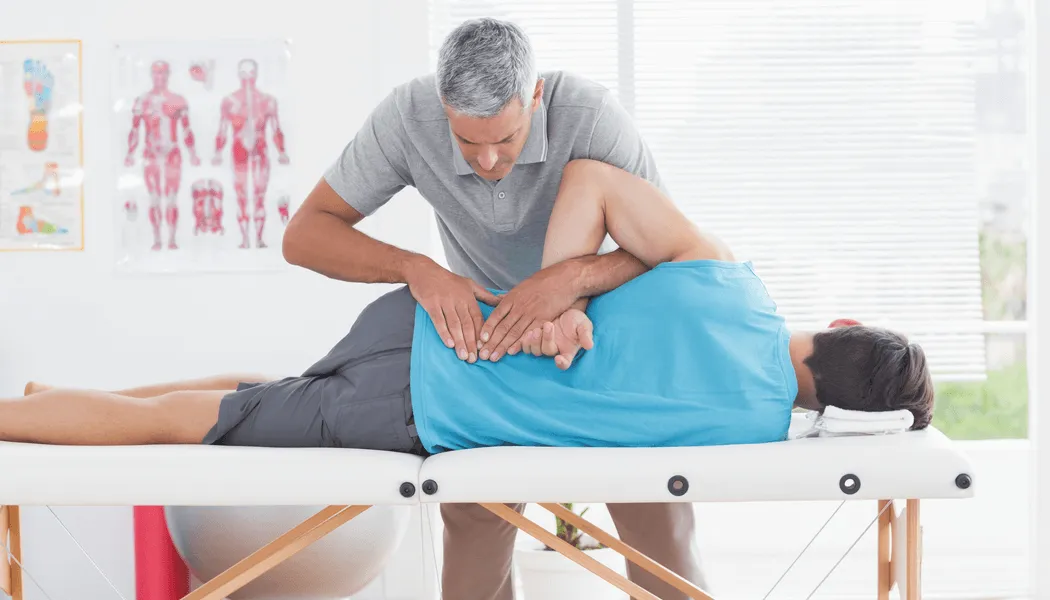
While medical interventions are designed to treat the root cause, physiotherapy is instrumental in managing the functional consequences of nerve damage. At Physiotattva, a qualified physiotherapist develops a customised rehabilitation plan focused on maximising your recovery potential. The goal is to improve your quality of life by helping you restore movement, manage pain, and regain confidence and independence in your daily life.
Facial Muscle Re-education and Strengthening
For conditions affecting the face like Bell’s palsy, physiotherapy is key to preventing permanent muscle weakness and retraining facial expressions. Therapists employ specific, targeted exercises, often using a mirror for visual feedback, to stimulate the affected facial muscles. These neuromuscular re-education techniques help you regain the ability to smile symmetrically, blink effectively to protect your eye, and make other expressions more naturally.
Balance and Vestibular Rehabilitation
If your primary symptoms are vertigo, dizziness, or imbalance due to vestibulocochlear nerve damage, vestibular rehabilitation therapy (VRT) is an incredibly effective treatment. This specialised branch of physiotherapy uses carefully designed exercises to help your brain relearn how to process balance signals. Gaze stability and habituation exercises help reduce dizziness, improve your balance while walking, and decrease your risk of falling.
Pain Management Techniques
For neuropathies that cause chronic pain, such as trigeminal neuralgia, physiotherapy provides powerful, non-invasive pain relief strategies. Modalities like TENS (Transcutaneous Electrical Nerve Stimulation) can help block pain signals from reaching the brain. In addition, manual therapy, gentle stretching, and relaxation techniques can reduce muscle tension around the affected nerve, desensitise the area, and provide lasting relief without medication.
Improving Swallowing and Speech Function
When swallowing and speech are compromised, physiotherapists work collaboratively with speech-language pathologists to restore function. They prescribe specific exercises designed to strengthen the muscles of the jaw, tongue, and throat. This improves motor control and coordination, making swallowing safer by reducing the risk of choking and helping to make your speech clearer and more easily understood.
Reclaim Your Life with Personalised Physiotherapy for Cranial Neuropathy
Cranial neuropathy can significantly impact daily life, but with timely diagnosis and a comprehensive treatment plan, recovery is possible. Identifying the underlying cause is the crucial first step. Beyond medical treatment, functional rehabilitation through specialised physiotherapy plays a key role in managing symptoms, retraining muscles, and restoring function. With a proactive approach, a significant improvement in quality of life is achievable.
At Physiotattva physiotherapy clinics in Bangalore and Hyderabad, you receive personalised care tailored to your specific needs, ensuring effective results and comfort throughout your journey to recovery.
Don’t wait to start your recovery! Get in touch with Physiotattva for more details! Contact us at +91 89510 47001..
Frequently Asked Questions
Is cranial neuropathy permanent?

The prognosis for cranial neuropathy heavily depends on the underlying cause. In many cases, such as Bell's palsy caused by temporary inflammation, symptoms often resolve completely with time and therapy. However, if the nerve damage results from severe trauma or a chronic degenerative disease, some effects may be long-lasting. Even in these cases, physiotherapy can significantly improve function and help you manage symptoms effectively.
How is cranial neuropathy diagnosed?
Diagnosing cranial neuropathy begins with a comprehensive neurological examination and a detailed review of your medical history. Based on your specific symptoms, your doctor may order imaging tests like an MRI or CT scan to check for structural issues, tumours, or inflammation. In some instances, nerve conduction studies or an electromyography (EMG) test may be used to assess the electrical activity and health of your nerves and muscles.
Can I do physiotherapy exercises for this condition at home?
Yes, a consistent home exercise program is a crucial component of a successful recovery. However, it is essential that you are first evaluated by a qualified physiotherapist. They will perform a thorough assessment and then design a personalised exercise program that is safe and specifically tailored to your condition and abilities. This ensures you perform the exercises correctly, maximise your progress, and avoid any risk of further strain.


.webp)




.webp)

.webp)





%20(1)-p-3200.jpeg)


.jpg)
.webp)
.webp)
.webp)