


Therapy
Acupuncture
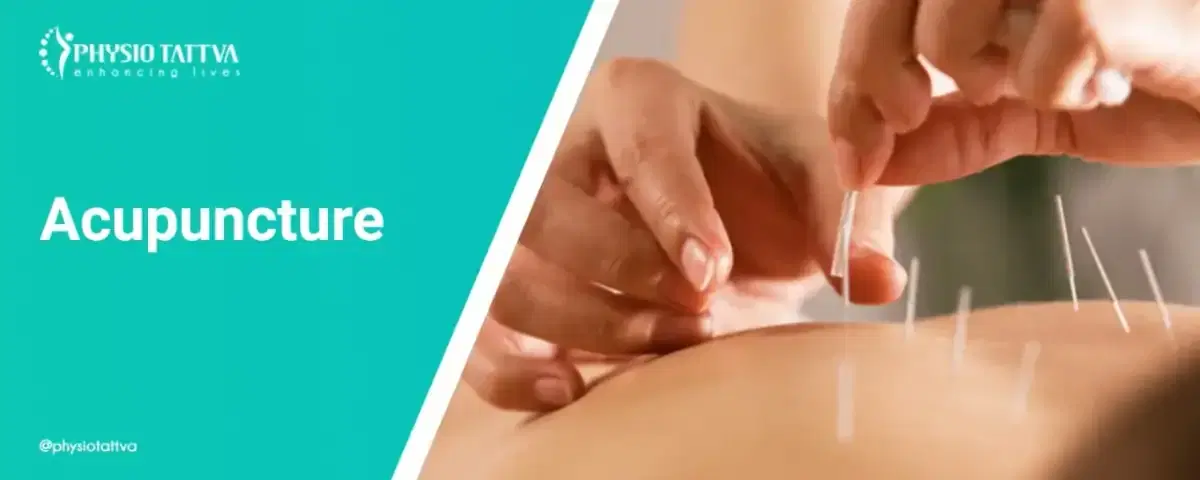
Acupuncture refers to a type of treatment involving the insertion of extremely thin needles into the skin at specific points on your body. The needles reach different depths.
Acupuncture Overview
Acupuncture refers to a type of treatment involving the insertion of extremely thin needles into the skin at specific points on your body. The needles reach different depths. Research proves that Acupuncture can help relieve pain. You use it for a broad range of complaints. Nevertheless, its effectiveness doesn’t have much evidencein other studies.
Theworking modality of Acupuncture is scientifically still obscure.There are claims that it thrives by balancing crucial energy. Some peoplebelieve it entails a neurological effect. Acupuncture continues to wieldcontroversy in the medical community and scientific congress in the West.
Types of Acupuncture
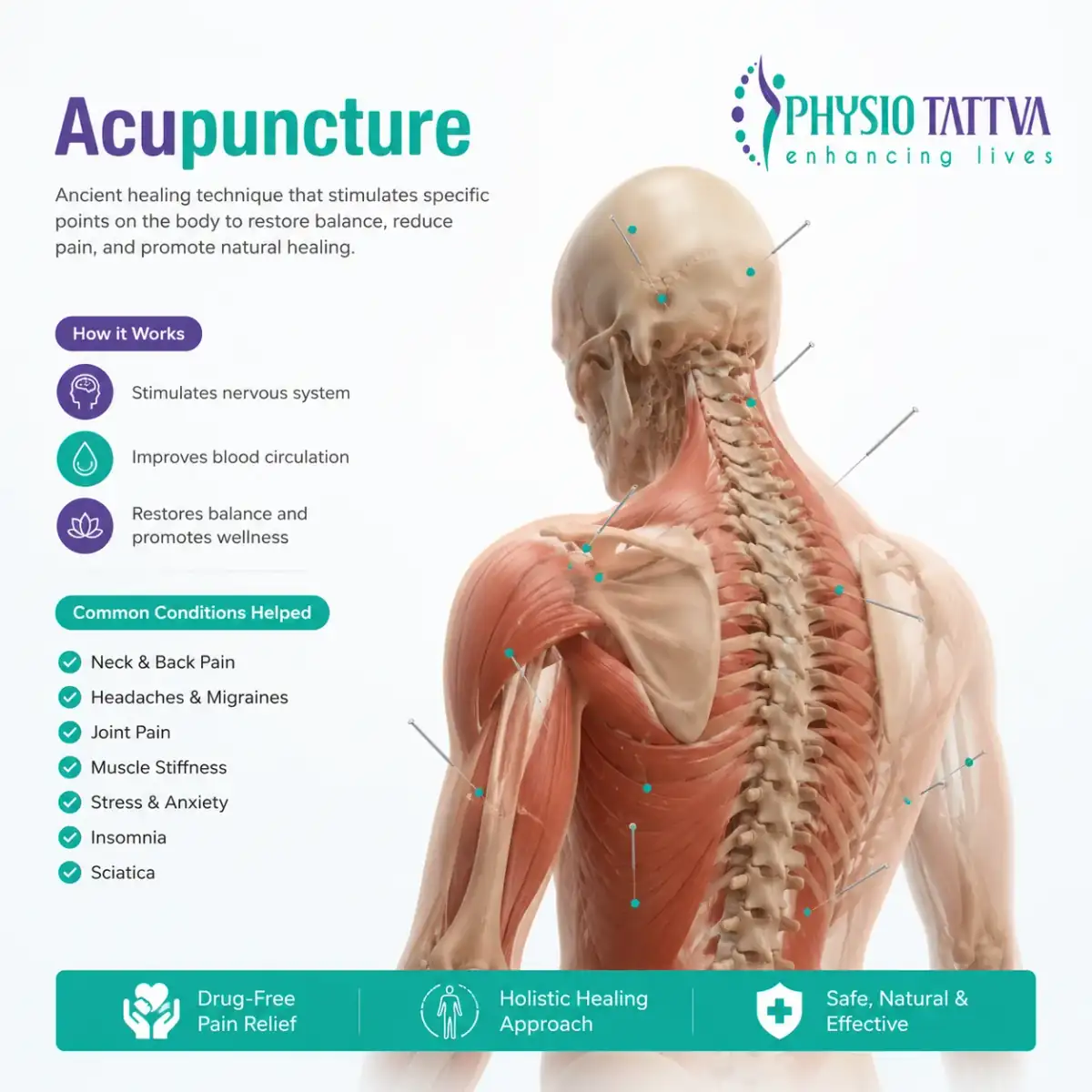
Along with decreasing your pain, Acupuncture can also improve certain health problems. You base it on the theory that a body functions optimally when there’s equilibrium in your lifeenergy. The therapy acts as a corrective technique of your life balance,resulting in a healthy, pain-free body.
- Traditional Chinese medication:
It’s the most popular acupuncture practice to date. The process examines natural actions of the body,both external and internal, and hot and cold. You undergo a tongue examination to develop a treatment plan. Patients undergoing this acupuncture type get relief from depression, anxiety, stress, sleep disorder, cough, arthritis, and headaches.
- Japanese Acupuncture:
This acupuncture type integrates minimal stimulation to produce conspicuous changes in the body. The specialist performs this procedure with thinner needles. It doesn’t necessitate multiple needles like other acupuncture procedures.
- Korean hand acupuncture:
This procedure focuses on specific points on your hand. Other types of this same procedure incorporate herbs for stimulating acupuncture points. People have said that it gives relief from shoulder and neck pain, headache, digestive issues, and back pain.
- Non-Insertion Acupuncture:
You use blunt needles that comprise platinum or silver. The needles prick your body’s trigger points.People reportedly relief from colds, insomnia, back pain, migraines, and headaches.
- The other popular types are cupping, moxibustion, and Korean Hand acupuncture.
Risks of Acupuncture
All therapies have their ingrained benefits and pitfalls. The potential risks of Acupuncture are as follows:
- It’s detrimental for a patient who consumes blood thinners or has a bleeding disorder.
- The insertion sites may witness soreness, bruising, and bleeding.
- Unsterilised needles can infect any patient.
- It’s a rarity that a needle may break, damaging an internal organ or tissue.
- If the insertion is deep into the upper back or chest, you may have a lung collapse risk. However, that’s extremely rare.
TheUS FDA regulates and underlines acupuncture needles as medical tools/devices.The manufacture and concerned labeling must meet specific standards. It’s imperative for the needles to be non-toxic, sterile, and for one-time use only.Only a licensed practitioner can perform the procedures.
Benefits of Acupuncture
Acupuncture entails a range of benefits.
- The correct procedure and technique are fully safe.
- The side effects are negligible.
- You can effectively combine it with other treatments.
- Acupuncture can control some specific types of pain.
It may also help people who cannot use certain pain medications.
Who can go for Acupuncture?
A prominent researchbody in Germany has revealed that this ancient technique may help relieve migraines and headaches emanating from tension and stress. People with the following problems have reported relief with the procedure.
- Osteoarthritis.
- Knee pain
- Migraine and headache.
- Neck pain
- Low back pain
In 2003, WHO listed some conditions where Acupuncture could be very effective. These are:
- Low and high blood pressure
- Chemotherapy-driven vomiting and nausea.
- Gastric conditions like a peptic ulcer.
- Painful periods
- Dysentery
- Allergic rhinitis
- Facial pain
- Morning sickness
- Rheumatoid arthritis
- Sprains
- Tennis elbow
- Dental pain
- Sciatica
- Reducing stroke risk
- Creating labor
- Neuralgia
- Fibromyalgia
- Post-operation convalescence
- Spine pain and stiff neck
- Vascular dementia
- Tourette syndrome
Who shouldn’t go for Acupuncture?
Acupuncture doesn’t have little risk, only under the supervision of a licensed practitioner. If you’re experiencing thinning blood or bleeding disorder, you may opt-out of this treatment.
How to prepare for Acupuncture?
There’s no special preparation for an acupuncture therapy appointment. For first timers, you may have an avalanche of questions. A clinical study of the procedure for cluster headaches shows why you need to undergo Acupuncture twice a week for 14 days.Follow it up with one treatment every week for eight weeks. Next will be maintenance treatments.
Keepin mind that many insurance agencies don’t encompass acupuncture procedures.You need to find out the out-of-pocket costs before going for acupuncture treatment.
What happens post Acupuncture or recovery?
The acupuncturist first asks about your symptoms and medical history. They also conduct an examination,which is akin to a doctor's visit. Additionally, they may examine your tongue.It’s a good way to discern body imbalances. The acupuncturist selects appropriate body points for inserting needles based on the exam.
Typically,acupuncture sessions may span for 20-30 minutes, depending on the type and magnitude of your treatment. After the treatment, you usually feel relaxed and comfortable. Some people feel more vibrant and energetic. There’s no risk of anxiety or pain.
Related therapies
The prominent therapies are Antihyperglycemic plant medicines, pneumothorax, and so on.
Watch
Ultrasound Therapy for Tennis Elbow - Physiotherapy Treatments
Ultrasound therapy is a treatment procedure that physical or occupational therapists provide for tissue healing and pain relief. The procedure provides deep ...
Answers
Frequently asked questions
Conditions
Related conditions

Therapies
Related therapies
 Therapy31 October 2025
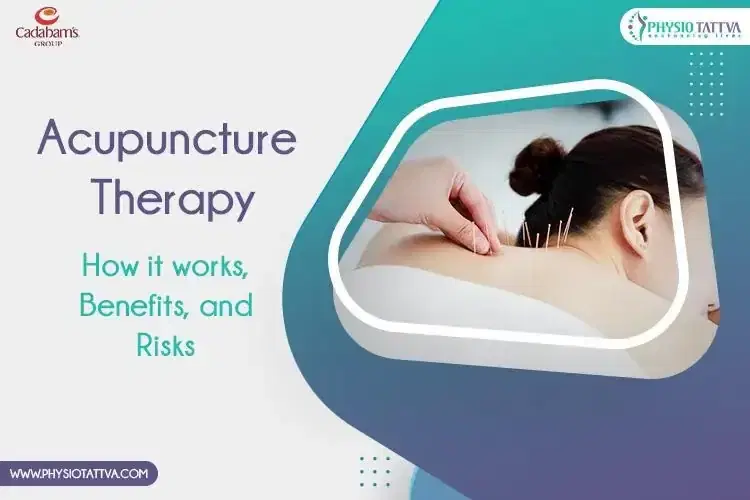
Acupuncture treatment is a holistic therapy renowned for effectively managing chronic pain and enhancing overall well-being. This article dives deep into how acupuncture therapy works, its key acupuncture benefits, conditions treated, and possible side effect of acupuncture. Discover what happens during an acupuncture session, how to prepare yourself, realistic expectations, and why this ancient practice is gaining popularity as a natural solution for lasting acupuncture for pain relief.
 Back Pain19 January 2026
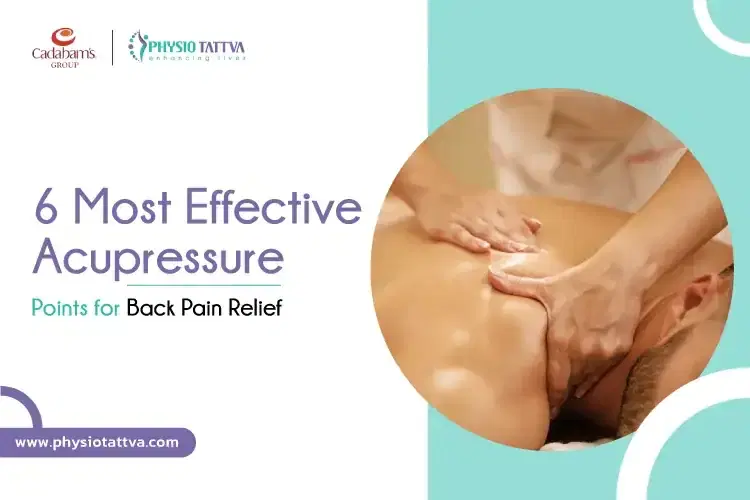
Acupressure uses manual pressure to promote holistic healing by applying pressure to specific points on the body. These acupoints are believed to be connected to energy pathways, or "meridians," which facilitate the flow of vital life force energy, known as "Qi" (pronounced Chee). By stimulating these acupoints, practitioners aim to restore balance and promote the body's innate healing abilities.
Start with an assessment
We measure what you've lost, find the cause, and set out a plan with a target and a timeline.
- Call us+91 89510 47001
- Email usinfo@physiotattva.com
- Visit a clinic23 clinics across Bangalore, Hyderabad and Visakhapatnam
- Or stay homePhysiotherapy at home