




Sciatica
Sciatica refers to nerve pain occurring due to an irritation or injury to the sciatic nerve. The condition mostly occurs when a bone spur or a herniated disk on the spine compresses a part of the sciatic nerve.
Receiving a diagnosis of cranial neuropathy can feel overwhelming. This condition, which stems from damage to one or more of the twelve pairs of cranial nerves originating from the brain, can disrupt essential daily functions. If you're wondering what is cranial neuropathy, it is a dysfunction that can affect your vision, hearing, facial movement, sense of smell, or even your ability to swallow. These cranial nerve disorders challenge your sense of normalcy and can be a source of significant stress. However, a diagnosis is not the end of the road. With a clear understanding of the condition and access to effective management strategies, recovery and an improved quality of life are highly achievable. At Physiotattva, we specialise in providing state-of-the-art neuro-rehabilitation, offering expert guidance and personalized care to help you navigate your recovery journey with confidence.
Cranial neuropathy affects one or more cranial nerves and can cause symptoms like double vision, facial weakness, swallowing issues, dizziness, or nerve pain—often linked to trauma, diabetes, infections, stroke, or tumors. Physiotattva provides specialised neuro rehabilitation to restore function, improve balance, and manage symptoms
The cranial neuropathy definition encompasses any condition affecting the cranial nerves. This broad term can be broken down into specific types, and understanding which type you have is the first critical step toward a targeted treatment plan for any cranial nerve neuropathy.
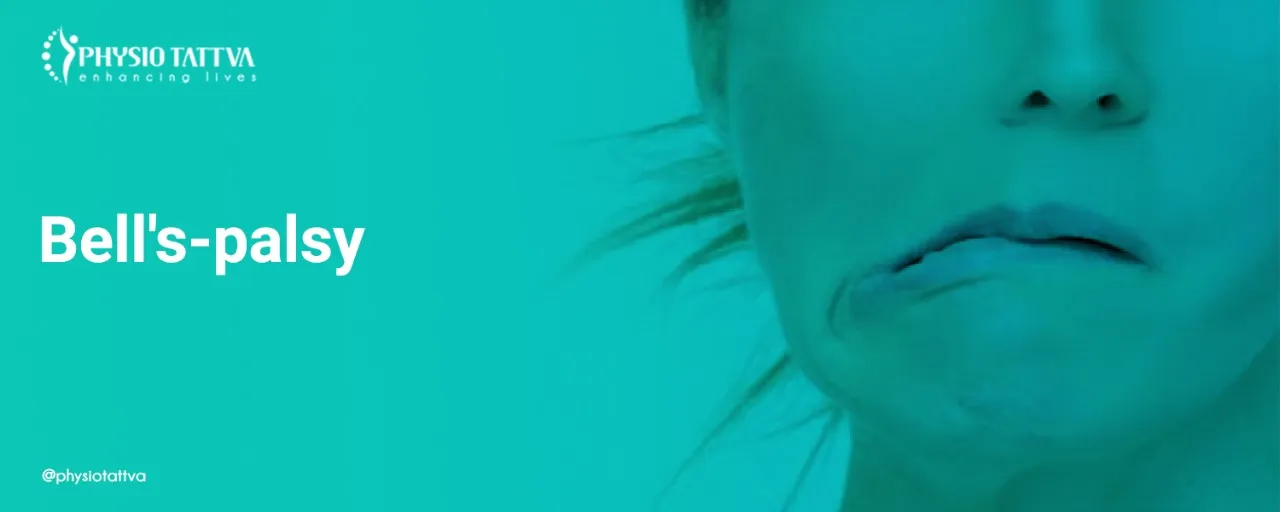
This is the most frequent form of cranial neuropathy, where only a single cranial nerve is damaged or dysfunctional. For example, 6th cranial nerve palsy, affecting the abducens nerve, can lead to horizontal double vision and difficulty moving the eye outward. Similarly, Bell's palsy is a mononeuropathy of the seventh cranial nerve, causing facial paralysis.
When two or more distinct cranial nerves are affected, the condition is known as multiple cranial neuropathies. This condition, sometimes referred to as multiple cranial nerve palsy, is less common and often signals a more widespread underlying issue, such as a systemic infection, an autoimmune disease, or a tumor at the base of the skull that needs thorough medical investigation.
Damage to the sensitive cranial nerves rarely happens in isolation. It is typically a symptom of an underlying medical event or condition that directly or indirectly impacts nerve function.
Direct trauma is a leading cause. A head injury, skull base fracture, or even complications during facial or brain surgery can stretch, compress, or sever a cranial nerve, leading to immediate or delayed neuropathy.
The cranial nerves rely on a steady supply of oxygen-rich blood. Conditions that disrupt this supply, such as a stroke, a brain aneurysm, or the microvascular damage caused by uncontrolled diabetes, can lead to ischemic injury (damage from lack of blood flow) and nerve dysfunction.
Various viral and bacterial infections can trigger an inflammatory response that damages nerve tissue. Conditions like Lyme disease, shingles (herpes zoster), meningitis, or sarcoidosis can all lead to inflammation around one or more cranial nerves.
Both cancerous (malignant) and non-cancerous (benign) tumors can develop near the path of a cranial nerve. As these growths expand, they can exert pressure on the nerve, interfering with its signals and causing a gradual loss of function.
While anyone can develop cranial neuropathy, certain health conditions and lifestyle factors can significantly increase a person's risk. Awareness of these factors is key for prevention and early diagnosis.
Individuals with poorly managed diabetes, high blood pressure (hypertension), and high cholesterol are at a much higher risk. These conditions damage small blood vessels throughout the body, including those that nourish the cranial nerves.
In autoimmune disorders like Multiple Sclerosis (MS) and Guillain-Barré syndrome, the body's immune system mistakenly attacks healthy tissues, including the myelin sheath that protects nerve cells. This can lead to widespread nerve damage, including multiple cranial neuropathies.
Patients with a history of cancer, especially head and neck cancers, are at risk. The danger can come from the tumor itself compressing a nerve or as a side effect of treatments like radiation therapy, which can damage nearby nerve tissue.
A precise diagnosis is the foundation of an effective treatment plan. Clinicians follow a systematic process to identify the affected nerve(s), assess the severity of the damage, and determine the root cause.
A neurologist or neuro physiotherapist will conduct a detailed physical exam. This involves testing functions controlled by the cranial nerves, such as vision, eye movements (to check nerves like cranial nerve 6), hearing, facial muscle strength, sensation, and swallowing reflexes.
Magnetic Resonance Imaging (MRI) or Computed Tomography (CT) scans provide detailed images of the brain, brainstem, and skull base. These scans are crucial for identifying structural causes like tumors, aneurysms, inflammation, or evidence of a stroke.
To confirm nerve damage and quantify its extent, specialists may use tests like Nerve Conduction Studies (NCS) and Electromyography (EMG). These tests measure the speed and strength of electrical signals along the nerve and in the muscles it controls.
While medical treatment addresses the underlying cause, neuro-rehabilitation is the cornerstone of functional recovery. Specialized physiotherapy at Physiotattva is designed to help patients manage symptoms, restore function, and regain independence.
Our physiotherapists create targeted exercise programs to strengthen weakened muscles, improve motor control, and retrain movement patterns. This includes facial exercises for Bell’s palsy, swallowing exercises for dysphagia, and eye-tracking drills for vision problems.
If the vestibulocochlear nerve is affected, it can cause severe dizziness and imbalance. Vestibular rehabilitation therapy helps the brain recalibrate and adapt, reducing vertigo and improving stability to prevent dangerous falls.
Techniques such as manual therapy, sensory re-education, and specialized modalities are used to alleviate the nerve pain (neuralgia), numbness, or tingling often associated with cranial neuropathy, making daily life more comfortable.
Successful treatment involves a multi-faceted approach that addresses the root cause while actively managing symptoms to support the body’s healing process.
This is the first line of defence. It may involve antibiotics for bacterial infections, corticosteroids to reduce inflammation, antiviral medications, or careful management of chronic conditions like diabetes and hypertension.
This is non-negotiable for achieving the best possible functional recovery. It focuses on exercises to restore movement, adaptations for daily living (e.g., using an eye patch for double vision), and compensatory strategies to regain independence.
In specific cases, surgery may be required. This could involve removing a tumor that is compressing a nerve, repairing a nerve after a traumatic injury, or a microvascular decompression procedure to relieve pressure on a nerve.
Your choice of a rehabilitation partner can significantly impact your recovery outcome. Here’s what to look for to ensure you receive the best care.
Ensure the centre’s therapists have specialized training and a proven track record in treating complex cranial nerve disorders. A deep understanding of neurology is essential.
A one-size-fits-all approach does not work. The centre should perform a comprehensive assessment and collaborate with you to create a treatment plan tailored specifically to your condition, lifestyle, and personal goals.
Leading clinics like Physiotattva invest in advanced technology and evidence-based practices—such as virtual reality, biofeedback, and electrical stimulation—to optimize neuroplasticity and accelerate recovery.
Supporting a family member through their recovery is a vital role. Here’s how you can provide effective care and support.
Encourage them to adhere to their home exercise program, attend all therapy sessions, and celebrate every small improvement. Positive reinforcement is a powerful motivator.
Offer practical help where needed. This might mean preparing soft, easy-to-swallow foods if they have dysphagia or ensuring home pathways are clear and well-lit to prevent falls if their balance is compromised.
Living with cranial neuropathy can be frustrating and emotionally draining. Be a patient listener, acknowledge their struggles without judgment, and offer consistent emotional support throughout their journey.
In summary, cranial neuropathy is a complex neurological condition, but it is manageable. An early and accurate diagnosis, followed by treatment of the root cause and a dedicated commitment to a structured neuro-rehabilitation program, are the essential keys to a successful recovery.
At Physiotattva physiotherapy clinics in Bangalore and Hyderabad, you receive personalised care tailored to your specific needs, ensuring effective results and comfort throughout your journey to recovery.
Don’t wait to start your recovery! Get in touch with Physiotattva for more details! Contact us at +91 89510 47001.


.webp)


.webp)

.webp)


.webp)

.webp)
.webp)
.jpeg)





%20(1)-p-3200.jpeg)

.jpg)
.webp)
.webp)
.webp)