




Chemo Induced Neuropathy
Chemo induced neuropathy symptoms can affect sensation, strength, balance, and coordination, often starting in the hands and feet. This guide explains early warning signs, common sensory and motor changes, underlying causes, and why timely management is essential during and after chemotherapy.

Chemo induced neuropathy symptoms develop when chemotherapy damages peripheral nerves. Symptoms usually start in the hands and feet and may include tingling, numbness, burning pain, weakness, and balance difficulties. These changes can affect daily activities, mobility, and coordination. This article explores the key symptoms, underlying causes, and management approaches to help you better understand and address this condition.
What Is Chemotherapy-Induced Peripheral Neuropathy?
Chemotherapy-Induced Peripheral Neuropathy (CIPN) is a condition that occurs when certain chemotherapy drugs damage the peripheral nervous system. These nerves carry signals between the brain, spinal cord, and the rest of the body, including the hands, feet, muscles, and organs. When damaged, normal nerve communication is disrupted, leading to sensory, motor, or autonomic symptoms. CIPN most commonly affects the hands and feet and may develop gradually during treatment or appear after multiple chemotherapy cycles. The severity and duration of symptoms vary, but early identification is essential to reduce complications and support ongoing function.
Recognising the Key Signs and Symptoms of Chemo-Induced Neuropathy
The onset of CIPN can be subtle, but early identification is crucial for effective management. The chemo induced neuropathy symptoms often vary in intensity, from mild annoyances to severely debilitating sensations that interfere with daily activities. These symptoms most frequently manifest in a "stocking-glove" distribution, starting in the longest nerves of the body and thus affecting the hands and feet first before potentially progressing toward the centre of the body. Paying close attention to any new or unusual feelings in your extremities is vital.
Sensory Changes and Discomfort
These are typically the earliest indicators of CIPN and involve any alteration to your sense of touch. You might feel a persistent tingling or "pins and needles" sensation, a painful burning feeling, or sudden, sharp, shooting pains in your fingers, toes, hands, or feet. Conversely, you may experience numbness or a diminished ability to feel sensations like pressure, temperature, or pain. This loss of sensation is particularly concerning as it increases the risk of unnoticed injuries, such as cuts or burns, on the affected limbs.
Motor Skill Difficulties
When chemotherapy affects the motor nerves that control muscle movement, you may begin to notice a decline in your physical capabilities. Muscle weakness, especially in the ankles and hands, is a common complaint. This can make activities requiring fine motor control, such as buttoning a shirt, tying shoelaces, writing, or handling utensils, feel frustratingly difficult. You might also experience muscle cramping, twitching, a loss of coordination, or balance issues. This can result in an unsteady gait and a higher risk of tripping and falling, impacting your mobility and confidence.
Autonomic Nerve Symptoms
Although less frequent, CIPN can also impact the autonomic nervous system, which regulates involuntary bodily functions like heart rate, blood pressure, and digestion. Symptoms of autonomic neuropathy can include dizziness or light-headedness when standing up (orthostatic hypotension), constipation or unpredictable diarrhoea, difficulty with bladder control or emptying the bladder completely, and abnormal sweating patterns (either excessive sweating or an inability to sweat). Acknowledging these symptoms is essential for a holistic approach to managing your health.
Causes of Chemo-Induced Neuropathy
The development of CIPN is a direct consequence of the very treatments used to combat cancer. The fundamental chemo induced neuropathy causes are rooted in the neurotoxic effects of specific chemotherapy agents. These powerful drugs are designed to target and destroy rapidly dividing cancer cells, but they cannot always differentiate between these malignant cells and healthy cells, including the delicate cells that make up your peripheral nervous system.
Effect of Neurotoxic Chemotherapy Drugs
Certain types of chemotherapy agents have a known and significant risk of causing nerve damage. The main culprits include platinum-based drugs such as cisplatin and oxaliplatin, taxanes like paclitaxel and docetaxel, and vinca alkaloids, including vincristine. These drugs can damage nerve cells in various ways, such as by interfering with their internal structures (microtubules), disrupting their energy supply, or triggering inflammatory responses that lead to nerve cell death. This structural and functional damage impairs the nerves' ability to transmit signals correctly, resulting in the symptoms of neuropathy.
Treatment Dosage and Duration
The likelihood of developing CIPN, as well as its potential severity, is often directly related to the dose of the chemotherapy drug administered. A higher cumulative dose, the total amount of the drug you receive over the entire course of your treatment, significantly increases the risk of nerve damage. The duration and frequency of the treatment cycles also play a crucial role. Your oncology team diligently balances the anti-cancer benefits of these drugs against the risk of neurotoxicity, but this dose-dependent relationship remains a primary factor in explaining why some patients develop more severe neuropathy than others.
Individual Risk Factors
Why one person develops severe CIPN while another on the same regimen has minimal symptoms is partly explained by individual susceptibility. Several pre-existing conditions and personal factors can heighten your risk, influencing the chemo induced neuropathy causes for you. Conditions that already compromise nerve health, such as diabetes mellitus, place you at a higher risk. Other factors include a history of heavy alcohol use, nutritional deficiencies (particularly in B vitamins), older age, and having a pre-existing neuropathy from another cause.
How Physiotherapy Helps Manage Chemo-Induced Neuropathy Symptoms
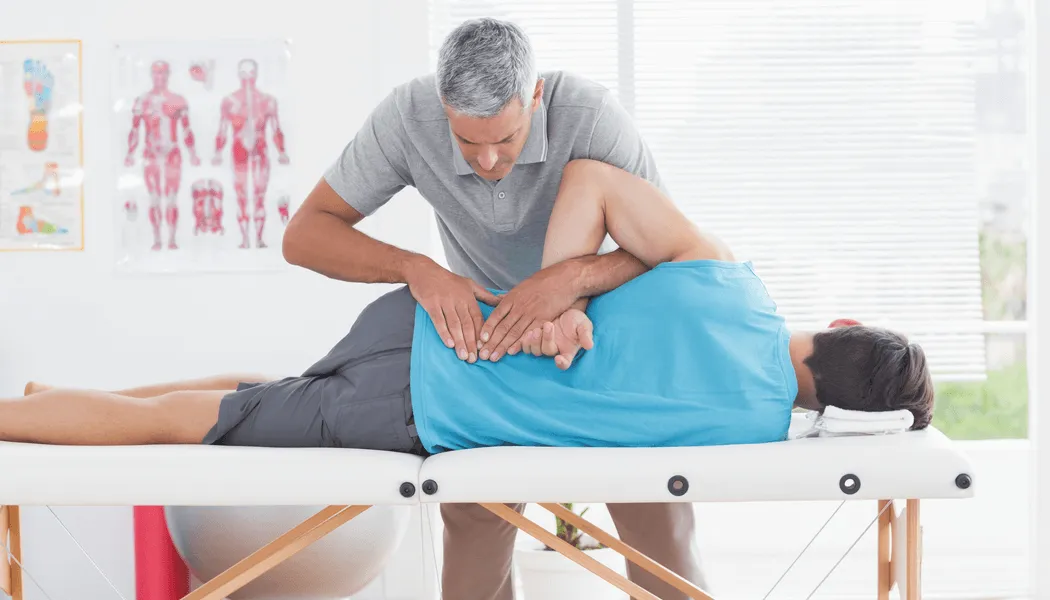
While some CIPN symptoms may diminish after treatment concludes, many individuals are left with persistent effects that impact their quality of life. Physiotherapy provides a safe, drug-free, and highly effective approach to managing chemo induced neuropathy symptoms. A skilled physiotherapist can help you regain function, alleviate pain, improve safety, and restore independence through a personalised CIPN treatment plan.
Personalised Strength and Exercise Programs
To counteract muscle weakness and atrophy caused by nerve damage, a physiotherapist will design a custom exercise program. This regimen will include gentle, progressive strengthening exercises for the muscles in your feet, ankles, legs, hands, and core. Using tools like resistance bands, light weights, and your own body weight, these exercises help improve muscle power, support your joints, enhance your ability to perform daily tasks, and reduce fatigue.
Balance, Coordination, and Gait Training
One of the most significant risks associated with CIPN is falling due to poor balance and an unsteady gait. Physiotherapy directly addresses this with targeted balance and coordination training. In a safe and supervised setting, you will perform exercises such as standing on one leg, walking heel-to-toe, or navigating uneven surfaces. This training helps your brain and body adapt to altered sensory feedback from your feet, improving your stability, confidence, and ability to walk safely.
Sensory Re-education and Desensitisation
For managing uncomfortable sensory symptoms like pain, tingling, and numbness, physiotherapists employ specific manual therapy and sensory re-education techniques. This can involve using materials with various textures (e.g., soft cloths, rough towels) to stimulate the nerves in your hands and feet, helping to "retrain" the nervous system. These desensitisation protocols can reduce hypersensitivity and pain while improving your brain’s ability to interpret sensory information correctly.
Education on Safety and Home Modifications
Empowerment through education is a cornerstone of physiotherapy for CIPN. Your therapist will provide invaluable practical advice to keep you safe. This includes teaching you how to perform daily visual inspections of your feet to check for injuries you cannot feel, recommending appropriate and supportive footwear to protect your feet and improve balance, and suggesting simple home modifications like removing trip hazards (e.g., loose rugs) and ensuring adequate lighting.
Restoring Strength, Balance, and Independence After CIPN With Physiotattva
Facing a cancer diagnosis and undergoing treatment is a formidable journey, and the onset of Chemotherapy-Induced Peripheral Neuropathy can introduce an additional, unwelcome layer of hardship. It is vital to know that you are not alone in this struggle and that effective support is available. By learning to recognise the symptoms of CIPN early, understanding the underlying causes, and engaging in proactive management, you can significantly lessen its impact on your daily life. Physiotherapy is a critical ally in this process, offering evidence-based, individualised strategies to rebuild strength, improve balance, manage pain, and enhance safety. Embracing this rehabilitative care is a powerful step toward reclaiming control, restoring function, and elevating your quality of life during and long after your cancer treatment.
At Physiotattva physiotherapy clinics in Bangalore and Hyderabad, you receive personalised care tailored to your specific needs, ensuring effective results and comfort throughout your journey to recovery.
Don’t wait to start your recovery! Get in touch with Physiotattva for more details! Contact us at +91 89510 47001.
Frequently Asked Questions
Can chemo-induced neuropathy be reversed?

The potential for reversal varies. In some individuals, symptoms improve or resolve entirely once chemotherapy is finished. In others, the nerve damage can be long-lasting or permanent. Physiotherapy is beneficial in either scenario, as it focuses on maximising function and managing symptoms effectively, regardless of the long-term prognosis.
When should I start physiotherapy for my neuropathy symptoms?
It is highly recommended to seek a consultation with a physiotherapist as soon as you start to notice any potential symptoms of CIPN, such as tingling, numbness, or weakness. Early intervention can help manage symptoms more effectively, implement strategies to prevent falls, and potentially slow the progression of functional limitations.
Are the physiotherapy exercises painful?
No. A qualified physiotherapist at Physiotattva will meticulously design a treatment plan that respects your current condition and pain levels. The exercises are therapeutic and are progressed slowly and carefully to build strength and improve function without causing additional pain or discomfort.



.webp)





.webp)

.webp)







%20(1)-p-3200.jpeg)


.jpg)
.webp)
.webp)
.webp)