


Therapy
Exercise Therapy
Exercise therapy is a therapeutic practice for rehabilitation and reducing pain and injury in the body by engaging in various exercises and forms of movement.
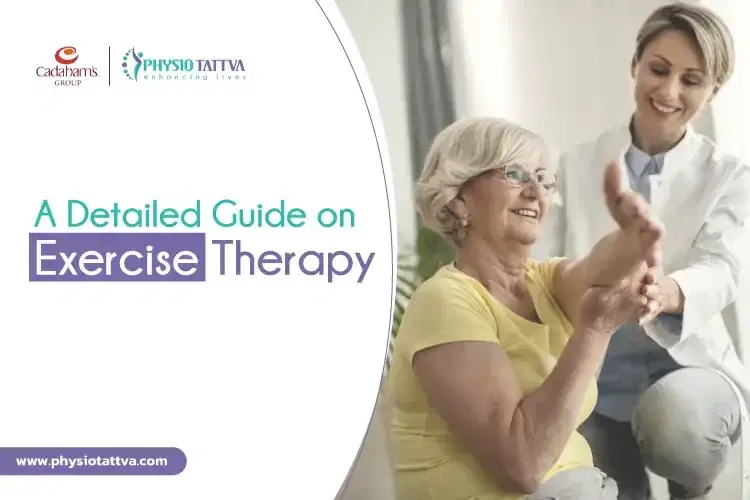
Exercise therapy is designed to facilitate the patients to recover from any condition disturbing their daily life activity and help in overall well- being.
What is Exercise Therapy
Exercise therapy is a therapeutic practice for rehabilitation and reducing pain and injury in the body by engaging in various exercises and forms of movement. It aims at a holistic way of healing that requires a comprehensive recovery plan that not only helps recover from an injury but also aims to reduce such injuries in the future and improve the body's functioning.
It combines a series of practices such as gait training, neuro reeducation, and therapeutic activities to help foster rehabilitation in the individual. If done correctly and consistently, it can have long-lasting positive effects on the functioning of the human body. Read on to know more.
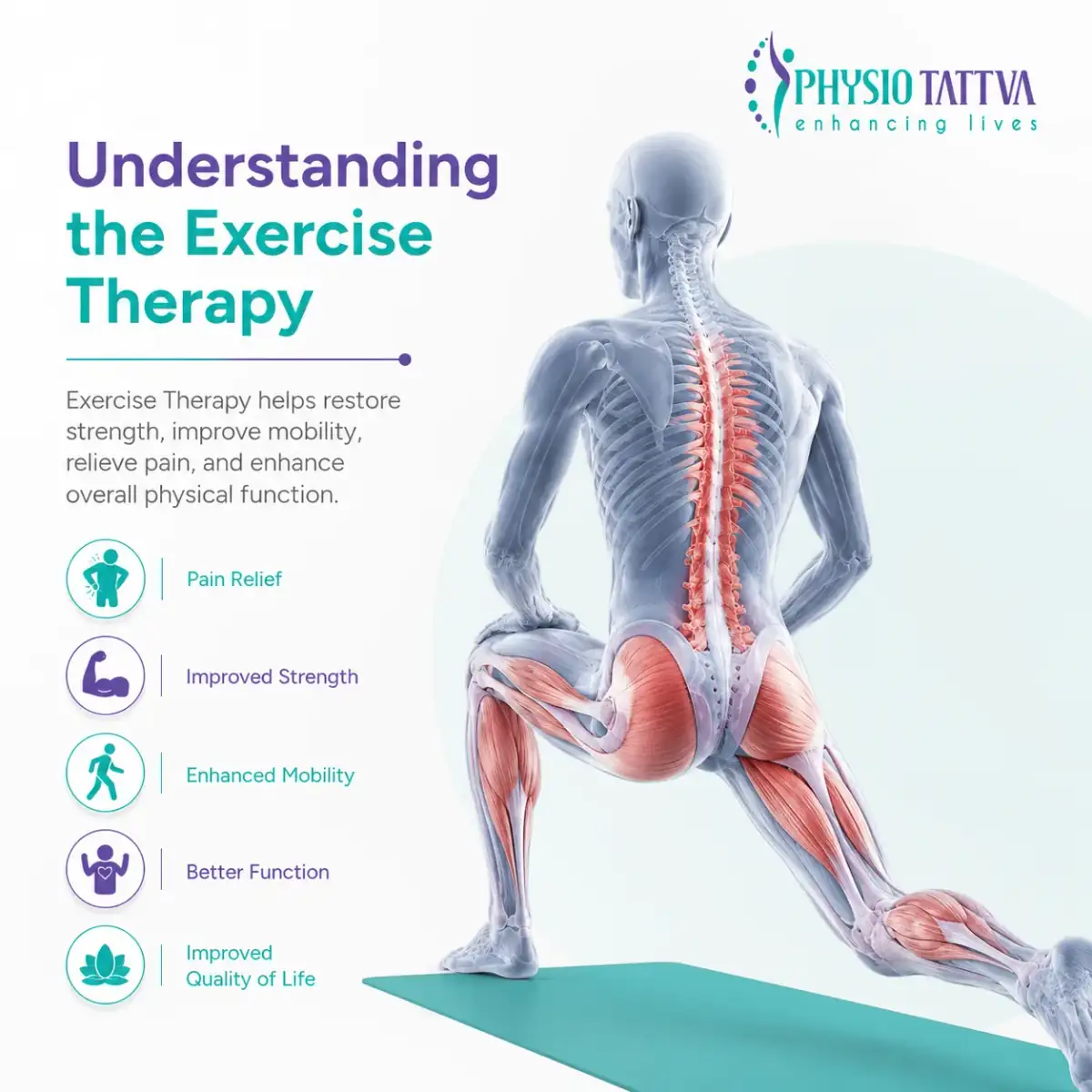
When Is Exercise Therapy Prescribed
The goal of exercise therapy is to help restore body functions in areas that are recovering from an injury or a medical condition. Therapeutic exercises mean that a professional might suggest the individual engage in Exercise Therapy for post-surgery rehabilitation. Therapeutic exercises will help in the recovery process, as it enables the recovery of the injury and healing from the surgery while effectively strengthening other bodily functions.
It can also be suggested in specific cases, such as athletes or people with particular medical conditions, where the body needs consistent strengthening to improve performance and mobility and reduce pain.
One may engage in this practice for general fitness and well-being and improve their lifestyle.
Benefits of Exercise Therapy
Exercise therapies are carefully curated for the needs of the individual for a consistent period. This engagement can be a holistic, multimodal approach that aims at various goals that positively impact the person.
Exercise therapies effectively reduce the risk of injury, as it helps improve bodily functions that strengthen the body and help improve reaction time and resilience. It is also effective in strengthening the muscles, bones, joints, and other aspects that can help manage the body.
Regular exercise can also help slow down the deterioration of the body and prevent wear and tear of joints and other body parts. It can also play a vital role in managing weight and balancing it with different lifestyles and mental health needs.
Other benefits include setting a routine that can help people manage their time and mental health well.
Objectives of Exercise Therapy
Exercise Therapies often have a long-term plan to strengthen the body and help improve its functionality and make it more resilient to injuries and other medical conditions.
Some of the objectives are
- Extending the normal function of the body
- Help maintain balance in the body functions during a lack of activities
- Strengthen the body
- Improve respiration and movement of the body
- Help sustainably develop endurance and keep it
- Reduce the risk of injury to the body
Types of Exercise Therapy
Depending on the individual's body limitations, medical conditions, and goals regarding exercise therapies, the medical professional can chart out a detailed plan for them. Exercise therapy in physiotherapy includes various exercise therapies that perform specific functions.
- Exercising range of motion
Exercising range of motion is an essential type of Exercise therapy as it sets the foundation for the kind of intervention and rehabilitation one can undergo. Depending on the needs, the physiotherapist may suggest a mix of passive and active exercises that help achieve the goal.
- Exercising with increasing resistance
Exercising with increasing resistance is a type of exercise that helps improve muscle strength and bone strength. It is often included for people who want to put effort into strengthening their bodies for activities such as athletics. It can also be for people who require physical endurance in their line of work or lifestyle.
- Balance exercises
Balance exercises aim to help improve the individual's body balance and hand-eye coordination. It is often suggested for people recovering from various injuries that impact their balance while engaging in activities such as walking, standing, and running.
- Strengthening exercises
This type aims at strengthening the body in various ways to help manage medical conditions and improve general fitness. Conditioning through aerobic exercise can be decided by the physiotherapist and help plan activities that can be scaled up or down, depending on the progress of the individual.
Difference Between Exercise Therapy and Exercise Therapy in Physiotherapy
Exercise therapy focuses on long-term training to restore the body's overall optimal function. Exercise therapy in physiotherapy is a long process that looks at progressing the body's needs based on its ability to engage with such regimes. It helps in the rehabilitation process and charts out a long-term goal that can help recover from an injury or a medical condition. It is a comprehensive plan that aims at a holistic improvement of the body.
Physical therapy focuses on restoring movement and capacity at the site of an injury. Exercise therapy in physiotherapy means that the treatment is often localised to the area of pain or injury. It is a short-term rehabilitation process in most conditions, where the objective is to restore a specific part of the body to conditions where it functions to the condition before the injury or improve it.
How Can an Exercise Therapist Help You
They provide comprehensive and personalised patient/individual management. Their clinical experience and knowledge are vital in ensuring that the excesses suggested are safe and effective for the body. They also spend time understanding the needs of the individual, which helps refine the individual's goals and provides safe ways of achieving such goals.
They also provide constant feedback, help follow up and maintain a healthy relationship with the individual. They are ensuring that the practices do not harm the body.
Final Thoughts
In an era where physical and mental health have been seeing positive progress, there has been a rush for fitness regimes and other hacks for better health. These can be dangerous if not well-informed and understanding the needs of the individual.
People must engage in safe, informed exercise therapies, which can have several benefits in the long run for general health and rehabilitation under expert guidance.
Our team at Physiotattva are highly trained and professional and can cater to your needs effectively. Our team and our ethos ensure that you get the best possible care to help improve your health in the safest way possible. Reach out to our team to know more today.
Answers
Frequently asked questions



















Treatments
Related treatments









Therapies
Related therapies
 Shoulder Pain31 October 2025
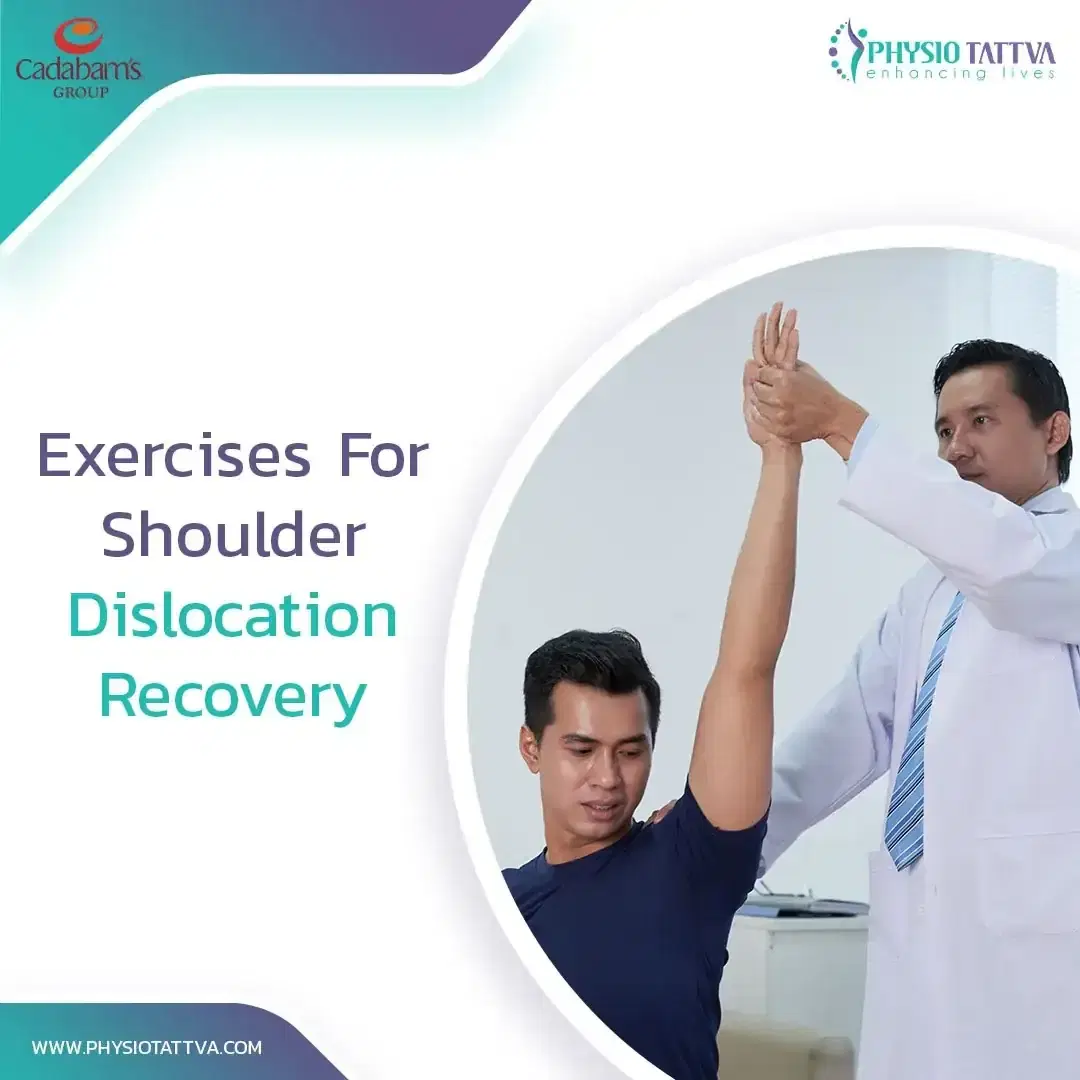
Shoulder dislocation is a type of injury where the upper arm bone pops out of the socket that’s part of your shoulder, resulting in immobility of the arm and the shoulder. It is important to get prompt medical care such as consultation, scans and X rays done, to chart out a recovery plan that includes medication, surgery or physiotherapy depending on the scale of the injury and medical recommendation. Also, shoulder dislocations can be quite painful and can restrict your ability to carry on with your day to day functioning. So,taking care of it is very important. Here, we talk about the exercises that can help in the recovery.
 Fitness & Exercises22 May 2026
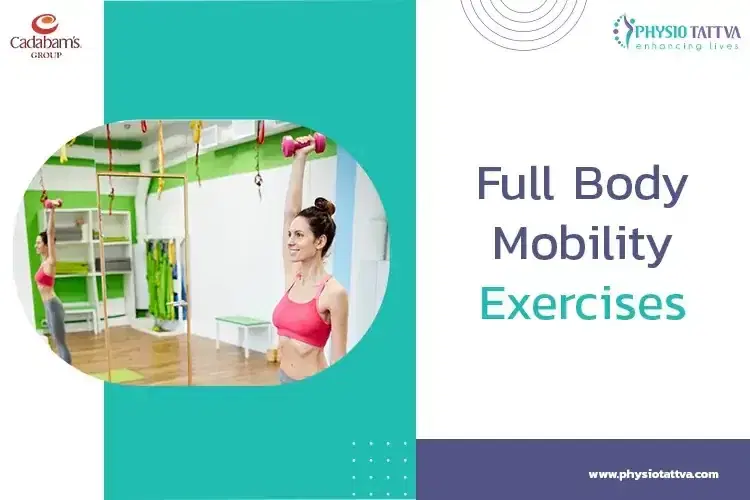
Mobility exercises refer to the various types of exercises that one can indulge in to ensure that their joints and other body systems that aid in mobility are functioning healthily. These exercises allow people to be more flexible, reduce stress on the body, and can alleviate the mood. So, here we discuss all the mobility exercises you can possibly do.
 Fitness & Exercises18 January 2026
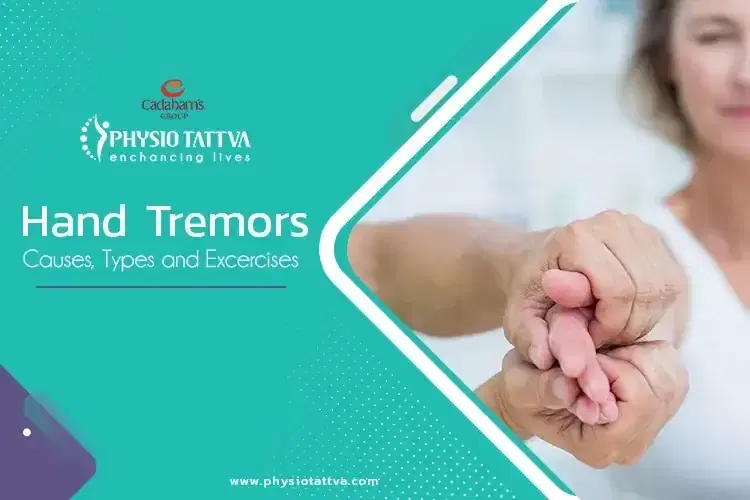
Tremors are unintentional rhythmic movements of any part of the body that are common, but can signal underlying medical conditions, based on the intensity and frequency of the trembling. Most people have slight tremors, known as physiological tremors. Here we discuss about some exercises that can help.
 Rehabilitation31 October 2025
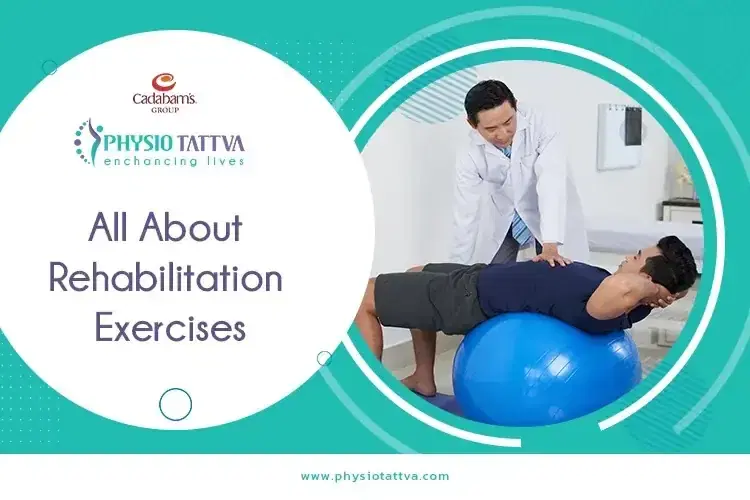
Here we discuss some of the most recommended therapies and exercises for a variety of ailments and disorders that might be crippling you or your beloved ones. Kindly consult your therapist before you begin with any of these exercises and rehabilitation.
 Therapy22 May 2026
Balance is vital for our daily functioning and any trouble with it can make our tasks tedious. To maintain the balance of the mind and body, it is important to engage in exercises to improve balance. These can range from mindful activities, yoga, or even physical exercises such as running, stretching, or more. Here are some really good balance exercises in physiotherapy, that you can try.
 Shoulder Pain23 January 2026
Increase your range of motion, relieve shoulder pain & tightness with these simple yet effective exercises and improve mobility of your shoulder. Learn more.
 Fitness & Exercises22 May 2026
Learn about the best physiotherapy exercises for your toes, feet and ankle. Make them as strong and flexible as you are and cure ease your pain!
 Back Pain22 May 2026
Tailbone is the end of the spine, above the buttocks. Its primary function is to provide support for the floor of your pelvis, provide bowel movement, and prove attachment to several muscles and ligaments in the pelvic region. Tailbone injury can create great discomfort and result in back pain and make sitting and walking a difficult task. Simple tailbone exercises can help relieve the pain and discomfort.
 Knee Pain22 May 2026
Exercises can be effective in relieving knee pain in arthritis by increasing the knee's range of motion, fostering healthy cartilage and weight reduction.
 Fitness & Exercises22 May 2026
In the current scenario, where air pollution is becoming a global concern, people with asthma and other chronic breathing problems face severe troubles and health concerns. This has been furthered with the COVID 19 pandemic. Thus, doing simple breathing exercises can help lungs, to improve lung capacity and reduce lung infection.
 Back Pain17 June 2026
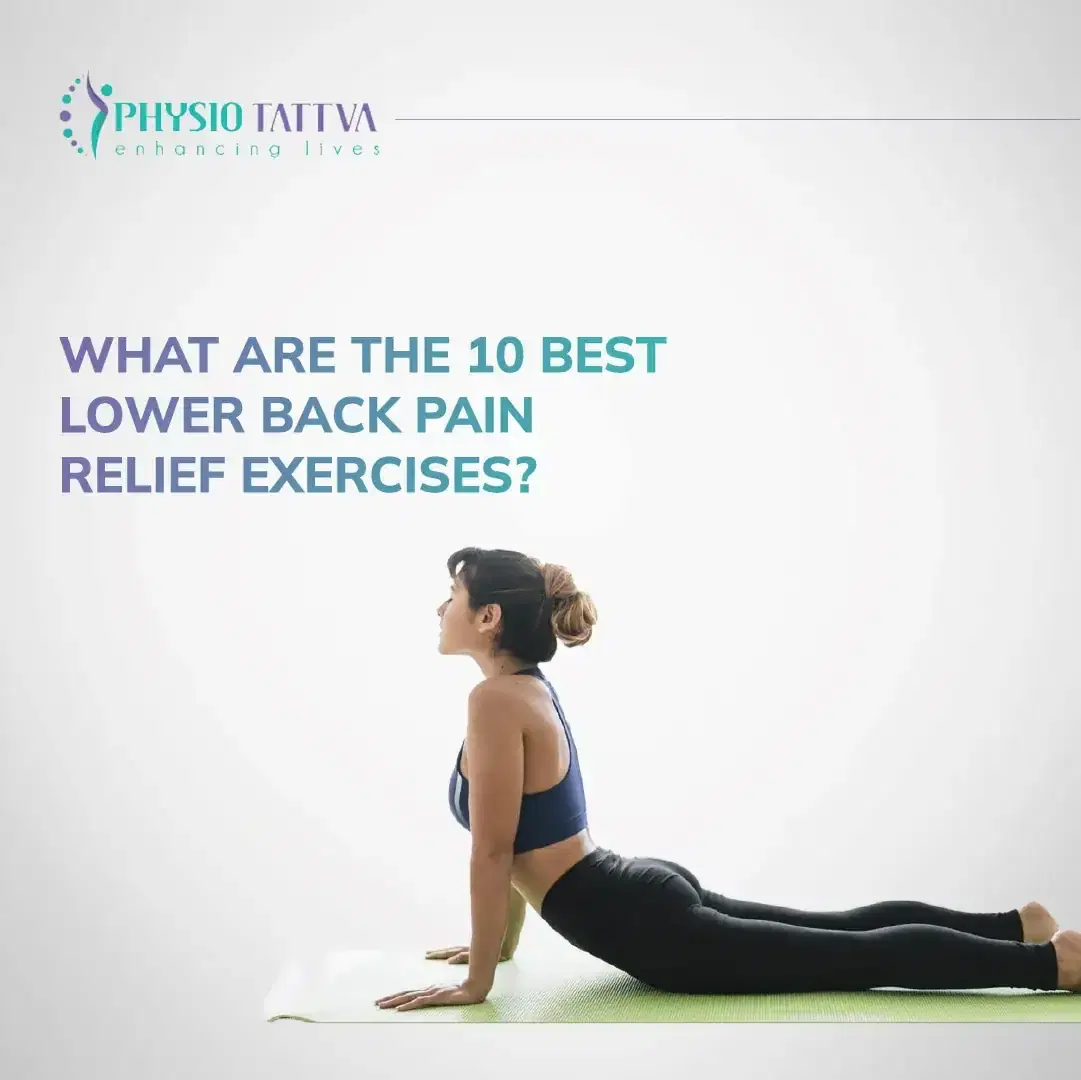
Back pain is one of the most common complaint amongst people. At least once in a lifetime, almost 80% of people will experience back pain. The symptoms range from mild aches and pains to severe pain that prevents you from sitting, bending, or standing. You may also experience numbness and tingling in your lower limbs. Lower back pain is caused due to injury to a muscle or a ligament. Lower back pain is also called the lumbar region that starts from below the rib cage. Most injuries, conditions, or diseases are often linked to lower back muscles or tendons in the back.
 Back Pain22 May 2026
Stretching the piriformis muscles, hamstrings & hip extensors may relieve tension, reduce pain and increase range of motion. Visit Physiotattva for treatment.
Start with an assessment
We measure what you've lost, find the cause, and set out a plan with a target and a timeline.
- Call us+91 89510 47001
- Email usinfo@physiotattva.com
- Visit a clinic23 clinics across Bangalore, Hyderabad and Visakhapatnam
- Or stay homePhysiotherapy at home