Explainer: All About Rehabilitation Exercises
Here we discuss some of the most recommended therapies and exercises for a variety of ailments and disorders that might be crippling you or your beloved ones. Kindly consult your therapist before you begin with any of these exercises and rehabilitation.

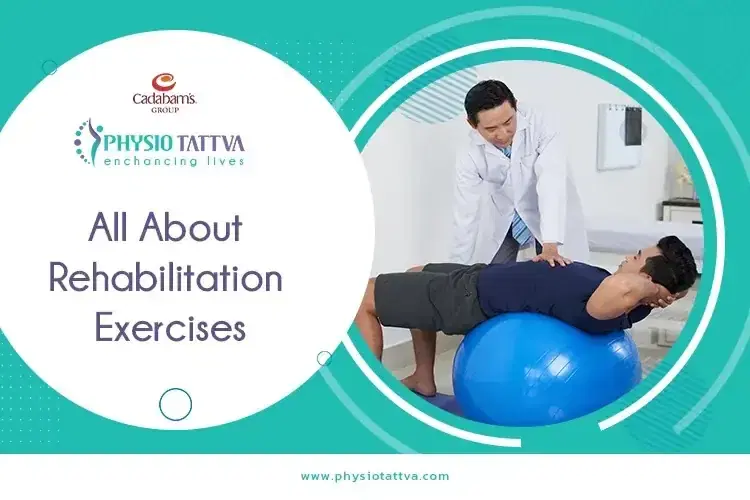
Let’s get you back in shape! Here are some of the most recommended therapies and exercises for a variety of ailments and disorders that might be crippling you or your beloved ones. Kindly consult your therapist before you begin with any of these exercises and rehabilitation.
Types Of Pulmonary/Lung Rehabilitation
If you have a pulmonary/Lung disease then Pulmonary exercises will enable you to leverage your lungs to their max capacity. Pulmonary rehabilitation generally involves Inspiratory Muscle Training, Exercise Training, Neuromuscular Electrical Stimulation, and Nutritional Counselling.
The entire course of rehabilitation could be anywhere near 12 weeks to the extent of how the patient copes with the therapy. Besides the conventional program, additional aid like Oxygen therapy and Chest therapy is also provided, subject to the patient’s need.
Vestibular Rehabilitation Exercise
Vestibular Rehabilitation in common parlance is known as ‘Balance Rehabilitation’. Generally, this therapy is applied to patients with a varying degree of motion sickness, dizziness, post-traumatic vertigo, etc. However, this therapy is not recommended for patients with low BP, vertigo, medicinal reactions, etc. Following treatments may involve vestibular therapy.
- BPPV treatment
- Balance Exercises
- Gaze Exercises
- Visual Dependence Exercises
- Physical Conditioning Exercises
- New Exercises like Ocular Tracking, Otolith Recalibration, Axial Weight Loading, etc.
Stroke Rehabilitation Exercises
NCBI states Strokes as one of the leading causes of death and disability in India. The country accounts for over 60% of the patients globally. Over the years survival rates in stroke cases have significantly increased with better medications and therapies. However, it’s worth noting that only about 10% of stroke victims make a full recovery.
In most cases, physical therapies can do wonders for the patients as research indicates, physical exercises improve the quality of life of the affected.
Some of the more common Stroke Rehabilitation Exercises involve
- Arm Exercises
- Balance Exercises
- Core Exercises
- Hand Exercises
- Leg Exercises
- Shoulder Exercises
Respiratory Rehabilitation Exercise
Pulmonary rehabilitation exercises are required by patients with weaker lungs in general owing to multiple factors including sedentary lifestyle and chain-smoking. Respiratory rehabilitation enhances lung capacity and thereby regulates normal breathing amongst the patients. Here are some of the more common respiratory rehabilitation exercises.
- Qingong Belly Breathing or Diaphragmatic Breathing
- Pursed Lips Breathing
- Humming
- Interval Training
Knee Injury Rehabilitation Exercises
Knee pain and injury is a very common orthopedic problem. In severe cases, it might even call for a surgery. However, in both surgical and non-surgical cases, rehabilitation exercise will restore strength and flexibility of the knees.
Knee sprain rehabilitation exercises typically involve,
- Stretching Out - these are simple stretching exercises that incorporate leg stretches (as guided by the physio).
- Exercises for Muscles around Knees - some of the exercises to strengthen muscles surrounding the knee are Quadricep strengthening, Calf strengthening, hamstring strengthening, etc.
- Hip Stabilisers - this one’s rather uncommon but usually is applied for strengthening the hip muscles.
- Muscle Endurance - some exercises like cycling, swimming etc would help strengthen muscles around the knees. However, avoid downhill running and probably staircase workouts.
Rehabilitation Exercises For The Elderly
Seniors require a substantial amount of medical assistance and therapeutic care. Especially with arthritic conditions and other chronic diseases. Even a healthy 60 something should incorporate exercises that will strengthen muscles and help with flexibility and balance. Some of the more common rehabilitation exercises for the elderly are
- Balance Rehabilitation Exercises
- Lower Body Balance Exercises - Heel raises, Ankle movements, etc.
- Upper Body Balance and Flexibility Exercises - Shoulder rolls, Sidearm lifts, Front arm lifts etc.
- Coordination and Balance Improving Exercises - Heel-toe walking, Heel lifts with alternating arm lifts.
These exercises will help with posture correction and in general, improve the quality of life for the sick (and healthy) elderlies.
Spinal Cord Injury Rehabilitation Exercises
Spinal cord injuries snaps the connection between the body and the brain. This instigates muscle weakness or failure in severe cases. Intensive therapies are suggested to inhibit recovery of mobility and flexibility in the injured patients. Some Spinal Cord rehabilitation exercises are as follows,
- Motion Exercises - the purpose of motion exercises is to prevent stiffness of muscles and promote blood circulation in the paralysed area.
- Leg Exercises - leg exercises will help reduce muscle atrophy.
- Hand Exercises - hand exercises will enable the patient to gain fine motor skills and control.
- Core Exercises -core exercises help patients gain better balance and posture.
Elbow Fracture Rehabilitation Exercises
Following are some rehabilitation exercises for Elbow fracture.
- Elbow Flexion
- Elbow Extension
- Forearm Supination
- Forearm and Elbow Pronation
Important things to keep in mind while healing
Here are a bunch of stuff you should keep in mind during the course of recovery and healing.
- Don’t overexert yourself
- Follow the dietary advice of your physician
- Don’t skip the routine
- Avoid alcohol, smoking, and too much screen time
- Have ample rest
The rehabilitation therapies mentioned here are discussed in brief.
For more info on various therapies and treatment, get in touch with us at Physiotattva.