


Cupping Therapy
Cupping Therapy for Osteoporosis
Cupping therapy involves placing cups on the skin to create suction, purportedly increasing blood flow and reducing pain. It is known to reduce swelling in muscles and improve blood flow, which helps in bone healing, though evidence is inconclusive.
Treats Osteoporosis
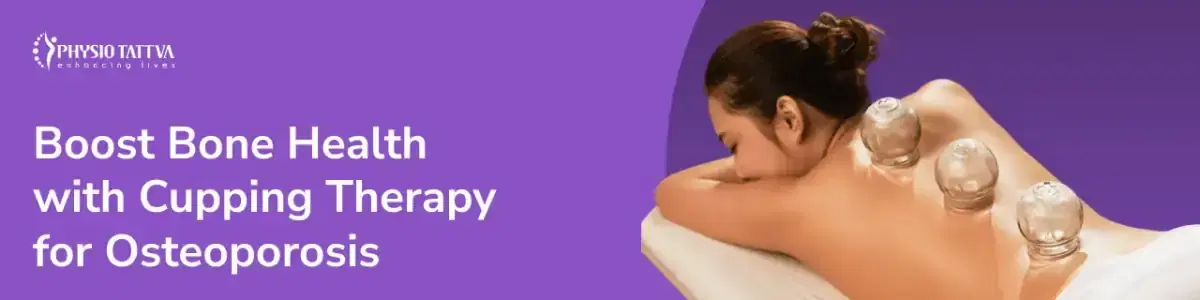
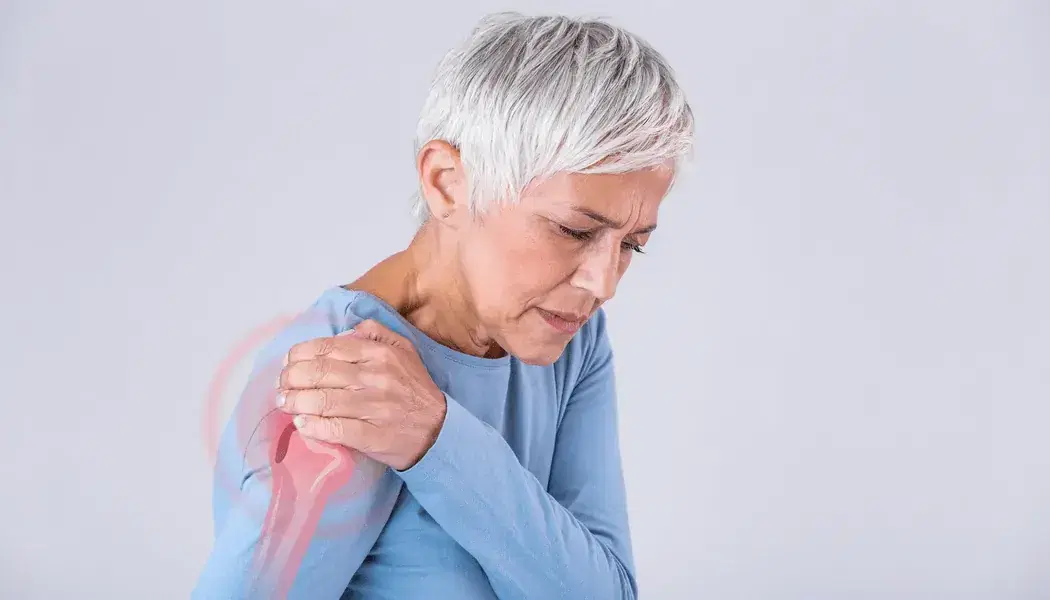
Cupping therapy is a traditional physiotherapy technique used to help relieve muscle pain, reduce stiffness, and improve circulation. While it does not treat osteoporosis itself, it can be an effective part of a comprehensive plan to manage the musculoskeletal discomfort that often accompanies the condition, helping to enhance mobility and quality of life.
What Is Osteoporosis and How It Affects Bone Health?
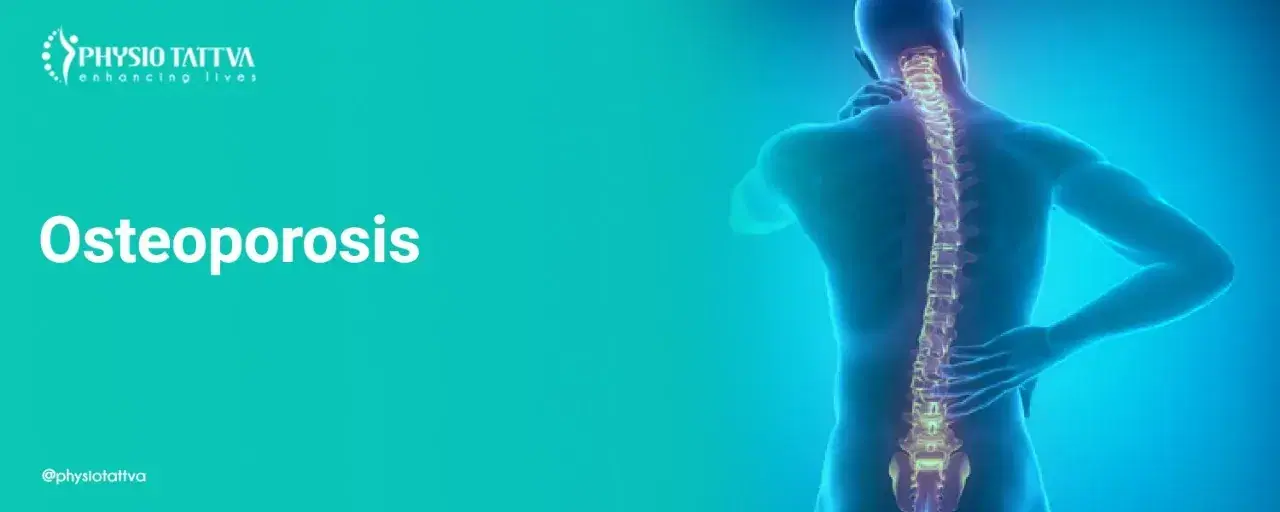
Osteoporosis is a medical condition that causes bones to become weak and brittle as bone density decreases over time. This loss of bone mass makes them highly susceptible to fractures, even from minor falls or stresses that would not normally cause injury.
What Are the Risk Factors for Osteoporosis?
Several factors can increase your likelihood of developing osteoporosis. Key risk factors include:
- Ageing: Bone density naturally decreases with age.
- Hormonal Changes: Reduced estrogen levels after menopause are a primary cause.
- Nutritional Deficiencies: Low intake of calcium and vitamin D.
- Sedentary Lifestyle: Lack of weight-bearing exercise weakens bones.
- Certain Medications: Long-term use of steroids can affect bone health.
- Lifestyle Choices: Smoking and excessive alcohol consumption.
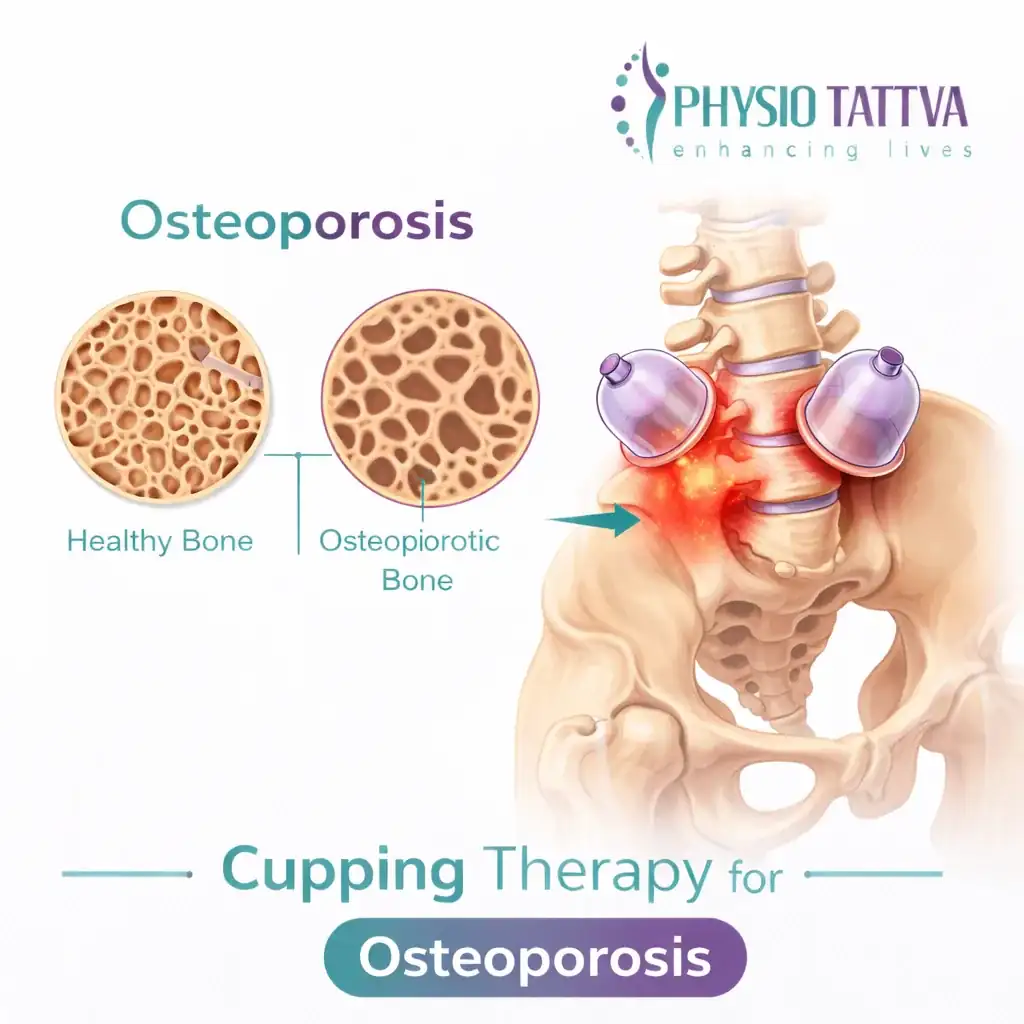
What Are the Symptoms and Complications of Osteoporosis?
Osteoporosis is often called a "silent disease" because bone loss occurs without symptoms. However, once bones have been weakened, you may experience:
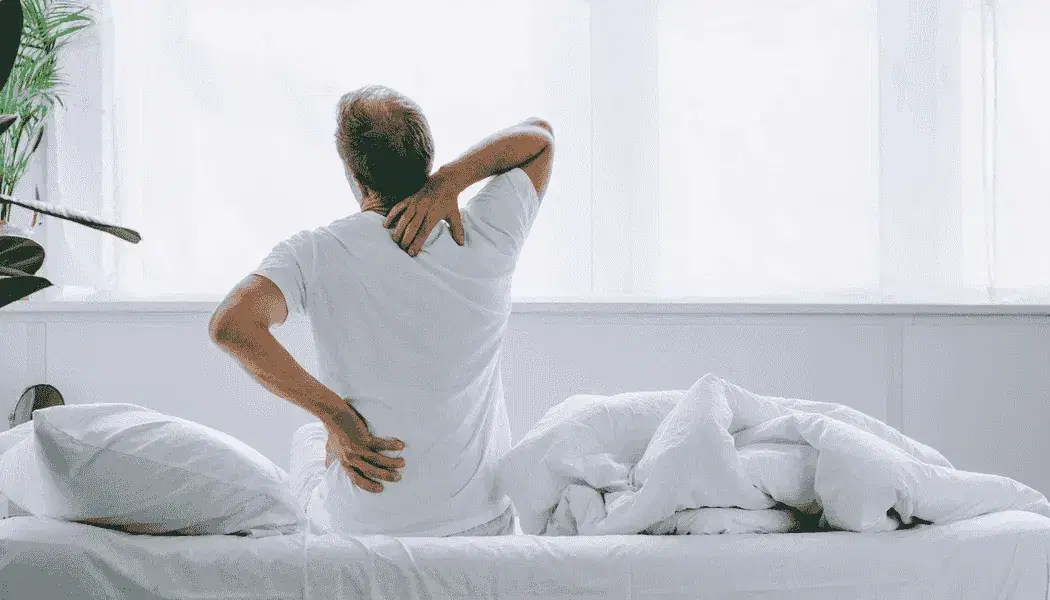
- Back pain, caused by a fractured or collapsed vertebra.
- Loss of height over time.
- A stooped or curved posture.
- A bone that breaks much more easily than expected.
What Is Cupping Therapy for Musculoskeletal Support?
Cupping therapy is a non-invasive treatment where a therapist places special cups on your skin for a few minutes to create suction. This technique is used in physiotherapy to decompress underlying muscles and connective tissues, helping to reduce pain and improve function.
How Does Cupping Therapy Improve Circulation and Muscle Relaxation?
The suction created by the cups gently pulls the skin and superficial muscle layer upward. This process helps to:
- Increase blood flow to the targeted area.
- Reduce muscle tension and tightness.
- Enhance the flow of nutrients and oxygen to soft tissues.
- Stimulate the body's natural healing processes.
What Are the Benefits of Cupping Therapy for Osteoporosis-Related Pain?
For individuals with osteoporosis, cupping therapy focuses on managing secondary musculoskeletal symptoms. The primary benefits include:
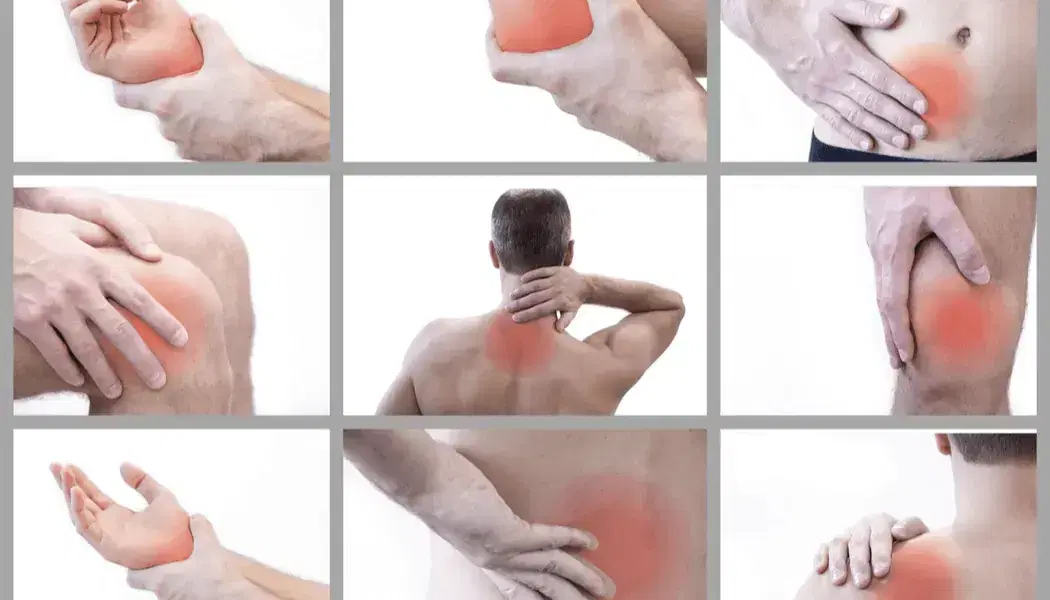
- Pain Relief for Musculoskeletal Discomfort: It helps alleviate muscle tension and soreness in areas like the back and shoulders, which are often strained due to postural changes.
- Improved Blood Circulation: Enhanced blood flow can help nourish muscles and reduce stiffness around affected joints.
- Improved Mobility and Flexibility: By relaxing tight muscles and fascia, cupping can help improve range of motion and make daily movements more comfortable.
What to Expect During a Cupping Therapy Session?
A cupping session at Physiotattva is a structured and safe process. Here is what you can typically expect:
- Initial Assessment: Your physiotherapist will discuss your symptoms and assess the painful areas.
- Comfortable Positioning: You will be asked to lie down in a comfortable position to access the target muscles.
- Cup Application: Sterilised cups will be placed on the skin over the tight or sore muscle groups.
- Suction and Duration: A gentle suction is created, and the cups are left in place for about 5 to 10 minutes.
- Cup Removal: The therapist will safely release the suction and remove the cups.
- Post-Session Care: You will receive guidance on aftercare, such as staying hydrated.
What Are the Aftercare and Recovery Guidelines?
After your session, you may notice circular marks on your skin, which are temporary and typically fade within a few days. To support recovery, it is recommended to:
- Drink plenty of water to help flush out metabolic waste.
- Avoid strenuous exercise for the next 24 hours.
- Keep the treated areas covered and warm.
Is Cupping Therapy Part of a Comprehensive Physiotherapy Plan?
Yes, cupping therapy is most effective when integrated into a holistic treatment plan for osteoporosis management. It works best alongside:
- Customised strengthening and weight-bearing exercises.
- Balance and posture training to reduce fall risk.
- Manual therapy and mobility exercises.
When Should You Consult a Physiotherapist or Healthcare Professional?
It is crucial to consult a qualified physiotherapist or doctor before starting cupping therapy for osteoporosis-related pain. This therapy is generally safe but may not be suitable for everyone. It should be avoided over areas with:
- Active fractures or broken bones.
- Open wounds or skin infections.
- Severe skin conditions.
A professional assessment ensures the therapy is applied safely to muscle groups and not directly over fragile bones, minimising any risks.
Why Choose Physiotattva for Cupping Therapy?
At Physiotattva, we prioritise your safety and well-being. Our team offers:
- Expert Therapists: Certified physiotherapists trained in cupping and musculoskeletal health.
- Personalised Care: Treatment plans are tailored to your specific condition and goals.
- Integrated Approach: We combine cupping with evidence-based physiotherapy for comprehensive pain management.
- Safe Environment: All procedures are conducted in a sterile and professional clinical setting.
Answers
Frequently asked questions

Symptoms
Related symptoms


Treatments
Related treatments


Therapies
Related therapies
 Health30 October 2025
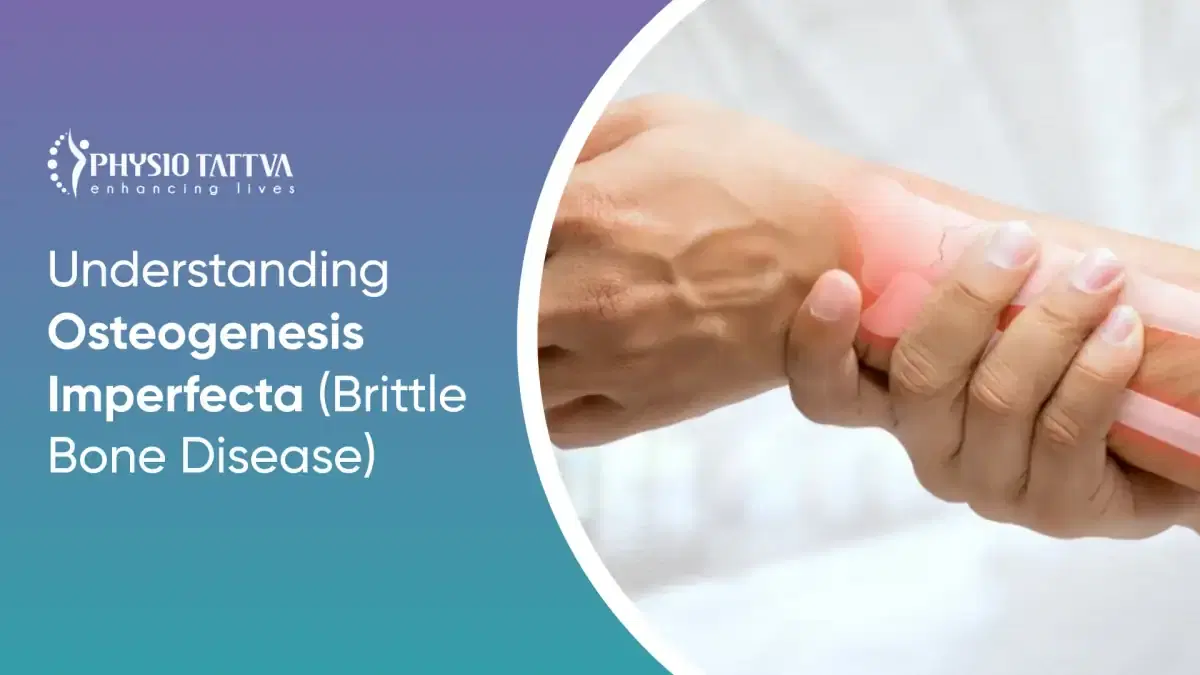
Learn about osteogenesis imperfecta, also known as brittle bone disease. Discover the causes, symptoms, and treatment options for this condition.
Start with an assessment
We measure what you've lost, find the cause, and set out a plan with a target and a timeline.
- Call us+91 89510 47001
- Email usinfo@physiotattva.com
- Visit a clinic23 clinics across Bangalore, Hyderabad and Visakhapatnam
- Or stay homePhysiotherapy at home