Stroke Rehabilitation

Stroke rehabilitation focuses on restoring movement, balance, speech, and daily function after a stroke. Understanding key symptoms and starting structured physiotherapy early helps improve recovery, independence, and long-term quality of life.

Stroke Rehabilitation

A stroke occurs when blood flow to the brain is disrupted, causing damage to brain cells and affecting normal body functions. This can lead to problems with movement, speech, balance, thinking, and emotions. Understanding the common stroke symptoms and their causes is essential for early care and effective recovery. Stroke rehabilitation helps individuals regain lost abilities through structured physiotherapy and guided exercises that support brain recovery. This article outlines the key symptoms, causes, and rehabilitation approaches that help improve function and quality of life after a stroke.

Symptoms That Indicate the Need for Stroke Rehabilitation

Immediately following a stroke, a person may experience a wide range of impairments. These challenges are direct results of the injury to specific brain areas and are the primary targets of a rehabilitation program. The exact Stroke Rehabilitation signs and symptoms are unique to each individual, depending entirely on the part of the brain affected and the extent of the damage. A thorough assessment by a medical team, including a physiotherapist, is crucial to identify these signs and create a personalized therapy plan.

Physical and Motor Difficulties

These are frequently the most apparent consequences of a stroke. The disruption of the brain's motor control centre can lead to significant mobility challenges. This may manifest as muscle weakness on one side of the body (hemiparesis) or, more severely, as complete paralysis on one side (hemiplegia). Survivors often struggle with poor balance and coordination (ataxia), making walking unstable and increasing the risk of falls. Difficulty with fine motor skills, such as buttoning a shirt or writing, is also common, alongside issues like foot drop, which impedes the ability to lift the front part of the foot while walking.

Speech and Communication Barriers

When a stroke affects the language centres of the brain, it can create profound communication barriers. A primary condition is aphasia, which can impair the ability to produce speech (expressive aphasia) or understand it (receptive aphasia), as well as affect reading and writing. Another common issue is dysarthria, which is a motor speech disorder. In this case, the muscles used for speech are weakened, causing slurred or slow speech that is difficult to understand. These communication issues are crucial symptoms of Stroke Rehabilitation that require specialized therapy.

Cognitive and Perceptual Changes

A stroke can significantly impact cognitive functions—the mental processes of thinking, learning, and remembering. Survivors may face challenges with short-term or long-term memory, a reduced attention span, and difficulty with executive functions like planning, problem-solving, and decision-making. Perceptual deficits can also occur, one of the most common being unilateral neglect (or spatial neglect), where the individual is unaware of one side of their space or their own body. Addressing these cognitive changes is essential for safety and independence.

Emotional and Psychological Impact

The recovery journey extends far beyond the physical realm. It is an emotionally and psychologically taxing experience for both the survivor and their family. Many individuals grapple with depression, anxiety, and feelings of frustration or anger about their new limitations. Some may experience emotional lability (or Pseudobulbar Affect), characterized by uncontrollable episodes of crying or laughing that are disconnected from their actual emotional state. Recognizing these emotional signs and symptoms of Stroke Rehabilitation needs is vital for providing holistic, compassionate care.

Causes Leading to Stroke and the Need for Rehabilitation

Rehabilitation is the necessary response to the damage caused by a stroke. To fully appreciate the road to recovery, it's important to understand the causes of Stroke Rehabilitation needs, that is, the underlying causes of the stroke itself. A stroke is broadly categorized into two main types, each with distinct causes that lead to brain injury.

Ischemic Stroke (Blockage)

Constituting approximately 87% of all strokes, an ischemic stroke occurs when a blood vessel supplying the brain is obstructed. This blockage is typically caused by a blood clot, either forming in the artery itself (thrombotic stroke) or traveling from another part of the body to the brain (embolic stroke). This obstruction starves brain cells of vital oxygen and nutrients, leading to their death within minutes. Major risk factors include high blood pressure, high cholesterol, atherosclerosis (hardening of the arteries), diabetes, and smoking.

Hemorrhagic Stroke (Bleeding)

A hemorrhagic stroke happens when a weakened blood vessel in the brain ruptures and bleeds into the surrounding tissue (intracerebral hemorrhage) or the space around the brain (subarachnoid hemorrhage). The leaked blood creates pressure and swelling, directly damaging brain cells. The most common cause is uncontrolled long-term hypertension, which weakens artery walls over time. Other causes can include ruptured aneurysms or arteriovenous malformations (AVMs). These are compelling Stroke Rehabilitation reasons because the resulting damage can be widespread and severe.

Transient Ischemic Attack (TIA) or 'Mini-Stroke'

A TIA is a "warning stroke" caused by a temporary blockage. Its symptoms are identical to a full stroke but resolve within minutes to hours, leaving no permanent damage. However, a TIA should never be ignored. It is a powerful predictor of a future, major stroke and serves as an urgent call to seek immediate medical evaluation and address underlying risk factors to prevent a more devastating event.

How Physiotherapy Helps Manage Post-Stroke Symptoms

Physiotherapy is a cornerstone of any effective stroke rehabilitation program. At Physiotattva, our skilled physiotherapists develop patient-centric plans targeting the specific Stroke Rehabilitation symptoms to restore function, improve mobility, and enhance quality of life. The core principle is leveraging neuroplasticity to encourage healthy brain areas to compensate for injured ones.

Restoring Movement and Function

To rebuild motor skills, therapists utilize a range of techniques. Task-specific training involves repeatedly practising meaningful daily activities, such as reaching for an object or standing up from a chair, to re-establish neural pathways. Range-of-motion exercises prevent joint stiffness, while strengthening exercises target weakened muscles. Techniques like Constraint-Induced Movement Therapy (CIMT) may be used to retrain an affected arm by restricting the use of the unaffected one.

Improving Balance and Coordination

Poor balance is a major concern that increases the risk of falls. Physiotherapy addresses this with specific exercises designed to challenge and retrain the body's vestibular and proprioceptive systems—the systems that control our sense of position and stability. This training helps patients feel more grounded and confident on their feet, enabling them to move more safely during their daily routines.

Gait and Mobility Training

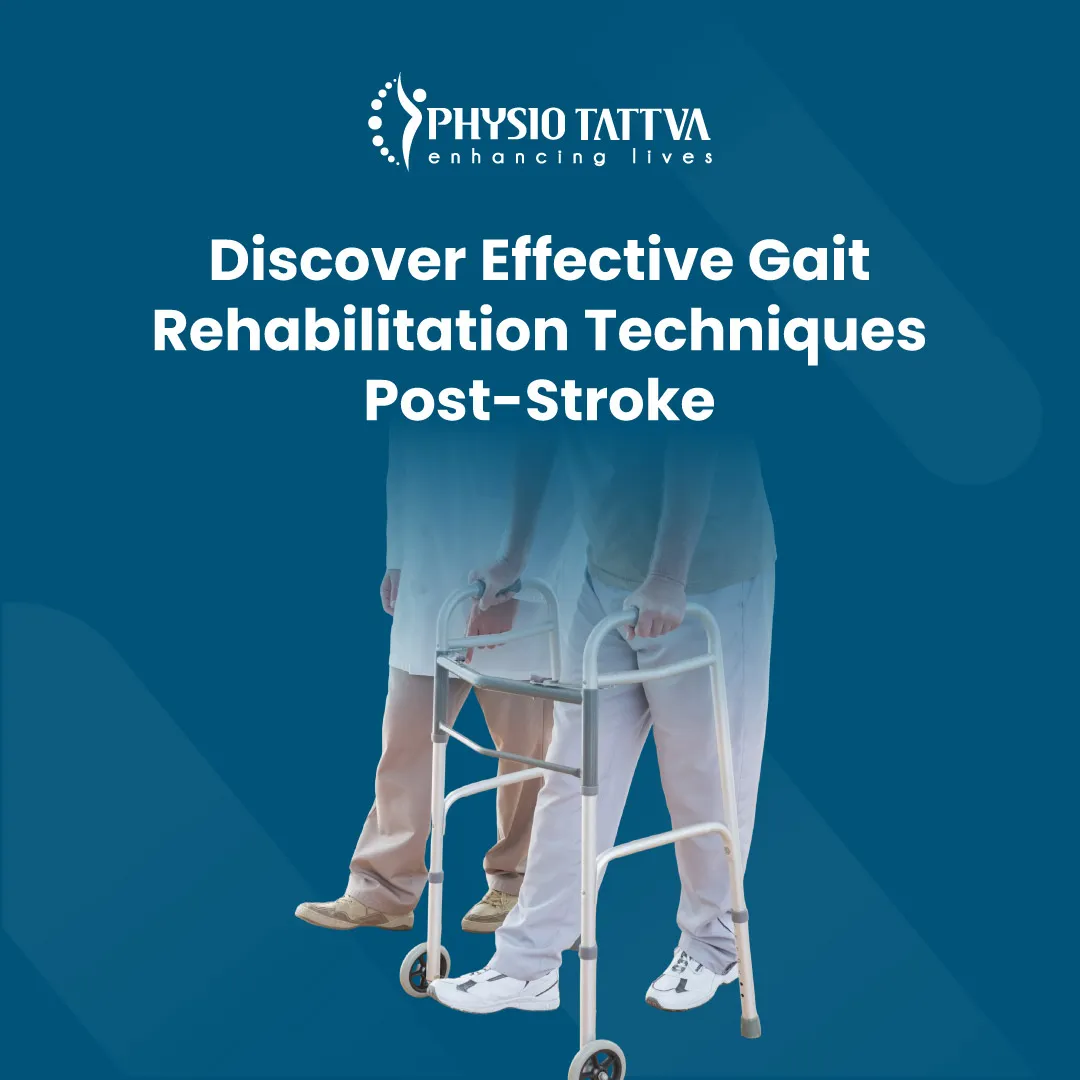
Regaining the ability to walk is a primary goal for many survivors. Physiotherapists guide patients through a structured gait training program. This begins with foundational exercises to strengthen the legs and core and progresses to walking with assistive devices like walkers or canes, and eventually, to walking independently. Therapists analyze walking patterns and provide corrective cues to improve efficiency and safety.

Managing Spasticity and Pain

Post-stroke spasticity (involuntary muscle tightness) and pain can significantly hinder recovery. Physiotherapists employ various strategies to manage these issues. This includes specialized stretching protocols, proper positioning techniques to reduce abnormal muscle tone, and the application of modalities like heat or ice therapy to alleviate pain and discomfort. By managing these symptoms, patients can participate more fully and comfortably in their rehabilitation.

Expert Stroke Rehabilitation Care for a Better Tomorrow at Physiotattva

A stroke can be life-changing, but recovery and meaningful improvement are possible with the right approach. Understanding the range of post-stroke symptoms and addressing individual rehabilitation needs early plays a crucial role in long-term outcomes. Through structured and goal-oriented physiotherapy, stroke survivors can improve mobility, regain functional independence, and rebuild confidence. With timely intervention, consistent effort, and expert support, individuals can move forward after a stroke and work toward a more active, independent, and fulfilling quality of life.

At Physiotattva physiotherapy clinics in Bangalore and Hyderabad, you receive personalised care tailored to your specific needs, ensuring effective results and comfort throughout your journey to recovery. 

Don’t wait to start your recovery! Get in touch with Physiotattva for more details! Contact us at +91 89510 47001.

Frequently Asked Questions

How long does stroke rehabilitation take?

FAQ Icon

The duration of stroke rehabilitation varies greatly for each person. It depends on the severity of the stroke, the patient's overall health, and their level of motivation. Some may see significant progress in a few months, while others may require ongoing therapy for a year or longer to achieve their goals.

What is the main goal of physiotherapy after a stroke?

FAQ Icon

The primary goal is to maximise functional independence. This involves helping the patient relearn and improve movement, balance, coordination, and mobility. By addressing the physical Stroke Rehabilitation symptoms, physiotherapy aims to enhance the patient's ability to perform daily activities safely and effectively, ultimately improving their quality of life.

Can I fully recover from a stroke?

FAQ Icon

Recovery from a stroke is a unique journey for everyone. While some individuals may make a full recovery, many will have some lasting effects. The goal of rehabilitation is to help you achieve your personal best level of function. Early and consistent therapy significantly increases the potential for a positive outcome and helps you adapt to any long-term changes.

Related Symptoms

Related Conditions

No items found.

Related Treatments

No items found.

Related Therapies

No items found.

Our Professionals

No items found.
No items found.
No items found.

Related Blogs

No posts published yet.

Get In Touch

Valid number
Thank you! Your submission has been received!
Oops! Something went wrong while submitting the form.