




Myopathy
Myopathy refers to muscle weakness caused by muscle fibre dysfunction. Explore the common symptoms, underlying causes, and why early physiotherapy is key to improving strength and daily function.

Myopathy refers to a group of diseases that damage muscle fibres, leading to weakness, loss of function, and fatigue. Unlike neurological conditions originating in the nerves, myopathies start within the skeletal muscles themselves. This distinction is vital for accurate diagnosis and effective treatment. The condition can significantly impact a person's ability to perform daily activities, from walking and climbing stairs to lifting objects. Understanding the nature of myopathy is the first step towards managing it. This guide explores the common Myopathy symptoms, delves into the underlying causes, and explains how specialised physiotherapy is a cornerstone of treatment, helping individuals regain strength and improve their quality of life.
Key Signs and Symptoms of Myopathy
Identifying the early Myopathy signs and symptoms is crucial for timely diagnosis and intervention. While indicators vary depending on the specific type of muscle disorder, most cases share common challenges related to muscle function. Awareness of these signs is the first step toward proactive management.
Progressive Muscle Weakness
This is the cardinal symptom, typically affecting proximal muscles like the shoulders, pelvis, and thighs. People may first notice difficulty getting up from a chair or lifting their arms before weakness appears in the hands or feet.
Muscle Cramps, Pain, and Stiffness
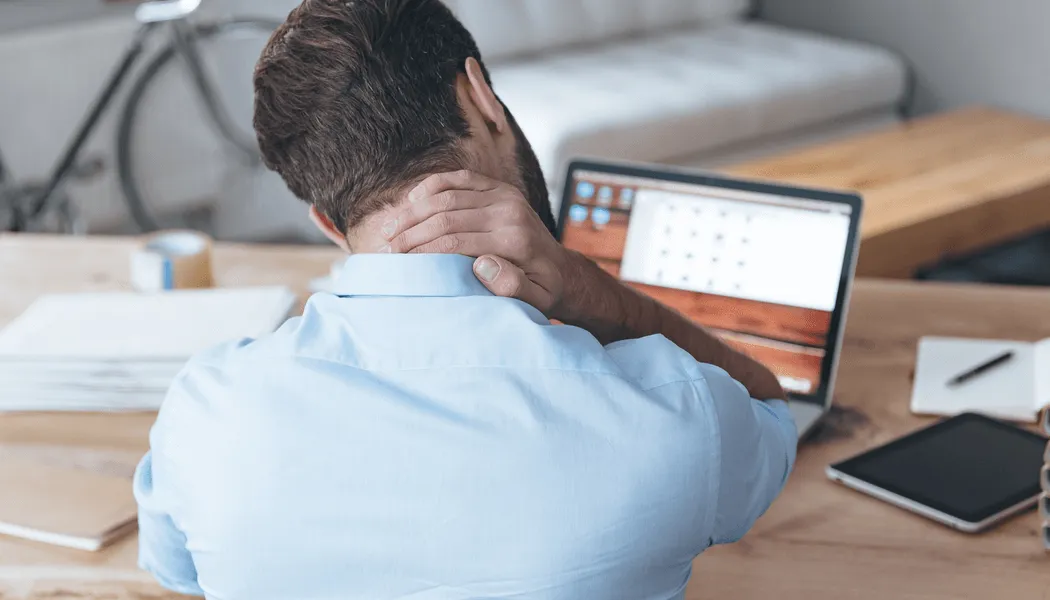
Many experience muscle spasms, aches, and stiffness from abnormal fibre function. This discomfort can occur during activity or at rest, making movement difficult and contributing to further weakness from inactivity and pain avoidance.
Difficulty with Everyday Motor Tasks
As strength declines, routine tasks like climbing stairs or combing one’s hair become hard. A "waddling" gait may develop as hip muscles weaken, affecting balance and increasing fall risk, which compromises personal independence.
Pervasive Fatigue and Low Endurance
Muscles work harder, leading to profound tiredness disproportionate to the activity. This is not simple tiredness but a deep exhaustion that can be disabling, limiting participation in work, social events, and even basic self-care.
Exploring the Main Causes of Myopathy
The reasons for Myopathy are diverse, ranging from genetic predispositions to acquired conditions. Differentiating between them is essential for determining the most appropriate treatment plan. The various Myopathy causes are generally grouped into a few key categories, each with a distinct origin.
Inherited Genetic Factors
Many myopathies are hereditary, from a faulty gene passed through families. This group includes muscular dystrophies (like Duchenne) and congenital myopathies, which cause structural issues in muscle fibres from birth or early infancy.
Autoimmune and Inflammatory Conditions
The body's immune system mistakenly attacks healthy muscle tissue, causing chronic inflammation and damage. Polymyositis and dermatomyositis are examples where an autoimmune response drives weakness, pain, and functional decline.
Endocrine and Metabolic Disorders
Thyroid disease (both overactive and underactive) and adrenal gland issues like Cushing’s syndrome can directly cause significant muscle weakness and fatigue by disrupting the body's normal metabolic and hormonal processes.
Medication, Toxin, or Alcohol-Induced Issues
Certain substances are toxic to muscles. This includes long-term use of medications like statins or corticosteroids. Excessive, chronic alcohol consumption is another cause, leading to alcoholic myopathy and severe muscle breakdown.
How Physiotherapy Helps Manage Myopathy Symptoms
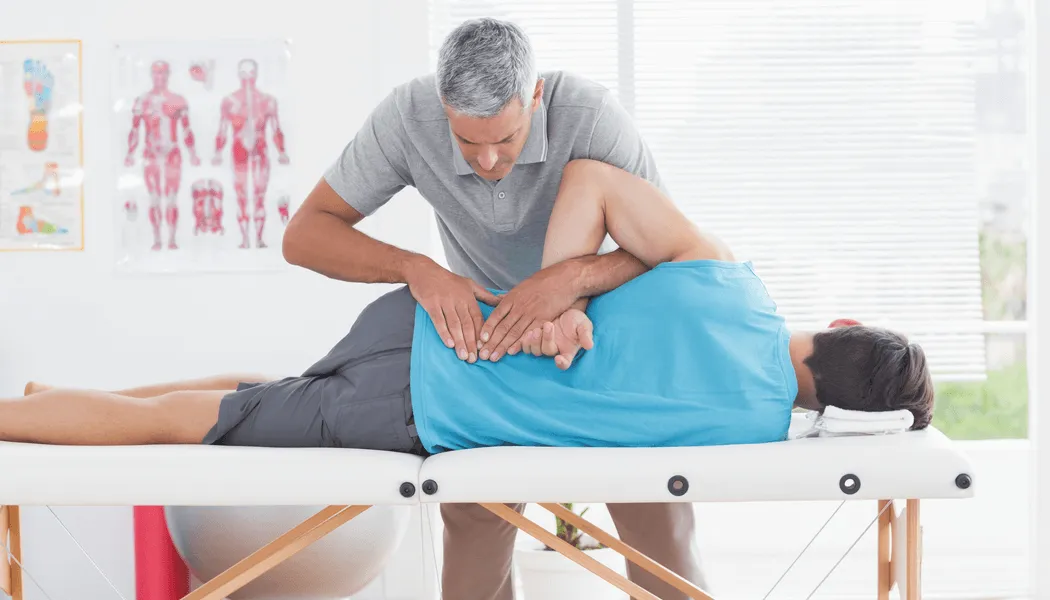
While many myopathies have no cure, physiotherapy is indispensable for managing the condition, preserving function, and enhancing quality of life. Physiotattva experts create customised plans focused on maximising mobility and minimising the impact of Myopathy signs and symptoms on daily living.
Tailored and Safe Exercise Programs
A physio designs stretching and strengthening exercises to maintain flexibility and fight weakness. The focus is on low-impact activities like hydrotherapy that build strength without overtaxing and damaging compromised muscle fibres.
Improving Functional Mobility
Therapists work on improving the ability to perform daily tasks safely. This includes gait training to enhance walking, balance exercises to prevent falls, and transfer training (e.g., getting in/out of bed) to maintain independence.
Pain and Stiffness Management Techniques
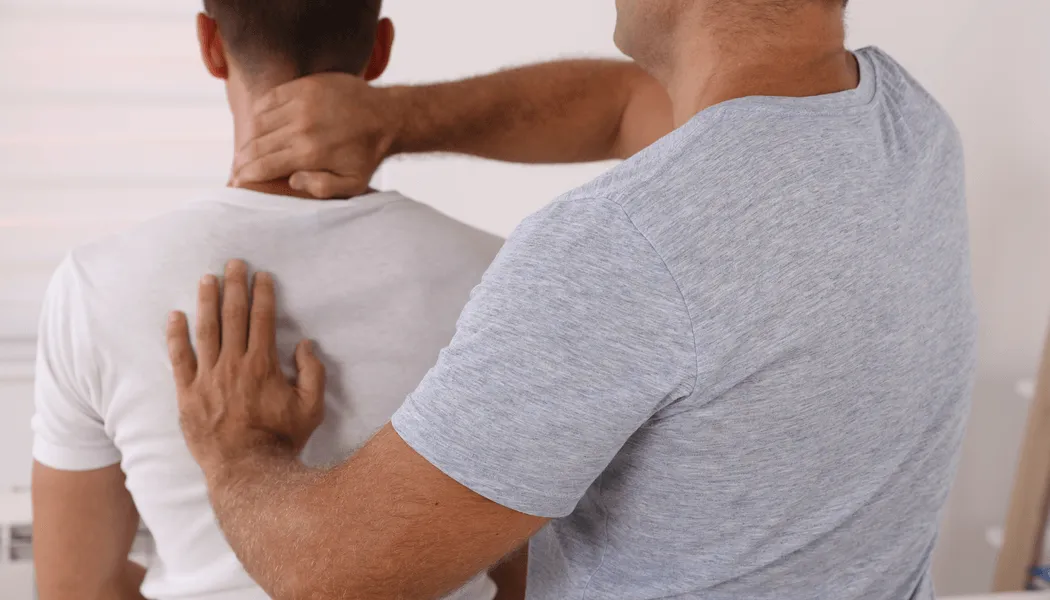
Manual therapy, gentle massage, and heat or cold application help alleviate pain, reduce stiffness, and improve circulation. These techniques provide relief, making it easier to participate comfortably in therapeutic exercises.
Respiratory and Endurance Training
If respiratory muscles are affected, physios teach deep breathing exercises to maintain lung capacity. They also create graded cardio programs to improve endurance, helping patients manage fatigue and participate more fully in life.
Strengthen Weak Muscles and Rebuild Mobility with Expert Myopathy Care at Physiotattva
Myopathy presents a complex challenge, with a wide array of potential symptoms stemming from diverse causes. Recognising the early indicators, such as progressive proximal muscle weakness and difficulty with daily tasks, is vital for seeking a prompt diagnosis. While the journey with a muscle disorder can be daunting, effective management is achievable. A proactive approach centred on specialised physiotherapy can significantly slow functional decline, manage pain, and preserve independence. By working to maintain strength, flexibility, and function through a tailored program, individuals with myopathy can continue to lead active, meaningful, and fulfilling lives despite their diagnosis.
At Physiotattva physiotherapy clinics in Bangalore and Hyderabad, you receive personalised care tailored to your specific needs, ensuring effective results and comfort throughout your journey to recovery.
Don’t wait to start your recovery! Get in touch with Physiotattva for more details! Contact us at +91 89510 47001.
Frequently Asked Questions
Is myopathy curable?

Many inherited myopathies have no cure, but symptoms can be managed. Acquired myopathies, from medication or another disorder, may be reversed or improved by treating the underlying cause, thus restoring muscle health.
What is usually the first noticeable symptom of myopathy?
The most common initial Myopathy symptom is progressive weakness in the proximal muscles. This often manifests as difficulty getting up from a chair, climbing stairs, or lifting arms, rather than weakness in the hands or feet.
Can exercise make myopathy worse?
While over-exertion is harmful, a low-impact exercise program from a physiotherapist is beneficial. The goal is to stimulate muscles and build strength without causing further damage to the delicate fibres.
How is myopathy diagnosed?
Diagnosis involves a physical exam, medical history review, and blood tests for muscle enzymes. An electromyography (EMG) tests muscle electrical activity, and a muscle biopsy may examine the tissue directly.



.webp)




.webp)

.webp)



%20(1)-p-3200.jpeg)


.jpg)
.webp)
.webp)
.webp)