




Radiculopathy
Radiculopathy causes sharp, radiating pain and numbness. Learn about its causes and symptoms, and how physiotherapy at Physiotattva can help alleviate pain, improve function, and support long-term recovery for a more active lifestyle.

Radiculopathy, commonly known as a "pinched nerve," happens when a nerve root in the spine becomes compressed or irritated, causing pain and discomfort. Identifying the symptoms and their causes is crucial for effective treatment. At Physiotattva, we provide our patients with the knowledge to take control of their condition. Early intervention is vital, as ignoring symptoms can lead to long-term issues. This article explains radiculopathy and how physiotherapy can help manage pain and promote recovery.
Key Radiculopathy Signs and Symptoms
The specific signs of nerve root compression depend heavily on which part of the spine is affected: cervical (neck), thoracic (mid-back), or lumbar (low back). While the location of the pain may shift, the nature of the symptoms is often consistent and can significantly impact your daily activities.
Sharp, Radiating Pain
This is the hallmark symptom. The pain isn't just localised to the back or neck; it travels or "radiates" along the path of the compressed nerve. For instance, cervical radiculopathy causes pain to shoot down the arm, while lumbar radiculopathy (sciatica) results in pain that travels down the leg.
Numbness and Tingling
Along with pain, you might experience a "pins and needles" sensation (paresthesia) in your limbs. This occurs because the nerve compression interferes with the sensory signals being sent to your brain. Areas of your arm, hand, leg, or foot may feel numb or as if they have "fallen asleep." This sensation can range from mildly annoying to completely disruptive, affecting your ability to feel textures or temperature.
Muscle Weakness
When a nerve root is compressed, the muscles it controls can become weak. You might notice difficulty with tasks that were once easy, such as gripping objects, lifting your arm, or having a "foot drop" where you can't lift the front part of your foot while walking.
Changes in Reflexes
A compressed nerve can also affect your reflexes. During a physical examination, a physiotherapist may find that the reflexes in your arms or legs are diminished or absent. This is a key diagnostic sign that points toward a specific nerve root being involved.
Primary Causes of Radiculopathy
The discomfort from a "pinched nerve" is a direct result of something putting pressure on a nerve root. These radiculopathy causes are typically related to changes in the structures surrounding the spinal column, often due to injury or age-related wear and tear.
Herniated or Bulging Discs
This is one of the most common causes. The soft, gel-like discs between your vertebrae can get damaged, causing them to bulge or rupture (herniate). This displaced disc material can press directly against a nearby nerve root, triggering intense pain and other symptoms. This can happen suddenly from an injury or lifting something heavy, or it can develop gradually over time with repetitive strain.
Spinal Stenosis
Spinal stenosis is the gradual narrowing of the spinal canal, the open space within your spine. This narrowing reduces the room available for the spinal cord and nerve roots. As the space tightens, it can lead to chronic nerve compression, particularly in older adults.
Degenerative Disc Disease
Over time, the spinal discs naturally lose height and hydration, becoming less flexible. This process, known as degenerative disc disease, can cause the vertebrae to move closer together, potentially pinching the nerves that exit between them.
Bone Spurs (Osteophytes)
In response to inflammation or joint instability, often from arthritis, the body may form extra bone growths called bone spurs. While not inherently painful, these osteophytes can grow into the spaces reserved for nerves, leading to compression and irritation.
How Physiotherapy Helps Manage Radiculopathy Symptoms
Physiotherapy is a cornerstone of effective, non-surgical management for this condition. At Physiotattva, our goal is not just to alleviate your current pain but to address the root mechanical problems, restore your function, and equip you with the tools to prevent future episodes.
Personalised Assessment and Diagnosis
Your journey begins with a thorough evaluation. Our expert physiotherapists assess your movement, strength, reflexes, and pain patterns to pinpoint the exact nerve root involved and identify the underlying mechanical cause contributing to your radiculopathy symptoms.
Manual Therapy Techniques
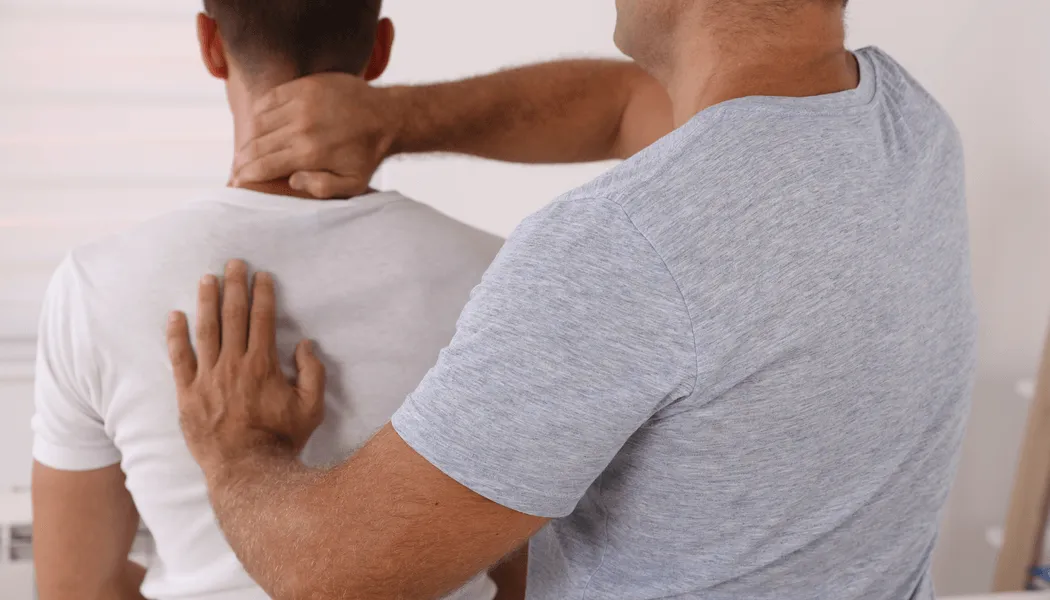
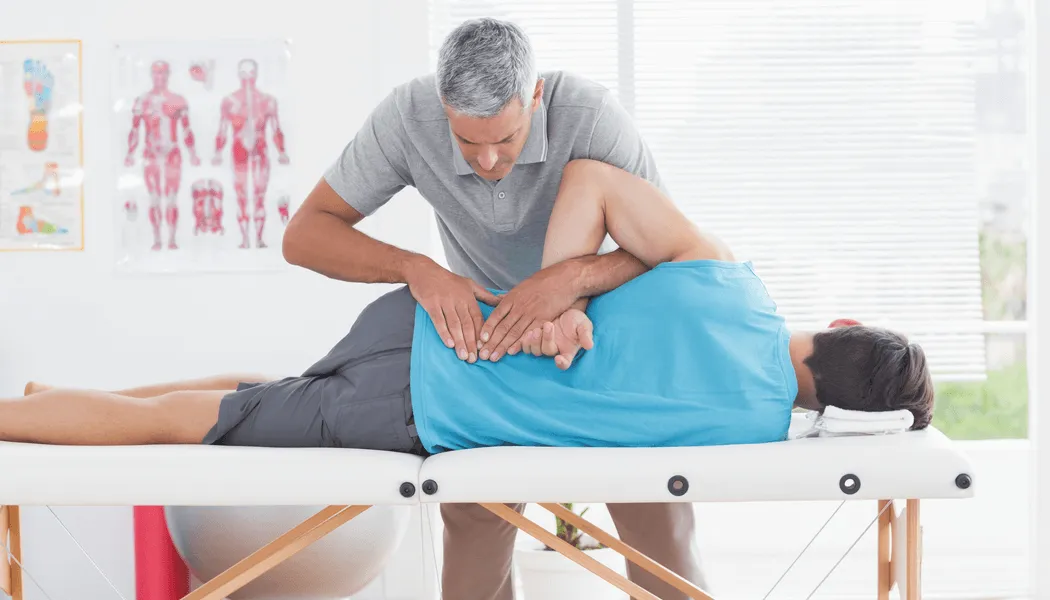
Hands-on treatments are vital for providing immediate relief. Techniques like joint mobilisation, soft tissue release, and gentle chiropractic adjustments can help decompress the affected nerve root, reduce inflammation, and improve spinal mobility. Manual therapy helps restore normal joint mechanics and reduces pressure on the irritated nerve root.
Therapeutic Exercises and Stretching
A customised exercise program is designed to strengthen the supporting muscles around your spine and improve flexibility. A strong core, for example, provides better stability for the lumbar spine, while specific neck exercises can relieve pressure in the cervical region.
Posture Correction and Education
Poor posture often contributes to the strain on your spine. We educate you on proper ergonomics for sitting, standing, and lifting. By correcting these habits, you can significantly reduce the daily stress on your spinal structures and prevent the recurrence of symptoms.
Achieve Lasting Relief from Radiculopathy with Physiotattva
Experiencing sharp, radiating pain and weakness from a pinched nerve can be unsettling, but it’s important to know that radiculopathy is highly treatable. The key is to get an accurate diagnosis to understand the causes and begin a targeted treatment plan. While the symptoms can be disruptive, they are signals from your body that need attention. With the help of a skilled physiotherapist, you can manage the pain, restore strength and mobility, and regain control over your life. Don’t let nerve pain control your daily activities; take proactive steps toward lasting relief and a healthier, more active future.
At Physiotattva physiotherapy clinics in Bangalore and Hyderabad, you receive personalised care tailored to your specific needs, ensuring effective results and comfort throughout your journey to recovery.
Don’t wait to start your recovery! Get in touch with Physiotattva for more details! Contact us at +91 89510 47001.
Frequently Asked Questions
How long does it take for radiculopathy symptoms to improve with physiotherapy?

Recovery time varies depending on the severity and cause of the nerve compression. Many patients experience significant pain relief within a few weeks of starting physiotherapy. A full recovery, including regaining strength and function, may take several weeks to a few months of consistent treatment and exercise.
Can this condition go away on its own?
In some mild cases, symptoms may resolve with rest and activity modification. However, without addressing the underlying cause (like a herniated disc or poor posture), the problem is likely to return. Physiotherapy helps correct these root issues for long-term relief.
Is surgery always necessary for a "pinched nerve"?
No, surgery is typically considered a last resort. The vast majority of cases can be successfully managed with conservative treatments like physiotherapy, which focus on relieving pressure on the nerve, reducing inflammation, and strengthening the surrounding muscles to support the spine.



.webp)





.webp)

.webp)




%20(1)-p-3200.jpeg)

.jpg)
.webp)
.webp)
.webp)