




Lumbar Radiculopathy
Lumbar radiculopathy can cause sharp pain and weakness in the leg. Understand its symptoms and causes, and how physiotherapy at Physiotattva can help manage pain and improve movement.

Lumbar radiculopathy, commonly known as a "pinched nerve," occurs when a nerve root in the lower back becomes compressed or irritated. This condition can cause sharp, radiating pain, numbness, or weakness that often travels down the leg. The symptoms can significantly disrupt daily activities, making it difficult to walk, sit, or even stand comfortably. The underlying causes of lumbar radiculopathy vary but typically involve disc herniation, spinal stenosis, or age-related changes in the spine. Understanding these symptoms and their causes is crucial for finding the right treatment. This article explains the key signs of lumbar radiculopathy, its causes, and how physiotherapy can offer effective, non-surgical relief to restore function and reduce pain.
Key Signs and Symptoms of Lumbar Radiculopathy
The symptoms of lumbar radiculopathy are directly related to which of the five lumbar nerve roots (L1-L5) is affected. While lower back pain may be present, the defining characteristic is the way symptoms travel along the specific path of the compressed nerve, known as a dermatome.
Radiating Pain Down the Leg
This is the classic, hallmark symptom. The pain is not a dull, generalised ache; it is often described as sharp, shooting, burning, or like an electric shock. It typically originates in the lower back or buttock and radiates down the posterior or lateral aspect of the thigh, potentially reaching the calf, foot, and toes. Certain actions that increase pressure within the spinal canal, such as coughing, sneezing, or straining during a bowel movement, can cause a sudden and intense spike in pain. Prolonged sitting is another common aggravator, as it places direct pressure on the lumbar discs and nerve roots.
Numbness and Tingling Sensations
Alongside pain, you may experience altered sensations, known as paraesthesia. This can feel like the "pins-and-needles" sensation of a limb "falling asleep" or may manifest as patches of numbness. These sensory changes follow a specific pattern. For instance, compression of the L5 nerve root often causes numbness on the top of the foot and in the big toe, while S1 compression affects the outer side of the foot and the little toes. This occurs because the compressed nerve is unable to relay sensory signals from the skin back to the brain properly.
Muscle Weakness
When a nerve root is significantly compressed, it can disrupt the motor signals sent from the brain to the muscles it controls. This results in muscle weakness in the leg or foot. Specific weaknesses are clinical clues to the affected nerve level. For example, weakness in the muscle that lifts the foot (tibialis anterior), leading to "foot drop," points to L4 or L5 involvement. This can make walking difficult, causing the foot to drag or slap the ground. Weakness in the calf muscles, making it difficult to stand on your tiptoes, is characteristic of S1 nerve root compression.
Changes in Reflexes
A thorough neurological examination by a physiotherapist or doctor will include testing your reflexes. The compression of a nerve root can diminish or even extinguish its corresponding reflex arc. A reduced patellar reflex (knee-jerk) may indicate an issue at the L4 nerve root, while a diminished Achilles reflex (at the ankle) points toward the S1 nerve root. These objective findings help confirm the diagnosis and pinpoint the precise location of the nerve impingement.
Causes of a Pinched Nerve in the Lumbar Region
Lumbar radiculopathy is ultimately a mechanical issue caused by the narrowing of the spaces through which nerves travel. This compression can stem from several underlying structural changes in the spine, many of which are related to ageing and wear-and-tear.
Lumbar Herniated Disc
This is the most common cause in individuals under 50. The vertebrae in your spine are separated by soft, gel-filled discs that act as shock absorbers. Due to injury or degenerative changes, the tough outer wall of a disc (annulus fibrosus) can tear. This allows the soft, inner nucleus pulposus to bulge or leak out, pressing directly onto an adjacent nerve root. This not only causes mechanical pressure but also triggers an inflammatory chemical reaction, further irritating the nerve.
Spinal Stenosis
Spinal stenosis refers to the narrowing of the spinal canal (central stenosis) or the small openings where nerve roots exit the spine (foraminal stenosis). This condition is more prevalent in older adults and is often a result of osteoarthritis. Over time, bone spurs (osteophytes) can form, and spinal ligaments can thicken, gradually encroaching upon the space available for the nerves and leading to chronic compression.
Degenerative Disc Disease
As we age, our spinal discs naturally lose hydration, becoming thinner, more brittle, and less effective as cushions. This process is known as degenerative disc disease. As the disc height decreases, the vertebrae move closer together, which can narrow the foraminal space and pinch the exiting nerve roots. This gradual change can lead to the slow onset of radiculopathy lumbar region symptoms.
Spondylolisthesis
This condition involves one vertebra slipping forward over the vertebra below it. This misalignment can be caused by a stress fracture in the bone (common in young athletes) or by degenerative changes in the facet joints in older adults. The forward slippage can narrow the spinal canal or foramen, putting direct pressure on the nerve root as it exits.
How Physiotherapy Helps Manage Lumbar Radiculopathy
Physiotherapy is a primary, evidence-based treatment for lumbar radiculopathy, offering a non-surgical path to recovery. At Physiotattva, our approach is holistic, focusing not just on symptom relief but on resolving the underlying mechanical cause to restore function and prevent recurrence.
Comprehensive Physiotherapy Assessment
Your journey begins with a detailed assessment to identify the root cause of your symptoms. This includes discussing your medical history, analysing your movement patterns, and performing a series of neurological tests to check your strength, sensation, and reflexes. This allows our therapists to pinpoint the affected nerve root and tailor a precise treatment plan.
Manual Therapy Techniques
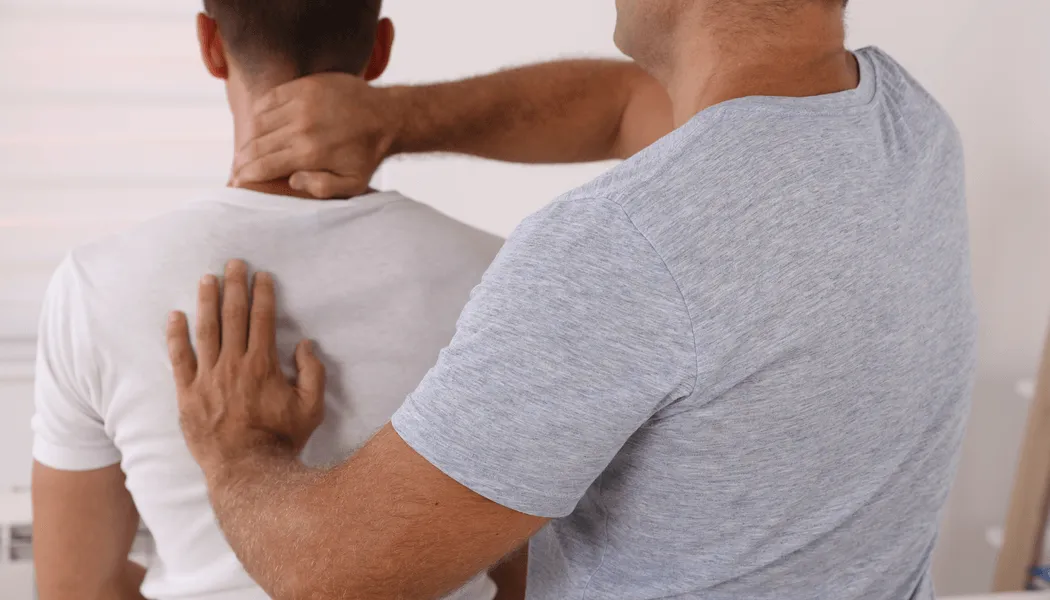
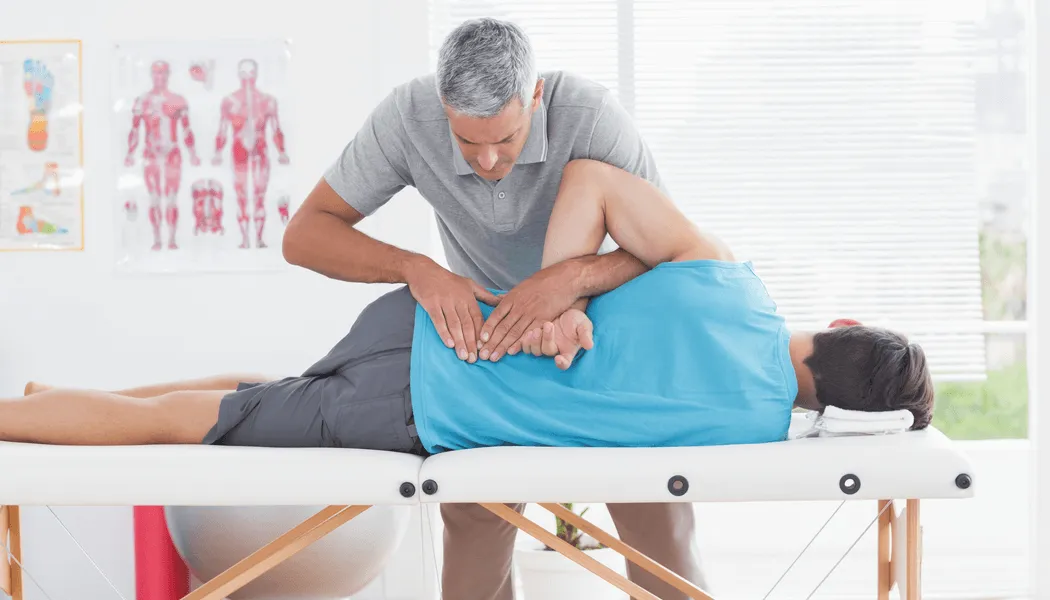
Hands-on treatment is a cornerstone of our approach. Our physiotherapists use specialised techniques like joint mobilisation to gently improve the movement of stiff spinal segments and soft tissue release to reduce tension in surrounding muscles. These techniques can help decompress the affected nerve, reduce inflammation, and provide immediate pain relief.
Targeted Strengthening and Stretching
A customised exercise program is essential for long-term stability. We focus on strengthening deep core muscles, such as the transversus abdominis and multifidus, which act as a natural corset to support your spine. We also prescribe specific stretches for tight muscles like the hamstrings, hip flexors, and piriformis, which can otherwise contribute to poor mechanics and nerve tension.
Nerve Gliding Exercises
Also known as neural mobilisation, these are gentle, specific exercises designed to encourage the compressed nerve to move more freely within its pathway. By carefully "flossing" the nerve, these movements can help break down minor adhesions, improve circulation to the nerve, reduce its sensitivity, and alleviate radiating symptoms.
Posture and Body Mechanics Education
Preventing future episodes is just as important as treating the current one. We empower you with knowledge about proper posture for sitting, standing, and sleeping. We provide practical guidance on safe lifting techniques and ergonomic adjustments for your car and workstation to minimise stress on your lower back during daily activities.
Take the First Step Toward Recovery with Physiotattva
Lumbar radiculopathy, though painful, is manageable with the right treatment. Recognizing the symptoms, such as leg pain and numbness, and seeking a professional diagnosis is key. Conditions like herniated discs or spinal stenosis often respond well to physiotherapy, which helps relieve pain, improve mobility, and strengthen the spine for long-term health.
At Physiotattva physiotherapy clinics in Bangalore and Hyderabad, you receive personalised care tailored to your specific needs, ensuring effective results and comfort throughout your journey to recovery.
Don’t wait to start your recovery! Get in touch with Physiotattva for more details! Contact us at +91 89510 47001.
Frequently Asked Questions
How long does it take for lumbar radiculopathy symptoms to go away?

Recovery time varies widely based on the cause, symptom severity, and individual health. With consistent physiotherapy, many people notice significant improvement within 4 to 8 weeks. Chronic or severe cases may take longer.
Is surgery the only option for a herniated disc causing radiculopathy?
No, absolutely not. The vast majority of cases are successfully managed with conservative treatment like physiotherapy. Surgery is typically reserved for cases with severe, progressing neurological symptoms (like extreme weakness) or when conservative care has failed to provide relief after an extended period.
What is the difference between sciatica and lumbar radiculopathy?
Sciatica is a symptom, not a diagnosis. It specifically refers to the pain that radiates along the sciatic nerve. Lumbar radiculopathy is the clinical diagnosis that explains why that pain is happening—it means a nerve root in the lumbar spine is pinched, which in many cases is the sciatic nerve.
Can I continue to exercise with radiculopathy in the lumbar region?
Yes, but with caution and professional guidance. Avoiding all activity can worsen stiffness and muscle weakness. A physiotherapist can prescribe safe and beneficial exercises while advising you on which movements to avoid (like heavy lifting or high-impact activities) during the acute phase.



.webp)





.webp)

.webp)




%20(1)-p-3200.jpeg)

.jpg)
.webp)
.webp)
.webp)