Physiotherapy Solutions for Right-Side Head Pain
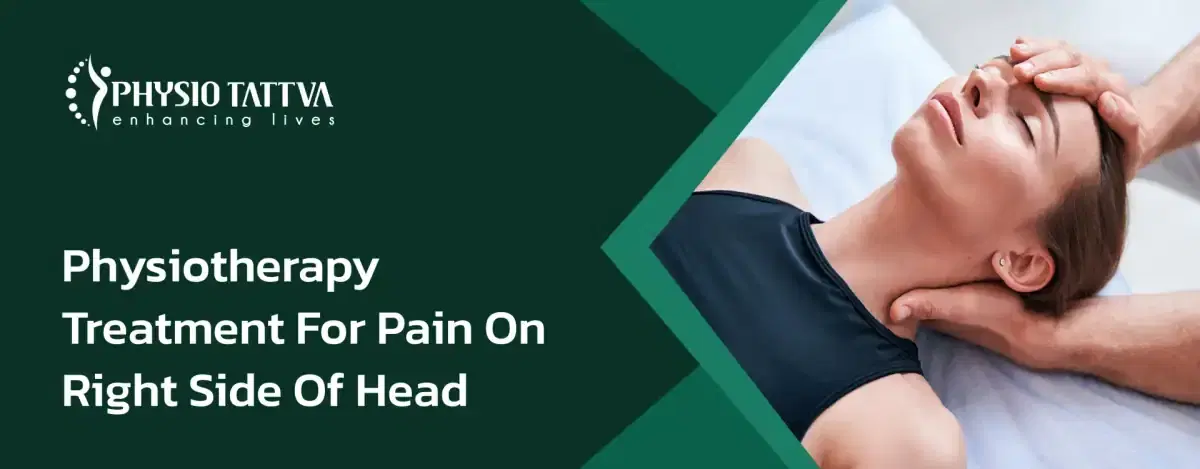
Physiotherapy has been shown to be effective in treating and managing head pain in the right side. This kind of pain mostly originates from muscle tension, nerve compression, or poor posture that may emerge as a result of a fast-paced and busy lifestyle, and these issues are amenable.
The primary focus at Physiotattva is to do a detailed assessment and come up with a treatment plan, tailor-made for each patient, to help relieve pain as well as further improve the quality of everyday experiences.
Our expert team uses techniques including manual therapy and therapeutic exercises so there is an all-rounded approach towards the solution, relieving immediate pain and also preventing recurrence.
Understanding Pain on the Right Side of the Head
A headache on the right side of your head could be caused by muscle tension, nerves, and many other underlying conditions. The symptoms could include sharp, throbbing pains or dull aches, which then negatively affect activities of daily living. You can only access the right treatment if the cause is known. This would be possible with an in-depth assessment provided by a physiotherapist.
Causes of Right-Side Head Pain and Physiotherapy's Role
The pain can result from straining of the muscles, poor sitting or sleeping posture or inadequate sleep, and even nerve pinching.These stem from underlying causes including stress and overburdening certain muscles.These disorders are corrected through physiotherapy by specific treatment procedures and individualised care plans.
Symptoms Associated with Right-Side Head Pain
Symptoms include chronic, sharp and throbbing pain, stiffness of the neck, and sensitivity to light and sound. The others include the pain on the right side of the neck and head, pain on the top right side of the head, and last but definitely not the least, pains of the nerve on the right side of the head. Nausea and vomiting can also show up as symptoms of right-side head pain.
What are the Benefits of Physical Therapy for Headaches
Physical therapy is one of the safest and most successful non-invasive methods for pain management, increasing mobility, and reducing pain. Some physical therapy techniques, such as massage, application of hot and cold packs, transcutaneous electrical nerve stimulation (TENS), and stretching exercises, handle the root causes of the headache. The functions of the muscles and the posture are improved by physical therapy, which reduces the frequency and severity of headaches, hence offering permanent relief.
Diagnosing Right-Side Head Pain
To diagnose right side head pain correctly, the symptoms need to be assessed, the past medical history taken, and a physical examination conducted to know what might be causing it. This is done for a reason, not to overlook any specific possible cause of the pain. The right diagnosis can help in planning treatment and recovery.
Common Diagnostic Techniques for Head Pain
Diagnostics may involve physical examination, imaging tests, test of the postures, and the working of the different muscles. All these techniques explain the cause of the head pain and work in setting a proper treatment plan.
When to Seek Professional Medical Advice
Get in touch with a medical practitioner when you experience very severe or persistent pain in the head or when the pain experienced is followed by a vision anomaly, speech disorder, or sudden weakness. Timely and correct medication could save the day and evade further exacerbation of the condition.
Key Physiotherapy Techniques for Managing Right-Side Head Pain
Some of these effective techniques are manual therapy, exercises and ergonomic adjustments. All these various techniques help in alleviating and controlling pain in the right side of the head through attacking the root cause.
Manual Therapy: Techniques and Their Benefits
Manual therapy techniques are passive, hands-on methods of joint mobilisation and soft tissue manipulation. They are used primarily to alleviate pain, enhance function, and restore motion. A few manual therapies can alter joints' biomechanics and thus reduce musculoskeletal tension. Joint tension mechanisms in patients with headaches are one likely cause of pain.
Exercise-Related Pain Reduction
Specific exercises may strengthen, stretch out, relieve the tension, and soothe the pain on the right side of the head. These exercises are built based on the needs of the individual while providing solutions toward relief and prevention of recurrence. Low impact aerobic conditioning may also be a part of the treatment regimen.
Neck Stretches
Mild neck stretches can go a long way to relieve tension, and pain. Making a regular habit of gently rotating the head and in turn stretching neck muscles can reduce the frequency of such headaches.
Shoulder Shrugs
Shoulder shrugs help release tension from muscles in that region and retain good posture thus avoiding neck pain and headaches. It can easily be part of everyday activities to ensure health overall.
Scalene Stretch
Scalene stretches do a neck stretch that reduces tension thus correcting pain around the neck region. Such a stretch promotes posture and mobility, affecting long-term relief from head pain.
Chin Tucks
The chin tucks are effective to strengthen the muscles within the neck and simultaneously activate alignment during work, thereby reducing strain on such areas.
Suboccipital Muscle Stretch
The stretch design is created for the set of muscles at the mid-portion of the skull. Gentle pressure can be applied with the fingers while pushing downwards and outwards. The treatment aims to relax tension and headaches through this exercise.
Postural Corrections to Reduce Pain
Improvement in posture effectively reduces the pressure on the muscles of the neck and head and also gives relief so that there is no recurrence. Ergonomic changes along with posture awareness are very good attributes of any good headache physiotherapy.
Effective Treatments for Right-Side Head Pain
A line of complete physiotherapy and other successful treatments might assist in relief from right-side head pain.
Medication Options for Immediate Relief
On one hand, medications, including pain killers, provide instant relief, on the other hand, physiotherapy is able to address the actual cause, which results in the solution for a long term. Therefore, medication along with physiotherapy would offer a balanced approach to the management of head pain.
Physiotherapy
Physiotherapy is a holistic and non-invasive treatment available for one-sided head pain. So, treatment is done to the root causes of such pain while also relieving immediate throbbing and agitation.
Home Remedies and Lifestyle Adjustments
Pain management can happen using simple lifestyle modifications and home remedies like proper hydration, ergonomic chairs or tables, and stress management.
Preventing Recurrence of Right-Side Head Pain
Some of the preventive ways against such pains include regular exercise, being more conscious of one's posture, and stress management. Doing this, there would be no recurring pain.
Regular Practices to Alleviate Head Pain
The overall maintenance of one's head and neck involves regular stretchings, ergonomic adjustments, and stress-relief techniques, which may include playing light sports as well as grounding techniques.
Monitoring and Managing Potential Triggers
Detection and management of triggers, say whether stress-related or due to poor postural habits, is in a way how head pain can be managed. Identification and proactively controlled management of such triggers go a long way toward contributing toward health and well-being.
Achieving Long-Term Relief from Right-Side Head Pain with Physiotattva
At Physiotattva, the treatment plans are tailor-made according to the individual concerned. Our team of experts are highly experienced and are committed to providing patients relief from headaches felt on one side of the head, thereby ensuring long-standing results with a potential of a healthy lifestyle. Methods will also include advice on diet, along with manual therapy and exercises routines.
Call us today to begin your personalised recovery journey and experience long-term relief from your headaches.