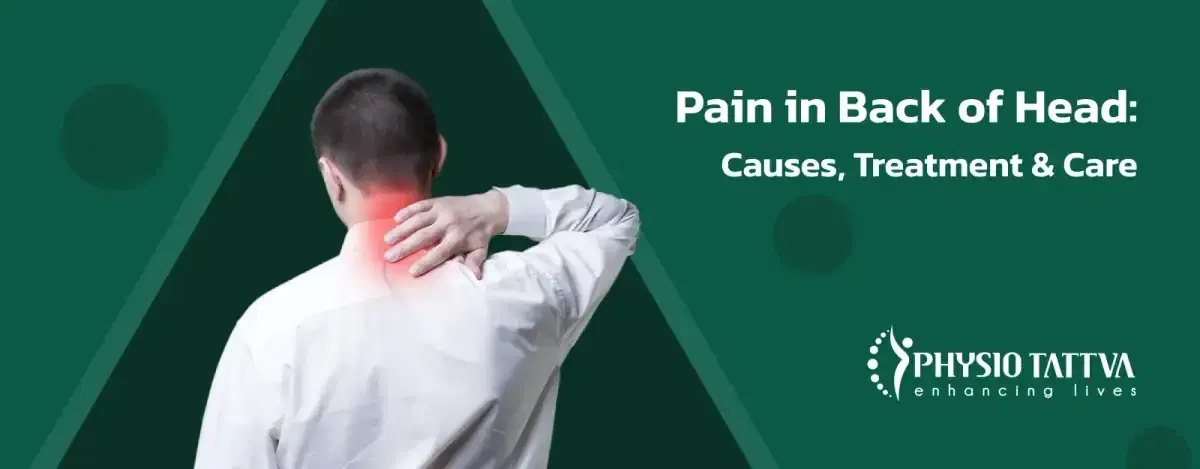
A Complete Guide to Understanding Upper Left Back Pain
Upper left back and shoulder pain can often feel mysterious, with discomfort ranging from a dull ache to a sharp, stabbing sensation, sometimes even mimicking symptoms of deeper medical issues like heart or lung conditions. Whether caused by poor posture, muscular strain, disc issues, or referred pain, understanding the why behind your symptoms is the first step toward effective relief. Physiotherapy plays a crucial role in addressing both the root cause and the discomfort itself through personalised, non-invasive care. Don’t wait for the pain to worsen, book a session with a Physiotattva expert today and take the first step toward a pain-free back and better quality of life.

Left shoulder pain or pain in the left upper back can be alarming, especially when you are not sure what is causing it and how to reach out to a doctor for your health concerns. Upper back or shoulder pain is less common than lower back or neck pain. A primary medical concern about treating the spine and upper left back pain stems from its proximity to important structures, such as muscles in the upper back.
Pain in the upper back, that is, the neck and shoulder, particularly on the left side, may feel like a dull ache or a stabbing pain in the muscles of the upper back left side that may be pretty intense. Although the pain may settle soon, it may be a health concern because of the area of pain involved, most importantly, its proximity to the spine. The intensity and the nature of sharp pain in upper back vary from person to person, depending on what is causing it.
How the Spine and Muscles Contribute to Upper Left Back Pain
To understand upper left back and left shoulder pain, it helps to know how your spine and surrounding muscles function. The spine is made up of vertebrae stacked one on top of the other, cushioned by discs that absorb shock from movement.
- The upper segments of your spine support movement in your neck, shoulders, and arms.
- The lower segments control the lower back, hips, and legs.
- The mid-back (thoracic spine), where most upper left back pain originates, is relatively stable and connected to the ribs.
- Muscles in this region are less mobile but vital for posture and support.
Pain in left shoulder is often associated with muscular overuse, spinal misalignment, or referred pain from nearby structures like the heart or lungs.
What is the Main Cause of Upper Left Back Pain?
The primary cause of upper left back pain is often musculoskeletal strain. This can result from a sudden injury, overuse of the muscles around your thoracic spine, or, most commonly, chronic poor posture. Prolonged slouching at a desk or looking down at a phone puts continuous stress on the muscles and ligaments supporting your shoulder blade and upper back, leading to pain and stiffness.
- Muscle strain or overuse: Overhead lifting, poor posture, or repetitive motion can strain the muscles in your upper back and shoulder, leading to sharp pain in the upper left back.
- Poor posture: Sitting or standing with rounded shoulders or a forward head posture puts stress on the thoracic spine and can lead to shoulder pain left side.
- Cervical disc issues: A herniated disc in the neck may cause radiating pain in the left shoulder and back, often accompanied by tingling or numbness.
- Referred pain: Internal issues like heart conditions (e.g., angina or heart attack) may refer pain to the left shoulder and upper left back.
- Joint dysfunction or misalignment: Conditions like frozen shoulder or thoracic outlet syndrome may cause a dull or stabbing pain in the left shoulder and upper back.
Is it Muscle Strain or a Pinched Nerve?
Distinguishing between these conditions is key to finding the right treatment. A muscle strain typically feels like a persistent, localised ache. In contrast, a pinched nerve often presents with sharp, shooting pain, tingling, or numbness—classic pinched nerve symptoms. This nerve-related discomfort may radiate from the thoracic spine, causing distinct scapular pain or even weakness down your arm.
What Health Symptoms Can You Feel During Upper Left Back Shoulder Pain?
Left upper back, neck, shoulder muscle pain and sharp pain in upper back may occur on either side of your back. Doctors say one-sided pain frequently occurs among patients seeking treatment.
Is Left Shoulder Pain Connected to Upper Back Pain?
Many individuals report shoulder pain left side that starts in the upper back and radiates toward the shoulder blade. This could be due to nerve compression, muscle fatigue, or even cardiac-related issues.
Left upper back pain presents with one or more of the following medical symptoms:
Pain
You may feel the upper left back pain, mainly under the shoulder blade, even to your arm. The neck and shoulder muscle pain may range from mild discomfort to excruciating. Sometimes the pain occurs on both sides of the spine and upper back. You may also experience pain in left shoulder radiating toward your upper back.
Stiffness
You may notice general stiffness of the muscles around your upper back after prolonged rest. This stiffness may also be noticeable after continuous activities or unhealthy postures.
Pain during muscle movement
Pain in the neck and shoulder muscles or other medical symptoms may be felt during certain activities of daily living. Occasionally you may feel a sharp pain in the upper back that worsens on breathing heavily.
General discomfort
Upper left back pain may accompany a general sense of health discomfort. You may feel uneasy when you feel pain around the upper back in the neck, shoulder, mid-back, and arm. The area may also feel tender to any touch.
Postural changes
Many times upper left back pain may exhibit along with postural changes in the upper back. Doctors say this is often seen among females with sharp pain in upper back at post-menopause following osteoporosis.
Radiating symptoms
Upper left back, neck, and shoulder muscle pain may also occur along with tingling or current-like sensation reaching the fingers. This happens when the nerve root is irritated in the upper back.
Numbness
If the upper left back pain originates from increased pressure of nerves in the spine area, it may present with numbness. Numbness occurs in the muscle area that is supplied by the compressed nerve and may occur anywhere between the upper back and the fingers.
Weakness
Often increased pressure over a nerve may cause fatigue and weakness. You may find yourself unable to perform routine tasks, or the upper back or arm muscles may tire easily.
What are the Reasons for This Sharp, Stabbing Pain in the Upper Back?
Common Left Shoulder Pain Causes You Should Know:
- Rotator cuff injuries
- Shoulder bursitis
- Referred pain from heart or spleen
- Poor posture
Muscle injury from overuse
Muscles around the upper back, neck, and shoulder may get strained on continuous or repetitive work and get injured. Activities like twisting, lifting heavy loads, and bending may stress these structures, so much so that the condition may require medical treatment.
Postural overload
Pain from continuous unhealthy postures is common among those who maintain the same posture for long hours. The neck and shoulder muscles are unequally loaded and undergo tremendous strain, often causing semi-permanent or permanent changes to posture.
Disc herniation
Pain in either or both sides of the upper back may originate due to slipped disc or disc herniation. The pressure over the intervertebral disc increases, damaging the disc and giving rise to neck, shoulder muscle pain and stabbing pain in upper back. In many cases, pain in left shoulder can coexist with disc-related problems in the upper thoracic spine.
Traumatic injury
Traumatic medical health injury due to an accident, fall, or sports activity may strain upper back or spine structures. This may lead to upper back pain. A fall may not only injure your back but also cause left shoulder pain, especially if the impact is absorbed by the shoulder blade.
Osteoporotic compression fractures
Osteoporosis is a medical condition that causes loss of mineralisation in bones. This makes bones fragile and one of the most common sites for osteoporotic fractures in the thoracic vertebrae in the upper or mid-back. The fracture is caused by vertebral body compression and may give one-sided pain if it affects the nerve root exiting near it. It calls for immediate medical help and treatment. This can also lead to left side back pain, especially if nerves on the left side are compressed.
Diseases Not Related to the Spine and Other Skeletal Structures
Upper left back, neck, shoulder and stabbing pain in upper back may also occur due to causes not related to musculoskeletal structures. These are the conditions causing pain in the left upper back area:
Heart Attack
Heart attack or myocardial infarction may cause pain in the left upper back, chest, left arm, shoulder, and jaw. The pain location, though usually on the left side, may even occur on the right side. It may accompany health symptoms such as tightness, breathing difficulty, or weakness.
Tumour
Tumours in and around the spine area in the upper back may lead to stabbing pain in upper back. However, pain due to a tumour will often show signs related to the growth of the tumour.
Other visceral organs
Pain from other visceral organs, such as the lungs, kidneys, or pancreas, may be felt in the upper back. This may be due to infection, tumour, or medical abnormalities in any of these organs.
How to Relieve Upper Left Back Pain at Home
For minor aches and strains, you can take these steps at home to find relief:
- Cold & Heat Therapy: In the first 48 hours, apply a cold pack for 15 minutes to reduce inflammation. After that, use a heat pack to relax tight muscles.
- Gentle Movement: Avoid complete bed rest. Light activities like walking help maintain blood flow and prevent stiffness.
- Mind Your Posture: Be conscious of how you sit and stand. Keep your shoulders back and use lumbar support to prevent slouching.
- Modify Activities: Temporarily avoid heavy lifting or repetitive motions that you know trigger the pain in your upper left back.
Simple Stretches for Upper Back Relief
Gentle movement can provide significant relief for shoulder blade pain and stiffness. Try these simple stretches for your upper back:
- Cat-Cow Stretch: On your hands and knees, gently alternate between arching your back up (cat) and dipping it down (cow). This mobilises the thoracic spine.
- Shoulder Blade Squeeze: Sit or stand tall. Gently squeeze your shoulder blades together as if holding a pencil between them. Hold for 5 seconds and release.
- Cross-Body Arm Stretch: Gently pull one arm across your chest until you feel a stretch in your shoulder and upper back.
How Physiotherapy Helps with Left Shoulder and Back Pain
When dealing with persistent left shoulder pain or upper left back discomfort, physiotherapy offers a targeted, non-invasive path to recovery. Unlike generic pain relief methods, physiotherapy addresses the root cause, be it muscular imbalance, poor posture, or nerve compression, through personalised treatment plans.
Benefits of Physiotherapy for Left Shoulder and Back Pain
Physiotherapy can significantly help with:
- Pain reduction: Manual therapy techniques and modalities like ultrasound or TENS reduce inflammation and provide immediate relief from pain in left shoulder and upper back.
- Posture correction: Slouched shoulders or rounded spine often lead to chronic left back pain. Physiotherapists help retrain your posture with ergonomic guidance and supportive exercises.
- Strengthening weak muscles: Targeted resistance training builds endurance in the shoulder girdle and back muscles, preventing recurrence of left shoulder pain.
- Improved mobility and flexibility: Gentle stretching and mobilisation improve the range of motion and reduce stiffness in the thoracic spine and shoulder.
- Nerve decompression techniques: For nerve-related left side back pain, physiotherapists may use neural mobilisations and traction-based therapy to alleviate compression.
Common Techniques Used
Depending on the root cause, physiotherapy may involve:
- Manual therapy and myofascial release
- Electrotherapy (TENS/Ultrasound)
- Postural retraining and workstation corrections
- Dry needling or cupping (if available)
- Home-based exercise programs with progressive loading
Whether your discomfort stems from a sedentary lifestyle, injury, or poor movement patterns, physiotherapy provides a structured and measurable path to managing pain in left shoulder and upper back effectively.
When to Seek Help for Left Shoulder and Back Pain
While occasional discomfort can be managed with rest and physiotherapy, certain symptoms may signal a more serious underlying issue. Seek medical attention if you experience any of the following:
- Back discomfort resulting in fever: A fever and a tender, warm area on the back could be symptoms of a spine infection.
- Post-traumatic back pain: People suffering from PTSD are more likely to experience pain-related disability. In one study, approximately 50% of volunteer firefighters with PTSD experienced pain (primarily back pain), compared to only about 20% of firefighters without PTSD.
- Inability to control urine or bowel movement: A bulge in a lower back intervertebral disc or blade can sometimes irritate a nerve. Depending on which nerve a herniated disc irritates, this can result in bladder and/or bowel dysfunction and pain.
- Loss of strength in your limbs: The nerves that pass through the lumbar spinal canal are compressed as it shrinks. Back pain, neck pain, shoulder pain, leg pain, and leg paralysis may result from this squeezing.
- Back pain resulting in unexplained weight loss: Weight-related pressure puts a lot of strain on the lower back. When one carries additional weight on their body, especially around their midsection, it pulls their pelvis forward.
When Is Stabbing Upper Left Back Shoulder Pain a Medical Emergency?
Shoulder pain left side with symptoms like chest tightness or arm numbness may signal a cardiac emergency. Upper left back, neck, and shoulder pain may be considered a health or medical emergency if you see any of the following signs:
- When pain is accompanied by numbness and weakness
- When pain is accompanied by breathing difficulty and tightness around the chest
- When pain is accompanied by bowel or bladder incontinence
Conclusion
Upper left back pain is a common but highly treatable issue. By understanding its causes, from muscle strain to poor posture, and applying simple home remedies, you can start on the path to recovery. For persistent or severe discomfort, professional guidance is crucial for safe and effective healing. Don't let pain hold you back
Enhance Left Shoulder and Upper Back Pain Management with Physiotattva
At Physiotattva, you will have access to physiotherapists and our network of doctors and mental health professionals. This allows for a comprehensive treatment plan that focuses on personal goals.
We understand the need for focused support, and we ensure that you get the best care possible. Drop us a call today to understand how we can assist you in managing left shoulder and upper back pain.
At Physiotattva physiotherapy clinics in Bangalore and Hyderabad, you receive personalised care tailored to your specific needs, ensuring effective results and comfort throughout your journey to recovery.
Don’t wait to start your recovery! Get in touch with Physiotattva for more details! Contact us at +91 89510 47001.