


Category
Health
"Health News, tips and insight from our expert team. "
85 articles
 Health2 December 2025
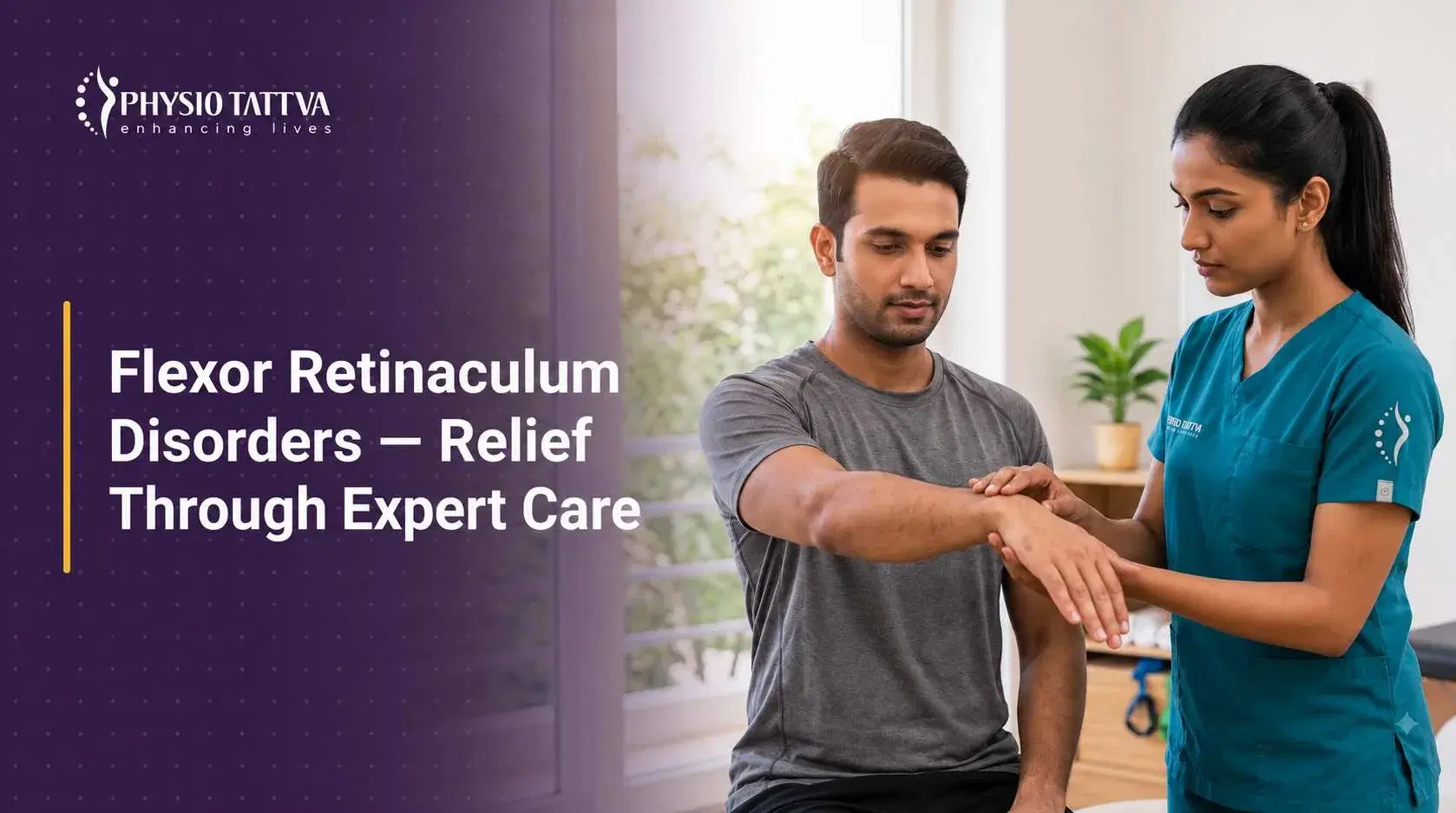
The flexor retinaculum is a crucial, yet often overlooked, fibrous band of tissue found in your wrist and ankle. It plays a vital role by forming tunnels that house and stabilise essential tendons and nerves, ensuring smooth movement. However, when this structure becomes thickened or the space within its tunnels is compromised, it can lead to painful nerve compression syndromes. Understanding its function is the first step toward effective relief. Physiotherapy offers a powerful, non-invasive approach to treating conditions related to the flexor retinaculum, helping restore function and alleviate debilitating symptoms. At Physiotattva, our expert physiotherapists utilise targeted strategies to address the root cause of your pain, guiding you back to optimal health and mobility.
 Health30 October 2025
Diastasis recti happens when the abdominal muscles separate, often after pregnancy or due to pressure on the abdomen. It can cause a bulge, weakness, or discomfort. Targeted exercises, lifestyle changes, and sometimes medical intervention for severe cases is a good treatment plan. In this guide we also address “what is diastasis recti” clearly and how you can approach diastasis recti treatment in stages.
- Health30 October 2025
Dowager’s hump is a curve at the base of your neck, often from poor posture or long hours leaning forward. It affects how you stand and move. The right medical term for the condition is kyphosis.You can ease it by doing posture exercises, stretching, and being more aware of how you sit or stand. Spotting it early helps stop it from getting worse and keeps your back working better.Many people search for a reliable dowager's hump treatment to prevent long-term discomfort.
- Health18 January 2026
The left elbow is an important joint in the body that allows for a series of functions in your day-to-day activities. When it hurts, simple tasks like eating or typing get harder. Knowing the symptoms helps you catch the issue early and stop it from getting worse. This guide explains common causes, warning signs and what steps to take if the discomfort keeps coming back.
 Health30 October 2025
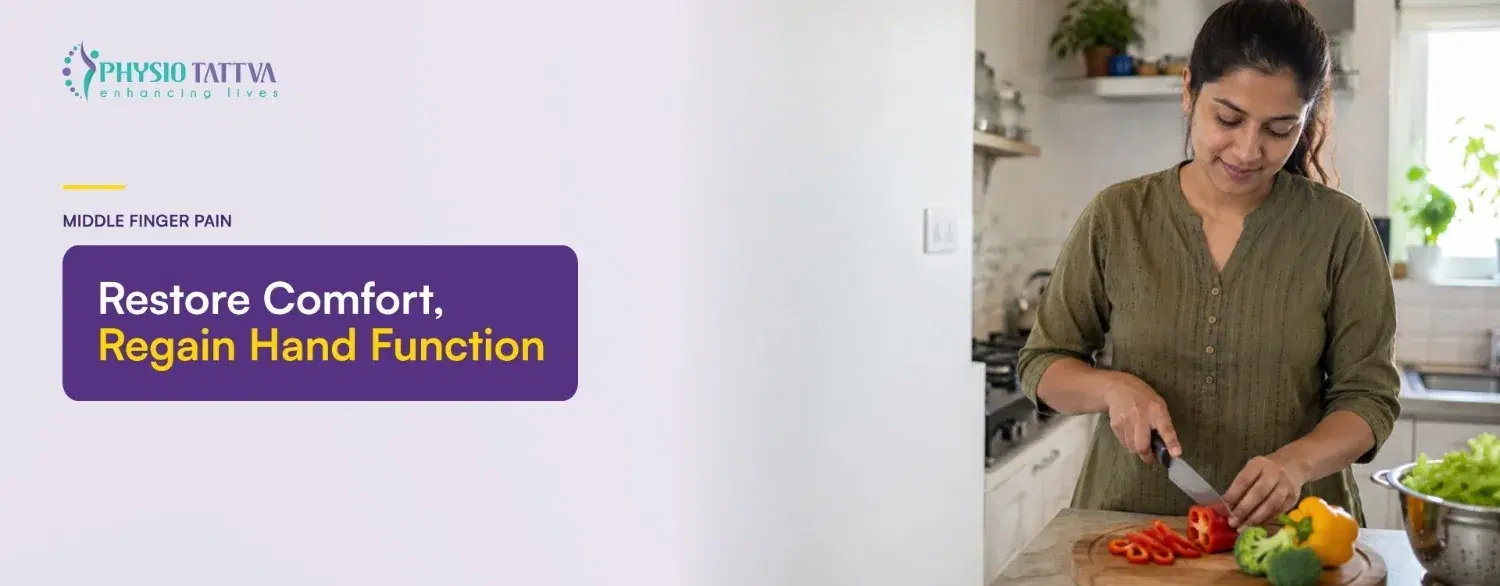
Middle finger pain can make simple tasks like gripping, typing or lifting uncomfortable. This guide breaks down common causes, what signs to watch for, and how to ease the pain through rest, care or professional support if needed. If you're experiencing pain in middle finger left hand or right hand middle finger pain, identifying the reason early can make a big difference in recovery.
 Health30 October 2025
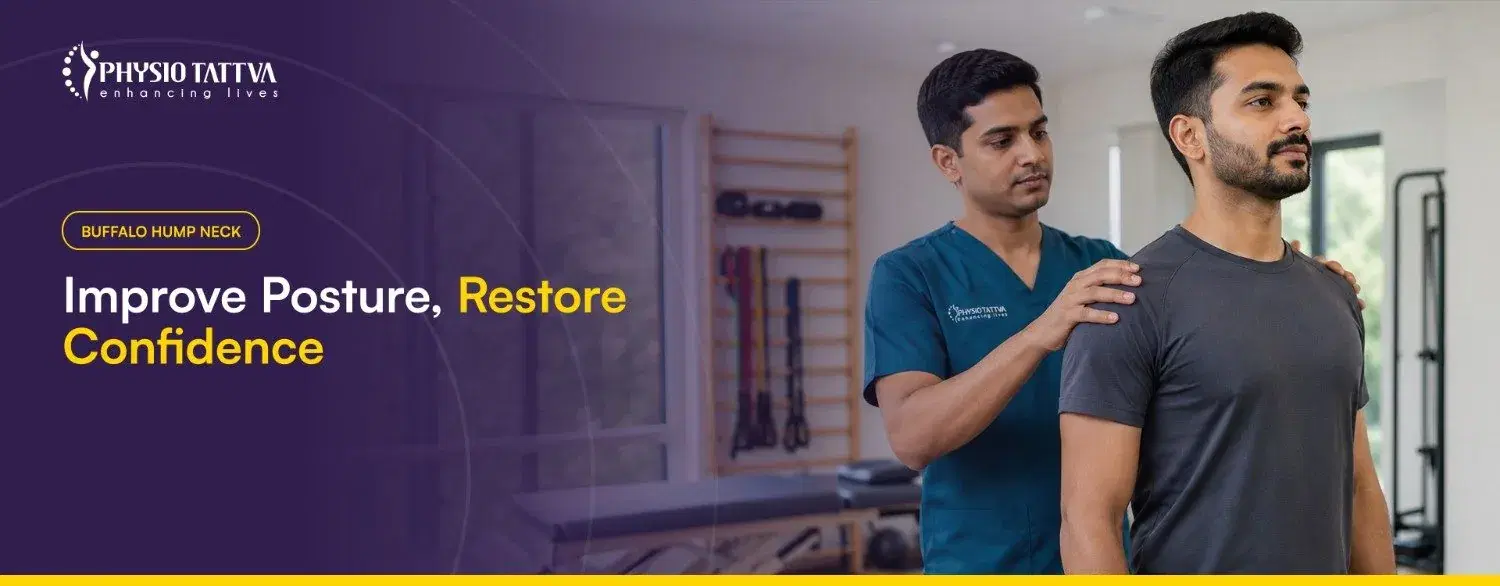
A buffalo hump forms as fat builds up at the back of your neck. It can affect how you move, cause neck pain, and mess with your posture. It is often linked to hormones, medication, or lifestyle. Some people begin to notice early signs of buffalo hump disease when these changes become persistent or visibly affect their buffalo neck area.
 Health30 October 2025
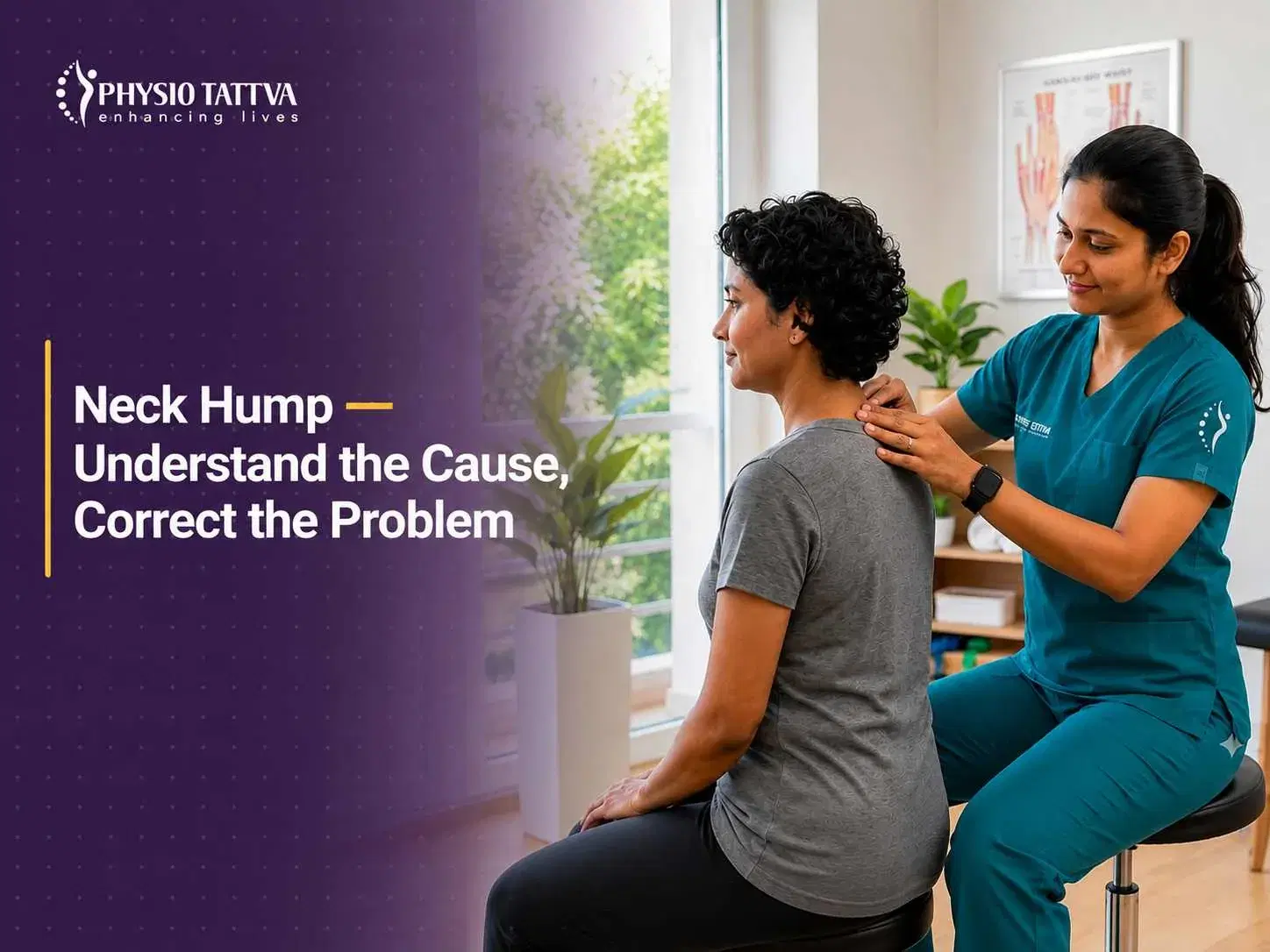
A neck hump forms due to fat buildup, poor posture, or spinal changes. It affects movement and may signal underlying issues. It is important to recognise signs like stiffness, pain, or imbalance, which help identify the cause and take early action. A hump on back of neck can sometimes appear gradually, making it essential to monitor any unusual developments closely.
- Health15 June 2026
Traumatic Brain Injury can cause long-term issues like memory loss, mood changes, headaches, and balance problems. Some effects appear later, including sleep issues and cognitive decline. This can have serious impacts on day to day function, and it is important to know the risks as it helps you manage health and track changes over time. Many of these symptoms reflect the traumatic brain injury long term effects that individuals may experience even years after the initial incident.
 Health21 May 2025
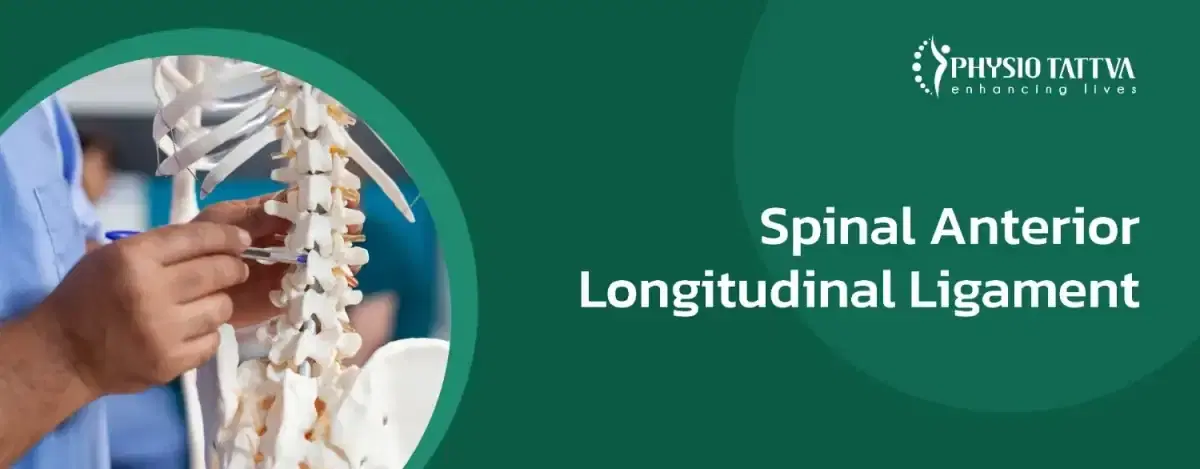
The spinal ligaments, including the anterior spinal ligament, are robust connective tissues, such as the anterior longitudinal ligament (ALL), posterior longitudinal ligament (PLL), ligamentum flavum, and interspinous ligaments, that support the spine’s structure, enabling flexibility while protecting the spinal cord. They bear the stress of daily activities and play a crucial role in preventing injuries.
- Health15 June 2026
Diagnosing multiple sclerosis (MS) isn’t simple—it takes a mix of tests to rule out other conditions. Doctors use MRI scans, spinal fluid analysis, and neurological exams to check for nerve damage. The McDonald criteria multiple sclerosis help confirm MS based on these results. Early diagnosis means better treatment, so if symptoms appear, catching them early may help you adapt more easily to the condition. Accurate multiple sclerosis diagnosis also ensures that patients receive the appropriate care based on their specific symptoms and disease progression.
 Health15 June 2026
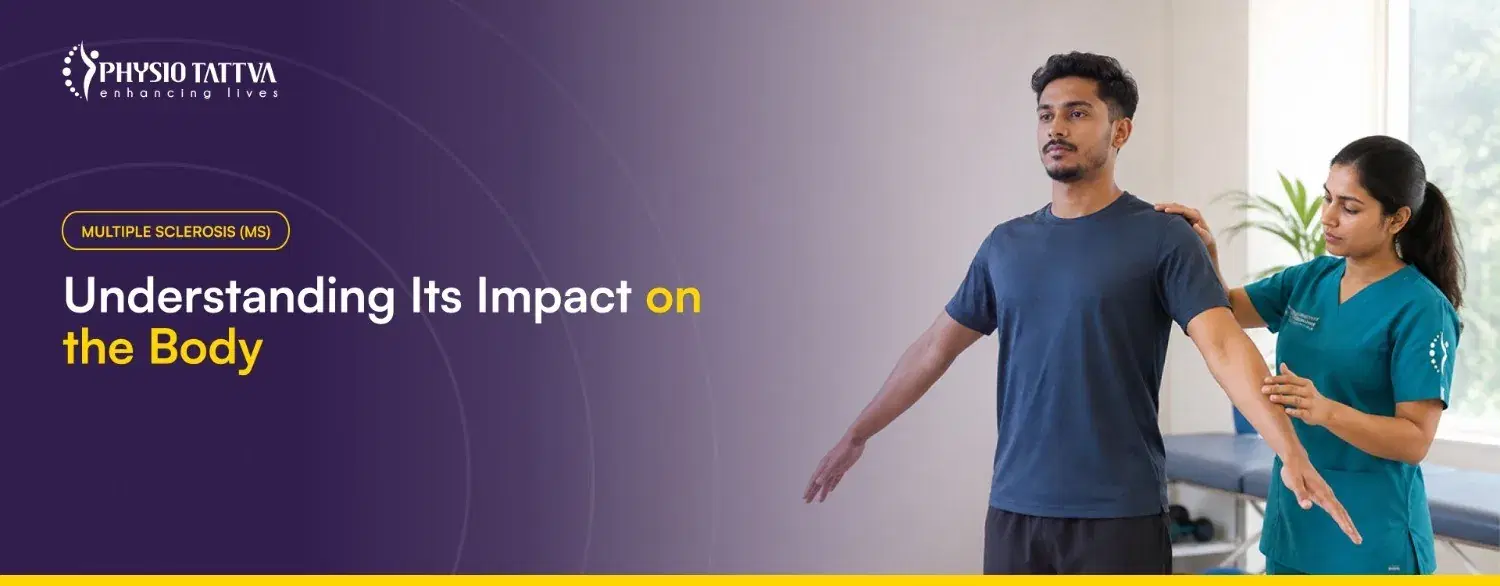
Multiple sclerosis (MS) can cause muscle weakness, fatigue and coordination issues as it is an autoimmune disease that affects the central nervous system. These multiple sclerosis effects can make everyday tasks difficult and increase the risk of injury. MS has no cure, and treatment is important to reduce its intensity on the body over a period of time. The earlier the intervention, the better it is to focus on managing multiple sclerosis causes and effects holistically.
- Health30 October 2025
Dyskinesia and Parkinson's is a movement problem that happens to some people with Parkinson's disease dyskinesia, usually after years of treatment with levodopa. It causes uncontrolled, jerky movements that can affect arms, legs, or other parts of the body. It’s not a symptom of Parkinson’s itself but a side effect of long-term medication use. Not everyone with dyskinesia and Parkinson's may have this condition. Managing dyskinesia means finding the right balance between controlling Parkinson’s symptoms and avoiding extra movements. People often work with doctors to adjust medications, try new therapies, or add exercises to manage Parkinson's disease dyskinesia better.
 Health23 June 2026
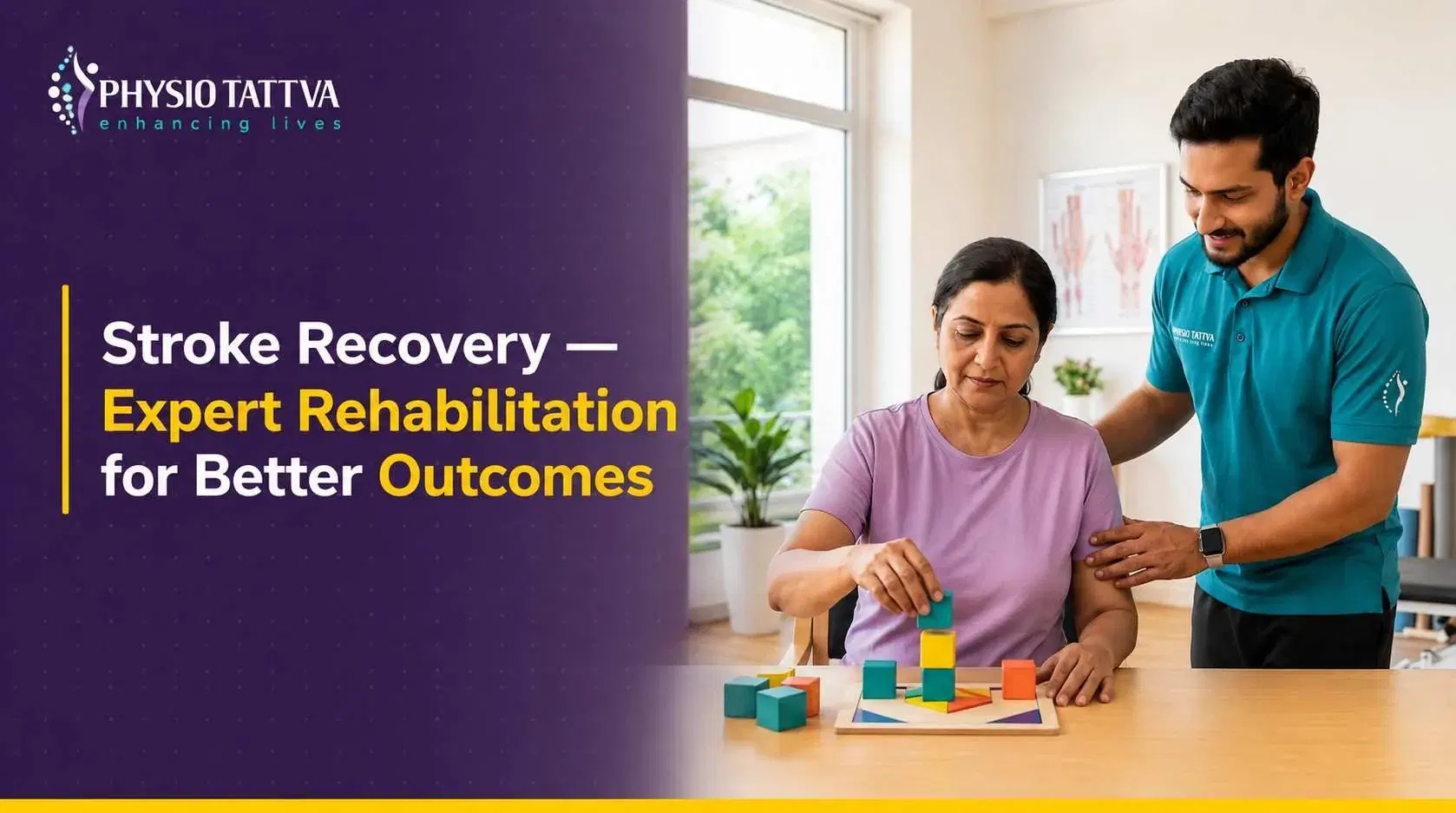
There are several important factors to be considered when choosing the best stroke rehabilitation centers in India. First of all, assess the experience and qualifications of the medical team, including physiotherapists, occupational therapists, and neurologists. Look for facilities that offer comprehensive therapies like physiotherapy, speech therapy, and cognitive rehabilitation suited to the patient's condition. Review the centre's personalised recovery plans, family involvement in therapy sessions, and modern rehabilitation techniques such as robotics or virtual reality. Look for centres that offer in-patient and out-patient care to suit different recovery stages. Research the success rates, patient reviews, and accessibility of the location to ensure that it is suitable for long-term treatment. Choosing from the best stroke rehabilitation centers in India helps patients regain their independence and improve overall recovery outcomes.
- Health30 October 2025
Vestibular neuritis is an inner ear inflammation of the vestibular nerve, which prevents balance signals from the inner ear to the brain. Dizziness, vertigo, and imbalance are the symptoms without any impact on hearing. These symptoms may last for hours or days. Medication manages the symptoms, and vestibular rehabilitation exercises are performed to regain equilibrium and improve coordination over time.
 Health30 October 2025
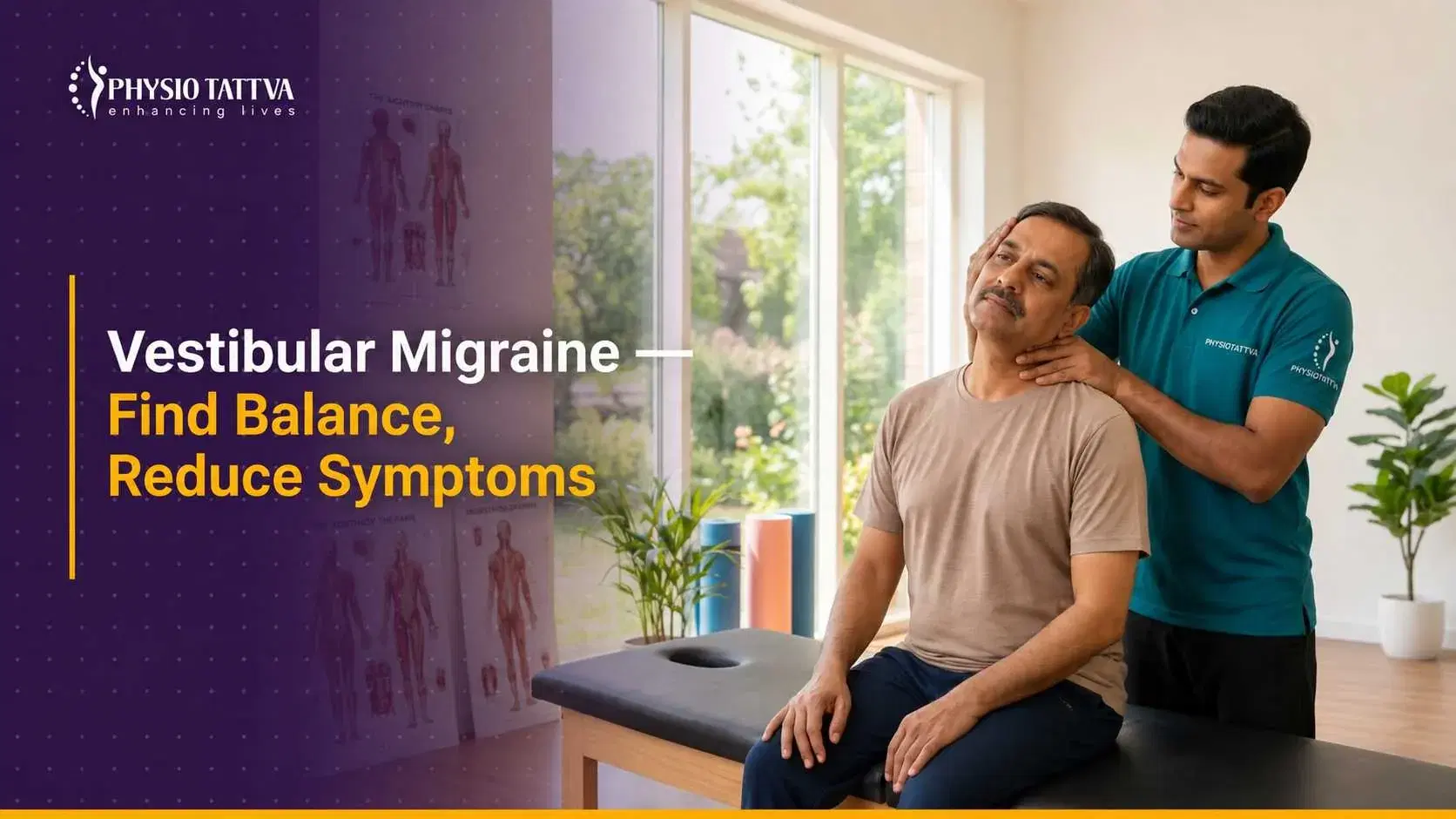
Vestibular migraines are a type of migraine that comes with dizziness, balance issues, and vertigo, sometimes without a headache. This can cause nausea, sensitivity to movement, and a spinning sensation leading to disruptions in daily activities. The cause is still unknown; triggers include stress, poor sleep, certain foods, and hormonal changes. Family history can also be a risk factor. Management of vestibular migraines is achieved through prevention and symptom management using medication, lifestyle changes, and physiotherapy. Balance exercises and proper care planning can help reduce dizziness and improve stability. Determining triggers and receiving expert advice are important steps in management. Knowing the difference between vestibular migraines and other forms can help you identify appropriate strategies for regaining control and optimising well-being.
 Health25 January 2026
Headaches are quite a common experience, but they come in a series of ranges: from mild to severe and short to long in duration. They can involve your whole head, jaw, neck, and even your shoulders cause a lot of discomfort, and stifle everyday functioning. Knowing the different types of headaches and learning how to treat them best is a much needed neccesity in managing pain effectively. One can find relief by determining the exact reasons for head pain and using appropriate treatments.
- Health30 October 2025
Head injuries can be dangerous and require care and attention. It is always advisable to get a diagnosis such as physical examinations, neurological tests, and imaging techniques like CT scans or MRIs that can rule out any injuries. A diagnosis can help in understanding the care needed that can range from hospitalisation to home remedy.
 Health30 October 2025
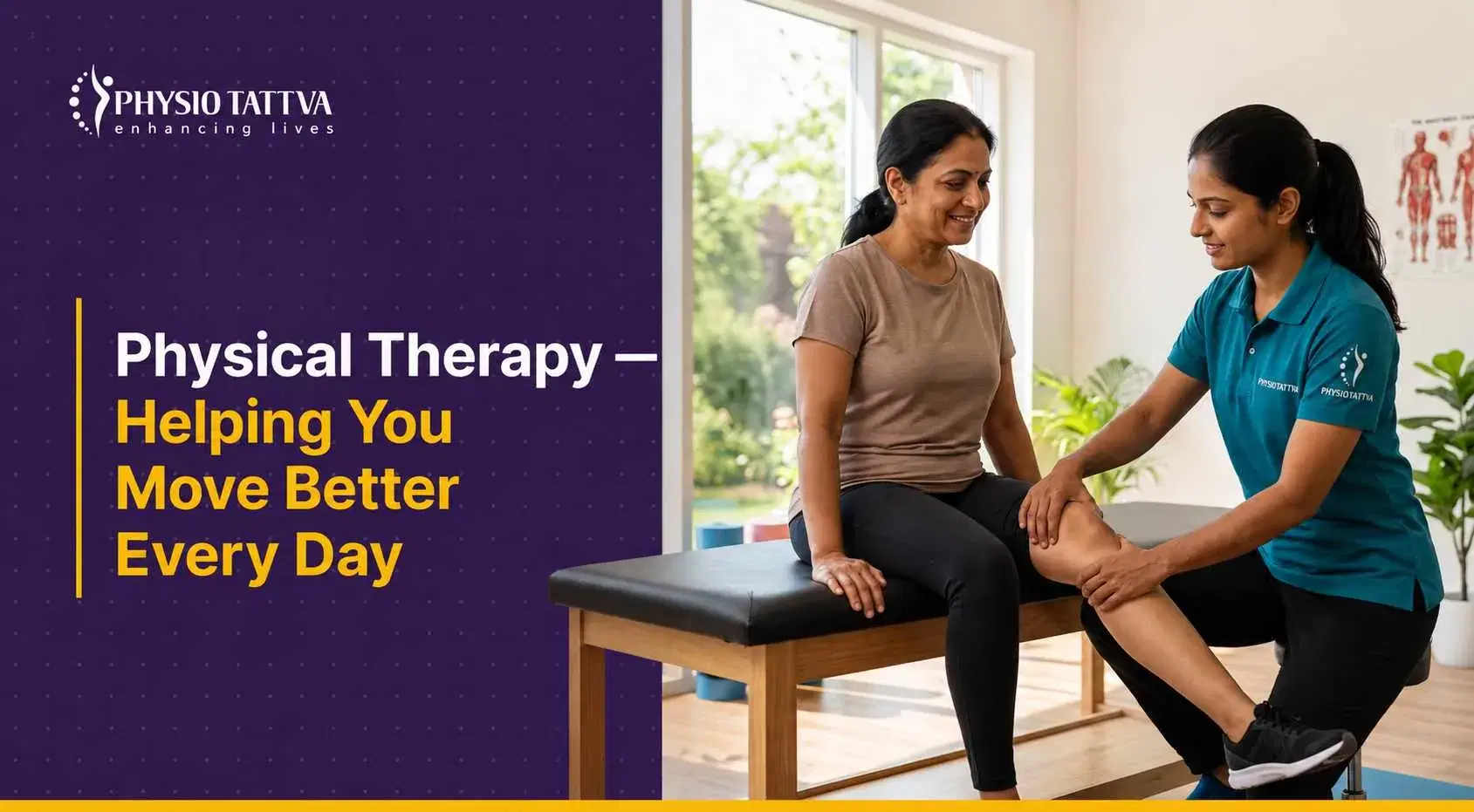
Physical therapy helps treat various conditions ranging from musculoskeletal disorders to neurological conditions and beyond. Here is an extensive scope of 25 diseases effectively…
- Health30 October 2025
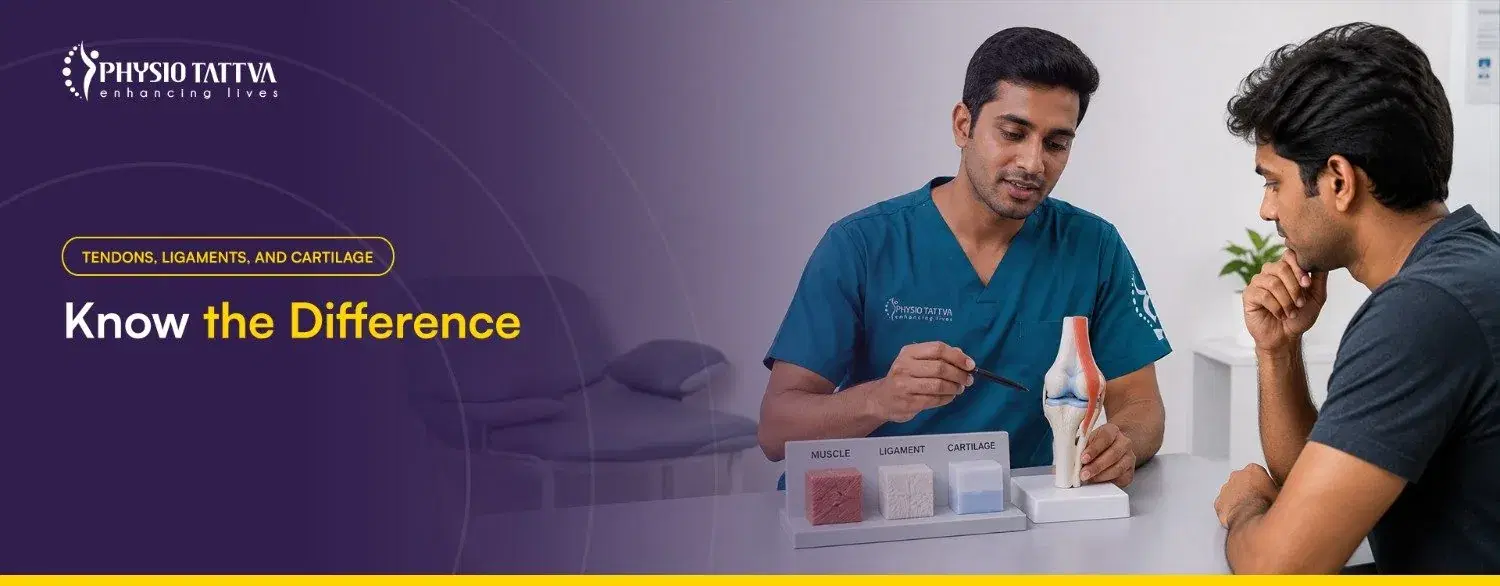
Understanding the musculoskeletal system can be complex as there are several parts to it such as the roles of tendons, ligaments, and cartilage in joint function and stability.…
 Health28 December 2025
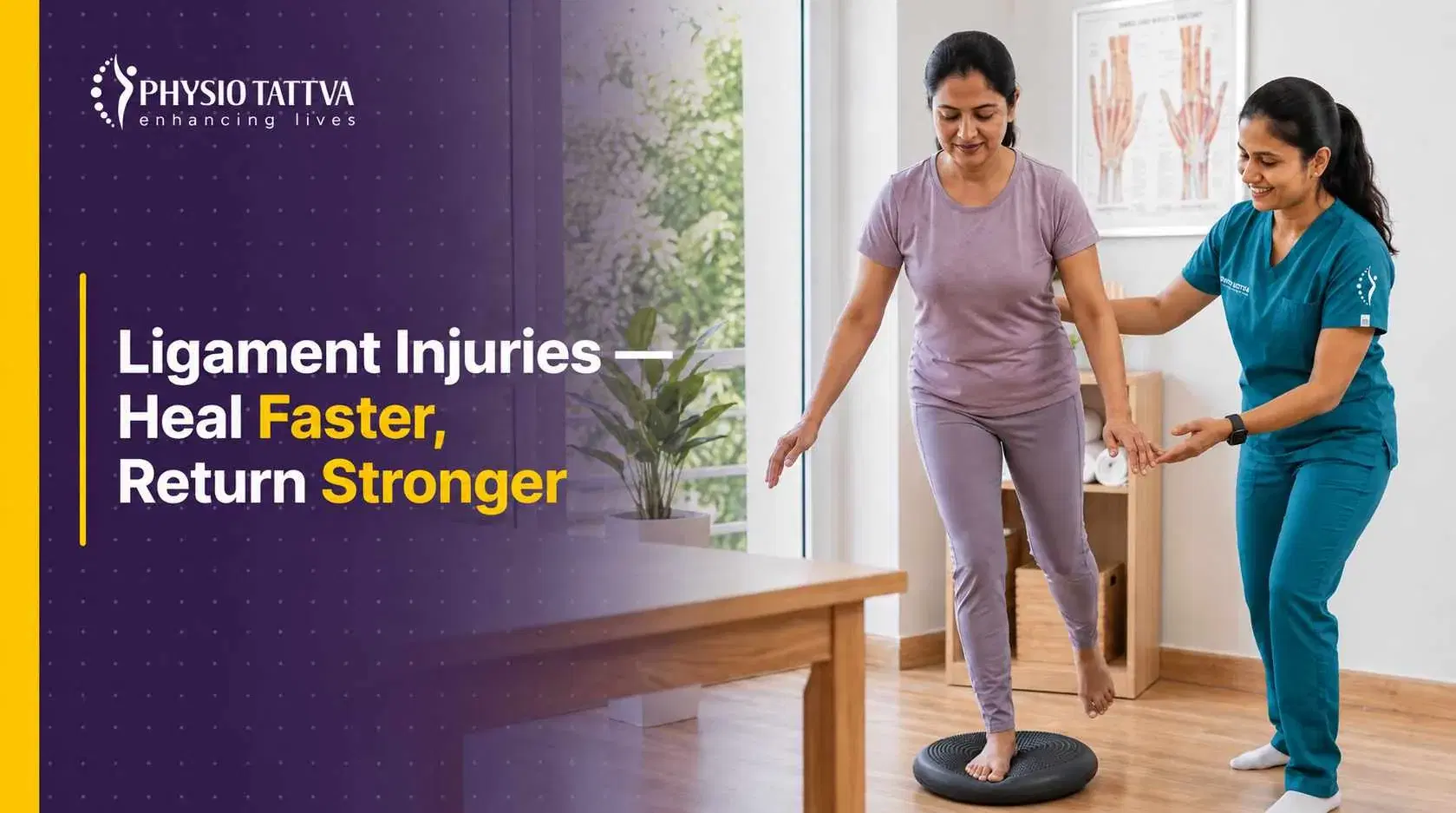
Ligament injuries occur when ligaments are overstretched or torn due to sudden twists or trauma. Common signs include pain, swelling, and instability. Effective ligament injury treatment includes rest, bracing, and physical therapy. For lasting recovery, physiotherapy exercises are key to strengthening the joint. Consult a specialist to understand how to treat ligament tear or how to heal ligaments faster and avoid long-term damage.
- Health18 January 2026
In this article, we explore the different aspects of hand ligament injuries so that it becomes easy to identify symptoms. We also discuss the diagnostic methods to understand…
 Health30 October 2025
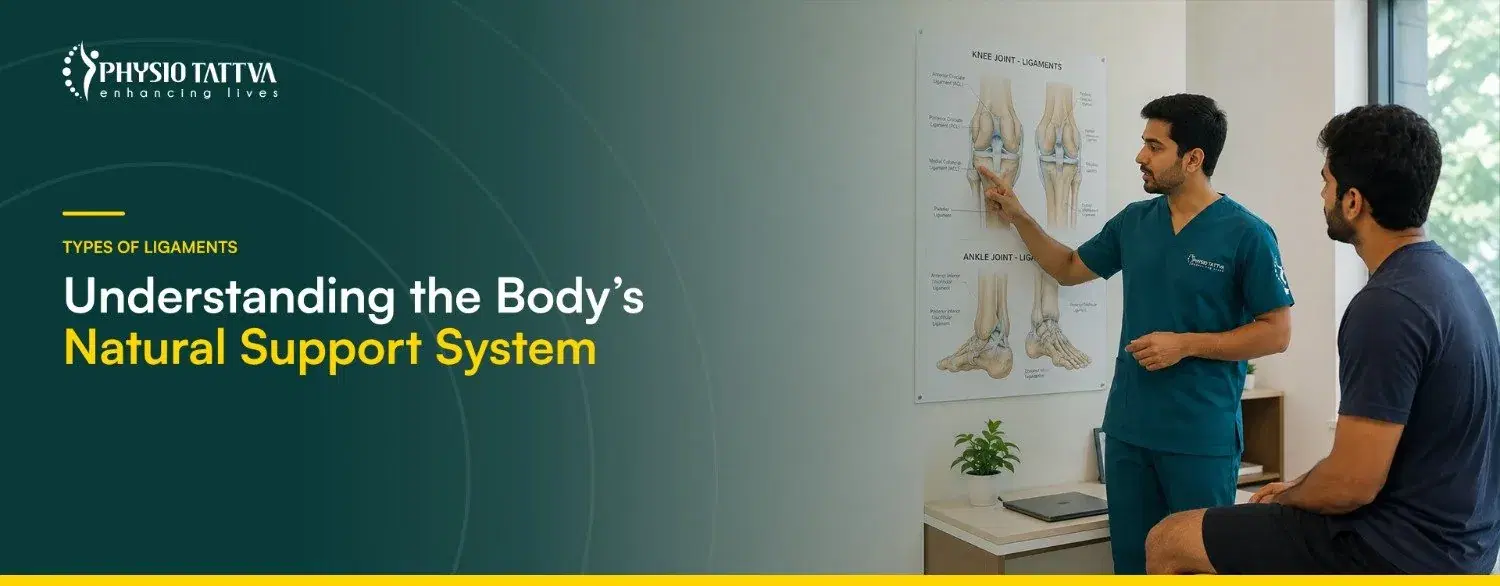
Ligaments are connective tissues that link bones across the body, and play a role in the stability of the joints. These ligaments help in making sure that the movement of the…
- Health30 October 2025
In this article, we explore the comprehensive aspects of Anterior Longitudinal Ligament (ALL) injuries, such as their structure, clinical implications, and treatment options. We…
- Health30 October 2025
In this article, we explore the various aspects of Anterior Talocrural Ligament (ATFL) injuries, including their causes, the best ways to treat them, and the role of physiotherapy…
 Health30 October 2025
This article dissects the multifaceted aspects of wrist conditions, ranging from common injuries to degenerative diseases. We discuss the causes, symptoms, and diagnostic methods…
- Health30 October 2025
In our article, we talk about the intricacies of elbow ligament injuries, exploring their causes, implications, and available treatment options. Understanding the mechanisms…
- Health30 October 2025
In our article, we discuss the inguinal ligament, exploring its role in conditions like hernias and strains. We discuss the symptoms associated with dysfunction, various treatment…
- Health30 October 2025
In our comprehensive guide on ACL injuries, we discuss everything related to ACL injuries, from the basics to advanced care. From understanding the anatomy and function of the ACL…
 Health30 October 2025
In this article, we explore the unique roles and characteristics of these vital anatomical structures to help readers make informed choices about their health and fitness…
- Health30 October 2025
This article provides an overview of ligament health and injuries so that you can improve your knowledge about what affects it and the kind of problems that it can create. The…
- Health6 January 2026
This article delves into the multifaceted realm of leg muscle tears, exploring their diverse causes, ranging from sudden movements to overexertion. It elucidates symptoms such as…
 Health30 October 2025
In this article, we explore the aspects of muscle tears in the hand, understand its various causes, symptoms, and treatment modalities. The article offers insights into…
- Health30 October 2025
In our article, we're diving deep into calf and hamstring muscle tears. We'll cover topics ranging from what causes them to how to diagnose them and when to see a doctor. You'll…
- Health25 December 2025
Stress fractures are tiny cracks in bones caused by repetitive stress or overuse, commonly affecting the foot, heel, and lower back. These injuries often develop gradually and can lead to significant discomfort, limiting daily activities if not identified early. In this article, we explain how to recognise early stress fracture symptoms, understand their causes and diagnosis, and explore effective stress fracture treatment options. Early awareness helps prevent worsening injury and supports faster, safer recovery.
 Health18 January 2026
In this article, we discuss the causes of Hamstring Tendonitis and its treatment options, from rest and physiotherapy to advanced interventions like Platelet-Rich Plasma (PRP)…
 Health27 January 2026
Physiotherapy is a highly effective hamstring strain treatment, incorporating personalised exercises to enhance flexibility and strength. Incorporating physiotherapy and targeted…
 Health27 January 2026
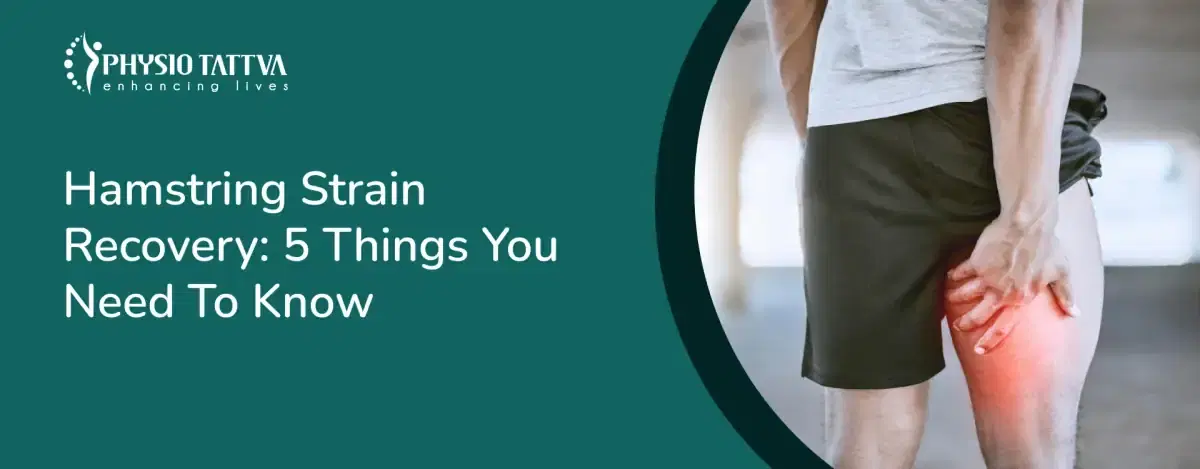
Hamstring strain recovery requires patience, proper care, and targeted strengthening. Understanding the causes, severity, and risk factors helps guide effective treatment and prevention. Early management, gradual return to activity, consistent stretching, and strength training support healing, reduce re-injury risk, and promote long-term hamstring health and overall mobility.
 Health27 January 2026
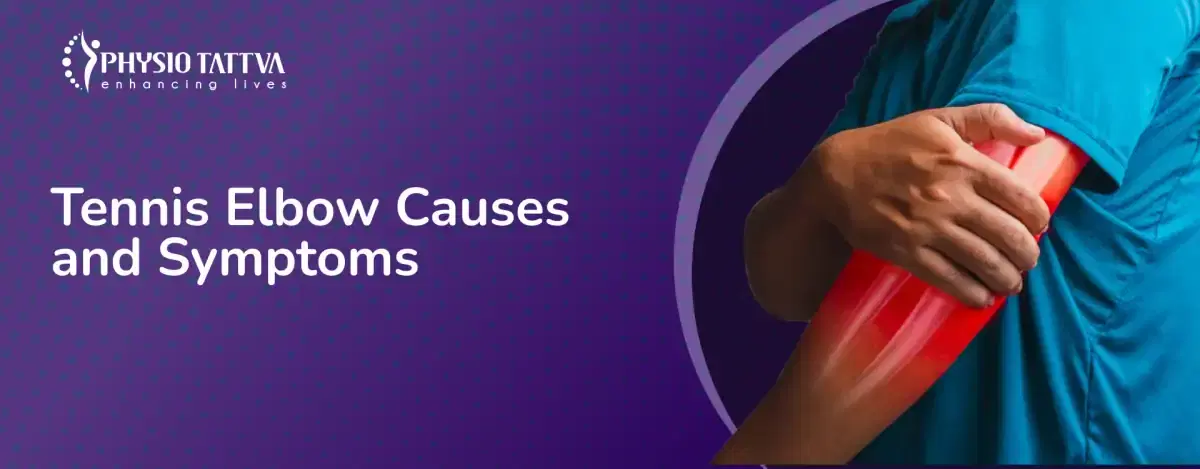
Discovering the nuances of tennis elbow is the first step toward effective management. Additionally, the article explores valuable information on treatments and preventive…
 Health27 January 2026
Physiotattva advocates for a comprehensive approach that combines conventional and progressive methods, emphasising the importance of alternative tennis elbow treatments. By…
 Health30 October 2025
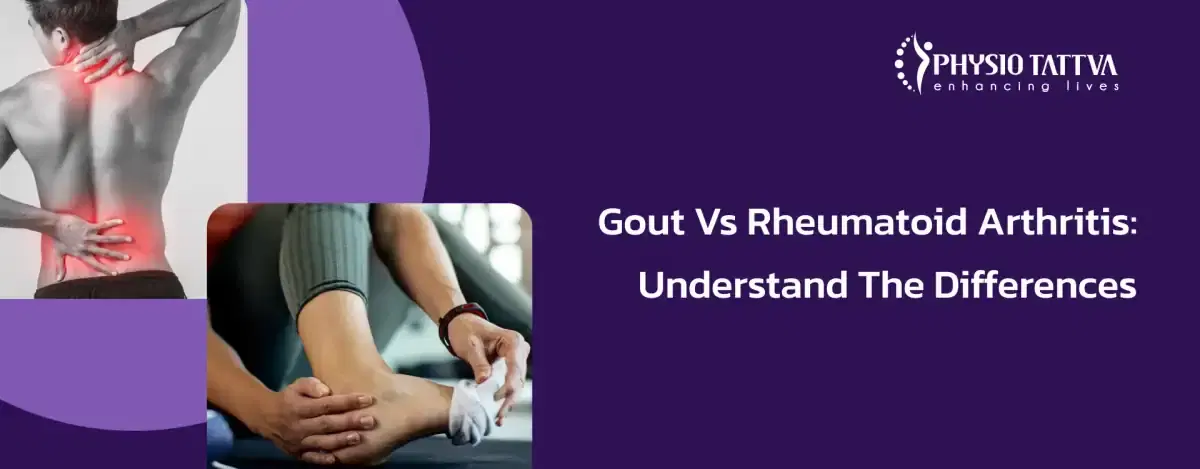
The article delves into distinctive aspects of gout and rheumatoid arthritis, elucidating their symptoms, causes, and treatment strategies. It meticulously examines gout's uric…
 Health30 October 2025
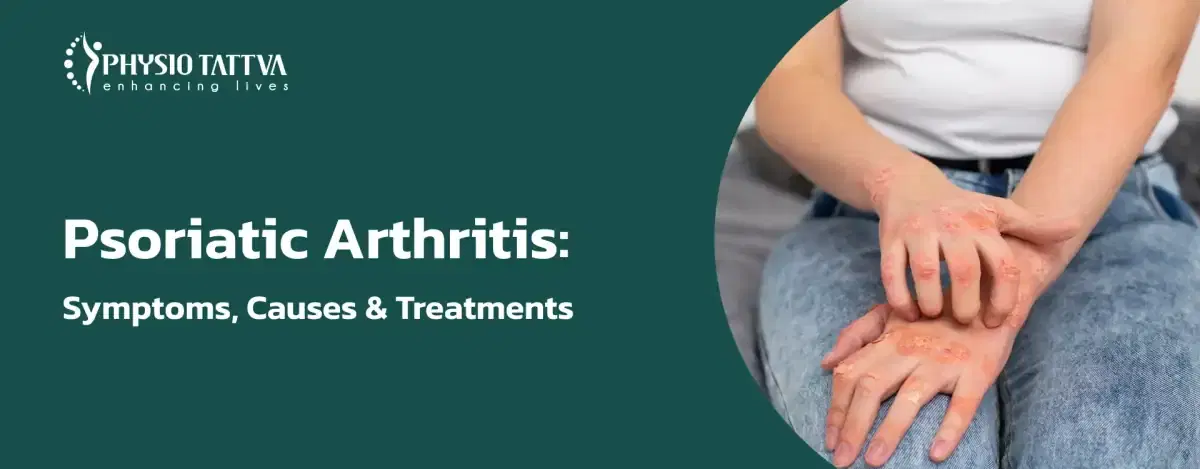
In this article, we delve into the intricate facets of psoriatic arthritis. From uncovering its causes, including autoimmune triggers, to decoding its symptoms—joint pain,…
 Health15 January 2026
The classification of arthritis is essential in understanding the five primary types of arthritis include osteoarthritis, arising from joint wear and tear; rheumatoid arthritis,…
 Health30 October 2025
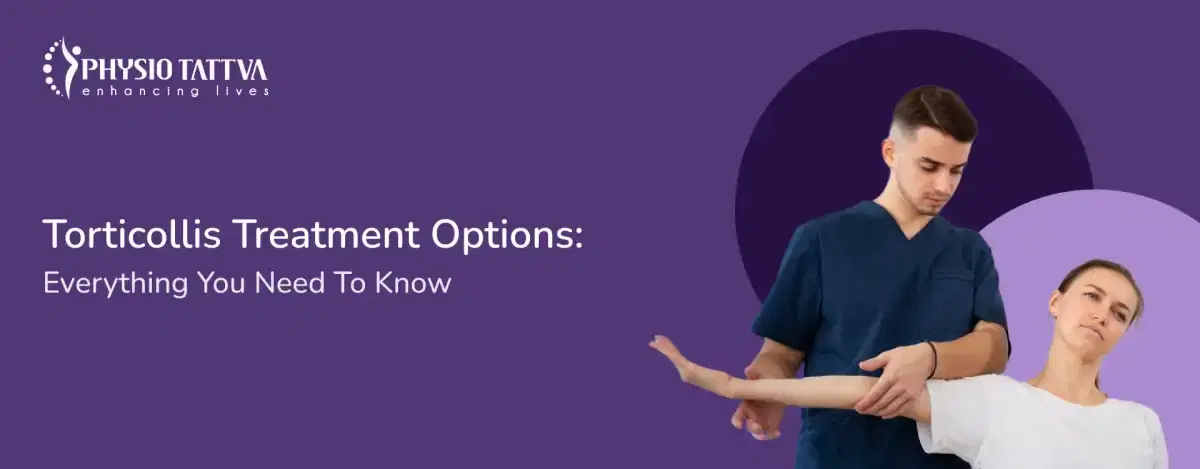
Addressing the complexities of adult torticollis demands a comprehensive treatment strategy. This article navigates the multifaceted landscape of managing torticollis in adults,…
 Health30 October 2025
Dislocations can be painful and require the proper care for different dislocations. Understanding the various classifications, causes, and symptoms can help create treatment options and prevention strategies. From understanding the mechanisms of dislocations to discussing first aid and long-term care, this guide offers invaluable insights for anyone seeking knowledge on this orthopedic topic.
 Health30 October 2025
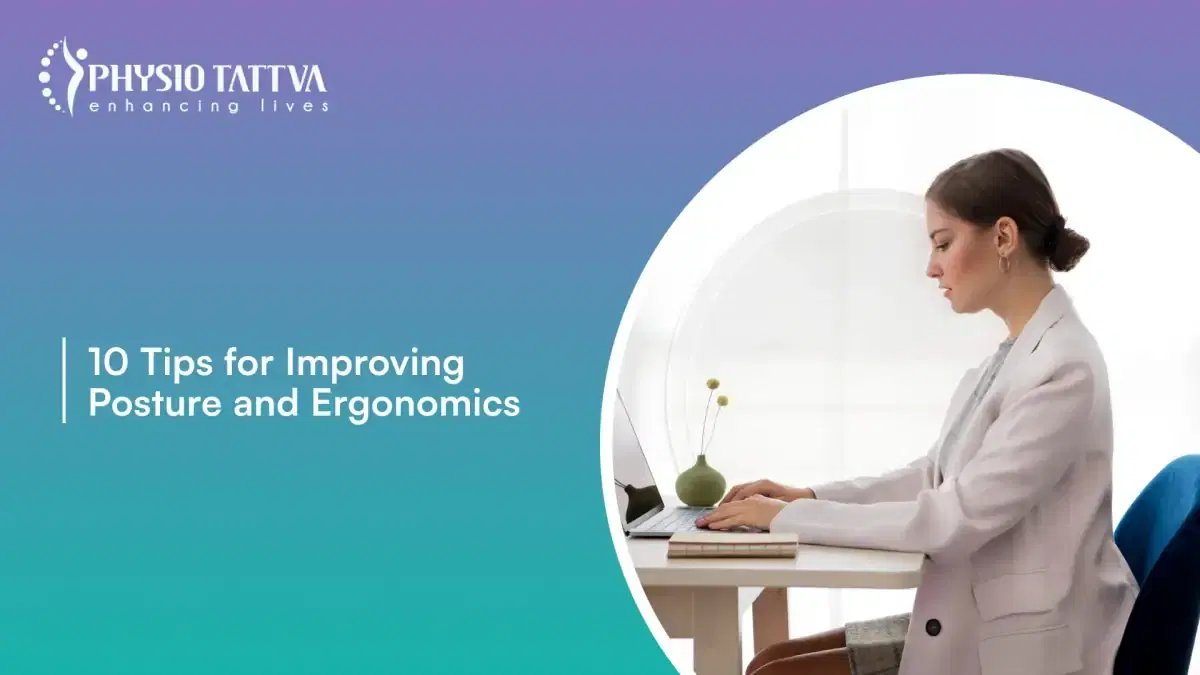
Posture refers to the position and alignment of the body while sitting, standing, or moving. Ergonomics is the science of designing and arranging the environment to optimise comfort and efficiency, considering factors like posture, workspace setup, and equipment design. Both are vital for physical well-being and productivity.
 Health30 October 2025
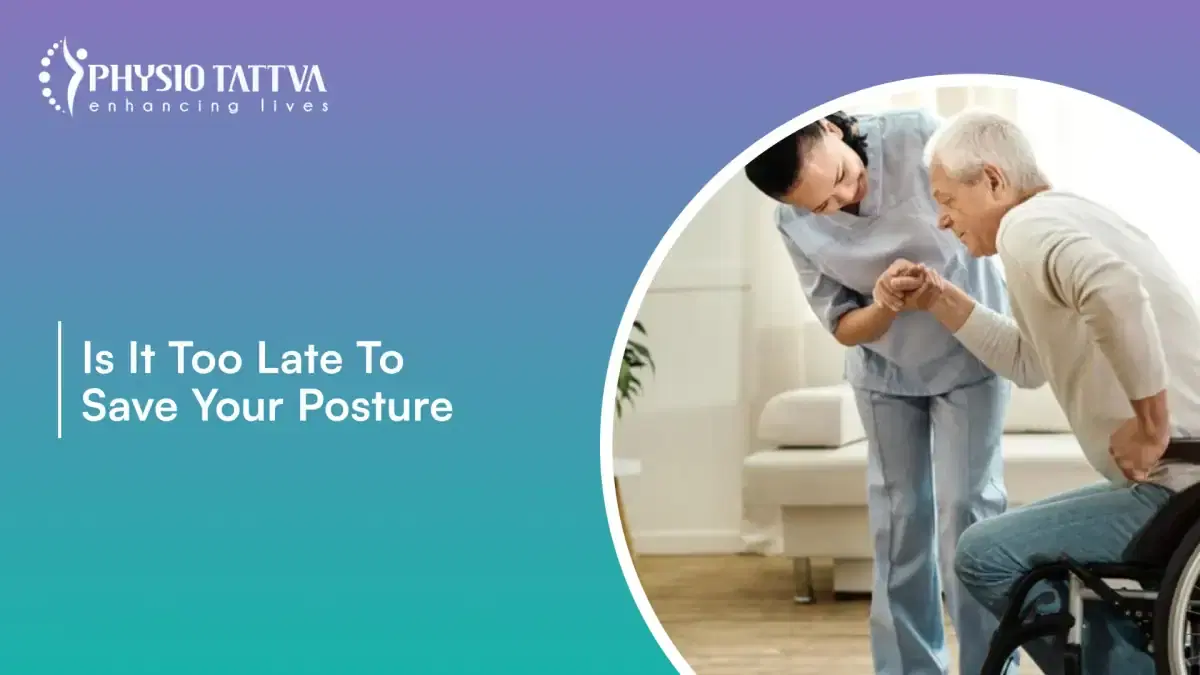
Addressing poor posture later in life is a wise investment in your well-being and is a misconception that it's ever "too late" to correct. While early intervention yields quicker results, the human body remains adaptable. Effective exercises, ergonomic changes, and professional guidance can significantly improve posture, alleviate discomfort, and enhance confidence. Long-standing problems, such as spinal curvature or chronic pain, can be managed. Even in advanced age, the benefits of better posture extend to improved spinal health, pain reduction, and a boost in overall quality of life. It's a journey worth embarking on, no matter when you begin.
 Health22 May 2026
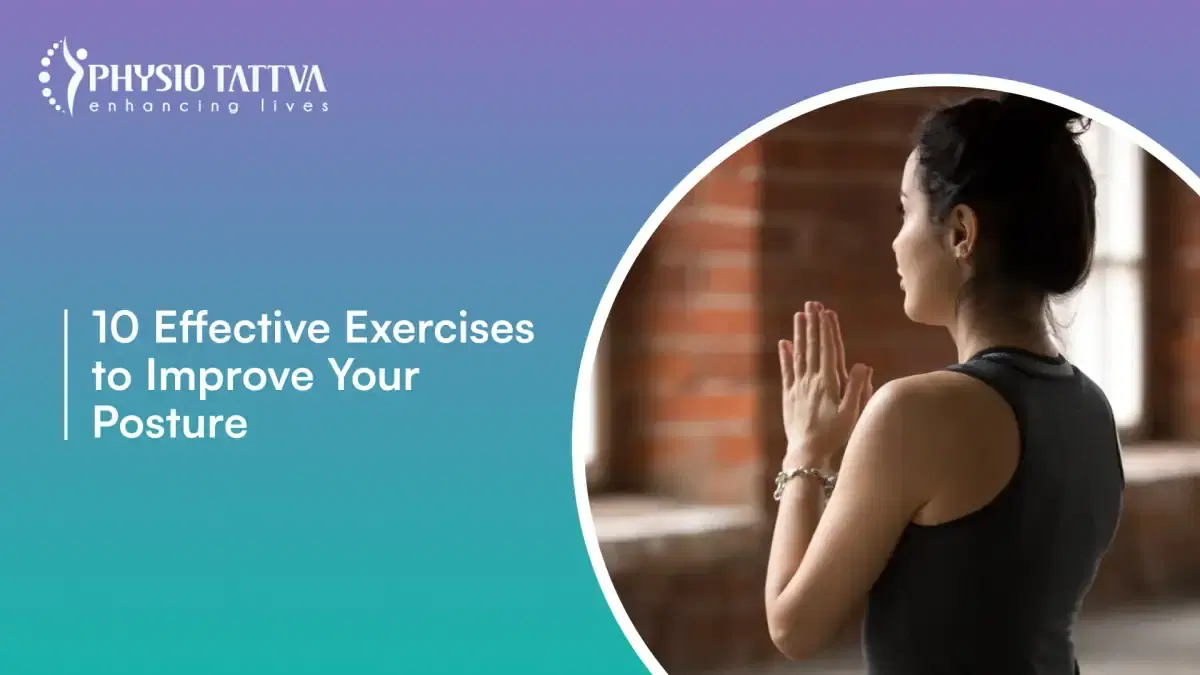
Good posture supports a healthy spine, reducing the risk of back and neck pain. It can enhance confidence and self-esteem, making a positive impression on others. Proper alignment improves breathing and digestion, improving energy levels and focus. It also reduces muscle tension and fatigue, promoting long-term musculoskeletal health. Furthermore, correct posture can prevent long-term complications, such as spinal deformities. Cultivating this habit is an investment in your physical and mental health, positively impacting your daily life and future vitality.Beginner-friendly posture exercises are offered in this article to help improve posture and take care of the body. Our comprehensive guide will help you achieve a more poised and confident stance, ensuring long-term well-being. These exercises improve posture, target key muscle groups to correct alignment, and alleviate common postural issues. Say goodbye to back and neck pain as you journey to enhance your body posture. With these effective techniques, you'll not only look more confident but also promote a healthier spine. Invest in your future vitality and well-being by following our expert guidance for improved posture and overall physical health. These exercises to improve posture can also boost flexibility and mobility, helping to prevent discomfort that arises from prolonged sitting or poor posture habits.
 Health30 October 2025
Posture plays a pivotal role in spinal health, affecting the alignment of our vertebrae and the well-being of our muscles and joints. In addition to muscle strain, poor posture can result in back and neck pain and digestive and respiratory problems. Moreover, it can contribute to stress as physical discomfort and strain add mental and emotional burdens. Conversely, correct posture can alleviate these health risks, promote a sense of confidence, and enhance our overall wellness. By understanding the significance of posture and how to achieve and maintain good alignment, we can ensure a healthier and more balanced life.
 Health30 October 2025
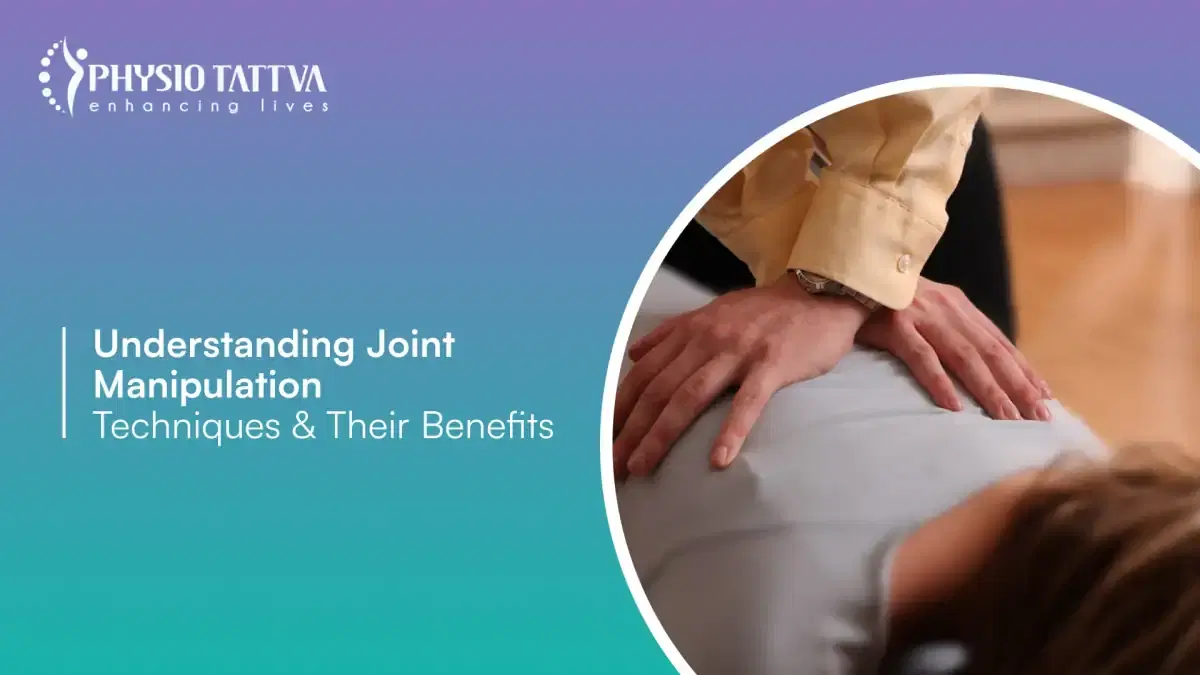
Joint manipulation techniques involve skilled manual maneuvers to improve joint function, often employed by chiropractors and physical therapists. These techniques target specific joints to address stiffness, misalignment, or restricted motion. The practitioner applies controlled force to the joint, often producing a cracking or popping sound due to gas release within the joint. This mobilisation helps restore normal joint mechanics, reduce pain, and enhance the range of motion. It can also stimulate the nervous system and release endorphins, relieving pain. Joint manipulation is valuable for addressing musculoskeletal conditions and improving overall joint health.
 Health30 October 2025
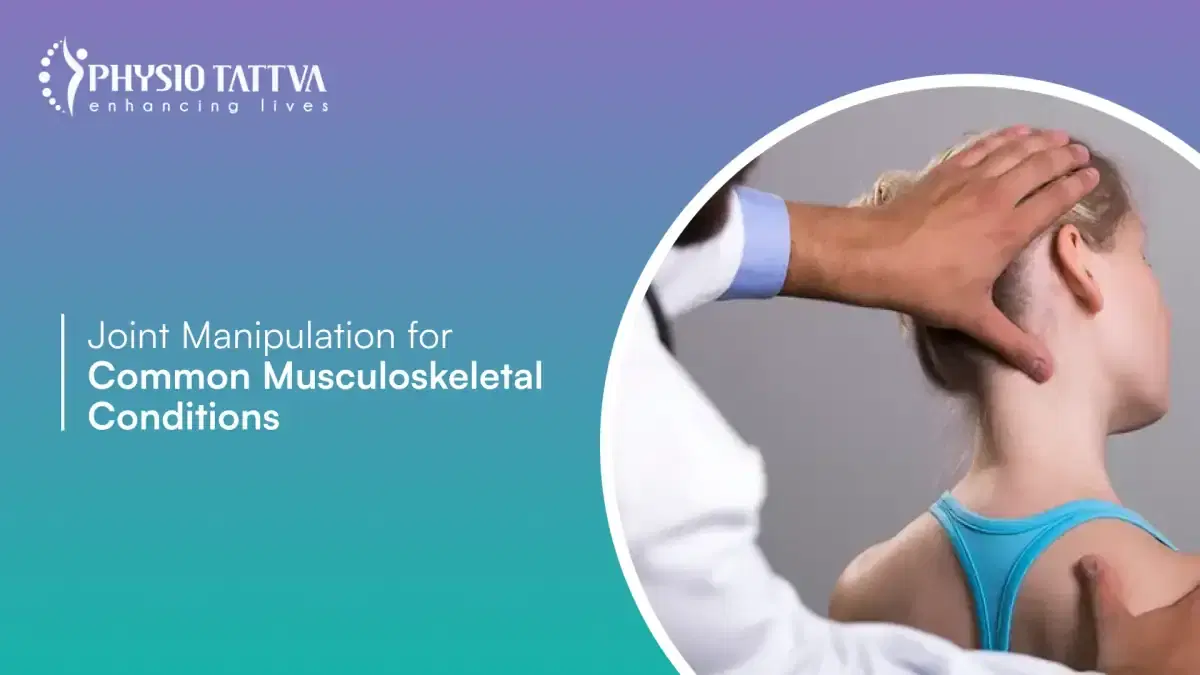
Joint manipulation is a hands-on therapeutic technique healthcare professionals use to alleviate pain and improve joint function. It typically involves applying a controlled force to specific joints, often resulting in a popping or cracking sound as gas bubbles are released from the joint space. This release can alleviate joint tension and reduce pain. Joint manipulation is commonly used to treat conditions related to the musculoskeletal system, such as back pain, neck pain, and joint stiffness. A skilled practitioner can make this procedure safe and effective. However, joint manipulation may only be appropriate for some. A consultation with a healthcare professional is recommended before beginning treatment.
 Health30 October 2025
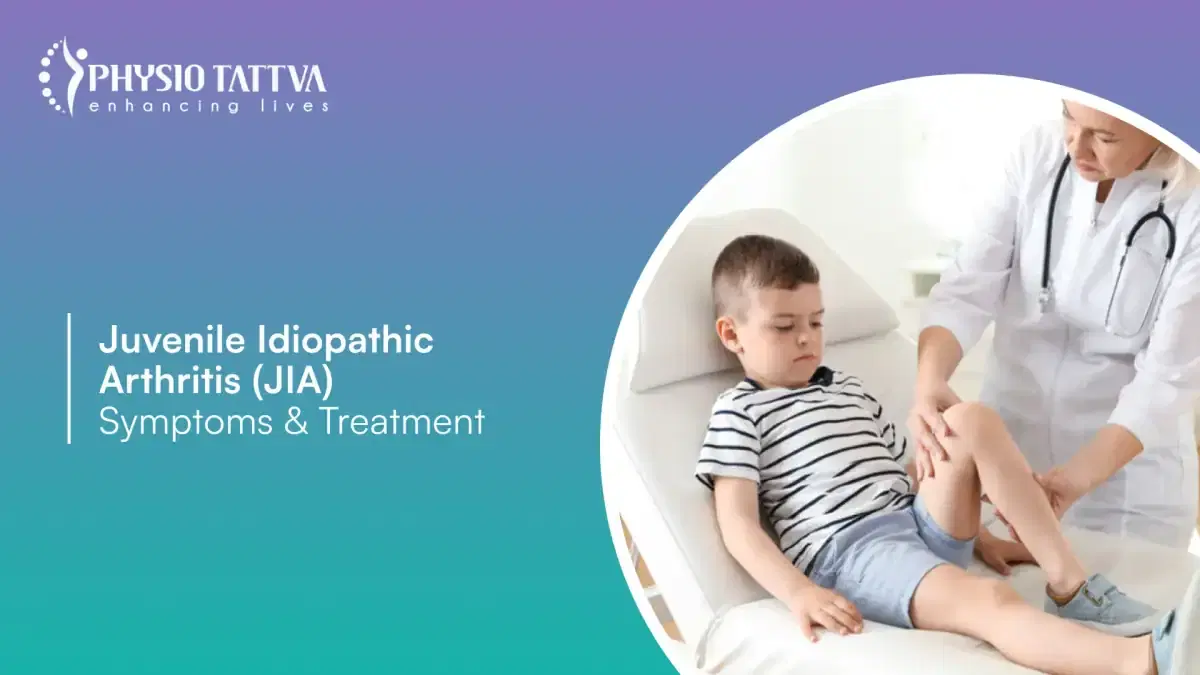
Juvenile Idiopathic Arthritis (JIA) is a chronic autoimmune disorder affecting children and adolescents. It causes joint inflammation, pain, and stiffness, often leading to impaired mobility. JIA has various subtypes, and its exact cause remains unknown. Early diagnosis and tailored treatment plans, including medication, physical therapy, and lifestyle adjustments, are crucial to managing symptoms and improving the quality of life for young individuals with this condition.
 Health30 October 2025
A person who is paralysed may lose the ability to move a portion of their body or the entire body, typically caused by damage to the nervous system. It can result from various factors, such as spinal cord injuries, strokes, nerve disorders, or trauma. Paralysis leads to a lack of voluntary muscle control, affecting mobility, sensation, and daily activities. Rehabilitation, physiotherapy, and medical interventions are often essential in managing Paralysis and improving an individual's functional abilities and quality of life.
 Health30 October 2025
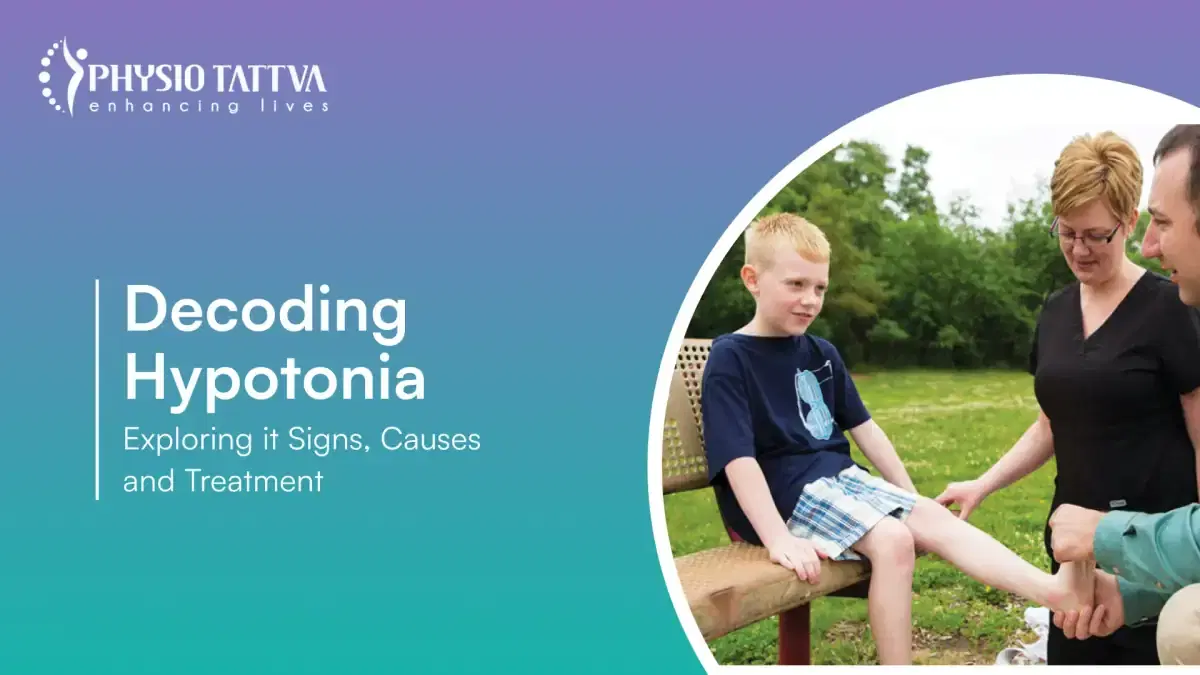
Hypotonia refers to a condition characterised by decreased muscle tone or muscle tension. This results in muscles feeling floppy or loose, often leading to reduced muscle strength and control. Read on to know more about the signs, causes, and treatments to better deal with the condition.
 Health30 October 2025
Shin splint is a common occurrence of pain near the shinbone, where the muscles are often overworked or injured due to excessive usage. It can often result in pain, inflammation, and a reduced range of motion that can hamper your day-to-day activities. Read on to learn more about its cause and how to manage it effectively.
 Health15 January 2026
Tendinitis, characterised by tendon inflammation from overuse, causes pain, swelling, and restricted movement. Treatment involves rest, ice, anti-inflammatories, and a gradual return to activity. Physical therapy enhances healing, addressing muscle imbalances. Severe cases might require corticosteroid injections or, rarely, surgery. Early intervention ensures effective recovery and prevention of chronic issues. Read on to learn more about the symptoms and best ways to treat the condition
 Health30 October 2025
An overuse injury results from repetitive strain on muscles, tendons, or bones due to excessive activity without adequate recovery. Learn about its causes, prevention, and effective treatment options.
 Health30 October 2025
Learn about osteogenesis imperfecta, also known as brittle bone disease. Discover the causes, symptoms, and treatment options for this condition.
 Health30 October 2025
Discover how physical activity can help manage the symptoms of metastatic bone disease and improve overall well-being. Explore effective exercises and tips here.
 Health15 January 2026
Unlock the Path to a Speedy and Comfortable Recovery from Rotator Cuff Surgery. Explore expert tips to optimise healing and boost your overall well-being.
 Health30 October 2025
Discover the 8 signs of bad posture and how it impacts your health. Our guide helps you improve your posture for a healthier, more comfortable body.
 Health30 October 2025
Relieve neck pain with these ten tips to properly align your neck with your body. Achieve a healthier alignment. Live pain-free life with Physiotattva.
 Health30 October 2025
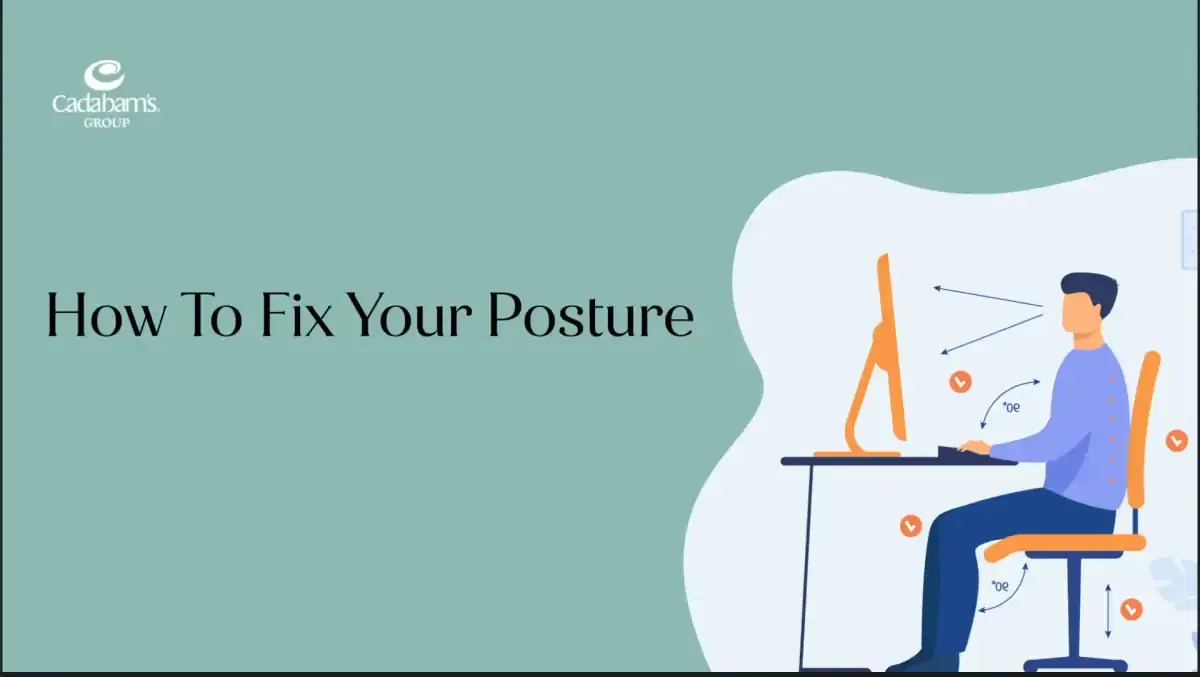
Learn how to fix your posture and achieve natural pain relief. Get posture tips, posture correction exercises, and more
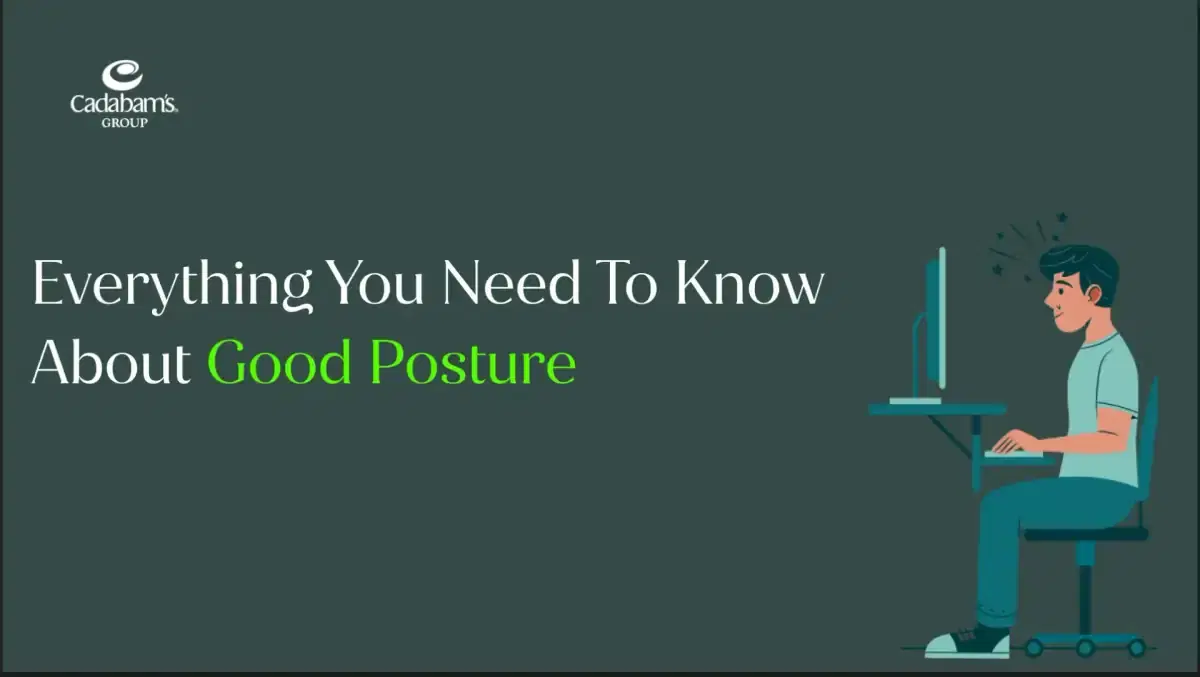 Health30 October 2025
Maintaining good posture is crucial for a healthy, pain-free body. Poor posture could lead to back pain, neck pain, and headaches. Learn more.
 Health27 January 2026
Learn about the common causes of numbness and tingling, including carpal tunnel syndrome, pinched nerves, and more. Find out the symptoms and treatment options.
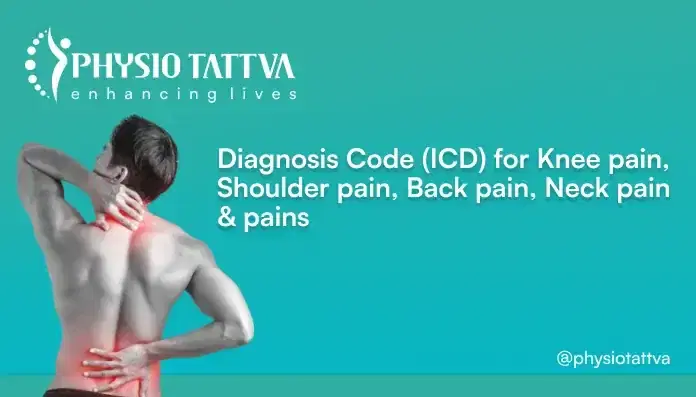 Health30 October 2025
ICD codes are a universal language used to classify medical conditions and diseases for billing, research, and public health monitoring. Learn more about this.
 Health16 June 2026
Learn about the benefits, treatments, and research studies related to aquatic therapy and hydrotherapy.
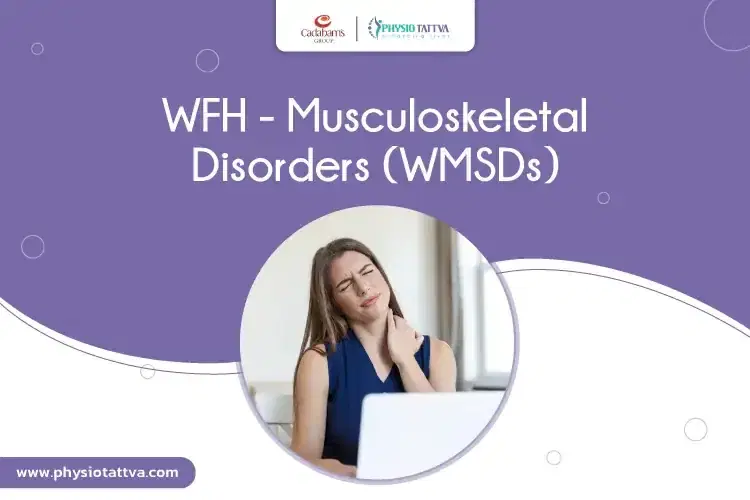 Health30 October 2025
Learn how to prevent musculoskeletal disorders while working from home with these expert-approved tips and strategies. Protect your health and maintain productivity.
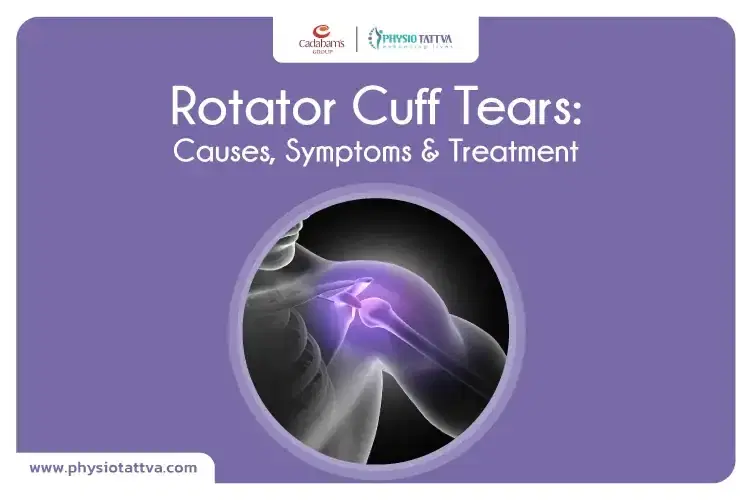 Health15 January 2026
Rotator cuff tears are one of the most common injuries affecting individuals, particularly those involved in repetitive shoulder motions. The rotator cuff is a group of muscles…
 Health18 January 2026
Joint pain causes discomfort in walking & affects one's overall wellbeing. Doing the right set of Exercises Regularly can reduce pain and increase flexibility.
 Health18 January 2026
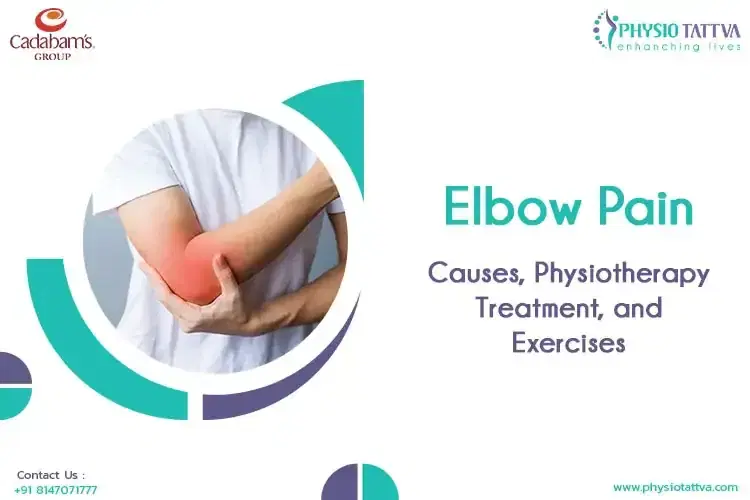
Elbow pain is a common issue that can result from several causes, including elbow joint pain, repetitive strain, or injuries to surrounding structures like the shoulder or spine. It often doesn't subside without identifying the root cause, which can range from neural, myofascial, or joint-related dysfunctions. Physiotherapy offers significant relief for elbow pain by addressing both the symptoms and the underlying causes.
 Health16 January 2026
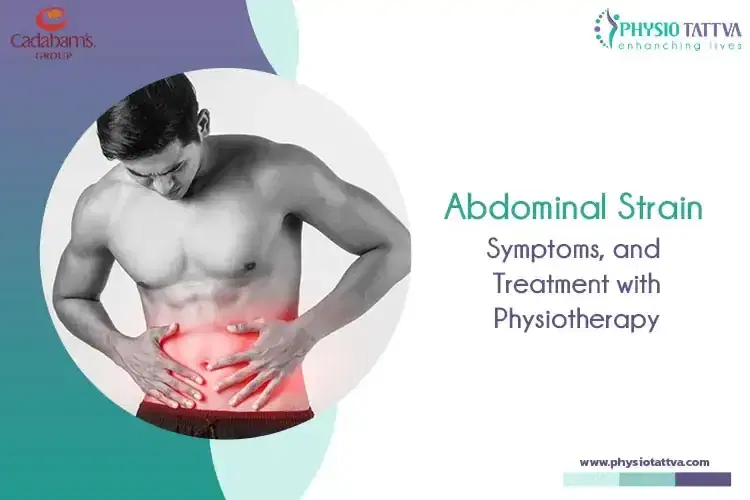
An abdominal muscle strain occurs when the fibres of the abdominal muscles tear, often due to sudden movements, heavy lifting, or intense exercise. Symptoms include sharp pain, swelling, bruising, muscle spasms, and difficulty moving. Immediate treatment involves the P.R.I.C.E. principle: Protection, Rest, Icing, Compression, and Elevation. Apply an ice pack for 20 minutes every few hours to reduce swelling and pain. As recovery progresses, incorporate physiotherapy exercises like pelvic tilts and gentle stretches to regain strength and flexibility. Consult a healthcare provider for a proper diagnosis and personalised treatment plan.
 Health16 June 2026
Physiotherapy is helpful to aid movement problems for stroke patients. This article explains how physical therapy can help stroke survivors
 Health17 November 2025
Our musculoskeletal system even though extremely complex, it’s the pillar of stability, mobility, and strength in our bodies.
 Health17 November 2025
Physiotherapists provide mobility and exercise, manual treatment, education, and counseling to those who have been injured, sick, or disabled.
 Health17 November 2025
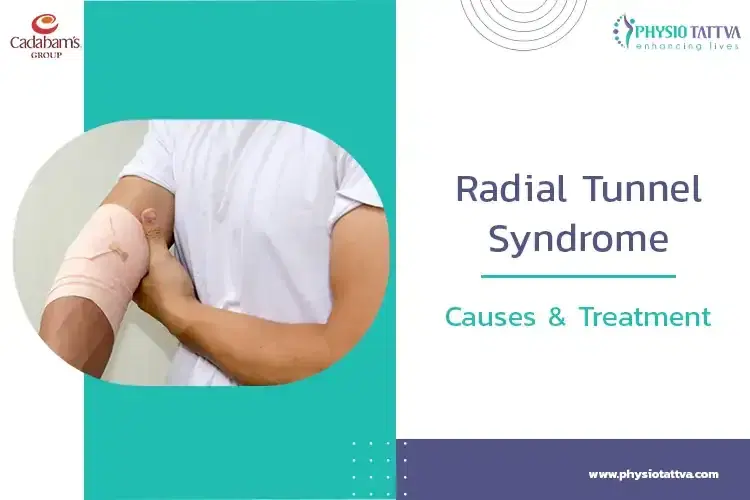
Radial tunnel syndrome occurs when there is damage to the radial nerve in the hands that control most of the motor functions and this impairs the hand and its ability to move.
 Health30 October 2025
Physiotherapists help people who have been wounded, ill, or incapacitated by providing mobility and exercise, manual therapy, education, and counseling. They keep people of all ages healthy by supporting patients with pain management and sickness prevention.
 Health18 September 2023
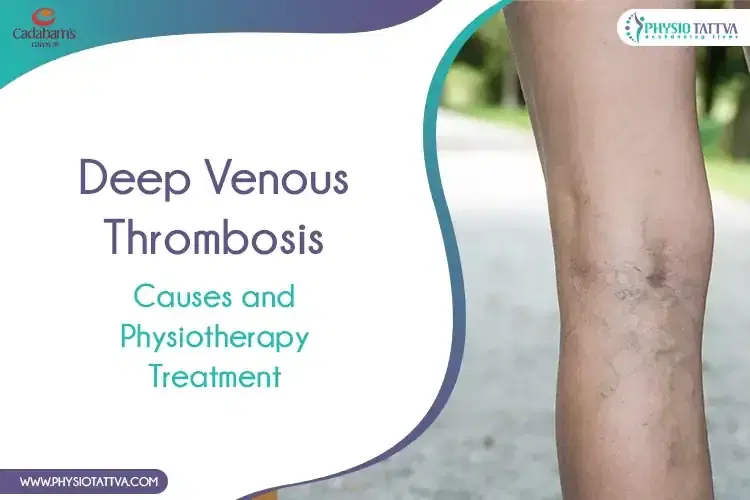
Deep Venous Thrombosis (DVT) occurs when a clot forms in one of the body's large veins, most commonly in the legs, causing discomfort and pain when engaging in daily activities. These blood clots can occur for a variety of reasons, including genetics, injury recovery, and blood clotting rate. It can also cause severe pain in the clotting area, such as the legs, impairing mobility and daily functioning. Here's a primer on DVT, including its causes, symptoms, and treatment options.
 Health22 May 2023
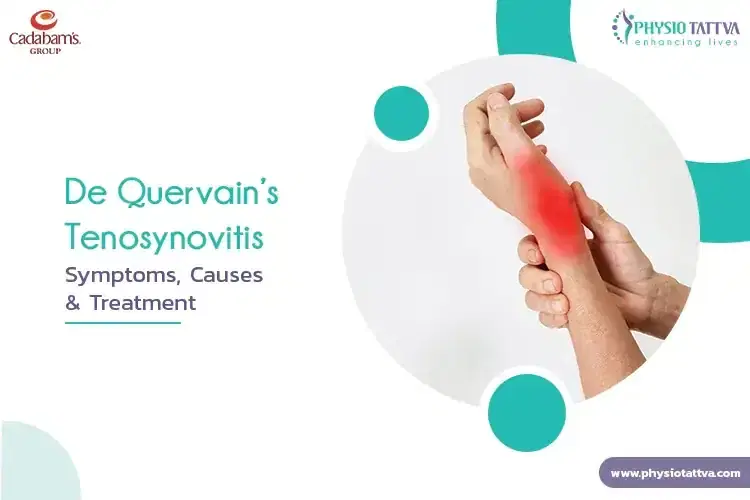
De Quervain's Tenosynoviti's occurs when the tendons around the base of your thumb become irritated causing pain and swelling along the thumb. Know more.
 Health23 January 2026
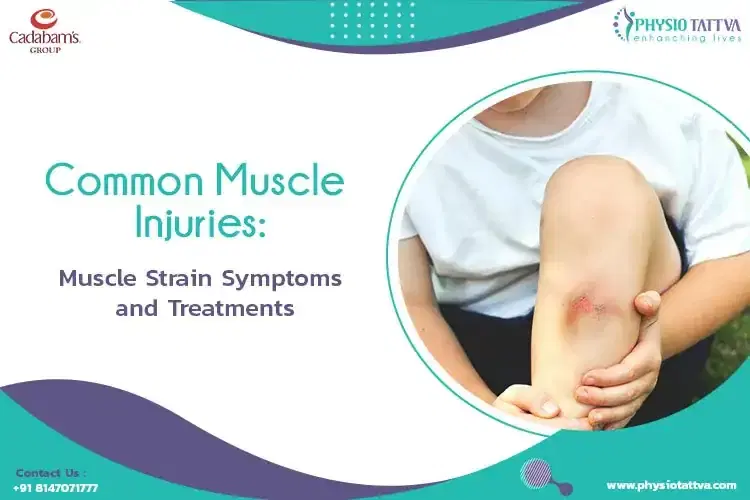
Tissues in muscles are most commonly injured. Soft tissues in muscles & ligaments get injured due to sports activity or any simple day to day activity also.
 Health22 May 2023
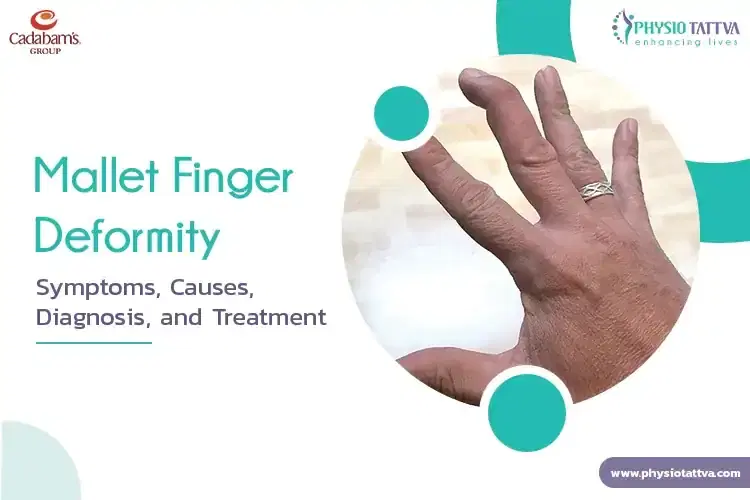
Mallet fingers, sometimes known as "baseball finger," is a deformity that affects the tip of your finger or thumb, causing the tendons to be injured and the finger to droop. Learn more about the signs and symptoms, as well as the diagnosis and treatment options.
 Health27 December 2022
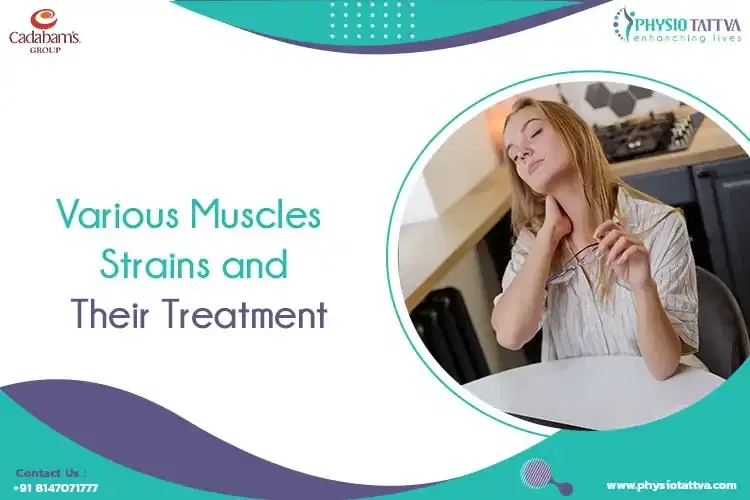
The neck, lower back, chest, shoulder, and hamstring are commonly strained areas in the body. So, here we talk about common muscle strains and their corresponding symptoms and how to treat them.
 Health24 May 2023
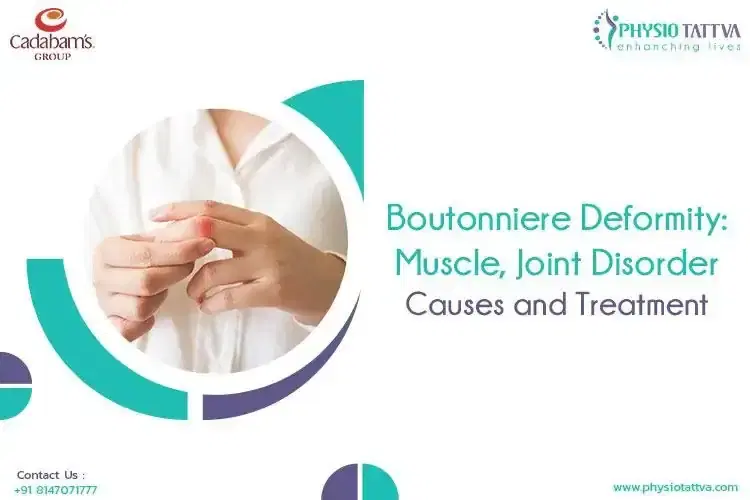
A boutonniere deformity occurs when there has been an injury to the tendons, which are responsible for the straightening of the middle joint of the fingers. It means that the middle joint of your fingers is not flexible enough to straighten completely. This can happen to anyone who has had an injury to the tendons of the fingers. And there are several causes of Boutonniere Deformity. Here we discuss all.
 Health3 May 2022
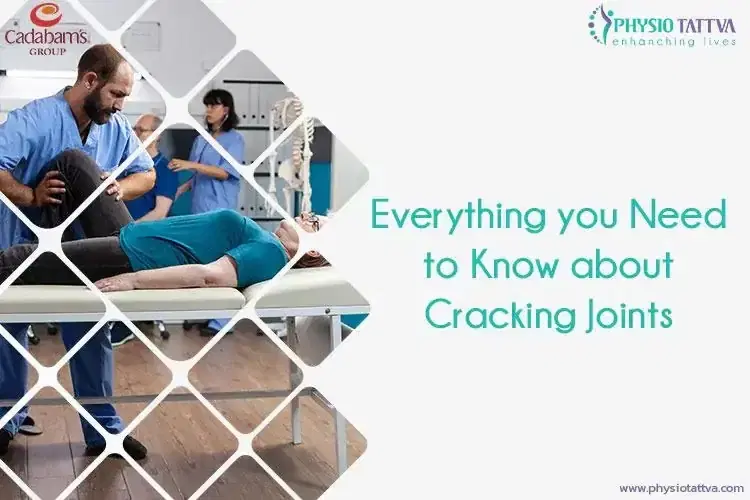
There can be several reasons behind Cracking Joints. Cracking joints can be done at different parts of the body. These include cracking ankle joints, cracking ear joint, cracking finger joints, cracking hip joint, cracking knee joint, and more. Here we discuss everything about cracking joints.
 Health2 January 2025
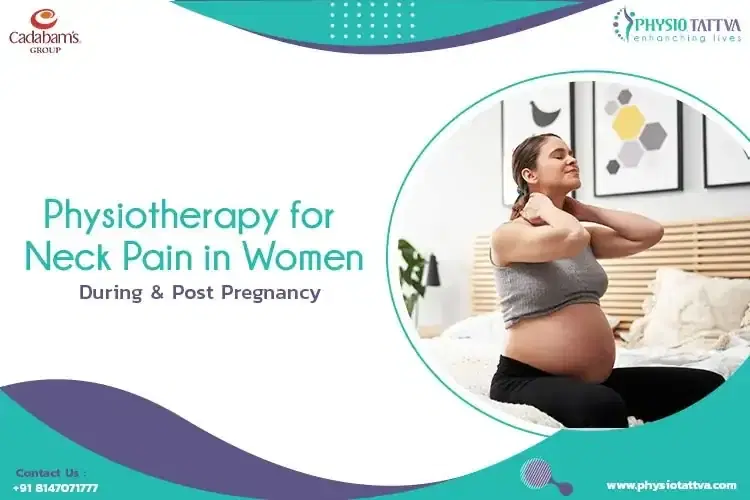
Pregnancy and childbirth is a joyful time however this is also a period during which there are many rapid physical and hormonal changes in the mother’s body. It is a process that puts a huge strain on the mother’s body. Additionally, postpartum, her body once again changes in a much shorter span of time. If you are not mindful, you might harm your health in the long-run. You might even develop medical issues such as shoulder pain, lower back pain, etc. Physiotherapy can help you deal with your body’s changes during pregnancy.
 Health30 May 2022
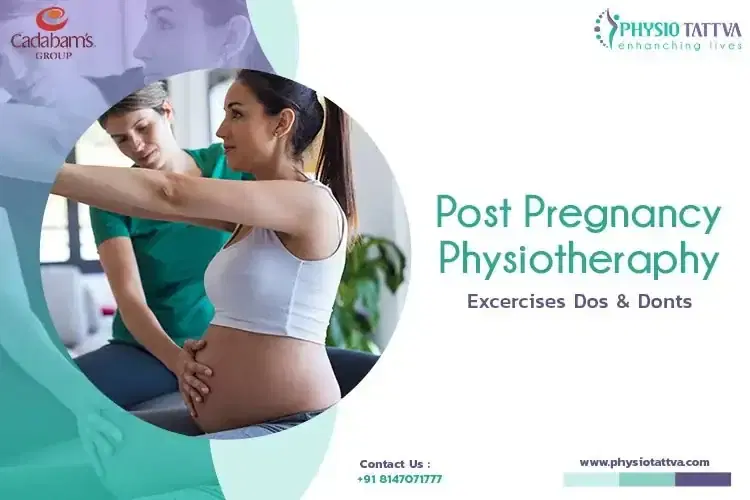
The birth of a child is a magical time for the parents. However, along with the happiness, a mother has to deal with major physical changes. Pregnancy brings about major physical, hormonal and mental changes in the mother and even after childbirth and during the post-pregnancy period, the mother undergoes physical changes in a much shorter span of time. This is when a good physiotherapist can help the mother with postpartum issues, injuries, pain and can also help them get back in shape.
Start with an assessment
We measure what you've lost, find the cause, and set out a plan with a target and a timeline.
- Call us+91 89510 47001
- Email usinfo@physiotattva.com
- Visit a clinic23 clinics across Bangalore, Hyderabad and Visakhapatnam
- Or stay homePhysiotherapy at home