


 Neuro Condition14 July 2026
Physiotherapy helps manage Parkinson's disease by improving mobility, balance, strength, posture, and walking ability. Through targeted exercises and movement training,…
 Neuro Condition15 June 2026
Traumatic Brain Injury (TBI) happens when a hit or jolt to the head changes brain function. It can affect memory, speech, mood, or movement. TBI comes from falls, accidents, sports, or violence. Watch for signs and act fast. The key characteristics of traumatic brain injury include both cognitive and physical changes, depending on the severity of the impact.
 Neuro Condition19 February 2026
Carpal tunnel syndrome affects up to 62% of pregnant women, often due to natural fluid retention and hormonal changes. These changes can lead to uncomfortable numbness, tingling, or pain in the hands and wrists. While distressing, it's important to know that most cases of pregnancy-related carpal tunnel improve naturally with the right care, support, and professional guidance.
- Neuro Condition21 May 2026
Parkinson’s disease and parkinsonism are not the same. Parkinson's disease and parkinsonism are important to understand for proper diagnosis and treatment. Parkinson’s disease is a brain disorder that gets worse over time, affecting movement and balance.When dopamine levels drop, Parkinsonism occurs. Parkinsonism is a broader term for conditions with similar symptoms, such as tremors and stiffness, but different causes. Parkinsonism vs Parkinson's disease affects treatment options. Some types come from medication side effects, strokes, or other brain disorders. Parkinson’s disease is usually managed with dopamine-boosting drugs, physical therapy, and sometimes surgery. Parkinsonism treatment varies based on the symptoms and its causes such as genetic or environmental. Understanding the difference between Parkinson's disease and Parkinsonism can help in treatment, diagnosis and care in the long run.
 Neuro Condition2 January 2026
The tibial nerve is a critical nerve in your lower limb, responsible for both motor control and sensation. When it’s affected by issues like entrapment or trauma, it can significantly impact mobility. This guide explores its anatomy, function, injury causes, and physiotherapy-led recovery.
 Neuro Condition11 December 2025
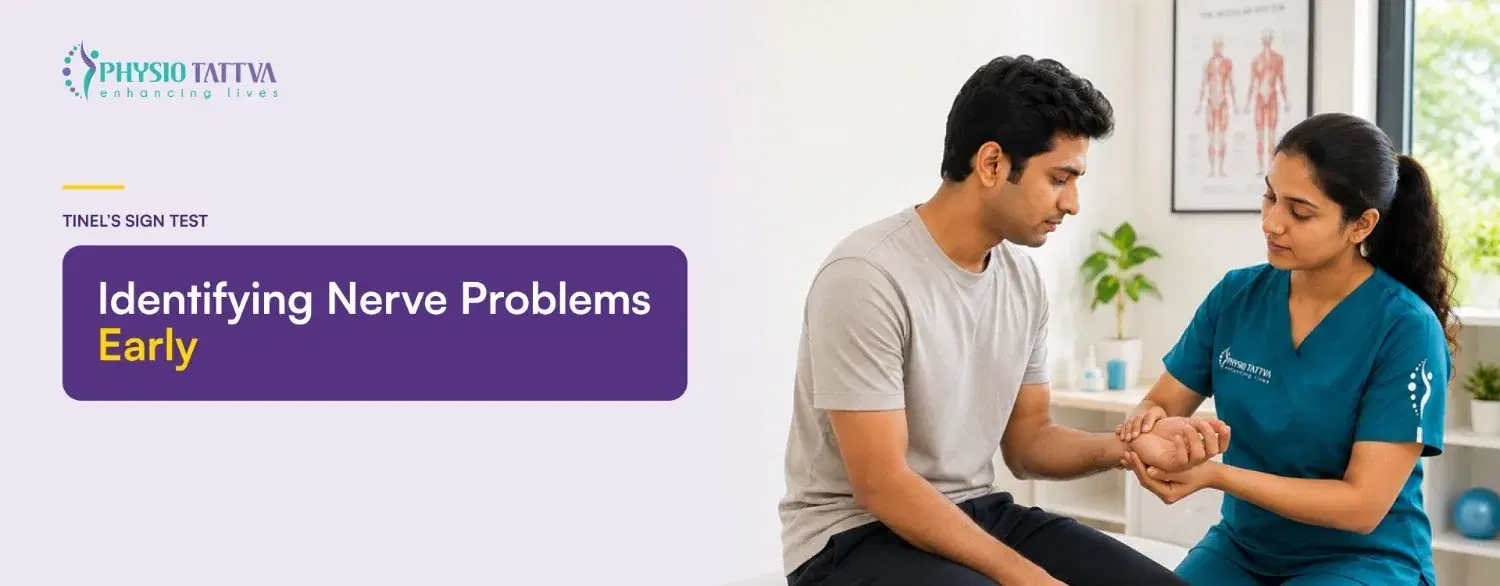
The Tinel's sign is a simple, non-invasive test used by healthcare providers to check for nerve irritation or compression. It’s a go-to diagnostic tool for conditions like carpal tunnel, cubital tunnel, and tarsal tunnel syndrome. This guide explores its accuracy and explains what positive or negative results mean for you.
 Neuro Condition18 December 2025
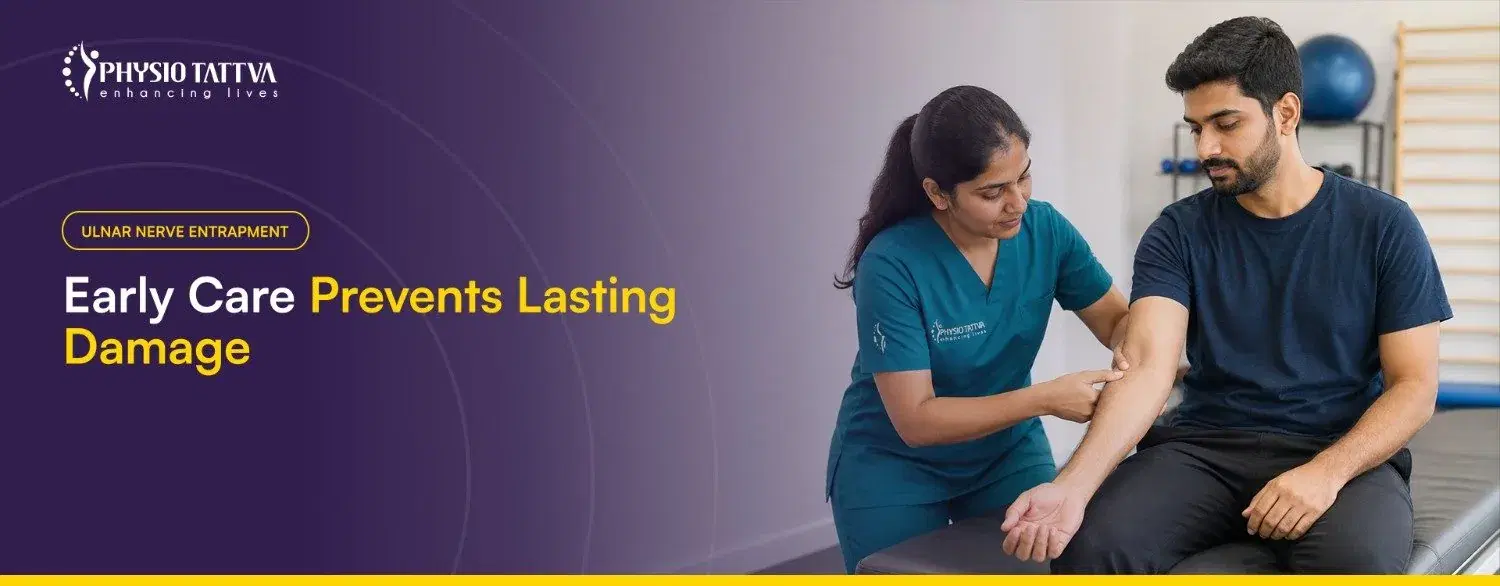
Ulnar nerve entrapment causes tingling, numbness, and weakness in the hand due to nerve compression near the elbow or wrist. Physiotherapy, ergonomic care, and exercises aid recovery and prevent recurrence.
- Neuro Condition18 December 2025
Numbness in the pinky finger is often linked to nerve compression, posture, or lifestyle strain. While it can be alarming, especially if it seems to be getting numb more frequently, most cases are treatable with timely and expert care. This comprehensive guide will help you understand the symptoms, explore the common causes, and discover how to find lasting relief.
 Neuro Condition4 June 2025
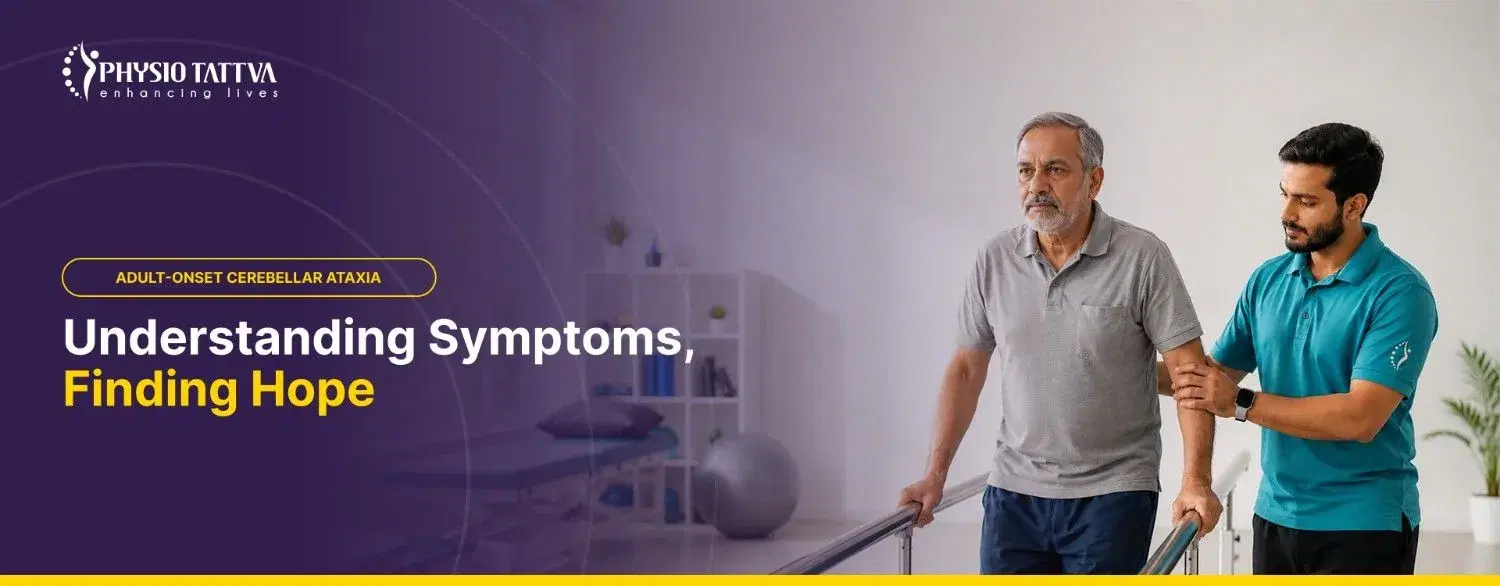
Adult-onset cerebellar ataxia is a condition that can affect an individual's coordination, balance, and motor control due to issues in the cerebellum. It can result from genetic factors, autoimmune conditions, or neurodegenerative diseases. Treatment cannot cure the condition, but it can help manage it to a large extent by focusing on improving quality of life through physiotherapy, occupational therapy, and medication. Living with the condition can be scary, and it is important to be able to understand it, which can help plan treatment in the long run.
- Neuro Condition14 July 2026
A stroke occurs when blood flow to part of the brain is blocked or a blood vessel ruptures, depriving brain cells of oxygen and nutrients. Within minutes, affected brain cells…
 Neuro Condition7 January 2026
The brachial plexus is a complex network of nerves that acts as the main communication highway between your spinal cord and your arm, shoulder, and hand. When this network is stretched, compressed, or torn, it results in a brachial plexus injury. This can lead to significant pain, weakness, numbness, and functional limitations in the upper limb. Understanding the nature of these injuries is the first step toward effective treatment and recovery. This guide will explore the causes, types, symptoms, and rehabilitation options for brachial plexus injuries.
 Neuro Condition31 December 2025
A sharp, burning pain in your foot can stop you in your tracks, turning simple activities like walking or standing into a challenge. If you're feeling discomfort in the ball, arch, or toes, you might be dealing with a pinched nerve in foot. This common, often-overlooked condition occurs when a nerve is compressed by surrounding tissues. This guide explores the causes, symptoms, diagnosis, and effective treatments, including specialised physiotherapy, to help you find lasting relief.
- Neuro Condition28 December 2025
That sharp, burning, or tingling sensation in your foot isn't just an annoyance; it can be a sign of underlying nerve issues. Nerve pain in foot can significantly disrupt daily life, turning simple activities like walking, standing, or even sleeping into painful ordeals. Recognising the early signs is crucial to prevent progressive nerve damage in foot and find effective relief. This comprehensive guide will cover the symptoms, causes, diagnosis, and modern treatment options, including the pivotal role of physiotherapy in restoring comfort and mobility.
 Neuro Condition25 December 2025
Feeling "pins and needles" or a peculiar loss of sensation in your feet can be unsettling. These sensations can affect your toes, heel, sole, or the entire foot. The causes range from simple, temporary nerve compression to more chronic issues. Understanding the source of numbness and tingling in feet is the first step toward relief, which is often achievable with proper diagnosis and physiotherapy-based treatment.
 Neuro Condition11 April 2026
Struggling with persistent ankle pain that doesn’t feel like a typical sprain? You’re not alone. Many people confuse chronic ankle nerve pain with a purely muscular or orthopaedic issue, which can delay proper diagnosis and effective relief. This guide is designed to help you understand the difference and find the right path forward.
 Neuro Condition6 January 2026
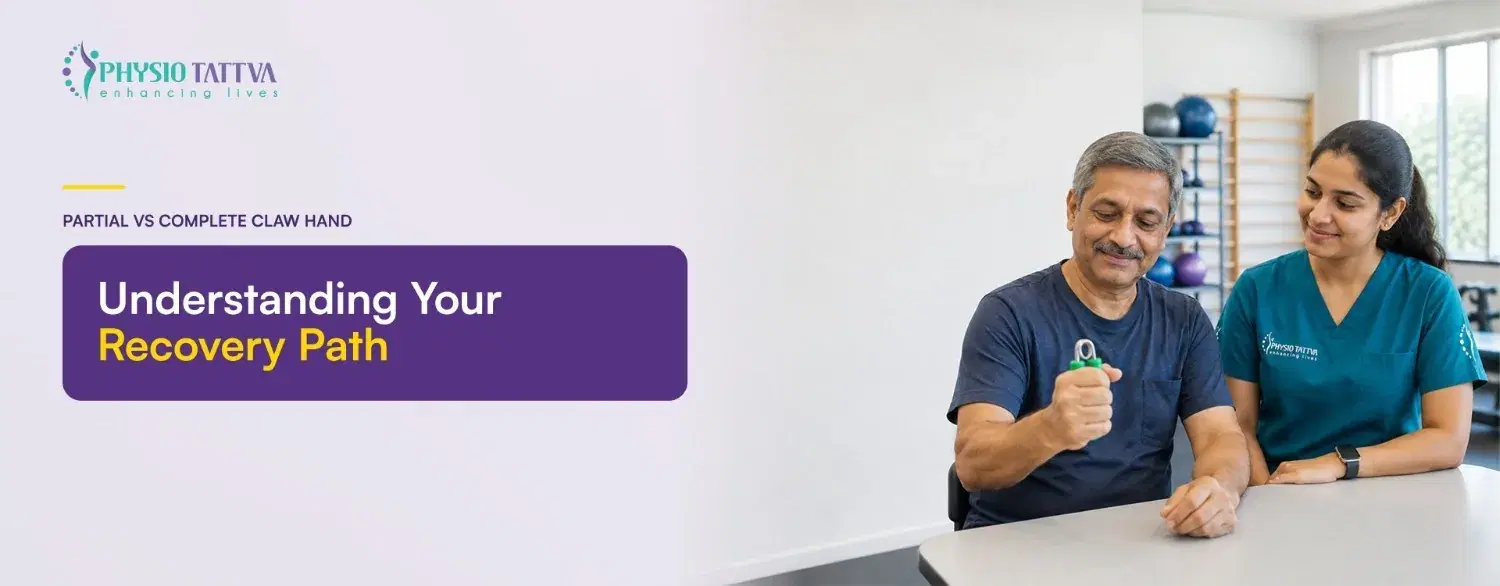
Claw hand is a distinct hand deformity where your fingers bend into an unnatural, claw-like position. This condition stems from nerve damage that weakens the small muscles in your hand. Understanding whether the claw hand is partial vs complete is not just a medical detail; it's the critical first step in defining the right treatment path. The approach to physiotherapy, the recovery timeline, and the potential outcomes all hinge on this distinction. This guide will walk you through the differences between partial and complete claw hand, their causes, and symptoms. Most importantly, it will detail how specialised physiotherapy at Physiotattva plays a central role in restoring function, reducing pain, and helping you regain control of your hands and your life.
 Neuro Condition6 January 2026
Leprosy claw hand is a potentially disabling deformity caused by nerve damage associated with Hansen’s disease. This condition manifests as bent or "clawed" fingers, which can severely impact a person's ability to perform daily activities like gripping objects, writing, or even dressing. It arises from damage to the ulnar and median nerves, leading to muscle imbalance in the hand. Fortunately, physiotherapy stands as the cornerstone of leprosy claw hand treatment. A structured rehabilitation program is essential for restoring movement, preventing permanent stiffness, improving hand function, and empowering individuals to regain their independence.
- Neuro Condition18 December 2025
Claw hand deformity is a condition where your fingers bend into a claw-like position due to nerve damage, injury, or an underlying medical condition. This can significantly impact your ability to grip objects, perform daily tasks, and maintain your quality of life. Early diagnosis and a targeted physiotherapy plan are crucial for restoring hand strength and function. This comprehensive guide covers the symptoms, causes, diagnosis, and expert-led recovery options for managing claw hand deformity.
 Neuro Condition31 October 2025
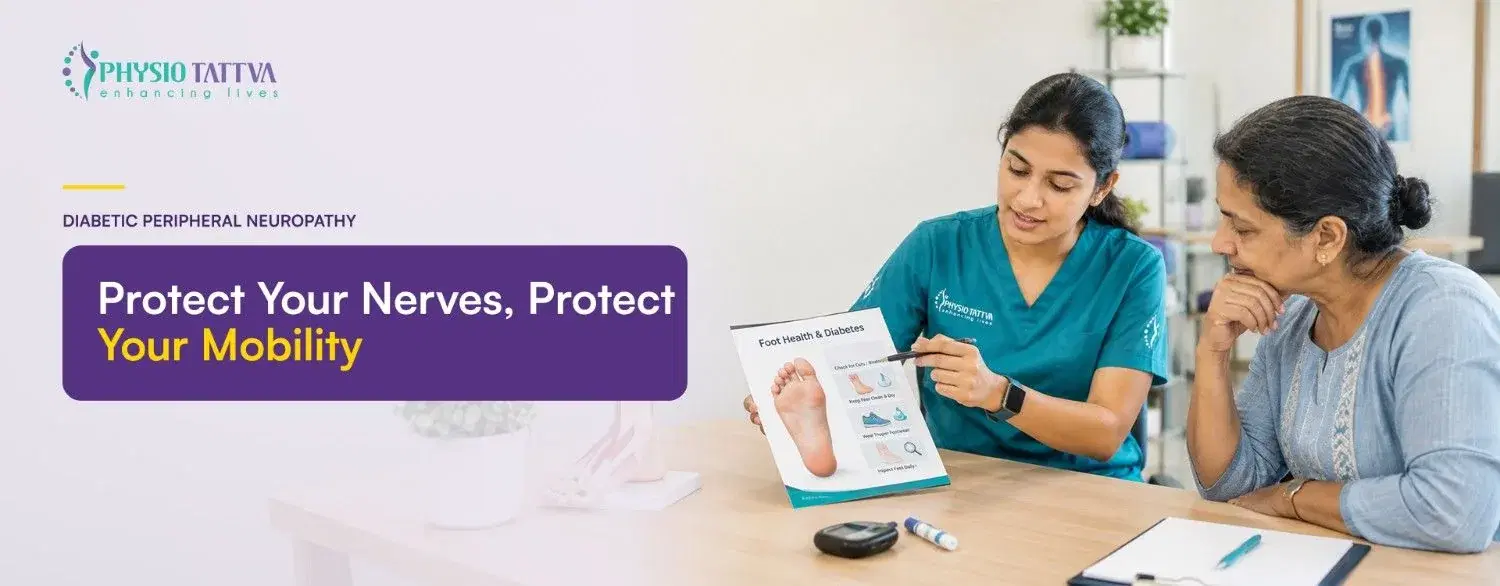
Diabetic peripheral neuropathy is a nerve complication that affects the feet and hands, often causing pain, numbness, or tingling. Catching it early can slow progression and ease symptoms, but what are the best ways to manage it? Proper diabetic peripheral neuropathy treatment can greatly enhance quality of life and prevent further damage to nerves.
 Neuro Condition11 June 2026
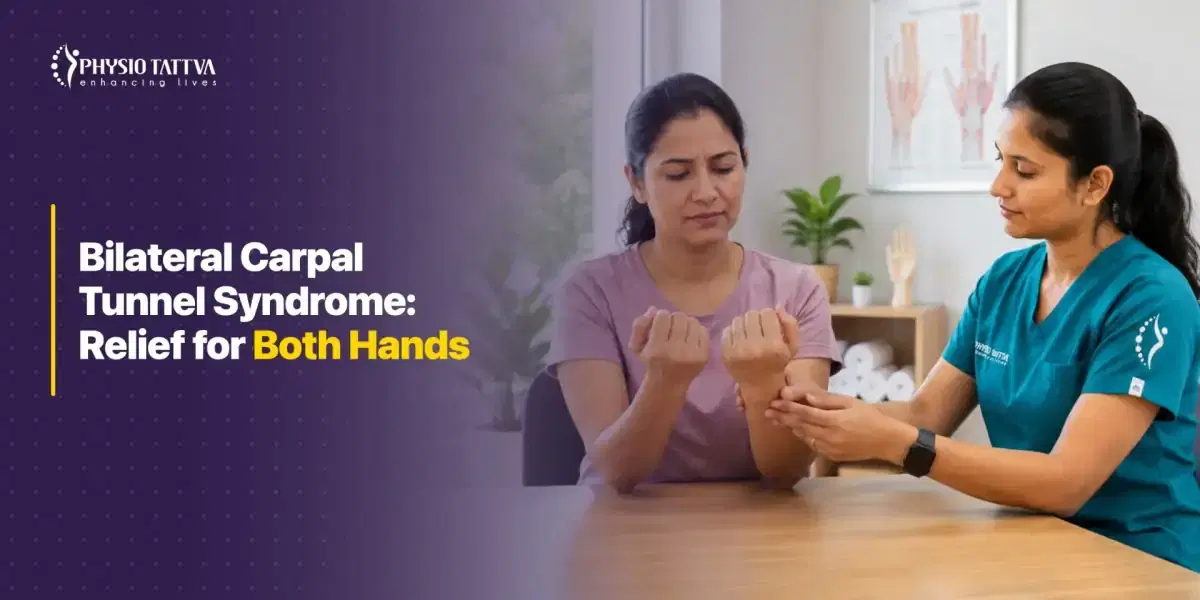
Bilateral carpal tunnel syndrome involves median nerve compression in both wrists, causing pain, numbness, and a weak grip. It often signals a more severe or systemic condition. Early diagnosis and structured treatment plans can help ease healing and to restore hand function and prevent complications. Understanding the risks and management strategies for bilateral carpal tunnel syndrome helps patients seek timely intervention.
 Neuro Condition22 May 2026
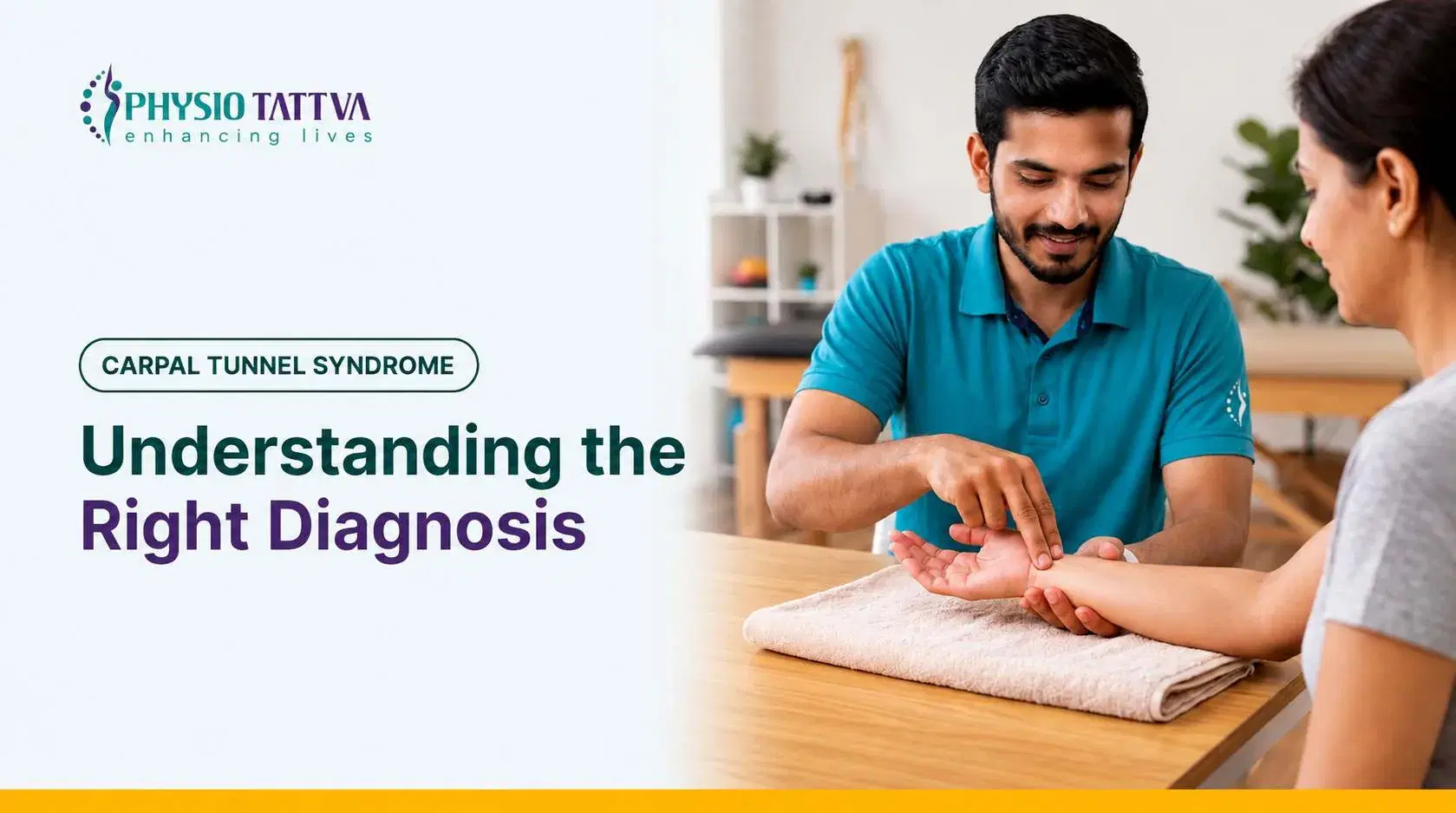
Carpal tunnel syndrome (CTS) is a common peripheral neuropathy that needs accurate documentation for treatment and billing. ICD-10 codes help standardise this process, distinguishing between right, left, bilateral, or unspecified wrist involvement. Correct coding ensures proper insurance reimbursement and clinical clarity, supporting effective patient management and tracking of the condition’s prevalence and treatment outcomes.When dealing with coding challenges, understanding how carpal tunnel syndrome ICD 10 codes are structured is essential for accuracy.
- Neuro Condition22 May 2026
The carpal tunnel is a narrow space in the wrist, formed by wrist bones (carpals) and the transverse carpal ligament. It houses important nerves and tendons, and its compression leads to carpal tunnel syndrome, causing pain, numbness, and muscle weakness in the hand. Understanding the structures passing through carpal tunnel is essential for clinicians assessing the carpal tunnel pain location.
 Neuro Condition18 January 2026
Index finger joint pain can make everyday tasks difficult. This guide breaks down what causes it, common symptoms to watch for and simple ways to manage or relieve the pain. Learn when to seek help and what treatment options exist.
- Neuro Condition31 October 2025
Wartenberg’s syndrome happens when the radial nerve gets pinched near the wrist. It can cause numbness or tingling in the back of the hand. Physiotherapy can help manage symptoms and improve hand movement in day-to-day tasks. It is important to distinguish this from other nerve-related hand conditions, such as the presence of a positive wartenberg sign, which might suggest more complex involvement.
 Neuro Condition31 October 2025
More people feel a pins-and-needles sensation or numbness in their pinky fingers these days. Typing, texting, and extended smartphone use put strain on the hands. Nerve entrapment, especially involving the ulnar nerve, is another reason these symptoms show up.Pain in pinky finger joint can also stem from prolonged hand positions and repetitive strain caused by digital devices.
- Neuro Condition31 October 2025
Guyon’s Canal Syndrome is a condition that occurs when the ulnar nerve is compressed at the wrist. It can cause numbness, weakness, or hand trouble. Physiotherapy is an effective treatment as it helps manage symptoms and ease nerve pressure to avoid more strain.In some cases, this issue may also be referred to as guyon tunnel syndrome, especially when it becomes persistent.
- Neuro Condition31 October 2025
Ulnar nerve palsy occurs due to the ulnar nerve getting compressed or injured. It can affect how your hand works, making it hard to grip or move fingers. Recognising early signs helps you manage pain and avoid more problems. Understanding the relationship between ulnar nerve palsy and associated conditions like ulnar tunnel syndrome can also help in getting an accurate diagnosis early.
 Neuro Condition31 October 2025
Acute bacterial meningitis is a serious infection that affects the protective membranes covering the brain and spinal cord. It can have serious repercussions on your ability to function. The right form of care can help manage the condition and distinguish it from other conditions like acute meningitis of different origins.
- Neuro Condition31 October 2025
Peripheral neuropathy is a condition that affects the nerves outside the brain and spinal cord. It can change how you feel, move, or even digest food, depending on which nerves are involved. Many people experience numbness, tingling, pain, or weakness, which can make daily tasks more difficult. Understanding the different types of peripheral neuropathy is key to figuring out what’s going on in the body. Doctors classify neuropathy based on how it affects nerve function and what causes the damage.
- Neuro Condition22 May 2026
Peripheral neuropathy is a condition where damaged peripheral nerves cause numbness, tingling, or weakness, usually in the hands and feet. Staying physically active through exercise, strength training and balance work helps manage the condition. Many experts also recommend exercises for peripheral neuropathy in feet to improve circulation and mobility.
- Neuro Condition31 October 2025
Peripheral neuropathy is nerve damage causing numbness, tingling, or weakness, often mistaken for conditions like radiculopathy or myopathy, which affect spinal roots or muscles differently.
- Neuro Condition31 October 2025
Bell’s Palsy is a sudden, temporary weakness of facial muscles due to unknown causes. Facial nerve paralysis can result from injury, infections, or tumours, with similar visible symptoms.Understanding the nuances between bell's palsy vs facial nerve palsy is crucial for guiding correct medical treatment.
- Neuro Condition15 June 2026
Acute traumatic brain injury (TBI) happens when the brain takes a sudden hit or jolt, usually from accidents like car crashes, falls, sports injuries, or even assaults. It’s a serious event that can cause anything from a mild concussion to severe brain damage.
- Neuro Condition15 June 2026
Mild Traumatic Brain Injury (mTBI), often called a concussion, happens when a bump, blow, or jolt to the head affects how the brain works. It may cause confusion or dizziness. It's important to spot it early as it helps in getting treatment and avoiding further problems. Recognising mild traumatic brain injury symptoms early can support faster recovery and reduce risks.
 Neuro Condition31 October 2025
Amyotrophic Lateral Sclerosis (ALS), often called Lou Gehrig’s disease, is a progressive neurological disorder that affects nerve cells in the brain and spinal cord.If ignored, this disease steadily robs a person of muscle strength, movement, and independence, making everyday tasks like walking, talking, or even swallowing incredibly difficult. This can lead to a steep decline in quality of life and affect someone's personal and professional life. That’s why early diagnosis and proactive care, like physiotherapy, occupational therapy, and speech therapy, are important. They help people stay mobile, manage symptoms, and maintain a sense of control for as long as possible.
- Neuro Condition15 June 2026
A Spinal cord injury can be scary, and the recovery process needs time and patience. If not treated well, it can cause long term problems that might be difficult to manage. Spinal…
 Neuro Condition31 October 2025
Amyotrophic Lateral Sclerosis (ALS) is a disease that affects nerve cells in the brain and spinal cord. It slowly breaks down the nerves that control movement, making everyday tasks like walking, lifting, or even speaking harder over time. A common cause for the condition is genes and environmental factors. Age, family history, and exposure to certain toxins can increase the risk. While ALS doesn’t affect thinking, it changes how you move, speak, and breathe. Several treatment options help manage the condition. Understanding the amyotrophic lateral sclerosis causes is essential for early identification and management.
 Neuro Condition31 October 2025
Friedreich’s Ataxia is a rare inherited disorder that affects the nervous system and muscles. It usually shows up in childhood or the teenage years and gradually gets worse over time. This condition mainly targets the spinal cord, peripheral nerves, and the part of the brain that helps control movement. People with Friedreich’s Ataxia often experience trouble with balance, coordination, and walking. It can also affect speech, heart function, and sometimes cause diabetes. The condition comes from a genetic mutation passed down from both parents. There is no cure, but there are ways to manage the symptoms and improve quality of life. People searching for effective options often explore various aspects of Friedreich’s ataxia treatment and how early intervention can help with symptom management.
- Neuro Condition31 October 2025
Bacterial meningitis is a serious infection that affects the protective layers around the brain and spinal cord, called the meninges. Harmful bacteria, such as Neisseria meningitidis, Streptococcus pneumoniae, or Haemophilus influenzae, cause it. The infection can spread quickly and lead to life-threatening complications like brain damage, hearing loss, or even death if not treated right away. Bacterial meningitis requires immediate medical attention to reduce risks and prevent severe outcomes. It’s a condition that can affect anyone but is especially dangerous for young children, older adults, and those with weakened immune systems. The key is catching it early before it causes permanent damage.
- Neuro Condition31 October 2025
Encephalitis is a serious condition in which the brain becomes inflamed, usually due to viral infections, though it can also result from autoimmune diseases or infections like bacteria or fungi. It affects brain function, leading to symptoms like fever, confusion, seizures, and difficulty with speech or movement. In severe cases, encephalitis can cause long-term neurological damage or be life-threatening. It is important to seek early treatment from medical professionals to avoid complications.
- Neuro Condition31 October 2025
Bickerstaff Brainstem Encephalitis (BBE) is a rare but serious condition that affects the brain stem, causing problems with vital body functions like breathing, heart rate, and movement. It’s an autoimmune disorder where the body mistakenly attacks its own brainstem, leading to symptoms like weakness, difficulty walking, double vision, and in some cases, loss of consciousness. The impact on daily life can be significant, as BBE can affect balance, coordination, and even basic motor functions. Understanding BBE is important because it can change the way people live, affecting everything from mobility to independence, and it requires prompt medical attention to manage its progression.
- Neuro Condition31 October 2025
Living with Amyotrophic Lateral Sclerosis ALS is tough—it slowly takes away muscle control, making everyday tasks harder. Simple things like walking, talking, or even swallowing become a challenge. Catching it early matters because it helps you prepare, adapt, and get the right support. The sooner you notice signs of amyotrophic lateral sclerosis, the better you can plan for what’s ahead.
- Neuro Condition15 June 2026
MS isn’t the same for everyone—it comes in different types and stages, each affecting the body differently. Some people have sudden flare-ups with recovery, while others experience steady progression. Understanding these variations helps in managing symptoms better and knowing what to expect as the condition changes over time.
 Neuro Condition15 June 2026
Multiple Sclerosis (MS) is a chronic condition where the immune system attacks the protective covering of nerves, disrupting communication between the brain and body. It affects millions worldwide, with symptoms like fatigue, numbness, vision problems, and muscle weakness. It is a condition that requires physiotherapy and medication, which helps in navigating the problem. Understanding what causes multiple sclerosis helps patients and caregivers manage its effects better.
- Neuro Condition15 June 2026
Multiple Sclerosis (MS) can cause fatigue, pain, and mobility issues in individuals that impact their daily activities and routine tasks. Recognising early multiple sclerosis symptoms is crucial for timely medical attention. It can also impact one's vision and movement, making it difficult to navigate on a regular basis, which are common multiple sclerosis complications that patients face if left unmanaged. It is important to understand what treatment plans are available, such as medication and physiotherapy, that can help manage the condition with ease and comfort.
- Neuro Condition15 June 2026
Spinal cord injury can have serious implications on daily functioning and cause stress to individuals and their loved ones. In some cases, it can take longer to heal and can have an impact on one's social and professional life. Different types of spinal cord injury signify different effects on the body, which define the healing process and treatment plans. It is important to know about how each type impacts the body and the best possible treatment plans for it. Understanding the different types of spinal injury also gives clarity about what to expect during the recovery process and helps in emotional and psychological preparation.
- Neuro Condition31 October 2025
Atypical parkinsonism, also known as atypical Parkinson's disease, is a group of disorders that copy Parkinson’s symptoms—tremors, stiffness, slow moves, and shaky balance. Unlike Parkinson’s, they progress faster and stem from different brain issues. They have similar traits, like early falls or eye movement glitches. Treatments are designed to manage symptoms, not cure, since these conditions hit harder and resist typical Parkinson’s drugs, treatment for neurodegenerative atypical Parkinsonism syndromes is symptom-focused.
- Neuro Condition17 June 2026
Cerebral palsy is a degenerative condition that causes children to lose balance and may impact cognitive functions. By spotting the early signs of cerebral palsy, people can access treatment and prepare a treatment plan that can help in the long run. Awareness of the early markers of cerebral palsy and knowing what to watch for can help parents and children identify the condition.
- Neuro Condition17 June 2026
Mixed cerebral palsy happens when a person has symptoms from more than one type of cerebral palsy. It affects how they move, balance, or control muscles. This can make daily tasks harder, but the right care can help. Understanding the causes, spotting the symptoms early, and finding the best care makes a big difference for those living with it.
- Neuro Condition17 June 2026
Mild cerebral palsy can be easy to miss, as the symptoms can be brushed off as fatigue or recovery from a minor injury. This can have long-term complications if left untreated. Recognising the early signs of this condition can be crucial in ensuring you get the right treatment and care.
- Neuro Condition31 October 2025
In cases of cerebral palsy gait, analysis of the gait helps in understanding the extent of the condition, which can help inform treatment plans and general care needed. This can help understand balance, movement, and areas of stiffness in the individual, which can help therapists personalise treatment options for different types of gait in cerebral palsy. The field has advanced technologically, and modern technology and artificial intelligence can contribute to deeper insights in managing cerebral palsy gait abnormalities that improve overall care.
- Neuro Condition17 June 2026
Spastic quadriplegic cerebral palsy (CP) is the most intense form of CP, where it affects the movement of all four limbs- arms and legs. It makes the muscles stiff and can reduce movement to great extents. It often requires assistance for moving around and daily activities. The condition can be managed through several treatment options, such as medication, physiotherapy, assistance and, in some cases, surgery. The aim of the treatment is to improve quality of life, as the condition is degenerative and cannot be reversed.
- Neuro Condition21 May 2026
Finding the right form of treatment for Parkinson's can be challenging on a day-to-day basis. Natural remedies for Parkinson's disease can be an important aspect of care and treatment, and lifestyle changes, diet, and alternative therapies can help reduce the stress of Parkinson's. The condition affects the nerve and mobility, which, to a large extent, can be managed with such natural remedies for Parkinson's in the long run. This can reduce dependence on medication and increase quality of life. Yoga, tai chi, coordination exercises for Parkinson's patients, natural supplements, regular physical exercises, along mindfulness practices one to navigate the condition better.
- Neuro Condition31 October 2025
A common problem for people with Parkinson’s is gut issues like Parkinson's constipation. People may struggle with Parkinson's disease and constipation due to low energy, low appetite and low hydration. This can cause an imbalance in the bowel movement and cause constipation. In some cases, the condition can cause poor bowel movements, weak abdominal muscles and low physical activities. The symptoms are often bloating, lack of appetite and discomfort. It is important to keep an eye on the diets and stay hydrated and it can be managed with ease with consistent efforts.
- Neuro Condition16 June 2026
Parkinson’s disease affects older adults in India in many different ways, and each person’s experience can vary widely. Some may struggle with noticeable tremors, while others might deal more with muscle stiffness, balance challenges, or a decrease in movement speed. The condition can lead to mood disorders like depression, which can make managing it more difficult. Genetics, environment, and access to healthcare further influence how the disease impacts the quality of care received by the person.The best treatment for Parkinson’s disease in India involves a combination of medication, physiotherapy, and lifestyle modifications, which is important as it can help in effectively coping with the condition and can make it easy for people around the person to understand their needs. Parkinson’s often has several symptoms, which are quite common and ignored in most cases, which can aggravate the condition if left untreated. It is important to seek care, keep an eye on symptoms and maintain an overall focus on quality of life to reduce the severity of Parkinson’s among the elderly. However, Parkinson’s disease treatment costs in India can be high, making access to timely care challenging.
- Neuro Condition17 June 2026
In cases of Parkinson’s Triad, motor function tests are important to understand the progressive and intensity of the condition. This can help medical professionals prepare treatment plans for the individual and help them understand the lifestyle changes needed. Motor function tests are done to assess tremor, rigidity, and Bradykinesia symptoms of the triad of parkinsonism.
 Neuro Condition16 June 2026
Young onset Parkinson's disease refers to a disease diagnosed prior to the age of 50 years. Many similarities exist with the late-onset Parkinson's but YOPD tends to advance more slowly; however, unique challenges pose high risks from a genetic point of view and onset of motor symptoms early with associated medication problems including dyskinesia.Early Parkinson's disease can be difficult to diagnose, and it is also important to effectively manage the patient because symptoms like tremor, stiffness, and bradykinesia mimic other types of diseases.If properly managed, most patients can have an excellent quality of life, work and continue to engage in their activities for many years.
- Neuro Condition16 June 2026
Parkinson’s is a neurodegenerative condition that affects people's mobility, balance and cognitive functions. It starts as slow tremors or small falls due to balance issues and can progress to a stage where any movement is difficult. It is important to be able to recognise the signs and symptoms as early as possible, and seek the right treatment at the right time to avoid complications in the future. Parkinson’s does not have a specific test that can confirm the condition, but is a combination of factors that make diagnosis difficult. If you notice any early symptoms of Parkinson’s disease, reach out to our experts at Physiotattva and get proper care at the earliest.
- Neuro Condition16 June 2026
Parkinson's disease prevention is a growing concern. Parkinson's disease can sometimes seem like a rather tough challenge; however, good news is that there are some ways by which your risk can be reduced and maintained through a healthier and more active lifestyle. Since nothing is a definite way of avoiding it, yet some of these lifestyle choices really help to keep your brain and body in top form. Small, daily habits could make all the difference when staying active and having nutritious food. At Physiotattva, we offer comprehensive support for Parkinson's disease prevention.
 Neuro Condition31 October 2025
Idiopathic Parkinson's disease is the most common form of Parkinson's, and there is no identified cause. This condition impacts both movement and other functions over time. Symptoms typically start with small, almost imperceptible changes: a slight tremor or slowing of movements. Eventually, stiffness, balance problems, and changes in speech or writing can occur. Diagnosis is by medical history and physical exams; other conditions must be ruled out as well. Doctors observe movement patterns, and brain imaging may be used for further evidence. Since there is no single test for Parkinson's, it takes longer to come up with the correct diagnosis.
- Neuro Condition17 June 2026
Like other progressive diseases, Parkinson's disease stages are divided into different levels. Every stage describes how the disease progresses and what a patient is manifesting. As the disease becomes worse, more stages are established. The most frequently used staging system is known as the Hoehn and Yahr system. It focuses nearly exclusively on motor symptoms. These Parkinson's stages help in identifying early warning signs, symptoms which can help individuals and medical professionals in providing the right treatment options. As the disease progresses, it can get difficult to manage it, which makes it important to get a thorough understanding of the impacts and causes of the conditions.
- Neuro Condition21 May 2026
Parkison's disease is not necessarily inherited, but sometimes it runs in families. The risk increases with certain types of genetic mutations, but most individuals who suffer from Parkinson's have no family history of the disease. Many people wonder, is Parkinson's genetic? While genetic factors play a role, it is believed that there might be environmental factors involved, such as poisoning, in its development. Genetic testing could identify if someone inherits genes associated with Parkinson's, but it does not automatically ensure that they develop the disease. This would be very helpful in the identification of risks, especially among the younger generation or those whose relatives are suffering from Parkinson's.
- Neuro Condition17 June 2026
Parkinsonism is an umbrella term that is used to describe health conditions which impact mobility and balance and often are chronic. Parkinson’s is a specific condition within this larger umbrella term that is characterised by motor issues, tremors and balance. It can present itself in different forms, so understanding it can help in getting the right treatment and care. Understanding the Parkinson's disease classification can help in getting the right treatment and care.Parkinson’s is of several classifications based on symptoms and conditions that all need specific treatment and care. It is important to understand how to manage the condition, and a comprehensive guide can ease stress, and provide you with information that can help make informed and safe choices. A clear Parkinson's classification system helps doctors tailor treatment approaches based on the specific type and severity of symptoms, ensuring better patient care.
- Neuro Condition31 October 2025
Parkinson's may scare people when hearing about the condition for the first time and make them anxious and scared. This is a normal feeling when trying to come to terms with Parkinson's. It is a chronic condition in most cases and impacts people's mobility - which can hinder day-to-day activities and have a negative impact on social relations. However, understanding “how to test yourself for Parkinson's” will help you to Know more about the condition, such as the nutrition needed, physiotherapy and medical support, which can help the person and their friends and families manage the condition better. This can further help the person retain their independence by engaging in regular physical activity that strengthens mobility and balance. Mindfulness techniques can go a long way in helping the person centre themselves and help process their emotions. There are several ways to tackle the condition at home and live a fulfilling life with friends and family. Here are 10 ways to practice Parkinson's disease self-care.
- Neuro Condition16 June 2026
Parkinsonism is a group of neurological conditions that cause movement-related difficulties in individuals. These neurological conditions are often characterised by tremors, stiffness, slowness of movement, and balance problems. It is usually a chronic condition that requires attention and care throughout the person's life and can impact the individual and their loved ones. Knowing the kind of post encephalitic parkinsonism, idiopathic parkinsonism, or juvenile parkinsonism through tests can help individuals and medical professionals in planning treatment and provide insights into the condition. This clarity can help identify causes that vary, such as genetic predisposition, medication side effects, or underlying health conditions. This can help in long term management of the conditions and identify the right care strategy.
- Neuro Condition31 October 2025
Poliomyelitis, which is another name for polio, is an infectious disease brought by the viral infection within the nervous system, transmitted through contaminated food and water, or by close exposure to an afflicted person. Afflicted people show no symptoms of this disease, while others display flu-like symptoms. The most aggressive form can be either muscle weakness or paralysis. Early diagnosis and vaccination prevent the infection.
- Neuro Condition31 October 2025
Acoustic neuroma is a benign tumour on the nerve connecting the inner ear to the brain, which may cause complications such as hearing loss and dizziness. Depending on the tumour's size, it is followed up with regular check-ups or subjected to surgery or radiation. Rehabilitation, especially physical therapy, is also important in regaining balance and coordination.
 Neuro Condition17 June 2026
Cerebral palsy in adults presents unique challenges and the condition tends to shift as one advances in age. Mobility, flexibility, and importantly, mental health are all influenced. It's less common for people to associate cerebral palsy with adults. Adults continue to need cerebral palsy support, yet needs change as they age. Understanding it more will do much to dispel myths and clarify what physiotherapy can provide. It is not just about the exercise of the person; physiotherapy not only makes the process of pain management relatively smoother, but it also maintains balance and strengthens them. If an adult with cerebral palsy faces mobility challenges, targeted physiotherapy can improve flexibility and enable comfortable movement. Facilitators play a crucial role in maintaining progress and encouraging independence. Issues like mental health challenges may also arise with cerebral palsy in adults, which surfaces with additional stress from progressing abilities. Understanding the changing needs of cerebral palsy patients empowers caregivers, families, and individuals to provide better support. Investing time in learning about these changes helps obliterate myths and establish strategies for effective management.
 Neuro Condition17 June 2026
Gait training is a vital part of stroke rehabilitation, aimed at restoring walking ability through improved balance, coordination, and muscle strength. It includes exercises for weight transfer, step movement, and stride lengthening. Techniques like treadmill walking and functional electrical stimulation are also employed to enhance muscle function. Assistive devices like canes, walkers, and ankle braces are often used in gait training to reduce physical strain and support mobility. These aids help patients gradually build confidence and enhance their walking skills.
 Neuro Condition31 October 2025
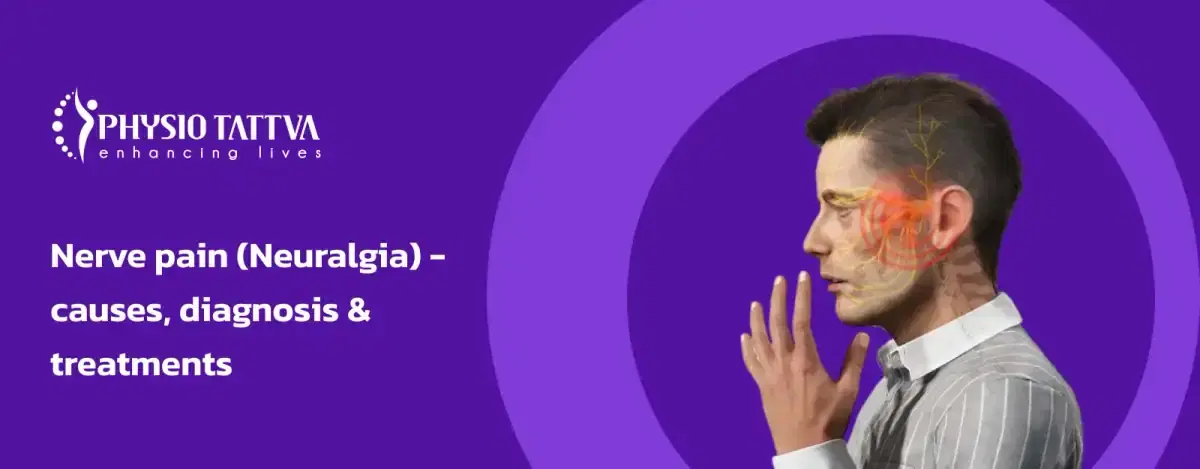
Nerve pain, or neuralgia, can happen for several reasons. Sometimes, it’s due to an injury that damages the nerves. Other times, conditions like diabetes, infections, or multiple sclerosis can cause nerve pain. Even certain medications or treatments, like chemotherapy, might lead to neuralgia. When you have nerve pain, you might feel sharp, burning, or stabbing sensations, which can be pretty uncomfortable and impact your daily life.
 Neuro Condition17 June 2026
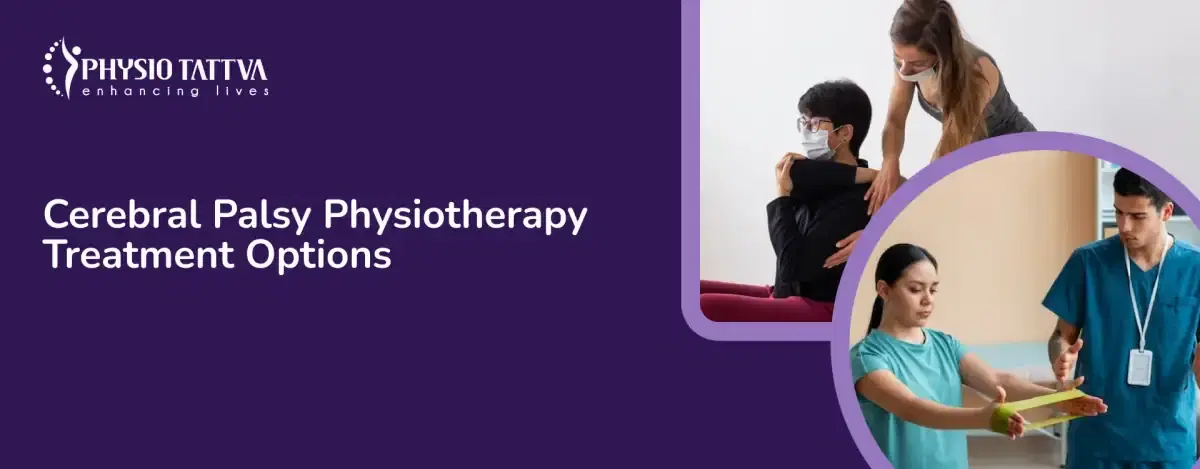
Physical therapy plays a pivotal role in enhancing the lives of individuals with cerebral palsy by focusing on improving mobility, muscle strength, and coordination. Through…
 Neuro Condition20 May 2026
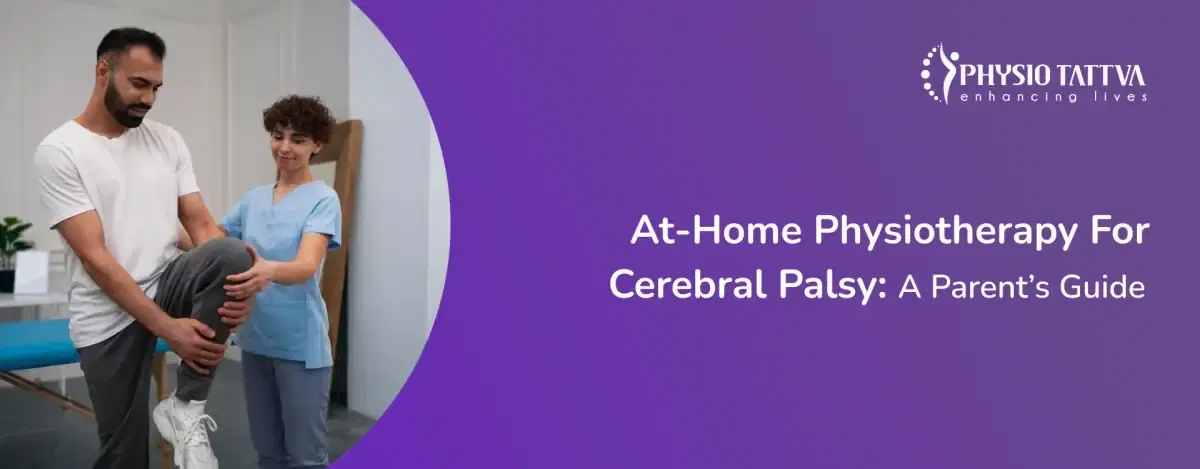
Regular exercise plays a pivotal role in managing cerebral palsy by improving muscle strength, flexibility, and overall mobility. Exercises can enhance coordination, balance, and posture, mitigating the impact of motor impairments. Consistent physical activity stimulates neural connections, aiding in motor skill development and enhancing independence in daily activities.
 Neuro Condition31 October 2025
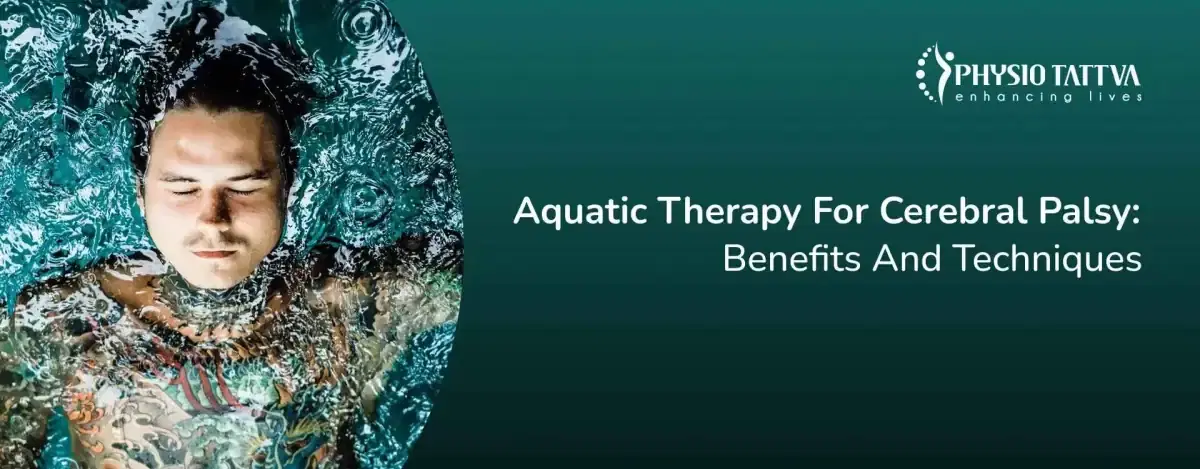
Aquatic therapy offers several benefits for individuals with cerebral palsy , enhancing motor skills and overall well-being. Water immersion reduces gravitational stress, enabling…
- Neuro Condition17 June 2026
Cerebral palsy (CP) presents a spectrum of movement and muscle tone impairments, impacting thousands of individuals globally. Physical therapy stands as a cornerstone in managing…
 Neuro Condition17 June 2026
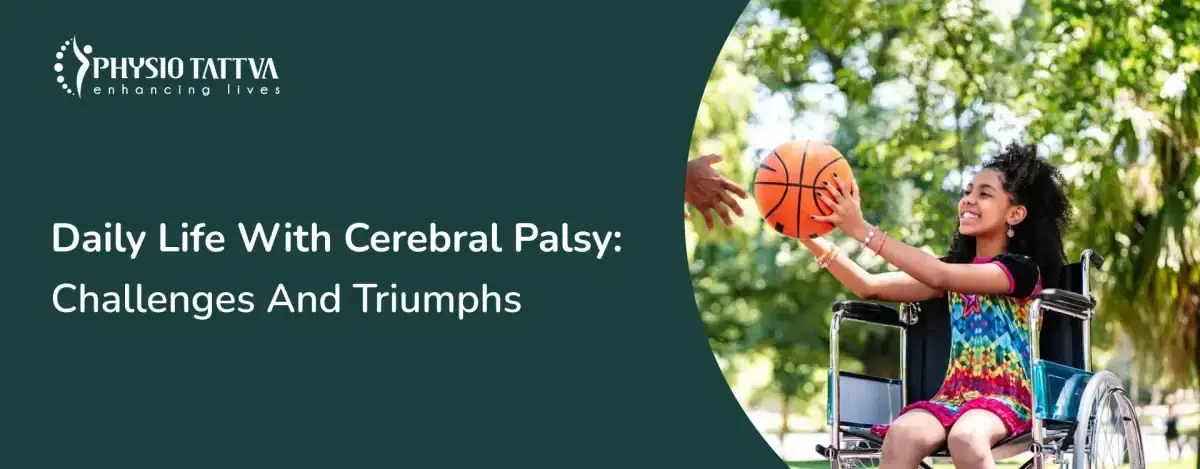
Living with cerebral palsy presents a unique journey marked by resilience, determination, and triumphs amidst challenges. This condition, affecting movement and muscle…
 Neuro Condition31 October 2025
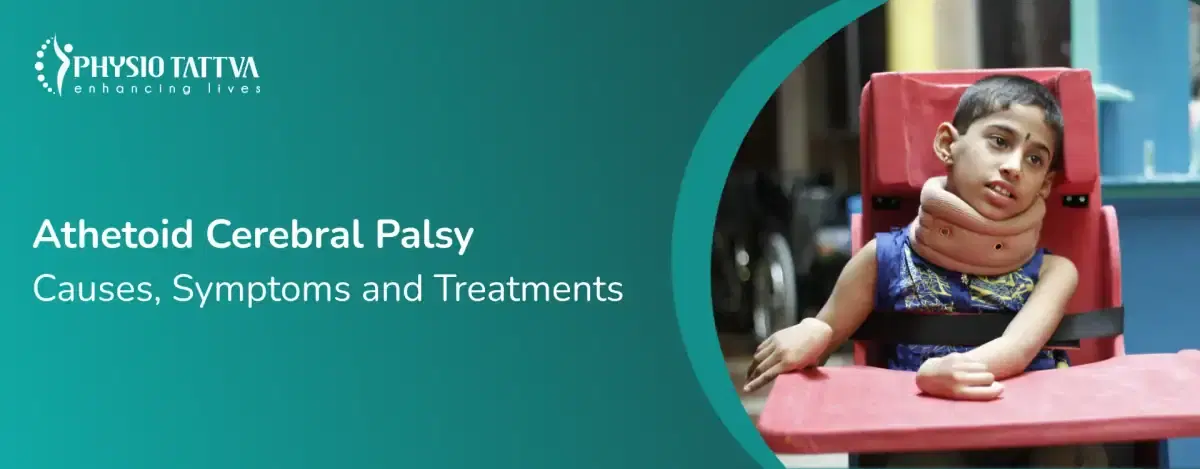
Athetoid cerebral palsy unveils a distinct aspect of this neurological condition, characterised by involuntary and uncontrolled movements. It emerges from brain damage affecting…
 Neuro Condition31 October 2025
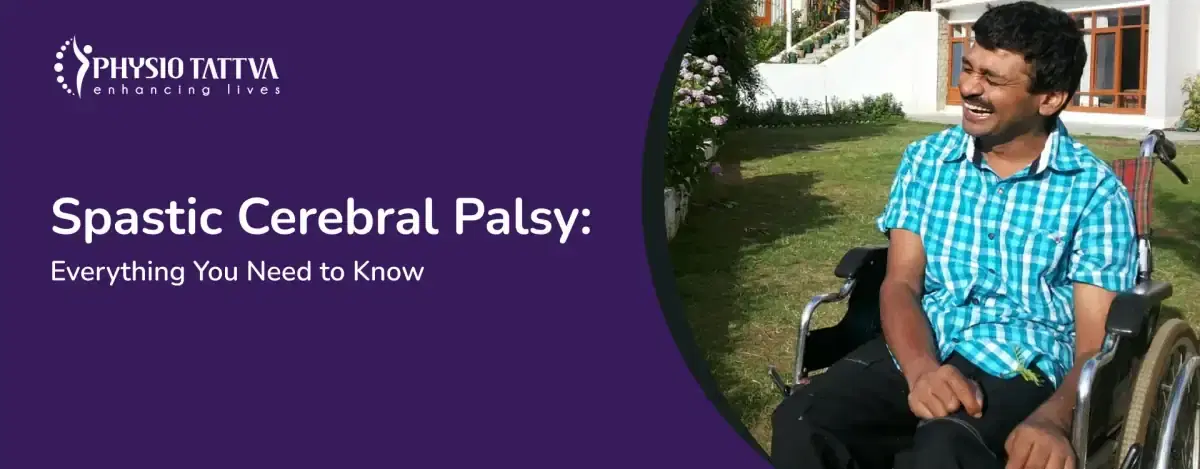
Spastic cerebral palsy, a prevalent form of CP, is characterised by increased muscle tone, leading to stiffness and difficulties in movement. The condition stems from brain damage…
 Neuro Condition19 June 2026
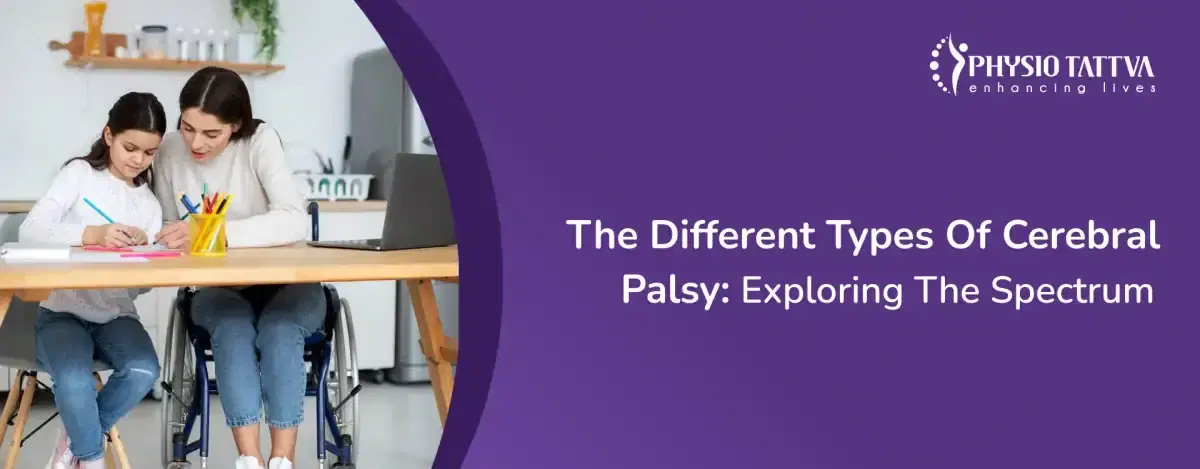
Cerebral palsy encompasses spastic, dyskinetic, ataxic, and mixed types, each presenting unique movement challenges. Understanding this spectrum aids in tailoring therapies, addressing muscle stiffness, involuntary movements, coordination issues, and diverse symptoms for better management
 Neuro Condition31 October 2025
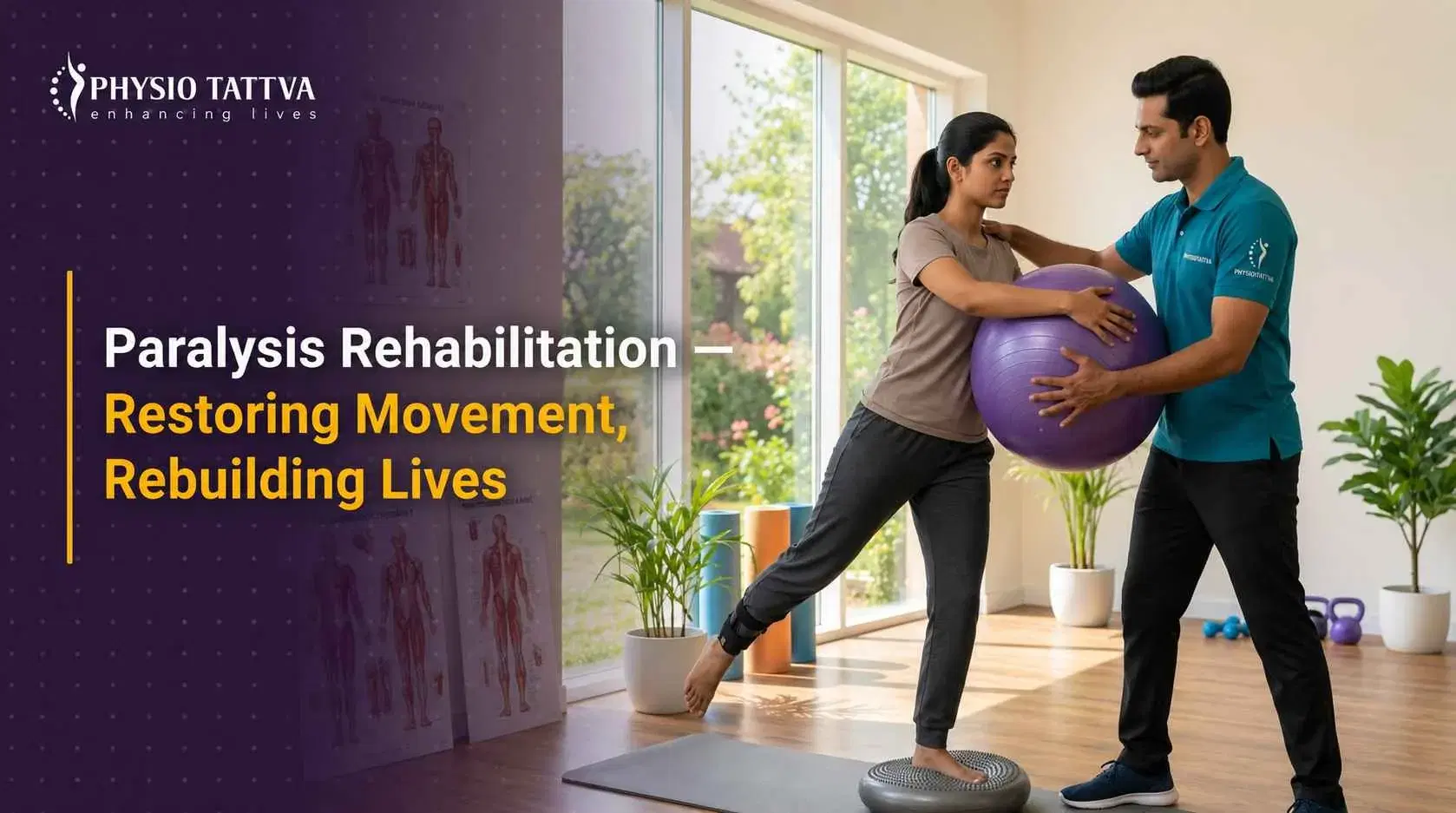
Paralysis is the loss or impairment of muscle function and voluntary movement in part or all of the body, often resulting from nervous system damage, like spinal cord injuries or strokes. However, the journey towards recovery and improved quality of life often begins with the right physiotherapy program. Physiotherapy plays a crucial role in paralysis rehabilitation by addressing mobility, function, and quality of life. Therapists create personalised exercise and treatment plans to improve coordination, muscle strength, and range of motion. They also employ assistive devices and techniques to enhance independence. Through consistent therapy sessions, individuals with Paralysis can achieve improved physical abilities, greater self-confidence, and higher overall well-being, making physiotherapy an integral part of their recovery journey.
 Neuro Condition31 October 2025
Physiotherapy offers numerous benefits for individuals with paralysis. It enhances muscle strength, improving mobility and independence. Tailored exercises help prevent muscle atrophy and joint contractures. Physiotherapy also aids in pain management, reducing discomfort often associated with paralysis. Additionally, it fosters better circulation and respiratory function, reducing the risk of complications. Beyond the physical benefits, it provides emotional support, boosting confidence and overall well-being. Overall, physiotherapy plays a vital role in enhancing the quality of life for those living with paralysis.
 Neuro Condition31 October 2025
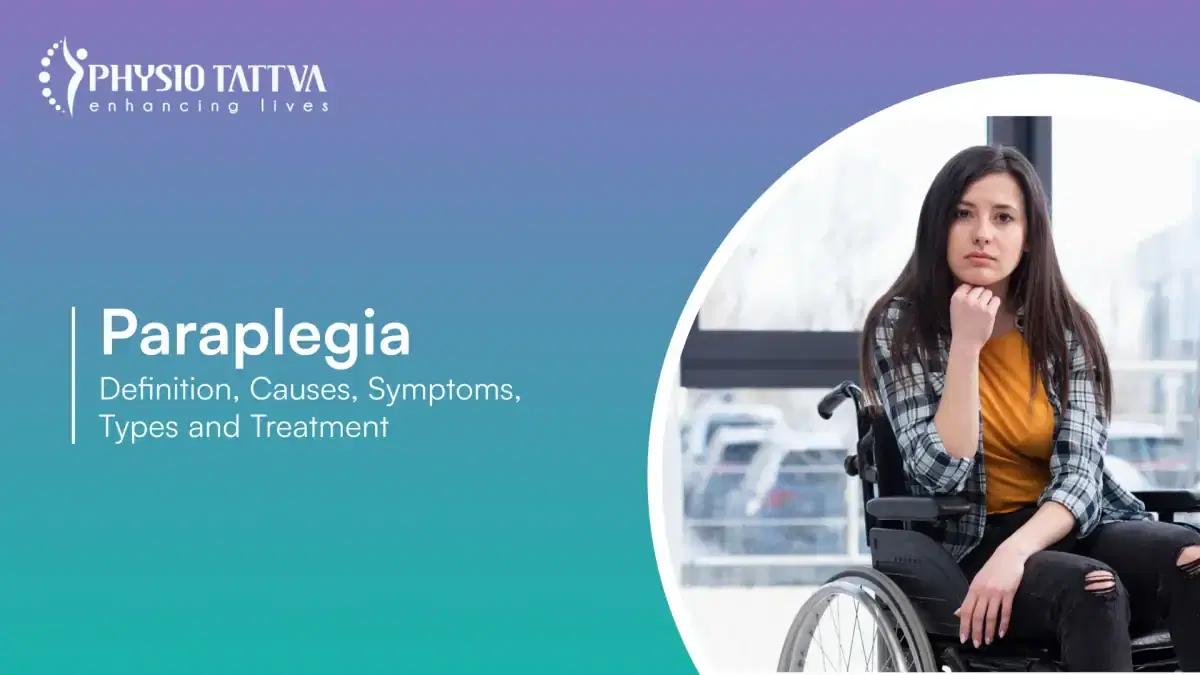
A paraplegia is characterised by the loss of motor, sensory, and limb function in the lower half of the body. In most cases, it results from spinal cord damage, such as trauma, accidents, or diseases that affect the spinal cord, such as strokes, back injuries, and multiple sclerosis.
 Neuro Condition16 June 2026
Explore ways to establish a secure setting for individuals with Parkinson's disease, including practical advice and strategies to promote their safety, welfare, and self-sufficiency.
 Neuro Condition17 June 2026
Empower yourself against Parkinson's: Learn how staying active can improve symptoms and enhance quality of life. Get valuable tips from Parkinson's experts.
 Neuro Condition16 June 2026
Learn about the role of physiotherapy in managing Parkinson's Disease and find out the benefits of physiotherapy in managing this condition.
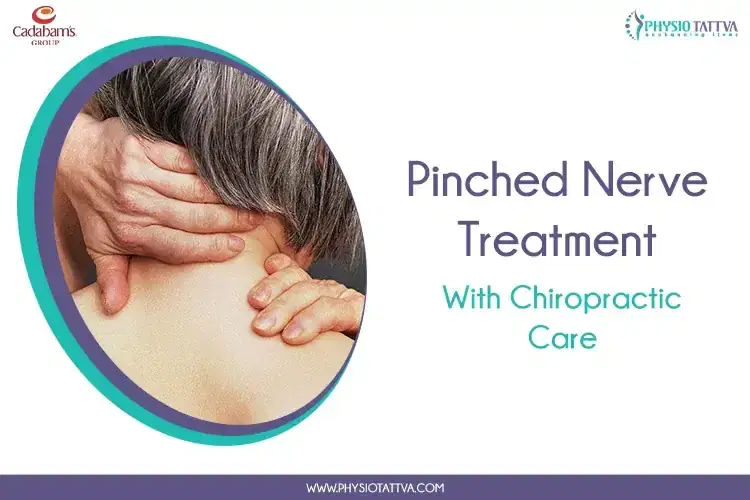 Neuro Condition10 November 2025
A pinched nerve can be painful, limiting mobility and disturbing normal life, but the good news is that chiropractic care offers a proven, non-invasive treatment option. By correcting spinal misalignment and relieving nerve pressure, chiropractors help restore normal function without surgery or long-term medication.
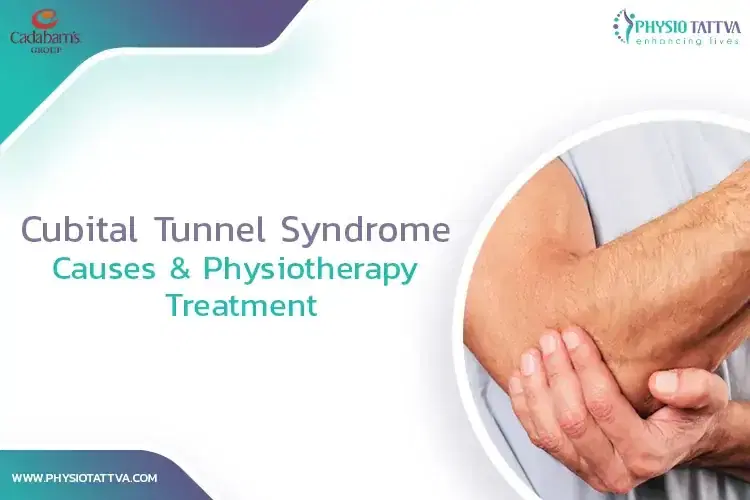 Neuro Condition31 October 2025
Cubital Tunnel Syndrome occurs when the nerve known as the ulnar nerve, that passes near the elbow is compressed or restricted due to reasons such as stress, and muscle tear and results in the numbness of the hand, forearms, and fingers. It can result in irritation, loss of sensation, and muscle weakness if not treated.
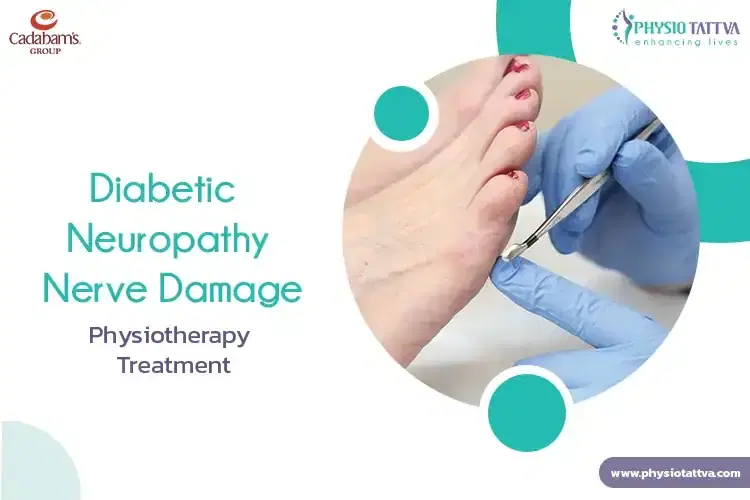 Neuro Condition31 October 2025
As the name suggests, Diabetic Neuropathy occurs when there is damage to the nerves of a person who is diabetic. It often affects the nerves in the feet and hands of the person and can also occur in other parts of the body.
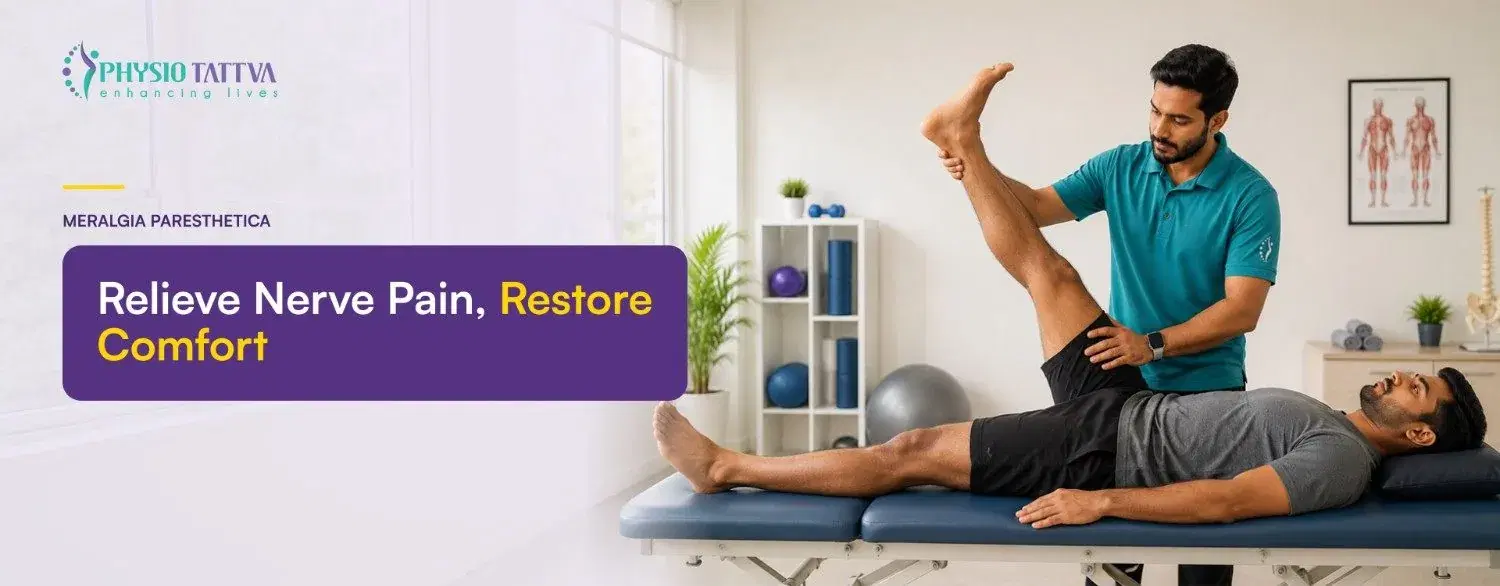 Neuro Condition17 November 2025
Meralgia Paresthetica is a medical condition that causes a burning sensation in the outer thigh. This is a result of the lateral femoral cutaneous nerve (LFCN) having too much pressure being applied on it or there is damage to it.
 Neuro Condition28 December 2025
Bell’s palsy is a nervous disorder that causes one side of the face to droop. Also known as Idiosympathic Facial Paralysis, Bell's palsy is characterised by muscle weakness in one side of the face owing to paralysis of the facial nerve.
 Neuro Condition10 November 2025
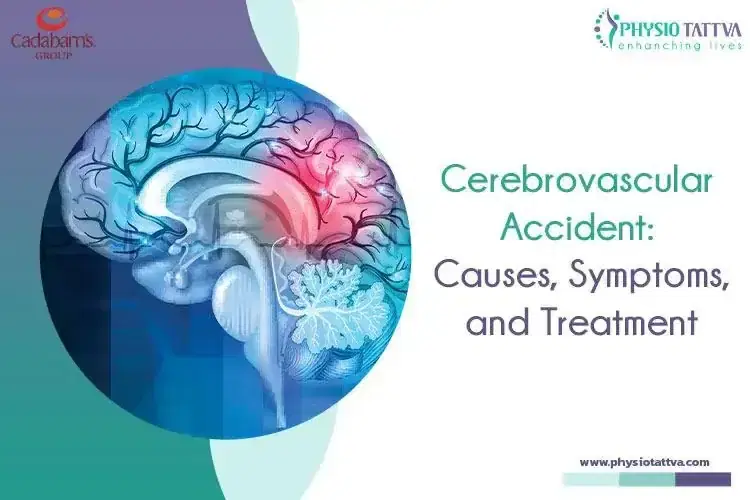
A cerebrovascular accident is a medical emergency that requires immediate attention. Early diagnosis and treatment greatly improve the chances of recovery and reduce the risk of long-term disability.
Start with an assessment
We measure what you've lost, find the cause, and set out a plan with a target and a timeline.
- Call us+91 89510 47001
- Email usinfo@physiotattva.com
- Visit a clinic24 clinics across Bangalore, Hyderabad and Visakhapatnam
- Or stay homePhysiotherapy at home