What Is Medical Rehabilitation and Who Needs It?
Medical rehabilitation is a specialised branch of medicine designed to improve and restore functional ability and quality of life for those with physical impairments or disabilities. These comprehensive rehabilitation services help individuals regain independence after an injury, illness, or surgery through a patient-centered, goal-oriented approach.
What are the Main Types of Medical Rehabilitation?
Medical rehab is a broad field that encompasses several specialised services. A comprehensive medical rehabilitation center will tailor a program using one or more of these therapies:
- Physiotherapy: Focuses on restoring movement, strength, and function.
- Occupational Therapy: Helps individuals perform daily activities (ADLs) safely and independently.
- Speech-Language Therapy: Addresses communication, cognitive, and swallowing disorders.
- Neuro Rehabilitation: Specialised care for neurological conditions like stroke or brain injury.
- Cardiac Rehabilitation: A supervised program to help people recover from heart attacks or surgery.
Who Needs Medical Rehabilitation Services?
Rehab medical programs are beneficial for a wide range of individuals. You may need rehabilitation if you are:
- An individual recovering from major surgery, like a joint replacement.
- A patient who has experienced a stroke or traumatic brain injury.
- A person living with chronic pain or musculoskeletal conditions.
- Someone with a neurological disorder like Parkinson's or Multiple Sclerosis.
- An athlete recovering from a sports-related injury.
What are the Benefits of Medical Rehabilitation?
Engaging in a structured med rehab program offers numerous advantages that go beyond simple recovery. The primary benefits include:
- Restores physical function and mobility.
- Reduces chronic pain and dependence on medication.
- Improves overall strength, balance, and coordination.
- Enhances independence in daily life and activities.
- Prevents future injuries or secondary health complications.
- Boosts mental and emotional well-being.
What Should I Expect During a Medical Rehabilitation Session?
Your journey at a medical rehabilitation center follows a structured and supportive path. Here is what you can typically expect:
- A thorough initial assessment to understand your condition, limitations, and goals.
- Development of a personalised treatment plan by a multidisciplinary team.
- Guided therapeutic exercises to improve your strength, flexibility, and endurance.
- Hands-on manual therapy techniques from skilled therapists to alleviate pain.
- Education on your condition and a customised home exercise program.
- Regular progress reviews to adjust your treatment plan for optimal results.
Are There Risks Associated with Medical Rehabilitation?
Most rehabilitation services are extremely safe when performed by qualified professionals. However, some minor effects can occur.
- Patients may experience temporary muscle soreness or fatigue a day after sessions.
- There is a small risk of aggravating an injury if exercises are performed with improper form.
- Patients with severe cardiovascular issues or unstable fractures should receive medical clearance before starting an intensive med rehab program.
Why Choose Physiotattva as Your Medical Rehabilitation Center?
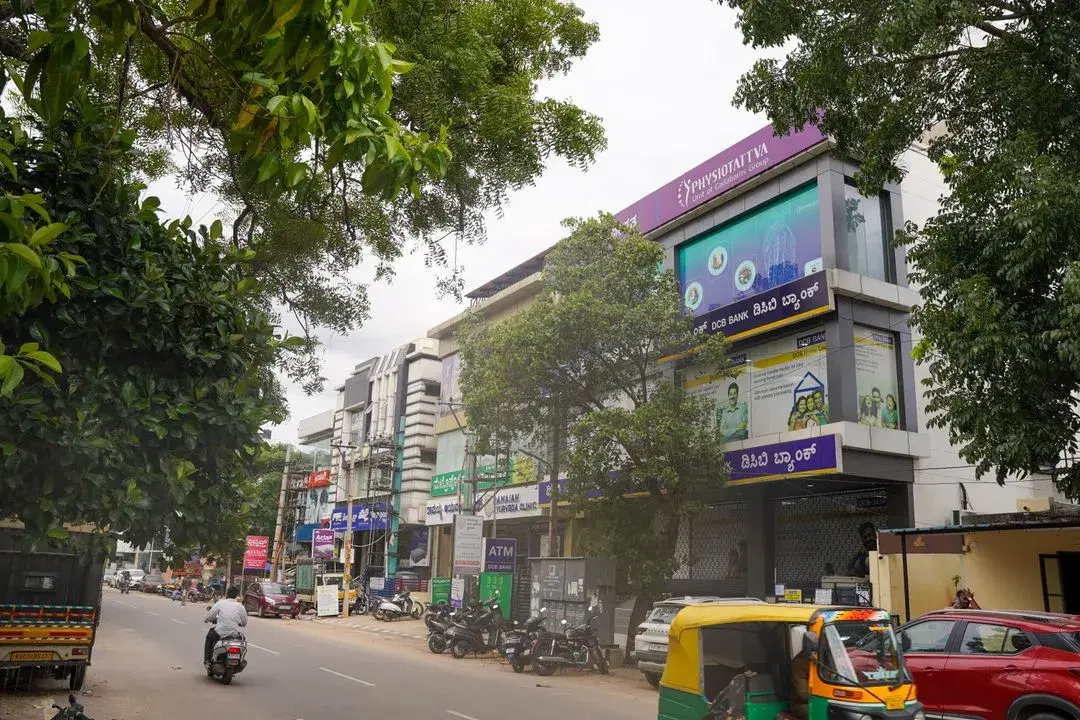
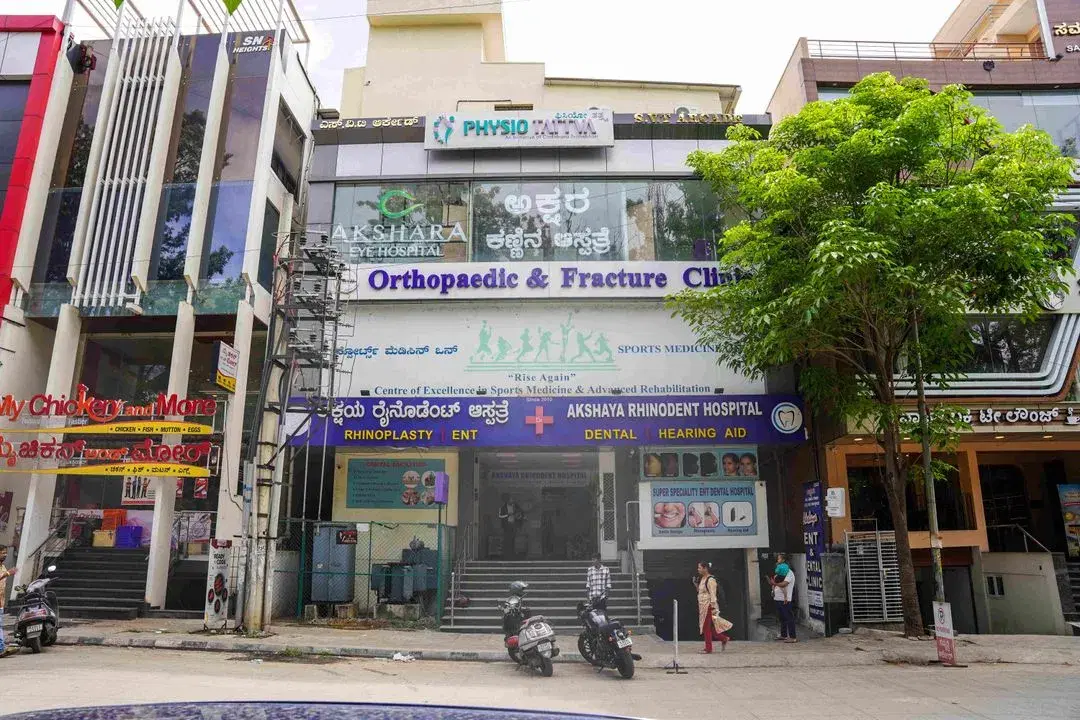
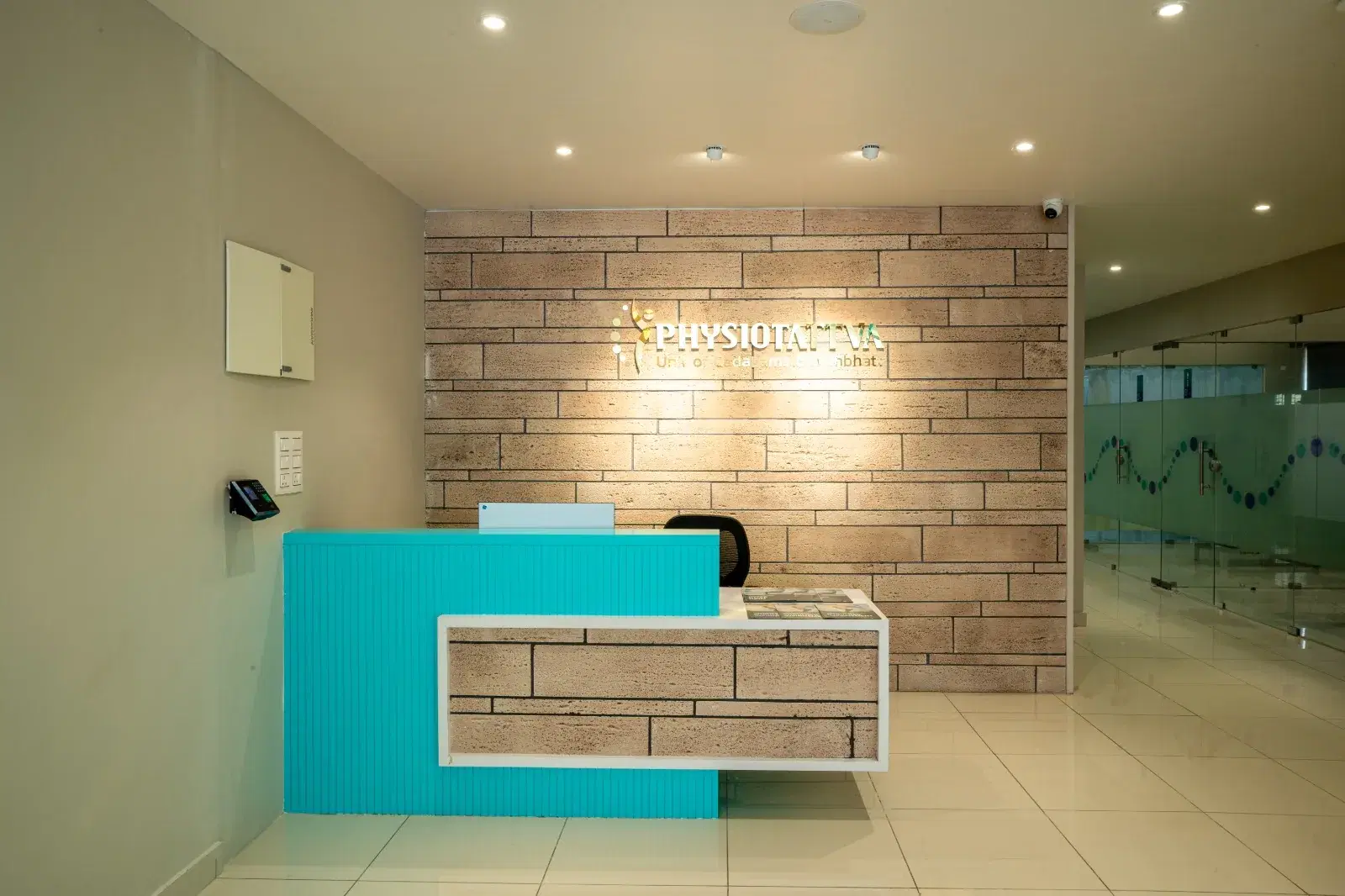
Searching for "medical rehab facilities near me" in Bangalore or Hyderabad? Physiotattva stands out as a premium provider of comprehensive and compassionate care.
- Expert Team: Our certified physiotherapists and specialists create effective, tailored recovery plans.
- Advanced Technology: We utilise state-of-the-art equipment to ensure you receive the best care.
- Comprehensive Care: We offer a full spectrum of services, from general physiotherapy to specialised neuro rehabilitation.
- Patient-First Approach: Your goals are our priority. We provide one-on-one care focused on your recovery.
- Convenient Locations: With multiple clinics across Bangalore and Hyderabad, expert care is always within reach.
Ready to start your recovery journey? Schedule a consultation with Physiotattva's rehabilitation specialists today and regain your independence.
Frequently Asked Questions About Medical Rehabilitation
1. What does a medical rehabilitation specialist do?
A rehab specialist diagnoses and treats injuries or illnesses to improve function and reduce pain. They create personalised treatment plans using therapies like exercise, manual techniques, and patient education to help you achieve your goals.
2. How long does medical rehabilitation take?
The duration varies greatly depending on the individual's condition, severity, and health goals. It can range from a few weeks for minor injuries to several months or longer for complex neurological conditions.
3. Is medical rehabilitation covered by insurance?
Many insurance plans cover rehabilitation services, especially when prescribed by a doctor. It is always best to check directly with your insurance provider to understand the specifics of your coverage for a med rehab program.
4. What is the difference between rehab and physical therapy?
Rehabilitation is a broad term for recovering from injury or illness, which includes multiple services. Physical therapy is a specific and vital type of rehabilitation service focused on restoring movement and physical function.
5. Can I do medical rehabilitation at home?
Yes, home-based rehabilitation is an excellent option for patients who have difficulty travelling. This can be delivered through therapist home visits or tele-rehabilitation, ensuring continuous care in a comfortable environment.
6. Where can I find a good medical rehabilitation center in Bangalore?
Physiotattva is a premier medical rehabilitation center with multiple clinics across Bangalore. We provide comprehensive and personalised care, from physiotherapy to advanced neuro rehab, to help you achieve your recovery goals.