




Sciatica
Sciatica refers to nerve pain occurring due to an irritation or injury to the sciatic nerve. The condition mostly occurs when a bone spur or a herniated disk on the spine compresses a part of the sciatic nerve.
Radiculopathy is a nerve compression condition that affects the spine, leading to radiating pain, numbness, tingling, or muscle weakness in the arms or legs. Early diagnosis and targeted neuro physiotherapy play a crucial role in relieving symptoms, restoring nerve function, and preventing long-term complications. This article explains the types, causes, and physiotherapy-based management of radiculopathy in detail.
Experiencing shooting pain, tingling, or weakness? Radiculopathy is a nerve compression condition affecting the spine. Explore symptoms, causes, and how Physiotattva’s specialised physiotherapy and neuro rehab programs help manage pain and improve nerve function effectively.
Radiculopathy is a nerve-related condition that occurs when a spinal nerve root becomes compressed or irritated as it exits the spinal column. Commonly referred to as a “pinched nerve,” radiculopathy disrupts normal nerve function and can cause pain, numbness, tingling, or muscle weakness along the path of the affected nerve. Symptoms often radiate from the neck into the arm or from the lower back into the leg, depending on the location of the compression. As a form of neuro radiculopathy, early understanding and targeted physiotherapy play a key role in relieving symptoms, restoring movement, and preventing long-term nerve damage.
The symptoms of radiculopathy are directly linked to the location of the pinched nerve along the spine. Your experience of pain and neurological symptoms helps specialists pinpoint which nerve root is affected, guiding a precise diagnosis and treatment plan.
This type occurs when a nerve root in the neck (cervical spine) is compressed. The symptoms don't just stay in the neck; they often radiate into the shoulder, down the arm, and even into the hand and fingers. It is a very common cause of radiculopathy shoulder pain, which can be accompanied by numbness, tingling, or weakness in the bicep, tricep, or hand muscles.
A much less common form, thoracic radiculopathy, involves a pinched nerve in the upper or mid-back (thoracic spine). Symptoms typically manifest as a sharp, burning, or band-like pain that wraps around the chest or abdomen. Due to its location, this pain can sometimes be mistaken for more serious issues like heart, lung, or gallbladder problems.
This is the most frequent type of radiculopathy, affecting the lower back (lumbar spine). It is widely known by its common name: sciatica. When a nerve root in the lumbar region is compressed, it causes pain, numbness, and other neurological symptoms that radiate from the lower back, through the buttocks, and down the back of the leg, sometimes reaching all the way to the foot.
In some complex cases, an individual may experience compression of more than one nerve root at the same time. This condition, known as multiple radiculopathy, can result in widespread and overlapping symptoms that affect different parts of the body simultaneously, making a precise diagnosis even more critical.
Radiculopathy is not a disease in itself but rather a symptom of an underlying mechanical problem in the spine. Understanding that radiculopathy is due to one of these structural issues is key to effective treatment.
This is the most common cause of radiculopathy, especially in younger to middle-aged adults. The spinal discs have a soft, gel-like center and a tough outer layer. When a tear occurs in the outer layer, the soft interior can push through and press directly on an adjacent nerve root.
Spinal stenosis is a gradual narrowing of the spinal canal, the hollow space that contains the spinal cord and nerve roots. This narrowing reduces the available space for the nerves, leading to compression, irritation, and pain. It is most often caused by age-related wear and tear.
As the spine ages and joints degenerate, the body may attempt to stabilize the area by growing extra bits of bone called bone spurs. While intended to be helpful, these osteophytes can grow into the foramina (the openings where nerves exit the spine), pinching the nerve roots.
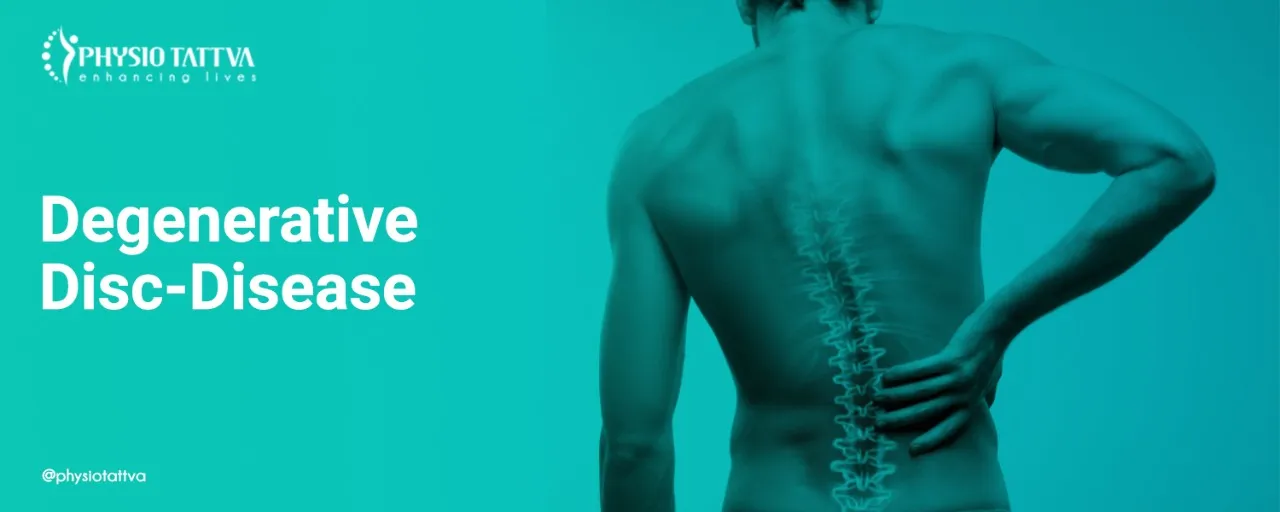
Over decades, spinal discs can naturally lose hydration, shrink, and become less flexible. This process, known as degenerative disc disease, causes the disc space to collapse, narrowing the nerve passageways and leading to nerve root compression.
If radiculopathy is not addressed early, ongoing nerve compression can lead to several complications, including:
Physiotherapy is the cornerstone of effective, non-surgical treatment for radiculopathy. It focuses on not just relieving pain but also addressing the root mechanical cause of the nerve compression. An expert neuro rehabilitation program at Physiotattva is a proactive and restorative approach to lasting recovery.
The first goal is to provide immediate relief. Therapists use modalities like ultrasound, Interferential Therapy (IFT), heat, or cold packs to reduce inflammation around the nerve root and calm painful muscle spasms.
Skilled physiotherapists use hands-on techniques to gently mobilise stiff spinal joints. These techniques can help create more space around the nerve exit points, directly reducing the pressure on the irritated nerve root and improving mobility.
A customized exercise regimen is crucial for long-term health. These exercises are designed to strengthen the deep core, pelvic, and back muscles that support the spine. A stronger, more stable spine is less susceptible to the forces that cause nerve compression.
Your therapist will teach you specific, gentle movements designed to help the compressed nerve "glide" or "floss" more freely within its pathway. This reduces irritation, improves blood flow to the nerve, and can significantly decrease symptoms like numbness and tingling.
Living with nerve pain can be challenging, and support from family plays a vital role in recovery. You can help in the following ways:
Selecting the right neuro rehabilitation centre plays a crucial role in effectively managing radiculopathy and preventing long-term nerve complications. When evaluating your options, consider the following:
Radiculopathy can significantly impact daily life, but with early diagnosis and the right physiotherapy-led neuro rehabilitation approach, long-term relief is achievable. Targeted treatment not only reduces nerve pain and inflammation but also restores movement, strength, and spinal stability.
At Physiotattva physiotherapy clinics in Bangalore and Hyderabad, you receive personalised care tailored to your specific needs, ensuring effective results and comfort throughout your journey to recovery.
Don’t wait to start your recovery! Get in touch with Physiotattva for more details! Contact us at +91 89510 47001.


.webp)


.webp)

.webp)


.webp)

.webp)
.webp)
.jpeg)




%20(1)-p-3200.jpeg)


.jpg)
.webp)
.webp)
.webp)