Thoracic Outlet Syndrome (TOS)

Thoracic Outlet Syndrome (TOS)

Unexplained pain, numbness, or weakness that radiates from the neck and shoulder into the arm and hand may indicate Thoracic Outlet Syndrome (TOS), rather than a simple muscle strain. TOS is a complex condition caused by compression of nerves or blood vessels in the thoracic outlet region. This article explains its meaning, causes, and treatment options, and highlights how expert physiotherapy at Physiotattva helps relieve symptoms and restore function for long-term quality of life.

Thoracic Outlet Syndrome is a nerve and blood vessel compression condition affecting the neck, shoulder, and arm. Targeted physiotherapy helps relieve pressure, reduce pain, and restore movement by correcting posture, improving muscle balance, and addressing the underlying cause of symptoms.

What is Thoracic Outlet Syndrome (TOS)?

To understand this TOS medical condition, we first need to define the thoracic outlet. This is the narrow space between your collarbone (clavicle) and your first rib. Crucial nerves and blood vessels pass through this passageway from your neck to your arm. Thoracic outlet compression syndrome occurs when these structures are compressed, squeezed, or irritated, leading to a variety of disruptive symptoms. It’s a condition that demands precise diagnosis because its symptoms can often be mistaken for other neck or shoulder problems.

The Anatomy of the Thoracic Space

This section of the body, encompassing the thoracic inlet and thoracic outlet, is a busy anatomical corridor. It is bordered by the clavicle (collarbone) above, the first thoracic rib below, and the powerful scalene muscles on the sides of the neck. Any change in the size or position of these boundaries can reduce the available space, putting the neurovascular structures that pass through it at risk of compression.

The Structures That Can Be Compressed

The symptoms of TOS depend entirely on which structures are being compressed. There are three primary components that can be affected:

  • The Brachial Plexus: A complex network of nerves originating from the neck that controls muscle movement and sensation in the shoulder, arm, and hand.
  • The Subclavian Artery: A major artery that supplies oxygenated blood to the arm.
  • The Subclavian Vein: A major vein that carries deoxygenated blood from the arm back to the heart. Compression of these structures leads to the different clinical features of thoracic outlet syndrome.

Thoracic Outlet Syndrome Meaning

Thoracic Outlet Syndrome (TOS) refers to a group of conditions caused by compression of nerves or blood vessels in the space between the neck and upper chest. Rather than being a single disease, it describes a cluster of symptoms that stem from the same underlying problem. Many people initially experience it as persistent shoulder or arm nerve pain that does not improve with usual treatments.

Common Causes of Thoracic Outlet Syndrome

The compression that defines what is Thoracic Outlet Syndrome doesn't happen without a reason. It is typically caused by factors that reduce the space within the thoracic outlet, putting pressure on the nerves and/or blood vessels.

Physical Trauma

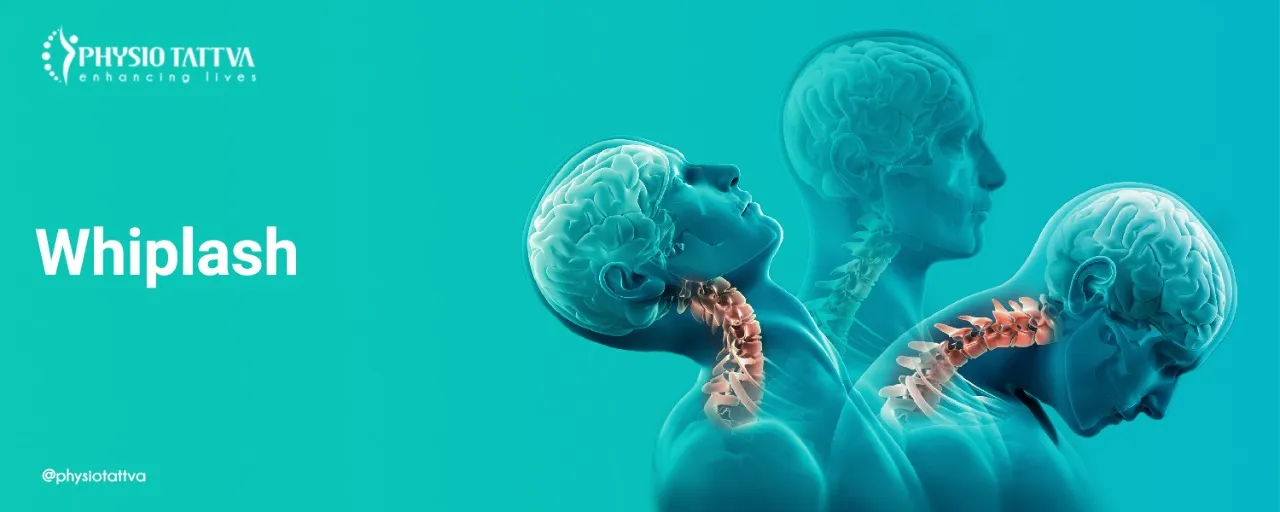
A sudden injury from a car accident (especially whiplash), a fall onto the shoulder, or another traumatic event can cause internal changes. This might include a fractured clavicle or scarring of the scalene muscles, which can narrow the thoracic outlet and lead to TOS.

Repetitive Strain or Overuse

Certain occupations or sports that involve repetitive overhead arm movements—like swimming, painting, stocking high shelves, or even working as a hairstylist—can cause inflammation and enlargement of the muscles and ligaments in the thoracic outlet, leading to compression over time.

Anatomical Abnormalities

Some individuals are born with anatomical variations that predispose them to thoracic inlet syndrome. The most common example is a cervical rib—an extra rib that extends from the base of the neck, further crowding the space.

Poor Posture

This is a major contributing factor. Consistently slouching, carrying a heavy backpack, or holding your head in a forward position (often called "tech neck") can cause the shoulders to droop and round forward, compressing the entire thoracic outlet area.

Risk Factors for Thoracic Outlet Syndrome

While Thoracic Outlet Syndrome can affect anyone, certain factors increase the likelihood of developing this condition:

  • Occupation and activities: Jobs involving heavy lifting, prolonged computer work with poor ergonomics, or repetitive overhead arm movements raise the risk. Athletes in sports such as baseball, volleyball, and weightlifting are particularly susceptible.
  • Gender and age: TOS is more commonly diagnosed in women and typically affects adults between 20 and 50 years of age, possibly due to anatomical and hormonal differences.
  • Body habitus: Obesity can place additional strain on the neck and shoulder structures, while very muscular builds with enlarged chest and neck muscles may reduce the available space in the thoracic outlet.

Clinical Evaluation and Diagnostic Approach for Thoracic Outlet Syndrome

A definitive diagnosis for what is TOS can be challenging, as its symptoms often mimic other conditions like carpal tunnel syndrome or a herniated disc. A thorough evaluation by a skilled physiotherapist or physician is essential.

  • Physical examination and provocative manoeuvres: A specialist performs specific tests such as Adson’s test or the Roos stress test to deliberately reproduce symptoms by temporarily compressing the thoracic outlet, helping identify the source of nerve or vessel involvement.
  • Review of symptoms and medical history: The diagnostic process begins with a detailed discussion of symptom patterns, including pain location, numbness, weakness, duration, and activities or postures that trigger or worsen symptoms.
  • Diagnostic imaging and nerve studies: X-rays may be used to detect cervical ribs or bony abnormalities, MRI scans help assess soft tissue compression, and nerve conduction velocity (NCV) tests evaluate nerve function and rule out other entrapment conditions.

Role of Neuro-Physiotherapy in TOS Treatment

Physiotherapy is the cornerstone of conservative treatment for most TOS cases, especially the common Neurogenic type. The primary goal is to relieve compression by correcting the underlying musculoskeletal issues.

  • Targeted stretching and strengthening: Bespoke exercise programmes focus on stretching tight chest and neck muscles (pectoralis minor, scalenes) while strengthening weak upper-back muscles (rhomboids, lower trapezius) to improve posture and reduce thoracic outlet compression.
  • Postural re-education and ergonomics: Patients receive guidance on correct sitting, standing, and sleeping posture, along with workspace ergonomics, to prevent symptom recurrence and support long-term recovery.
  • Manual therapy techniques: Hands-on interventions such as soft-tissue mobilisation and joint mobilisation of the first rib, clavicle, and thoracic spine help release tight structures and create more space within the thoracic outlet.

How to Care for a Loved One with Thoracic Outlet Syndrome?

Supporting a friend or family member with a chronic pain condition like TOS can make a significant difference in their recovery journey.

  • Encourage consistency with physiotherapy: Gently remind your loved one to follow their prescribed exercises and stretches daily, as regular physiotherapy is essential for correcting posture and relieving nerve compression.
  • Help modify the home environment: Support ergonomic changes such as adjusting chair height, improving workstation setup, or keeping frequently used items within easy reach to minimise symptom-triggering movements.
  • Offer empathy and emotional support: Chronic nerve pain can be mentally exhausting. Be patient, listen without judgement, and provide reassurance to help them stay motivated throughout recovery.

Factors to Consider While Choosing the Right Rehab Centre for TOS

Selecting the right healthcare partner is critical for effectively managing a complex condition like TOC syndrome. The expertise of your provider directly impacts your recovery outcome.

  • Specialists in neuro-musculoskeletal conditions: Choose a rehab centre with therapists trained in managing conditions that involve both nerve and musculoskeletal compression, ensuring accurate diagnosis and targeted treatment for TOS.
  • Customised, individualised treatment plans: Avoid centres that follow generic protocols. Effective TOS rehabilitation must be tailored to the specific type of TOS (neurogenic, venous, or arterial) and the root cause identified during assessment.
  • Comprehensive diagnostic capabilities: A quality centre invests time in detailed clinical evaluation, including provocative tests and thorough history-taking, to confirm TOS before starting treatment and prevent misdiagnosis.

Take the Next Step Towards Recovery from Thoracic Outlet Syndrome

Thoracic Outlet Syndrome can significantly impact daily comfort, mobility, and quality of life, but it is a highly manageable condition with the right approach. Early diagnosis, targeted neuro-physiotherapy, and consistent posture and movement correction play a crucial role in relieving nerve or vascular compression and preventing long-term complications. With a personalised rehabilitation plan and expert guidance, most individuals experience meaningful, lasting improvement.

At Physiotattva physiotherapy clinics in Bangalore and Hyderabad, you receive personalised care tailored to your specific needs, ensuring effective results and comfort throughout your journey to recovery. 

Don’t wait to start your recovery! Get in touch with Physiotattva for more details! Contact us at +91 89510 47001.

Frequently Asked Questions

What is the main difference between the TOS classifications?

FAQ Icon
The TOS classification depends on what is compressed. Neurogenic TOS (over 90% of cases) involves nerve compression, causing pain, tingling, and weakness. Venous TOS involves the subclavian vein, causing arm swelling and discoloration. Arterial TOS (the rarest) involves the subclavian artery, causing hand coldness and a weak pulse.

How long does physiotherapy for TOS take?

FAQ Icon
Recovery varies widely depending on the severity and duration of symptoms. With consistent physiotherapy and lifestyle changes, many people see significant improvement in 8-12 weeks. More chronic cases may require longer-term management.

I’ve heard of “cerebellar thoracic outlet syndrome.” What does it mean?

FAQ Icon
The term "cerebellar thoracic outlet syndrome" is not a medically recognised classification. TOS symptoms are confined to the neck, shoulder, arm, and hand. Cerebellar symptoms, which affect balance and coordination, would indicate a separate and distinct neurological issue that requires urgent medical investigation.

Is surgery ever needed for TOS?

FAQ Icon
Surgery is typically a last resort. It is reserved for severe cases, particularly Arterial TOS, or when months of dedicated conservative treatment, like physiotherapy, have failed to provide substantial relief for debilitating symptoms.

Related Conditions

Related Treatments

No items found.

Related Symptoms

No items found.

Related Therapies

No items found.

Our Professionals

No items found.
No items found.
No items found.

Related Blogs

No posts published yet.

Get In Touch

Valid number
Thank you! Your submission has been received!
Oops! Something went wrong while submitting the form.