Headaches on the Top of Your Head: Causes, Symptoms, and Treatments
Headaches on the top of your head can be annoying, to say the least and it can happen due to causes, including stress, dehydration, poor posture, or any underlying medical conditions. Stress often triggers muscle tension in the head and neck region, which can be painful. As a result of dehydration, blood flow and oxygen are reduced to the brain, causing pain. Poor posture, especially during prolonged activities, strains neck and scalp muscles, resulting in headaches.
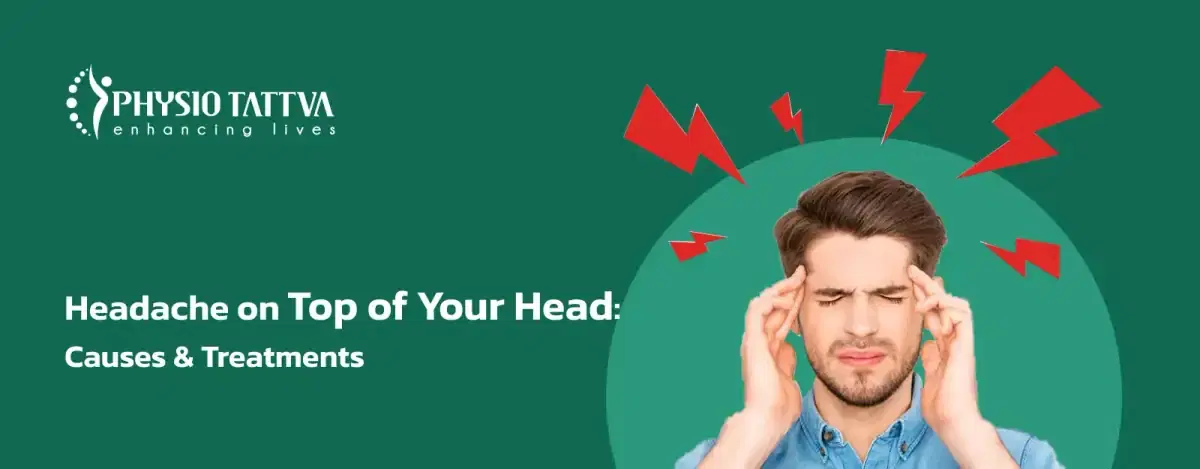
A headpain on top of the head can be annoying, to say the least, and may stem from various causes, including stress, dehydration, poor posture, or underlying medical conditions. This type of head pain on top is often linked to tension headaches, where muscle strain and stress combine to cause discomfort.
A throbbing headache on top of head may also result from dehydration, which reduces blood flow and oxygen to the brain. Poor posture, especially during long work hours can strain neck and scalp muscles, contributing to sharp pain on top of skull. These symptoms can be temporary or persistent, depending on lifestyle and underlying health issues. Staying hydrated, managing stress, maintaining good posture, and getting enough rest can help relieve pain naturally.
At Physiotattva, we offer tailored physiotherapy plans—including postural correction and relaxation therapy—to treat headache on top of head and dizziness effectively. This article explores the key causes, common triggers, and treatments that can help you find lasting relief.
Symptoms Requiring Immediate Attention
Seek emergency medical care if head pain on top is accompanied by:
- Sudden confusion or difficulty speaking: These may indicate neurological problems such as a stroke.
- Loss of consciousness or fainting: A serious warning sign of impaired brain function or internal bleeding.
- Weakness or numbness on one side of the body: Can signal a stroke or severe nerve impairment.
- Vision changes (blurred, double vision, or loss of vision): May be linked to increased pressure in the brain or vascular issues.
- High fever with stiff neck: Could suggest meningitis or a severe infection requiring urgent treatment.
- Persistent vomiting: A sign of brain swelling, head trauma, or increased intracranial pressure.
- The “worst headache of your life”: Sudden, severe, sharp pain on top of skull can indicate a brain aneurysm or haemorrhage.
If any of these symptoms appear, do not delay; immediate diagnosis can prevent life‑threatening complications.
Common Causes of Top of Head Headaches
In most cases, common causes of headaches on the top of your head include stress, dehydration, sleep deprivation, eye strain, and hormonal changes. Stress can trigger muscle tension, leading to pain. The lack of water in the body (dehydration) reduces blood flow and oxygen to the brain, causing headaches. Lack of sleep disrupts normal brain function, which can make it strenuous for the brain and cause phantom pains in the head. Eye strain from screens or reading can also cause headaches. Hormonal fluctuations, particularly in women, can trigger headaches as well.
Stress
Stress often leads to headaches on the top of your head due to muscle tension. When stressed, your body releases stress hormones, causing muscles in the neck and scalp to tighten. This tension results in head pain. Managing stress through relaxation techniques, exercise, and mindfulness can alleviate these headaches.
Dehydration
When you are dehydrated, your brain temporarily contracts due to fluid loss, causing the brain to pull away from the skull, leading to pain. Drinking adequate water throughout the day helps maintain hydration levels, preventing these headaches. Eating fruits and vegetables that are high in fluids can also help reduce dehydration.
Sleep Deprivation
Sleep deprivation can lead to head pain on the top of your head due to disrupted brain function and increased muscle tension. Lack of sleep affects the production of neurotransmitters, leading to heightened pain sensitivity. Establishing a regular sleep schedule, creating a comfortable sleep environment, and practising good sleep hygiene can help prevent these headaches.
Eye Strain
Eye strain from prolonged screen use, reading, or poor lighting can cause head pain on the top of your head. When your eyes work too hard, the muscles around them become fatigued, leading to headaches. To prevent eye strain, take regular breaks using the 20-20-20 rule: every 20 minutes, look at something 20 feet away for 20 seconds. Adjusting screen brightness, using proper lighting, and wearing corrective lenses if needed also help reduce eye strain and associated head pain.
Hormonal Changes
Hormonal changes, particularly in women, can trigger head pain on the top of your head. Fluctuations in estrogen levels during menstruation, pregnancy, or menopause can lead to headaches. These hormonal shifts affect neurotransmitter levels, increasing pain sensitivity. Managing hormonal headaches involves maintaining a healthy lifestyle, staying hydrated, and possibly using prescribed medications or hormonal treatments.
Sinus Infections or Allergies
Sinus infections or allergies can cause head pain on the top of your head due to inflammation and pressure in the sinus cavities. Blocked sinuses lead to increased pressure, which can radiate to the top of the head. Allergic reactions also contribute to sinus congestion and headache pain. Treating sinus infections with decongestants or antibiotics and managing allergies with antihistamines or avoiding triggers can alleviate these headaches.
Dental Problems
Dental problems, such as tooth infections or jaw issues, can cause head pain on the top of your head. Infection or inflammation in the teeth or jaw can radiate pain to the scalp. Misaligned teeth or dental grinding may also contribute to headaches. Dental issues are often ignored, but can be detrimental to chronic headaches, as there are nerve endings in the jaw that might be impacted due to poor dental health, which can cause headaches.
Side Effects of Medication
Certain medications can cause head pain on the top of your head as a side effect. Medications such as blood pressure drugs, hormonal treatments, or certain pain relievers may lead to headaches. If you experience persistent headaches after starting a new medication, consult your healthcare provider. They may adjust your dosage or prescribe alternative medications.
Rare Causes of Top of Head Headaches
While most headaches are caused by common factors like stress or dehydration, there are some rare and serious conditions that can also lead to headaches at the top of the head. Understanding these conditions is crucial, as they often require prompt medical attention.
Brain Tumours
Brain tumours can lead to severe headaches on the top of the head due to the pressure they exert on surrounding brain tissues. These headaches are often persistent and may be accompanied by symptoms like nausea, vomiting, or vision changes. Early diagnosis and treatment are essential for managing the condition and preventing complications.
Brain Aneurysm
A brain aneurysm occurs when a weakened blood vessel in the brain bulges or leaks, causing intense headaches, particularly at the top of the head. These headaches may come on suddenly and are often described as the worst headache of one’s life. Immediate medical attention is critical, as a ruptured aneurysm can lead to life-threatening conditions such as a stroke.
Brain Bleed
A brain bleed, or haemorrhage, involves bleeding within the brain tissue or between the brain and skull. It can cause severe headaches on the top of the head, often accompanied by symptoms like nausea, confusion, or loss of consciousness. Immediate medical attention is crucial. Treatment may involve surgery to relieve pressure, medications to manage symptoms, and close monitoring.
Effective Treatments for Headaches on Top of the Head
Treating headaches on the top of your head depends on the underlying cause. For tension or stress-related headaches, relaxation techniques and stress management are effective. Dehydration-related headaches can be relieved by increasing fluid intake. For headaches due to poor posture, correcting posture and ergonomic adjustments help. Over-the-counter pain relievers can provide temporary relief.
Over-the-Counter Medications
Over-the-counter (OTC) medications can help alleviate headaches on the top of your head. Common options include ibuprofen, acetaminophen, and aspirin. These medications reduce pain and inflammation, providing temporary relief. It’s important to follow dosage instructions and not exceed recommended limits. If headaches persist or worsen despite OTC treatment, consult a healthcare professional for further evaluation and potential alternative treatments.
Lifestyle Changes
Lifestyle changes can significantly reduce the frequency and severity of headaches on the top of your head. Staying hydrated, managing stress, maintaining a regular sleep schedule, and practising good posture are crucial. Reducing screen time and taking regular breaks can prevent eye strain. Incorporating regular exercise, a balanced diet, and relaxation techniques also contributes to overall headache prevention.
Physiotherapy for Head Pain
Physiotherapy can help manage head pain by addressing muscle tension, improving posture, and enhancing overall physical well-being. Techniques such as manual therapy, stretching exercises, and posture correction can alleviate discomfort caused by tension headaches and poor posture. Physiotherapists also provide guidance on ergonomics and stress management. Regular physiotherapy sessions can reduce the frequency and intensity of headaches.
Role of Physiotherapy in Alleviating Head Pain
Physiotherapy provides targeted care for head pain on top by addressing muscle imbalances and tension patterns that contribute to headaches. A physiotherapist evaluates posture, neck mobility, and muscle tightness to create a personalised program that supports long‑term relief.
What physiotherapy may include:
- Manual therapy to release tight neck and scalp muscles
- Posture correction to reduce strain during daily activities
- Neck and upper‑back strengthening exercises to improve support for the head and cervical spine
- Stretching routines to relieve tension in overworked muscles
- Breathing and relaxation techniques to reduce stress‑induced discomfort
Physiotherapy not only helps reduce current symptoms like throbbing headache on top of head but also lowers the likelihood of recurrence by improving overall neuromuscular function and physical resilience.
Prevention Tips for Head Pain on Top of Head
Implementing small lifestyle changes can help prevent headaches on the top of your head and reduce their severity over time.
- Stay Hydrated: Dehydration is a common cause of head pain. Drink enough water throughout the day, especially in hot weather or after exercise.
- Practice Good Posture: Poor posture puts strain on neck and upper back muscles. Sit upright, keep screens at eye level, and avoid hunching over for long periods.
- Manage Stress Effectively: Stress can cause tension headaches. Use techniques like deep breathing, meditation, or regular physical activity to ease mental and physical tension.
- Limit Screen Time: Extended screen exposure can cause eye strain and trigger headaches. Take short breaks every 30–60 minutes to rest your eyes and stretch.
- Establish a Consistent Sleep Schedule: Irregular sleep patterns or poor-quality sleep can increase headache frequency. Aim for 7–8 hours of restful sleep each night.
- Avoid Head and Neck Tension Triggers: Heavy bags, tight hairstyles, or clenching your jaw may worsen muscle strain. Stay aware of habits that create unnecessary tension.
- Exercise Regularly: Light aerobic activity, such as walking or swimming, promotes circulation and reduces muscular stiffness, lowering the chance of tension-related headaches.
Making these changes can help you minimise the chances of developing a throbbing headache on top of head and improve overall wellness.
When to See a Healthcare Provider for Head Pain on Top of Head
Prompt medical attention can help rule out serious conditions and guide effective treatment.
- Persistent or Worsening Pain: If the headache lasts several days or worsens over time despite rest and medication, consult a doctor.
- Interference with Daily Life: Head pain that disrupts sleep, work, or basic activities should be evaluated by a professional.
- Neurological Symptoms: Seek immediate care if your headache is accompanied by confusion, blurred vision, difficulty speaking, or weakness on one side.
- No Relief from OTC Medications: If common over-the-counter pain relievers don’t help, you may need a more targeted treatment approach.
- Recurrent Episodes: Frequent headaches on the top of your head could indicate an underlying issue that requires diagnosis and long-term management.
How Physiotattva Supports You in Managing Top-of-Head Headaches
Physiotattva’s integrated physiotherapy approach can provide long-term relief from chronic or recurring head pain.
- Tailored Treatment Plans: Get guidance specific to your posture, triggers, and physical condition, ensuring a personalised care path.
- Postural & Ergonomic Correction: Learn how to adjust your sitting and working posture to prevent tension-related head pain.
- Therapeutic Techniques: Access expert-led physiotherapy sessions that include manual therapy, stretching, and relaxation practices.
- Stress & Lifestyle Management: Gain tools and support to reduce emotional and physical stressors that often contribute to headache onset.
- Exercise-Based Relief: Perform exercises designed to improve circulation, reduce muscle tightness, and strengthen support muscles around the neck and shoulders.
Start your journey toward relief. Schedule a consultation today and take the first step toward living pain-free and feeling your best.
At Physiotattva physiotherapy clinics in Bangalore and Hyderabad, you receive personalised care tailored to your specific needs, ensuring effective results and comfort throughout your journey to recovery.
Don’t wait to start your recovery! Get in touch with Physiotattva for more details! Contact us at +91 89510 47001.