

Therapy

Physiotherapist Cost in Bangalore

Dr. Supreetha R Hegde (PT)
Written by Dr. Supreetha R Hegde (PT)Clinical Coordinator
Physiotherapist Cost in Bangalore

Who is a Physiotherapist?

Physiotherapy is a medical treatment that helps restore movement and function when one is affected by injury, illness, or disability. It is a branch of healthcare professionals who assess, diagnose and treat to prevent disease and disability.  The people who study and practice this profession are called physiotherapists.  

How to become a qualified Physiotherapist?

The best way to become a qualified physiotherapist is to have the required qualifications, ideally to the master's level. Having the necessary qualifications helps stand out more. This will also aid you better if you have previous work experience as well.

How can one become a Physiotherapist?

To become a physiotherapist in India one must have the following qualifications:

  • Do Science in the 12th standard with subjects such as Biology, Physics, and Chemistry as mandatory papers.
  • Follow up with an undergraduate degree, ideally one which is with a specialisation in physiotherapy, where you have similar papers dealing with elements such as physiology, biology, chemistry, physics, medicine, and related fields.
  • Ideally, this should be followed up with a postgraduate degree with the same idea.

Physiotherapist Cost in Bangalore

A physiotherapist's fees start at Rs 800 each session and go higher from there. It is determined by a number of factors, including the physiotherapist's experience and the number of sessions recommended by the professional.

How safe is chiropractic therapy?

Chiropractic treatment is generally a low-risk one, but there are some side effects that should be considered. There is muscle soreness for a day or two after the treatment, as well as a sense of stiffness. There could be a level of joint pain, nothing too much, and also a little bit of fatigue. There are complications that can occur, but those usually only happen when you are seeking medical care from an unlicensed person- so it is best to go to a professional who is good at what they do, and are qualified to do it. 

Physiotherapist at Physiotattva

At Physiotattva we believe in putting the patients’ needs first- which is why we hire only the best of the best in the fields. We have the most experienced individuals under us, who offer the best service. The treatment is generally harmless if done well and with the right (and qualified) professional. 

Conclusion

Physiotherapy is a budding area that is coming up in modern times. There are a lot of things which physiotherapy is prescribed by doctors, as it can help with the treatment of various sorts of physical ailments. Pursuing the degrees is essential to becoming a physiotherapist, and in most cases to better your career it is better to get masters done as well. 

Answers

Frequently asked questions


Physiotherapist Bangalore cost varies depending on the clinic. Prices start at Rs 800 each session, however, they vary depending on the professional, their level of experience, and the number of sessions or packages required for recovery.

More on this

Related reading

  • Physical Therapy Exercise for Muscular Dystrophy: Improve Mobility & Quality of Life
    Therapy31 October 2025

    Physical therapy exercises help people with muscular dystrophy move joints, improve circulation, and reduce stiffness. Regular movement supports daily function and prevents issues from inactivity. Exercises are designed to match each person’s ability and focus on safe movement. These physical therapy exercises for muscular dystrophy also support long-term management by promoting consistent activity suited to the individual's condition.

  • The Best Speech Therapy Exercises for Stroke Patients
    Therapy16 June 2026

    Speech therapy exercises are often recommended for improving communication and articulation as well as cognitive speech functions that help them speak again. Speech rehabilitation after stroke therapy uses many techniques including the repetition of words, reading aloud, and naming activities to help patients rebuild language capabilities. Practicing control of breathing helps modulate the voice, while articulation drill improves the clarity of words. The picture-based name-giving and conversation simulations exercise enhance vocabulary and social interaction. These exercises stimulate neural pathways, support brain plasticity, and foster gradual speech recovery. Benefits include improved confidence, better communication in daily life, and enhanced social interactions. Speech rehabilitation after stroke can help people manage their condition, regain their confidence and make interactions and communications in a social setting easy to manage.

  • Occupational Therapy (OT) After a Stroke: What to Expect
    Therapy18 June 2026

    Occupational therapy (OT) after a stroke is concerned with the restoration of independence in performing daily activities. Occupational therapy and stroke rehab include exercises and techniques to improve motor skills, coordination, and strength, especially in the upper limbs. The therapist assesses each patient's condition and creates a plan targeting specific challenges, such as dressing, eating, or writing. The goals of occupational therapy stroke rehab also extend beyond performance of functional tasks and incorporate sensory integration exercises with coping strategies for cognitive change. Stroke rehabilitation occupational therapy ensures that stroke patients work on different movements with therapists so as to practice and modify, gradually rebuilding their skills. OT is an essential process in rehabilitation, ensuring increased independence and a good quality of life during the healing process.

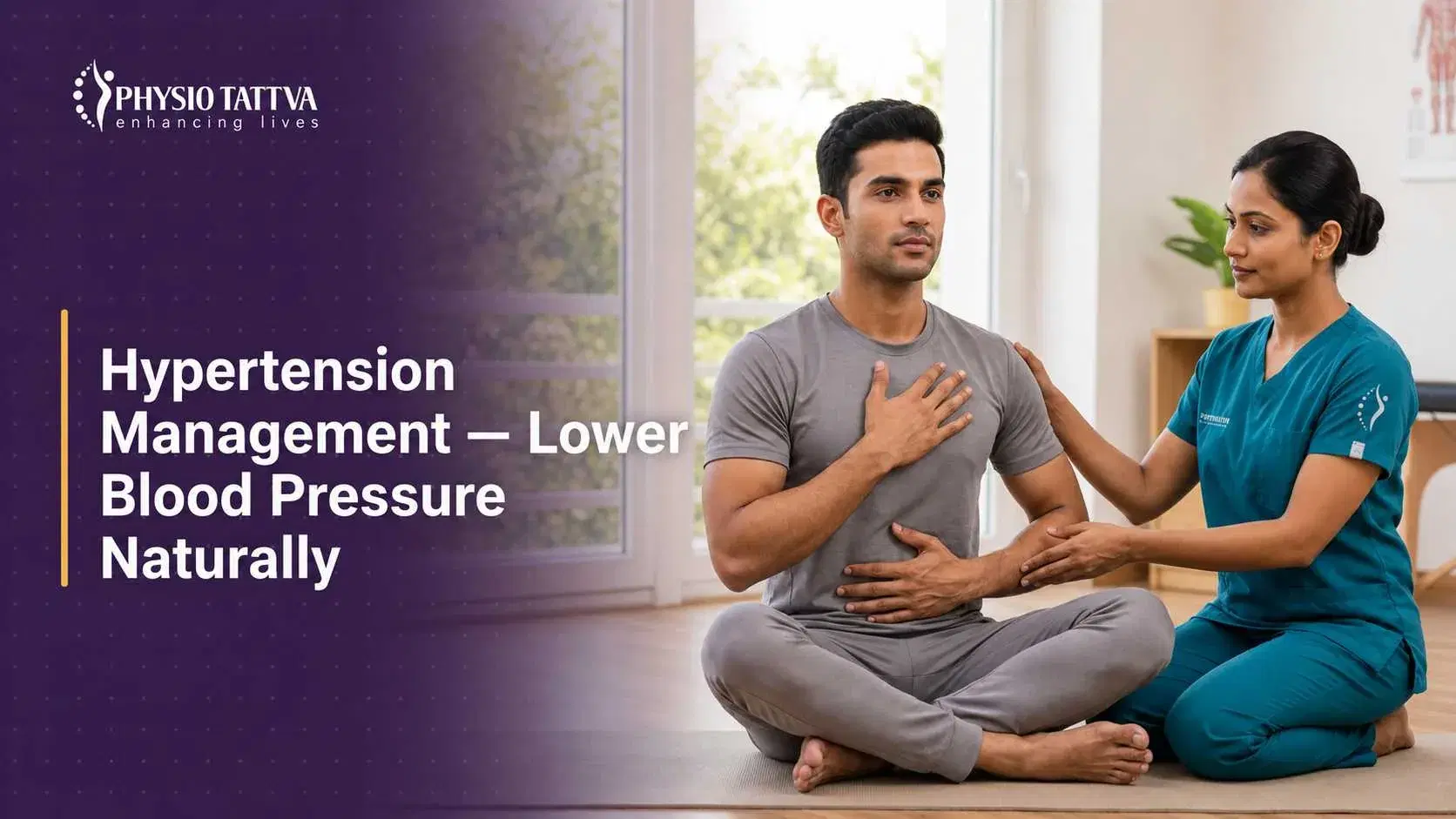
  • Physiotherapy for Hypertension: Effective Treatment & Exercise
    Therapy31 October 2025

    Managing hypertension with physiotherapy can make a significant difference in your overall health. Physiotherapy focuses on exercises that help improve circulation and reduce blood pressure. Regular physical activity strengthens the heart, allowing it to pump blood more efficiently. Your physiotherapist will assess your condition and create a personalised exercise plan tailored to your needs. Common exercises include aerobic activities like walking, cycling, or swimming. These exercises help lower blood pressure and improve cardiovascular health. Resistance training can also be beneficial, as it enhances muscle strength and boosts metabolism. Your physiotherapist will guide you through the proper techniques to ensure safety and effectiveness. Physiotherapy includes education on lifestyle changes that support blood pressure management. This can involve advice on nutrition, stress reduction techniques, and maintaining a healthy weight. Regular follow-ups allow your physiotherapist to monitor your progress and make adjustments to your plan as needed.

Fresh from the blog

Latest articles

View all blogs →

Start with an assessment

We measure what you've lost, find the cause, and set out a plan with a target and a timeline.