What is Mallet Finger Deformity
Mallet fingers, sometimes known as "baseball finger," is a deformity that affects the tip of your finger or thumb, causing the tendons to be injured and the finger to droop. Learn more about the signs and symptoms, as well as the diagnosis and treatment options.

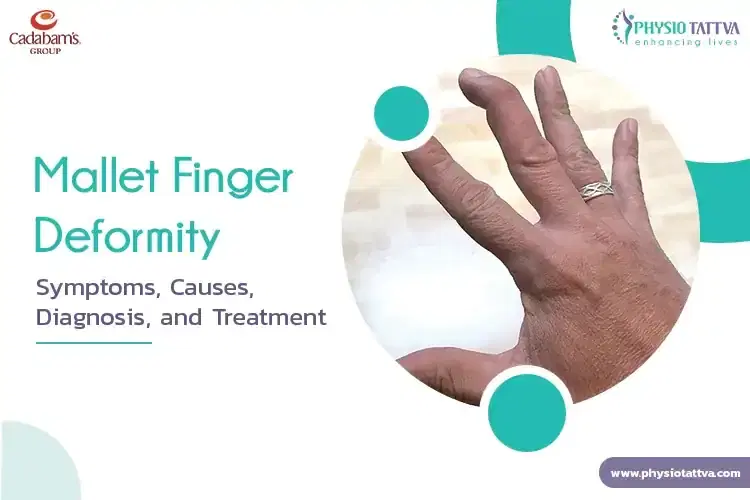
Mallet fingers, commonly known as “baseball fingers,” are a type of deformity that affects the tip of your finger or thumb where the tendons are injured, causing the part of the finger to droop.
Causes of Mallet Finger
One of the most common causes of the deformity is a direct impact on the tip of the fingers that injures the extensor tendons in the fingers, resulting in the dropping of the tips. Another aspect of mallet finger causes includes high contact sports, during sudden injuries and accidents, where the tip is injured due to high impact.
Symptom of Mallet Finger
Symptoms of a Mallet finger are easy to identify. One of the most prominent symptoms is a physical injury resulting from direct pressure on the tip of the finger. Other symptoms include the drooping of the tip, redness, bruise, tenderness, and inability to straighten the fingers into regular functioning positions.
How to Diagnose Mallet Finger
The most effective way to diagnose a mallet finger is to visit a medical practitioner, who will run an X-ray or an ultrasound to determine the extent of the injury and make you perform small activities, such as flexing the bones to determine the size of the damage.
Who is at Risk of Mallet Finger
Athletes who handle high-impact balls such as baseball, cricket, and volleyball are prone to mallet finger injuries. However, it can occur to anyone who ends up with a high impact on the tips of the fingers, which results in the snapping of the tendons.
Treatment for Mallet Finger
Mallet Finger treatment includes ice packs to ensure no severe inflammation of the muscles. Another treatment can be splints and immobilisation, based on the intensity of the injury. This allows the tendons and powers to heal over time. Surgery is performed only when the tendons and muscles are damaged.
Physiotherapy Treatment of Mallet Finger
Cryotherapy can be used in the initial stages of the injury to prevent the inflammation of the joints and the muscle area. This will also help relieve pain in the region.
Besides these, various mallet finger exercises can be performed, such as
Passive range of motion can be performed by bending the injured joint to maintain the motion range of the joint. This can be performed for 5 seconds, with about ten repetitions daily.
Stretching exercises such as keeping the palm flat on a table or floor and lifting each finger one at a time can be excellent exercises to improve mobility in this region.
Object picking is a simple exercise that can help increase the mobility and agility of the fingers.
Things to Remember for Mallet Finger
Here are a few things that can help you if you happen to have mallet fingers
- Wear protective gloves while engaging in sports
- Ice the area of injury
- Immobilisation is key
- Physiotherapy can help in healing the injury