Knee Pain While Bending: Types, Causes & Treatment
The general understanding is that any strain or wear and tear of muscles around the joints contributes to knee pain. As you go about your day, bending to life something or sitting can be difficult due to the discomfort and pain you experience.

Types of Knee Pain While Bending
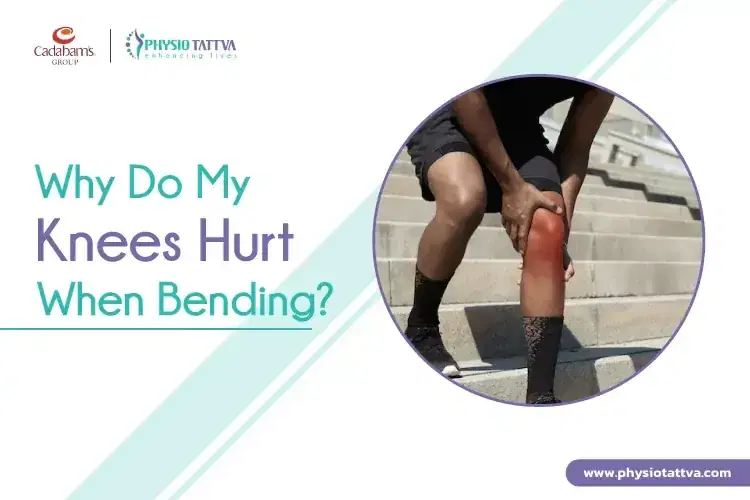
There are various patterns of knee pain, including pain above the knee cap, in front of the knee cap, behind the knee, and sharp pain as you bend.
Weight Bearing
You experience pain as you go up and down stairs, squat, or sit mainly because of the weight going through the knee as you perform these activities. Extra weight leads to compression and pressure on the joints and muscles of the knee.
Non-Weight Bearing
The pain you experience when you move your knee or stand with one leg lifted off the floor can also occur despite any weight going through your knee.
What's Causing You Knee Pain When Bending?
Traumatic Injuries
Knee pain, when bent, could be caused by traumatic injuries and is easily noticeable. Such injuries could occur during sports, work-related activities, accidents, etc. After the injury, it takes around 24 hours for the knee to swell up and hurt.
Knee Bursitis
This condition involves inflammation in one or more of the bursa around the knee. A bursa is a fluid-filled sac between the bones and soft tissue to reduce friction. Hence, excess pressure or friction can cause pain making it difficult to bend.
Osteoarthritis
Elders tend to be more vulnerable to osteoarthritis. It involves wear and tear of the cartilage lining in the knee joint and the development of lumps around the joints resulting in knee pain.
Runner's Knee
This is the most common condition leading to knee pain while bending. It is associated with the movement of the knee cap and how it creates extra friction on the cartilage. Pain is experienced at the front of the knee, below and to the sides of the knee cap. You may also hear a grinding sound as you bend your knee.
Bakers Cyst
The swelling in the semimembranosus bursa behind the knee will result in this condition. Arthritis is the main cause of such cysts leading to stiffness, knee pain, and a slight bulge at the back of the knee.
Knee Sprain
When one of the four ligaments in the knee tears or overstretches, it can lead to varying degrees of knee sprain. This sudden impact leads to inflammation and pain as you bend your knee.
Meniscus Tear
This condition involves the wear and tear of the meniscus (C-shaped cartilage). The broken fragments got stuck in the joint resulting in issues with movement and decreased cushioning.
Patellar Tendonitis
After jumping or kicking movements, small tears and inflammation in the patellar tendon (below the kneecap) can cause knee sprain pain when bending and stiffness. This condition is commonly seen among basketball and volleyball athletes.
Treatments for Knee Pain When Bending
RICE Method
The RICE method (Rest, Ice, Compression, Elevate) is always recommended by doctors to cope with physical injuries and pain behind the knee when bending. The steps of this method include the following-
- Rest- Avoid excessive weight on your knee
- Ice- 3-4 times a day, apply ice at the point of injury for around 20 minutes
- Compress- Wrap your knee with compression bands to provide extra support. Remember not to wrap it around tightly, as this might reduce blood flow to the knee.
- Elevate- Throughout the day, try to raise your knee above the level of your heart to reduce inflammation.
Knee Strengthening Exercises
Basic exercises (kickbacks, bridge poses, and leg raises) can help reduce pressure, increase stability, and improve knee alignment. Incorporating such techniques into your routine and performing them to the best of your ability can increase strength and help with pain behind the knee when bending.
Massage
Applying extra pressure on injury spots during a massage can help loosen the muscles, tendons, and ligaments. Massages such as trigger points, Swedish, and deep tissue massage can reduce pain.
Physical Therapy
A physiotherapist can design specific exercises to improve the knee's stability, mobility, and flexibility. Heat and cold therapy, chiropractic care, and more can be used to overcome the condition.
Knee Surgery
Surgery can be the next step if such treatments do not reduce symptoms. Surgery for ACL reconstruction, meniscus tear, and knee replacement are among the few options.
Treating Knee Pain With Physiotattva
Physiotherapy is a great alternative to cope with knee pain. With outpatient consultations and home visits, our experts aim to create a plan that meets your unique needs and eases your journey to recovery.