

🏥 Neurological Rehabilitation
Neurological Rehabilitation Therapy
Neurological rehabilitation is a specialised program designed to help patients recover from nervous system injuries or conditions
What is Neurological Rehabilitation?
Neurological rehabilitation is a specialised program designed to help patients recover from nervous system injuries or conditions. It aims to improve function, reduce symptoms, and enhance well-being. At our neurological rehab centre, we focus on personalised care to help you regain independence and improve your quality of life.
Neurological rehabilitation can help with a wide range of conditions, including stroke, Parkinson's disease, and Alzheimer's disease. Our team of experts provides comprehensive care, including physiotherapy after stroke and specialised therapies for other neurological disorders.
How does Neurological Rehab help with recovery?
Neurological rehab uses a combination of therapies to help you regain lost skills and abilities. It focuses on:
- Improving motor skills and mobility
- Enhancing communication and cognitive function
- Managing pain and other symptoms
- Providing emotional support and counseling
Our specialised programs, such as stroke rehabilitation in Bangalore, are tailored to meet the unique needs of each patient.
Who Should Avoid Neurological Rehab?
While neurological rehab is beneficial for many, it may not be suitable for individuals with:
- Severe, unstable medical conditions
- Certain cardiovascular issues
- Uncontrolled seizures
What to Expect During Your Session?
Your neurological rehab program will be customised to your specific needs. Here's what you can generally expect:
- A comprehensive initial assessment to evaluate your condition.
- Development of a personalised treatment plan.
- One-on-one therapy sessions with our expert physiotherapists.
- Regular progress evaluations and adjustments to your plan.
- Guidance on stroke recovery exercises and home care.
Neurological Rehab vs. Traditional Physiotherapy
| Feature | Neurological Rehab | Traditional Physiotherapy |
|---|---|---|
| Focus | Nervous system and its impact on movement | Musculoskeletal injuries |
| Techniques | Specialised for neurological conditions | General exercises and manual therapy |
| Goals | Regain function and independence | Reduce pain and restore mobility |
| Conditions | Stroke, Parkinson's, Alzheimer's | Sprains, fractures, back pain |
Risks and Safety of Neurological Rehab
Neurological rehab is generally safe, but some patients may experience:
- Mild muscle soreness or fatigue
- Temporary increase in symptoms
- Frustration or emotional distress
Our team will work closely with you to manage any discomfort and ensure your safety. It's important to follow your therapist's instructions to minimise risks.
Patient stories
What people tell us
I’ve been suffering from neck pain for the past few years. After booking a session with a chiropractor at Physiotattva, I learned more about posture and pain management.
Aadi Sagar, 26 Going to the hospital for back problems during the pandemic was not an option. Thank god for home services, I could cope with my pain.
Akhila Anil. 28 After a major accident, my brother suffered from a severe spine injury. Doctors recommended physiotherapy to cope with the impact of the injury. After the first consultation at Physiotattva, we were hopeful about his recovery.
Amogh Kumar, 25
From the blog
Related reading
 Neuro Condition15 June 2026
Acute traumatic brain injury (TBI) happens when the brain takes a sudden hit or jolt, usually from accidents like car crashes, falls, sports injuries, or even assaults. It’s a serious event that can cause anything from a mild concussion to severe brain damage.
 Neuro Rehabilitation23 June 2026
Understanding the difference between acute and subacute rehabilitation after a stroke is important for proper planning of care. Acute rehabilitation usually occurs immediately after a stroke, within the first few days or weeks, and is characterised by intense therapy directed at immediate physical and cognitive impairments. The aim is to stabilise the patient's condition and initiate restoration of basic functions. Subacute rehabilitation starts after the acute phase, usually 3 to 6 weeks post-stroke, and continues with a less intense therapy approach. This stage focuses on further recovery and improvement in daily functioning. Understanding the differences between these phases allows clinicians to tailor their treatments, ensuring that the patient receives the right type and intensity of therapy at each stage, optimising recovery outcomes and promoting long-term functional independence.
 Neuro Condition31 October 2025
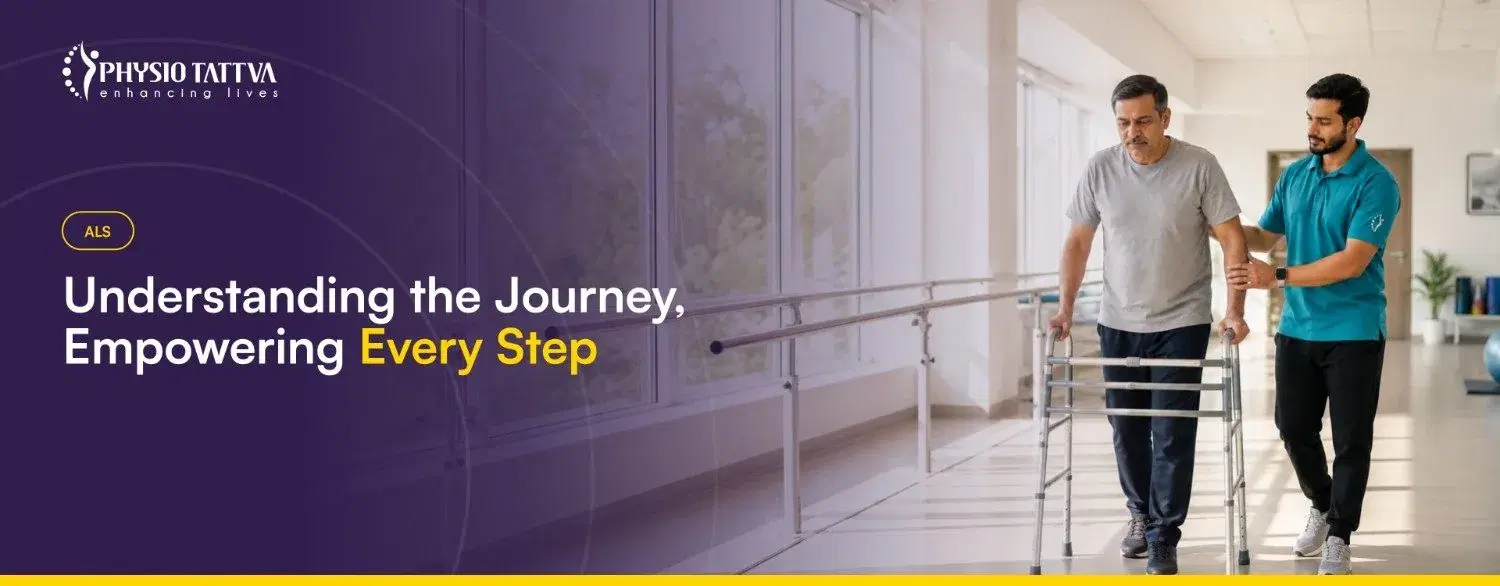
Amyotrophic Lateral Sclerosis (ALS) is a disease that affects nerve cells in the brain and spinal cord. It slowly breaks down the nerves that control movement, making everyday tasks like walking, lifting, or even speaking harder over time. A common cause for the condition is genes and environmental factors. Age, family history, and exposure to certain toxins can increase the risk. While ALS doesn’t affect thinking, it changes how you move, speak, and breathe. Several treatment options help manage the condition. Understanding the amyotrophic lateral sclerosis causes is essential for early identification and management.
 Neuro Condition4 June 2025
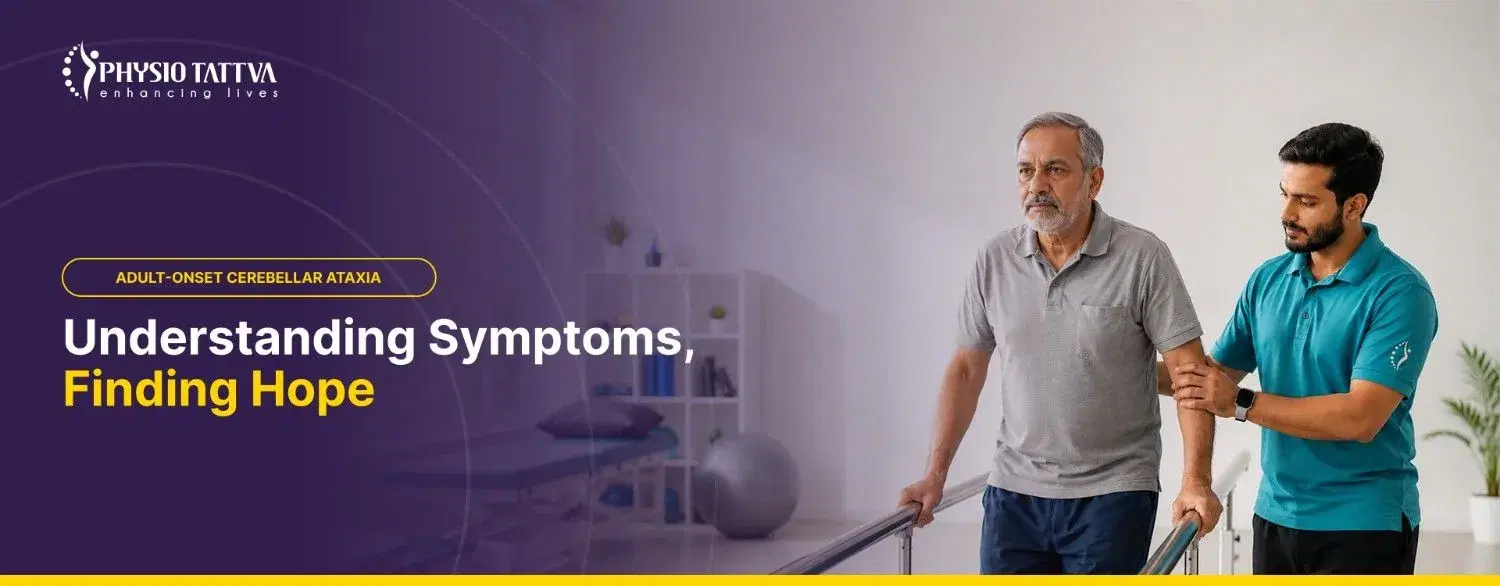
Adult-onset cerebellar ataxia is a condition that can affect an individual's coordination, balance, and motor control due to issues in the cerebellum. It can result from genetic factors, autoimmune conditions, or neurodegenerative diseases. Treatment cannot cure the condition, but it can help manage it to a large extent by focusing on improving quality of life through physiotherapy, occupational therapy, and medication. Living with the condition can be scary, and it is important to be able to understand it, which can help plan treatment in the long run.
 Chronic Pain22 October 2025
Arthritis in fingers shows up when the joint surfaces wear down or get inflamed, making it more challenging. It can affect daily tasks like gripping or typing. Knowing the symptoms and causes helps in finding ways to ease discomfort and improve hand use.
 Foot Pain28 November 2025
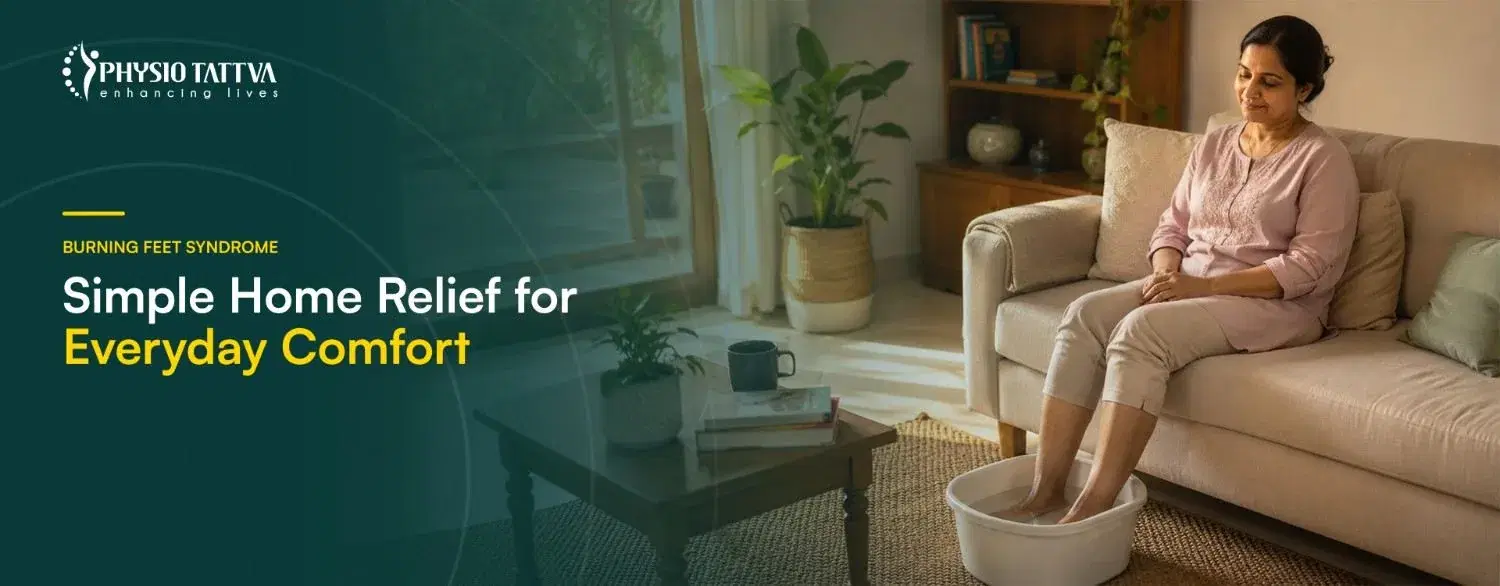
Burning feet syndrome can cause discomfort due to nerve issues, diabetes, or lifestyle triggers. While home remedies offer temporary relief, physiotherapy ensures long-term results, something Physiotattva specialises in. This guide will explore common causes, effective home remedies for burning feet, and explain when professional physiotherapy care is essential for finding lasting relief.
 Neuro Condition31 October 2025
Bickerstaff Brainstem Encephalitis (BBE) is a rare but serious condition that affects the brain stem, causing problems with vital body functions like breathing, heart rate, and movement. It’s an autoimmune disorder where the body mistakenly attacks its own brainstem, leading to symptoms like weakness, difficulty walking, double vision, and in some cases, loss of consciousness. The impact on daily life can be significant, as BBE can affect balance, coordination, and even basic motor functions. Understanding BBE is important because it can change the way people live, affecting everything from mobility to independence, and it requires prompt medical attention to manage its progression.
Answers
Frequently asked questions
Parkinson's rehabilitation is a specialised therapy program designed to help manage the symptoms of Parkinson's disease. It focuses on improving balance, mobility, and overall function through targeted exercises and therapies.
Book Your Neurological Rehab Consultation
We measure what you've lost, find the cause, and set out a plan with a target and a timeline.
- Call us+91 89510 47001
- Email usinfo@physiotattva.com
- Visit a clinic23 clinics across Bangalore, Hyderabad and Visakhapatnam
- Or stay homePhysiotherapy at home