

🏥 Geriatric Rehabilitation
Geriatric Rehabilitation Therapy
Geriatric rehab is a specialised form of physical therapy designed to address the unique movement and functional challenges faced by older adults.
Geriatric Rehab: A Guide to Restoring Independence in Seniors
Geriatric rehab is a specialised form of physical therapy designed to address the unique movement and functional challenges faced by older adults. It focuses on improving mobility, balance, strength, and overall quality of life to help seniors maintain their independence and recover from age-related conditions.
What is the Goal of Geriatric Rehabilitation?
The primary goal of age-related rehab is to help seniors regain function, reduce pain, and improve their safety. It's about empowering older adults to live active and fulfilling lives.
- Enhances strength and physical endurance.
- Improves balance and coordination to prevent falls.
- Manages chronic pain from conditions like arthritis.
- Restores mobility after surgery or illness.
- Boosts confidence in performing daily activities.
What Conditions Can Geriatric Physiotherapy Help With?
Our specialised geriatric physiotherapy programs are tailored to manage and treat a variety of conditions common in older adults.
- Arthritis and joint pain management.
- Osteoporosis and fracture prevention.
- Post-surgery recovery (e.g., hip or knee replacement).
- Balance disorders and vertigo.
- Stroke and neurological condition recovery.
- Comprehensive programs for fall recovery elderly.
- General deconditioning and muscle weakness.
What Can I Expect During a Geriatric Rehab Session?
A typical session at our elderly rehabilitation centre Bangalore is structured to ensure comfort, safety, and effectiveness.
- Initial Assessment A thorough evaluation of your strength, balance, mobility, and medical history.
- Goal Setting Collaborating with you to set realistic and meaningful recovery goals.
- Personalised Plan Creating a custom exercise and therapy plan for you.
- Guided Therapy Performing gentle, targeted exercises under a therapist’s supervision.
- Progress Monitoring Regularly tracking your improvements and adjusting the plan as needed.
- Home Exercise Program Providing simple exercises to continue your progress at home.
How Does Rehab at a Center Compare to Home Care?
Choosing the right setting for senior care rehabilitation is important. While both have benefits, our specialised centers provide a more comprehensive approach.
| Feature | At Physiotattva's Center | At Home |
|---|---|---|
| Equipment | Access to advanced therapeutic equipment. | Limited to portable equipment. |
| Environment | Structured, supervised, and social setting. | Familiar and comfortable personal space. |
| Specialisation | Direct access to a multidisciplinary team. | Typically involves one primary therapist. |
| Intensity | Ideal for intensive or inpatient care for elderly. | Better suited for mild to moderate needs. |
Are There Any Risks or Safety Concerns?
Geriatric rehab is very safe when conducted by qualified professionals. Some mild effects can occur but are usually temporary.
- Patients may experience mild muscle soreness after sessions.
- Fatigue is common as strength and endurance are rebuilt.
- Individuals with severe osteoporosis or unhealed fractures should proceed with caution.
- Therapy is always customised to the patient's specific health status to minimise risks.
Patient stories
What people tell us
I’ve been suffering from neck pain for the past few years. After booking a session with a chiropractor at Physiotattva, I learned more about posture and pain management.
Aadi Sagar, 26 Going to the hospital for back problems during the pandemic was not an option. Thank god for home services, I could cope with my pain.
Akhila Anil. 28 After a major accident, my brother suffered from a severe spine injury. Doctors recommended physiotherapy to cope with the impact of the injury. After the first consultation at Physiotattva, we were hopeful about his recovery.
Amogh Kumar, 25
From the blog
Related reading
 Neuro Condition15 June 2026
Acute traumatic brain injury (TBI) happens when the brain takes a sudden hit or jolt, usually from accidents like car crashes, falls, sports injuries, or even assaults. It’s a serious event that can cause anything from a mild concussion to severe brain damage.
 Neuro Rehabilitation23 June 2026
Understanding the difference between acute and subacute rehabilitation after a stroke is important for proper planning of care. Acute rehabilitation usually occurs immediately after a stroke, within the first few days or weeks, and is characterised by intense therapy directed at immediate physical and cognitive impairments. The aim is to stabilise the patient's condition and initiate restoration of basic functions. Subacute rehabilitation starts after the acute phase, usually 3 to 6 weeks post-stroke, and continues with a less intense therapy approach. This stage focuses on further recovery and improvement in daily functioning. Understanding the differences between these phases allows clinicians to tailor their treatments, ensuring that the patient receives the right type and intensity of therapy at each stage, optimising recovery outcomes and promoting long-term functional independence.
 Neuro Condition31 October 2025
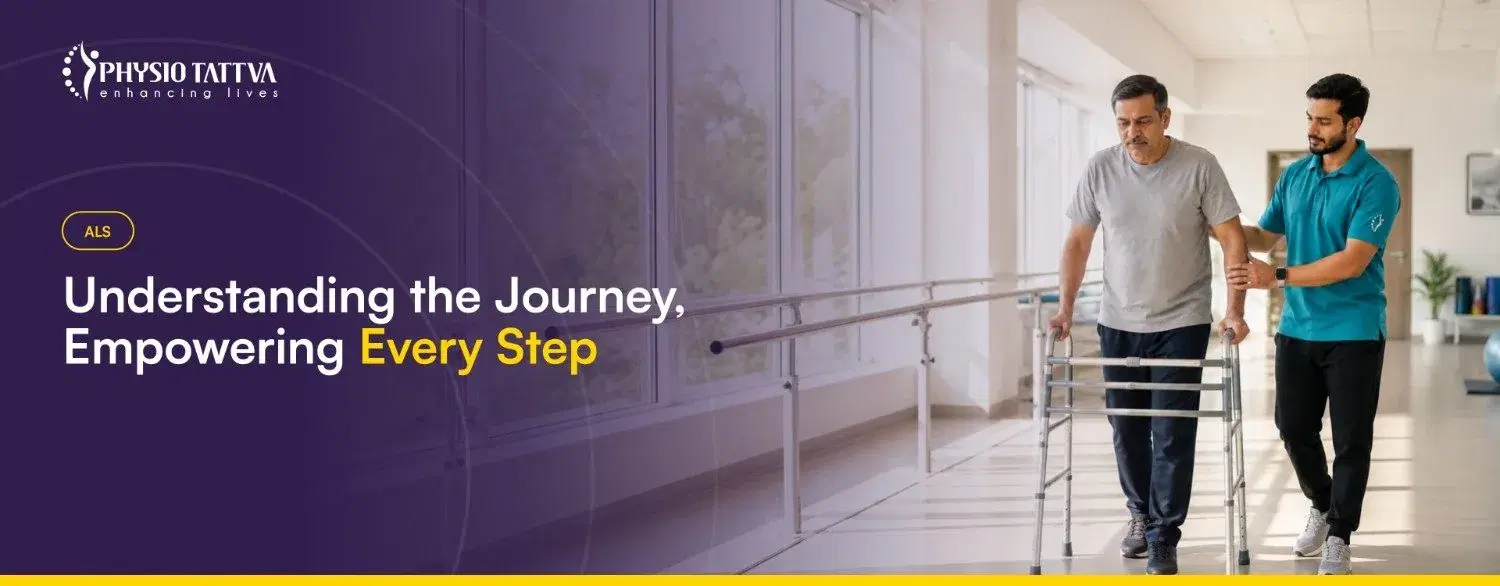
Amyotrophic Lateral Sclerosis (ALS) is a disease that affects nerve cells in the brain and spinal cord. It slowly breaks down the nerves that control movement, making everyday tasks like walking, lifting, or even speaking harder over time. A common cause for the condition is genes and environmental factors. Age, family history, and exposure to certain toxins can increase the risk. While ALS doesn’t affect thinking, it changes how you move, speak, and breathe. Several treatment options help manage the condition. Understanding the amyotrophic lateral sclerosis causes is essential for early identification and management.
 Neuro Condition4 June 2025
Adult-onset cerebellar ataxia is a condition that can affect an individual's coordination, balance, and motor control due to issues in the cerebellum. It can result from genetic factors, autoimmune conditions, or neurodegenerative diseases. Treatment cannot cure the condition, but it can help manage it to a large extent by focusing on improving quality of life through physiotherapy, occupational therapy, and medication. Living with the condition can be scary, and it is important to be able to understand it, which can help plan treatment in the long run.
 Chronic Pain22 October 2025
Arthritis in fingers shows up when the joint surfaces wear down or get inflamed, making it more challenging. It can affect daily tasks like gripping or typing. Knowing the symptoms and causes helps in finding ways to ease discomfort and improve hand use.
 Foot Pain28 November 2025
Burning feet syndrome can cause discomfort due to nerve issues, diabetes, or lifestyle triggers. While home remedies offer temporary relief, physiotherapy ensures long-term results, something Physiotattva specialises in. This guide will explore common causes, effective home remedies for burning feet, and explain when professional physiotherapy care is essential for finding lasting relief.
 Neuro Condition31 October 2025
Bickerstaff Brainstem Encephalitis (BBE) is a rare but serious condition that affects the brain stem, causing problems with vital body functions like breathing, heart rate, and movement. It’s an autoimmune disorder where the body mistakenly attacks its own brainstem, leading to symptoms like weakness, difficulty walking, double vision, and in some cases, loss of consciousness. The impact on daily life can be significant, as BBE can affect balance, coordination, and even basic motor functions. Understanding BBE is important because it can change the way people live, affecting everything from mobility to independence, and it requires prompt medical attention to manage its progression.
Answers
Frequently asked questions
A typical program lasts 4 to 8 weeks, depending on the individual's condition and goals. Your physiotherapist will create a timeline based on your specific needs and progress.
Book Your Geriatric Rehab Consultation
We measure what you've lost, find the cause, and set out a plan with a target and a timeline.
- Call us+91 89510 47001
- Email usinfo@physiotattva.com
- Visit a clinic23 clinics across Bangalore, Hyderabad and Visakhapatnam
- Or stay homePhysiotherapy at home